

Why Home Comfort Goes Beyond Decor
A welcoming home is about more than coordinated colors and pretty accessories — it’s about how the space feels, and what you hear there. Persistent background noise from traffic, loud neighbors, or running appliances can quickly undermine comfort and turn a peaceful room into a stressful one.
Noise pollution affects family life in practical ways. It can interrupt a child’s nap, make conversations difficult, and distract kids trying to study. The acoustic environment inside your home matters for sleep, focus, and overall wellbeing.
The good news is that improving sound control doesn’t require a major remodel. Small, well-chosen upgrades — like door seals — cut noise and stop drafts at the same time. That delivers quieter rooms plus more consistent indoor temperatures and potential energy savings, which is helpful for families on a budget.
Many sound-reducing products are DIY-friendly, safe for homes with kids, and quick to install. Whether you’re juggling parenting responsibilities or enjoy weekend projects, there are effective, low-cost ways to make your home calmer and cozier.
Common Noise Problems in Family Homes
Every home faces different sound challenges. Maybe a washing machine vibrates through a nursery wall, street traffic drifts into bedrooms, or a teen’s gaming setup turns a shared room into a noise source. Open floor plans and hard flooring also tend to reflect and amplify sound.
These issues are more than petty annoyances. When a baby can’t nap or a child can’t concentrate, daily routines can be disrupted and stress levels rise. For busy households, managing noise is part of practical home care alongside organizing and meal planning.
Addressing noise helps preserve routines, supports restful sleep and focused work, and improves the overall atmosphere of shared living spaces.
Multi-Purpose Soundproofing Products for the DIY Home
Not every solution requires heavy construction. The following products are easy to install and deliver multiple benefits for family homes:
| Product Type | Main Purpose | Bonus Benefit | Ideal For |
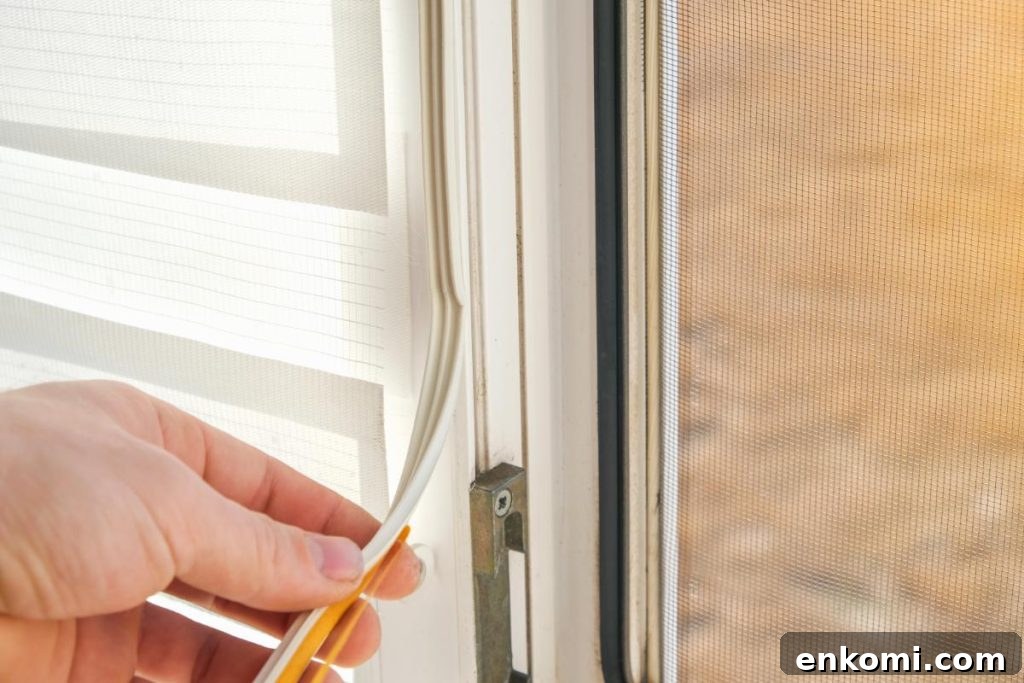
| Door Seals (sweeps, jambs, thresholds) | Block noise and drafts at entry points | Improve insulation and reduce energy bills | Bedrooms, nurseries, home offices |
| Window Treatments (heavy curtains, liners) | Absorb external noise and reduce echo | Provide warmth, light control, and privacy | Living rooms, bedrooms, street-facing rooms |
| Weatherstripping | Seal gaps in doors and windows | Stop heat loss and air leaks | Throughout the house |
| Sound-Absorbing Rugs/Pads | Soften footstep noise and reduce echo | Add comfort, warmth, and safety for kids | Playrooms, hallways, hard floor areas |
| Decorative Acoustic Panels | Absorb sound while blending with decor | Add a stylish design element to walls | Living rooms, media spaces, offices |
| Bookshelves or Fabric Wall Art | Provide passive noise absorption | Multi-functional and budget-friendly | Shared walls, study areas |
These straightforward additions reduce noise, improve comfort, and preserve your home’s appearance and layout.
Weekend Projects for a Quieter Home
Many effective soundproofing tasks are quick and manageable for one person. Start with a door seal kit: surfaces clean, measure, cut to fit, and press into place — no power tools required. The immediate result is a quieter room and fewer drafts under the door.
For windows, add layered curtains with thermal lining. They hang like regular drapes but help dampen outside noise and improve insulation. Complement them with adhesive weatherstripping around the window frame for better performance.
Hard floors that amplify footsteps can benefit from a rug and rug pad. Felt or memory-foam pads absorb impact noise, keep rugs from sliding, and add comfort for play areas. For a hands-on project, make a DIY acoustic panel: wrap sound-absorbing material in fabric over a simple wooden frame and hang it like artwork to reduce echo without sacrificing style.
Seasonal Benefits of Sound Insulation
Soundproofing helps year-round. In winter, sealed doors and windows trap warmth; in summer, they help keep cool air inside. That leads to fewer temperature swings and less demand on heating or air conditioning systems.
Door seals and weatherstripping prevent drafts in cold months and reduce heat gain during warm weather. Regular seasonal checks — reapplying adhesive where needed and ensuring curtains and seals remain properly fitted — keep systems working well and maintain energy efficiency.
Creating Quiet Zones for Special Needs
Some family members are more sensitive to noise. Children with sensory needs, remote workers, and students all benefit from dedicated quiet spaces. A back-facing bedroom, a basement corner, or even a closet can become a calm retreat with a few targeted upgrades.
Install door seals, add rugs and wall coverings that absorb sound, and use heavy curtains or acoustic panels near windows. Placing bookshelves against shared walls also helps reduce transmitted noise. These measures create quieter zones for focused work, restful naps, or peaceful downtime.
Perfection isn’t the goal — comfort is. With modest effort you can make your home more supportive for everyone who lives there.
Improving your home’s soundscape doesn’t have to be costly or complicated. Simple upgrades like door seals, heavy curtains, and sound-absorbing rugs deliver quieter rooms, improved energy efficiency, and a more comfortable environment for family life. Small projects can produce meaningful, lasting benefits.