
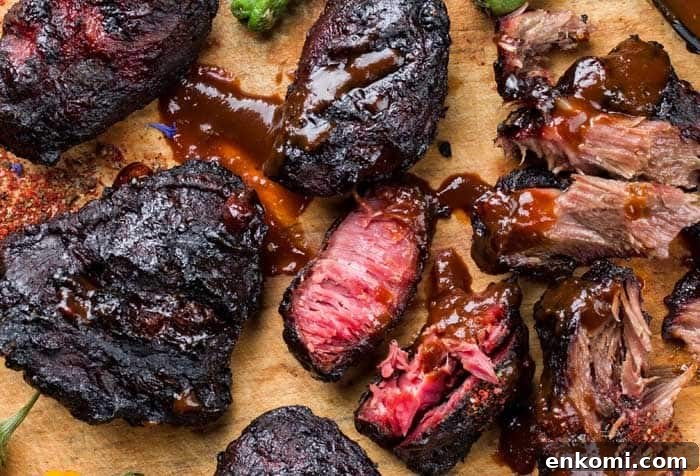
Smoked beef cheeks are an often-overlooked cut that shines in tacos, sandwiches, or simply served on their own. When prepared correctly, they become richly flavored, tender, and satisfyingly sticky. This guide walks you through what beef cheeks are, how to prepare them for smoking, the smoking process itself, and answers common questions to help you achieve consistent results.
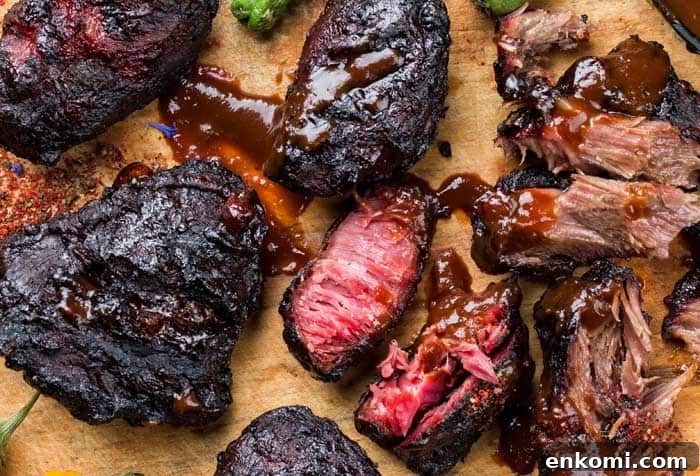
Beef cheeks are unique among barbecue cuts. They develop an exceptional texture and depth of flavor when cooked low and slow, thanks largely to their high collagen content. Proper technique turns what could be a tough muscle into melt-in-your-mouth meat perfect for a variety of dishes.
- What are Beef Cheeks?
- How to Prepare Beef Cheeks for Smoking
- How to Smoke Beef Cheeks
- Time and Temperature
- FAQ
- Smoked Beef Cheeks (Recipe)
What are Beef Cheeks?
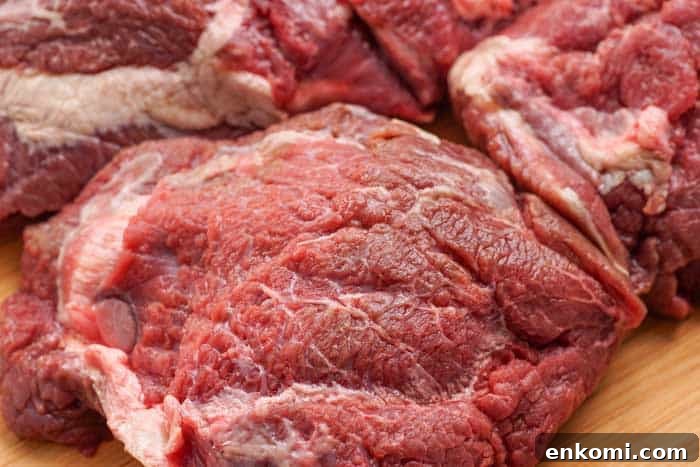
Beef cheeks are the facial muscles from the cow. They are smaller and denser than many traditional barbecue cuts, typically weighing around seven ounces per cheek. Their most notable characteristic is a thick seam of collagen running through the meat. As the cheeks cook slowly, this collagen breaks down into gelatin, producing moisture, silkiness, and a distinctive sticky texture that sets cheeks apart from other smoked beef cuts.

Because of the collagen, beef cheeks remain moist rather than drying out, even after hours on the smoker. The collagen renders over time and gives the meat a concentrated beefy flavor and sumptuous mouthfeel that pairs well with bold rubs, sauces, and simple sides.
How to Prepare Beef Cheeks for Smoking
Begin by trimming any silver skin, heavy connective tissue, or large flaps of fat. The silver skin can become tough and unpleasant when smoked. Keep a sharp boning knife and remove only what is necessary—leaving too little meat defeats the purpose.
Season simply and generously. A basic rub of coarse black pepper and kosher salt in a 2:1 ratio highlights the beef’s natural flavor. Optionally add a small amount of brown sugar for balance and a touch of sweetness that caramelizes during smoking. Apply the rub thoroughly, on all sides and into any crevices, so every bite has seasoning.
How to Smoke Beef Cheeks
Set your smoker to a steady cooking temperature of 275°F (135°C). Charcoal offset, electric, pellet, and other smokers all work fine as long as you can maintain consistent heat.
Place the prepared cheeks on the smoker racks. Smoke them until the internal temperature reaches about 210°F (98°C). This target is higher than many barbecue finishes, but it’s necessary to fully break down the collagen for that signature tenderness. Depending on your smoker and ambient conditions, this typically takes around five hours—but use a reliable probe thermometer and check the thickest part of the meat.
About one hour before you expect to reach the final temperature—often around the four-hour mark—wrap the cheeks tightly in aluminum foil or place them in a foil-covered tray. Wrapping traps steam and helps the collagen convert to gelatin more evenly, improving tenderness and moisture retention.
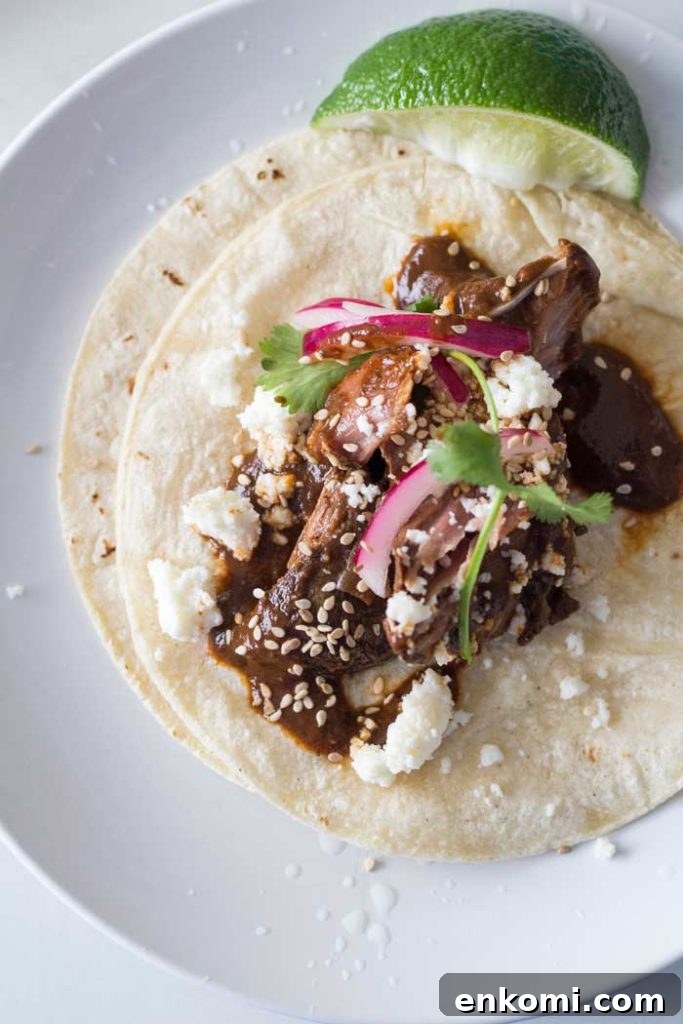
After the final hour in foil, confirm the internal temperature is 210°F. Remove the cheeks from the smoker and let them rest wrapped for about ten minutes; this allows juices and rendered fat to redistribute. Serve sliced or pulled. Pulled cheeks usually deliver the best balance of meat and rendered fat, making them ideal for tacos, sandwiches, or nachos.
Time and Temperature
Maintain a smoker temperature between 250°F and 300°F for best results; 275°F is a reliable target. Expect a total cook time of approximately four to five hours, but always rely on internal temperature rather than time alone. Aim for an internal temperature around 205–210°F and verify that the collagen seam has fully tenderized by testing with a probe or fork—finished cheeks will feel soft and yield easily.
FAQ
Here are answers to common questions about smoking beef cheeks.
Are Beef Cheeks Fatty?
Beef cheeks are not particularly fatty; they are a lean, muscular cut. Their tenderness comes from collagen that melts into gelatin during slow cooking, not excess fat. You may encounter an outer layer of fat or sinew—trim any large or unpleasant bits, but leave enough meat for a satisfying portion.
What Can I Substitute for Beef Cheeks?
If beef cheeks are unavailable, consider short ribs, oxtail, chuck, or shank as alternatives. These cuts also benefit from low-and-slow cooking and deliver rich, beefy flavors. For a non-beef option with similar texture, lamb shanks are a good choice.
What Does Beef Cheek Meat Taste Like?
Beef cheeks offer a concentrated beef flavor, similar to oxtail or well-cooked chuck, with a luxurious mouthfeel once the collagen has rendered. The taste is savory and deeply beefy, often enhanced by smoking and a balanced rub.
Why Are My Beef Cheeks Tough?
Tough cheeks are usually the result of insufficient cooking time or temperature. Collagen needs time and heat to convert to gelatin. Smoke them long enough at a consistent low temperature and use a probe to ensure they reach the correct internal temperature. Wrapping in foil for the final stage also helps ensure tenderness.
Smoked Beef Cheeks
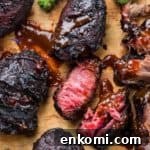
Smoked Beef Cheeks
Ingredients
- 4 beef cheeks, trimmed with silver skin removed
Beef rub
- 2 parts ground black pepper
- 1 part kosher salt
- 1 part brown sugar (optional)
Instructions
- Preheat smoker to 275°F (135°C).
- Trim silver skin and excess fat from the cheeks.
- Mix the rub ingredients and apply generously to all sides of the cheeks, working into crevices.
- Place cheeks on smoker racks and smoke for about 4 hours, maintaining steady temperature.
- Remove cheeks and wrap tightly in aluminum foil or place in a foil-covered tray.
- Return to the smoker and continue cooking for about 1 more hour, or until internal temperature reaches 205–210°F (96–98°C).
- Remove from smoker and let rest, wrapped, for 10 minutes to allow juices and fat to redistribute.
- Serve sliced or pulled for tacos, sandwiches, or as a main course.