
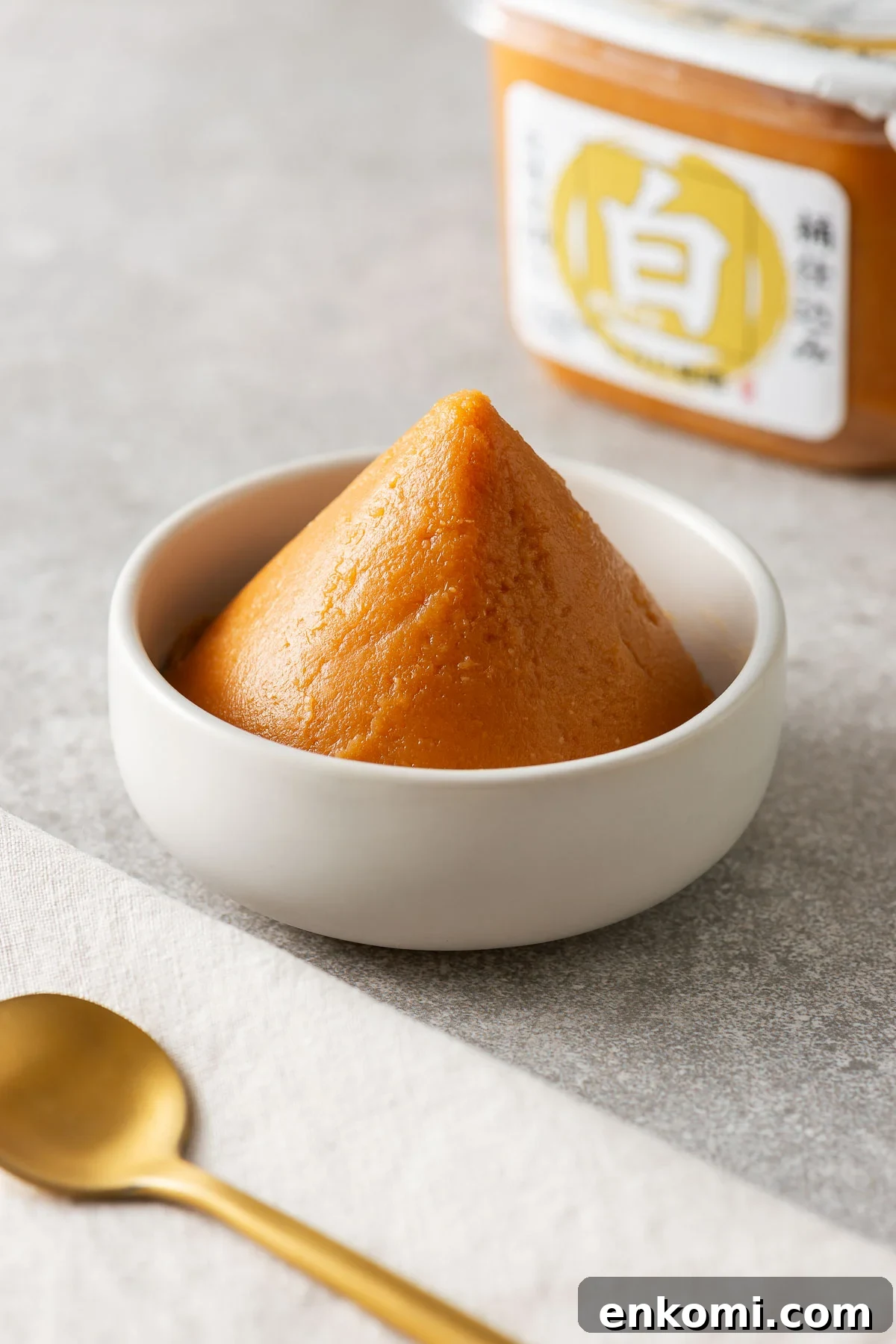
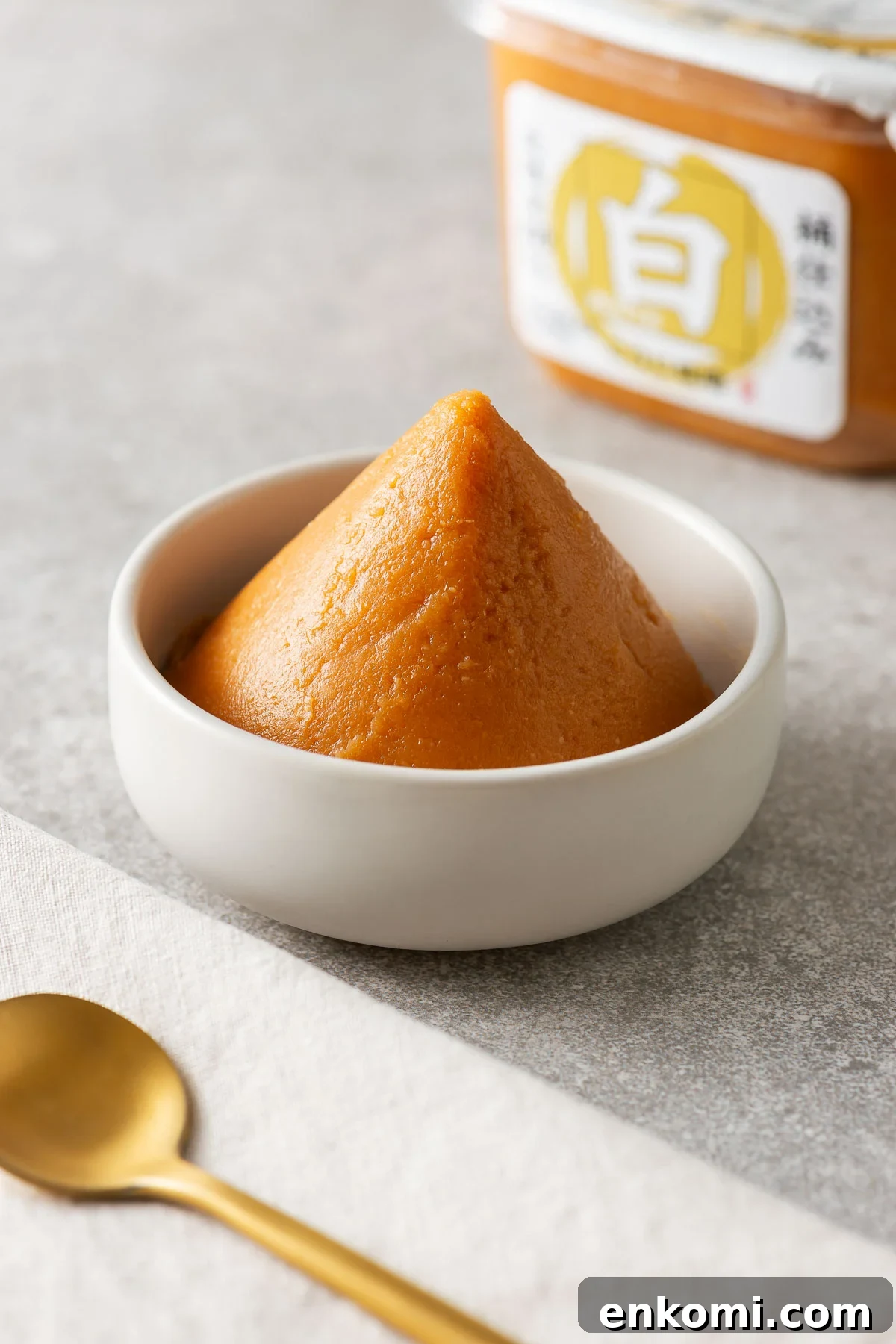
Miso paste is a cornerstone of Japanese cooking. This fermented soybean paste delivers a balanced mix of salty, sweet, earthy and umami notes that enrich soups, sauces, marinades and dressings.
If you can’t find miso at the store, don’t worry. There are several pantry-friendly substitutes that mimic miso’s savory depth, and a simple homemade mix can reproduce its texture and flavour in many recipes.
Below you’ll find a curated list of the best miso paste substitutes, items to use with caution, and a practical homemade miso substitute recipe you can adjust to suit white or red miso profiles.
In this post
- What is miso?
- Best miso paste substitutes
- What is miso paste made from?
- Types of miso paste
- Worst miso paste substitutes
- How to use miso paste
- Frequently asked questions
- Homemade miso substitute recipe
What is miso?
Miso is a traditional Japanese fermented soybean paste made from soybeans, salt and koji (rice, barley or soybean inoculated with Aspergillus oryzae). Fermentation creates the savoury, umami-rich character miso is known for, with subtle sweet and fruity notes depending on the type.
Colour and flavour vary: white (shiro) miso is light and mildly sweet, yellow miso is balanced, and red (aka) miso is darker, saltier and more savory. Miso is essential in soups, ramen, noodle dishes and many marinades and dressings.
Scroll down for ingredients, types, substitutes and an easy homemade alternative.
Typical miso paste ingredients
The three key components of Japanese miso are soybeans, koji and salt. Koji is a grain or soybean inoculated with the beneficial mould Aspergillus oryzae; it breaks down starches and proteins and imparts a sweet, fruity nuance.
For miso, cooked soybeans are combined with koji and salt. Salt prevents undesirable bacteria while allowing controlled fermentation. The proportion of koji to soybeans and the fermentation time determine whether the final miso is fruitier and milder or deeper and more savory.
Variations also exist using other legumes; chickpea miso and other legume-based pastes are possible when fermented in a similar way.
Types of miso paste
Common varieties include:
- White miso (shiro miso): Short fermentation, higher koji ratio, light colour and a mild, slightly sweet flavour. Great for dressings, marinades and light soups.
- Yellow miso (shinshu miso): Fermented longer than white miso and slightly more savory, with a golden hue.
- Red miso (aka miso): Longer fermentation—often a year or more—resulting in an intense, salty, deeply savory flavour and darker colour. Suited to stews and braises.
- Mixed miso (awase miso): A blend of white and red miso offering a balanced flavour, useful as an all-purpose option.
Miso can also be distinguished by koji ingredient: mugi miso uses barley koji (contains gluten), mame miso uses soybean koji (no grains), genmai miso uses brown rice koji, and regional types like hatcho miso are specific traditional styles.
The best substitutes for miso paste
If you’re out of miso, several ingredients can provide similar salty umami depth. Choose a substitute based on the recipe and your pantry. The most reliable options are listed first.
- Homemade miso substitute
- Soy sauce
- Coconut aminos
- Doenjang
- Chinese soybean paste
- Marmite
- Salt
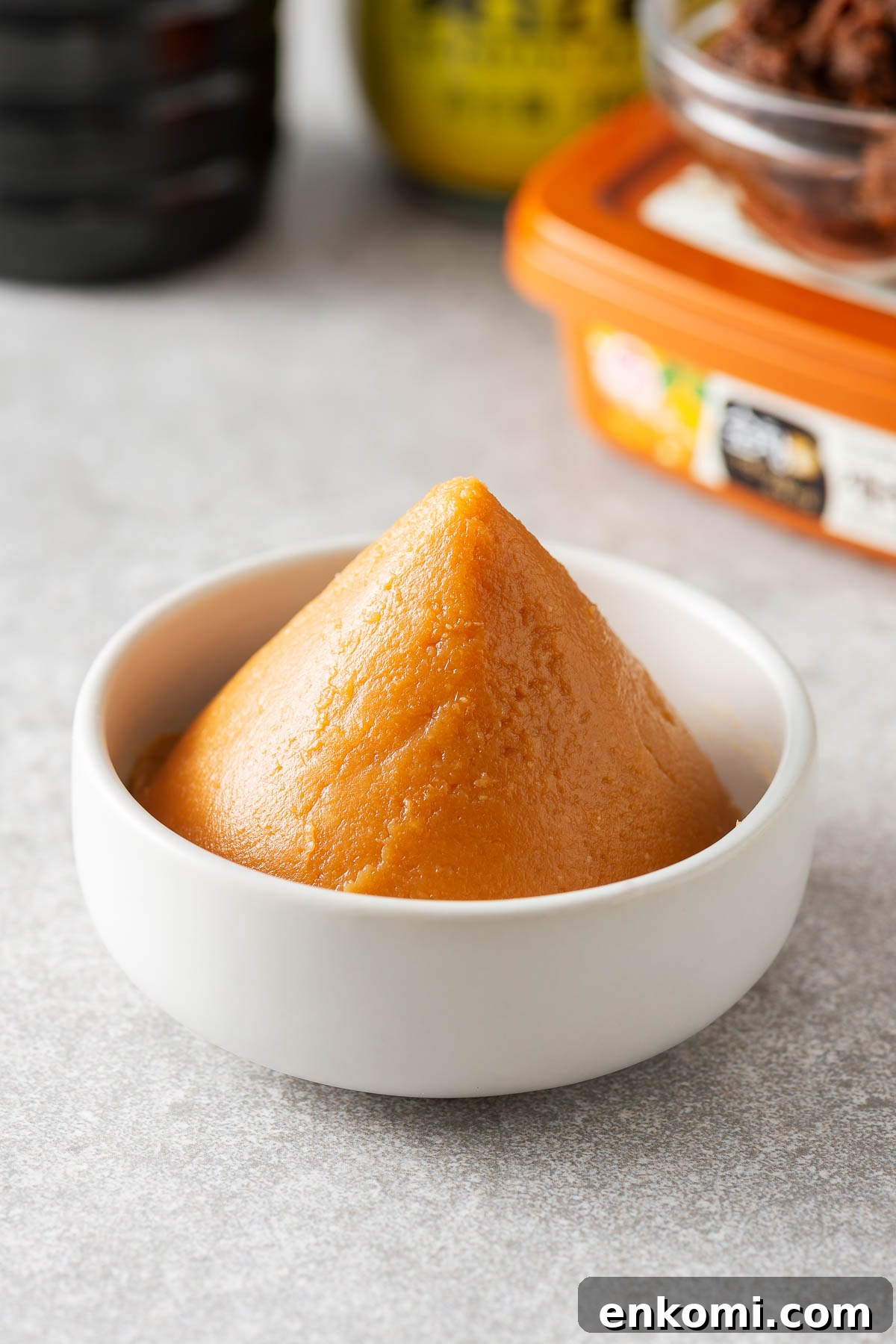
1. Homemade miso substitute
Miso’s flavour is layered and fermented, so a homemade substitute aims to replicate saltiness, umami, mild sweetness and earthiness. This is a flexible template that you can tweak to resemble white or red miso.
Key components:
- Soy product for umami: Doenjang, soy sauce or tamari work well. Coconut aminos can replace soy for soy-free diets.
- Nut or seed butter for body and earthiness: Tahini is a good choice; nut butters are also acceptable. For soups you can omit it, but include it in dressings and sauces for texture.
- Sweetener like mirin: Mirin adds sweetness and a hint of koji character. Maple syrup or honey can substitute if you don’t have mirin.
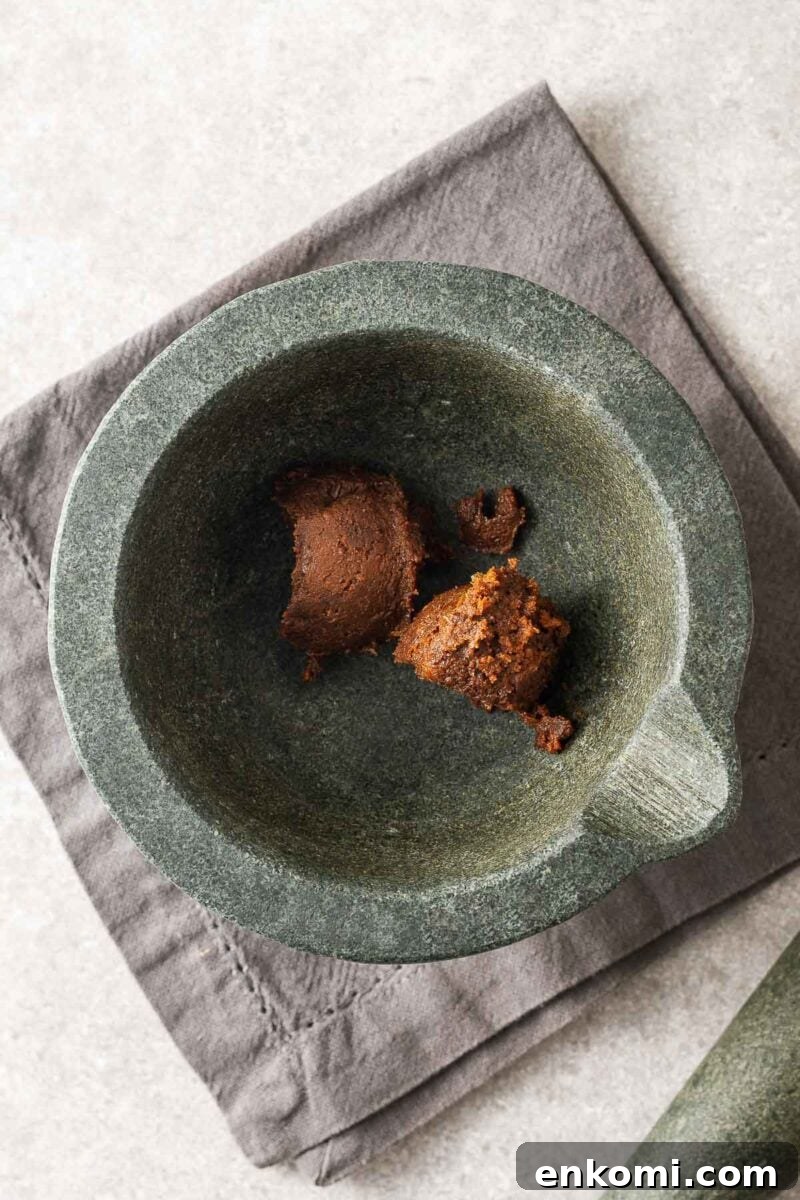
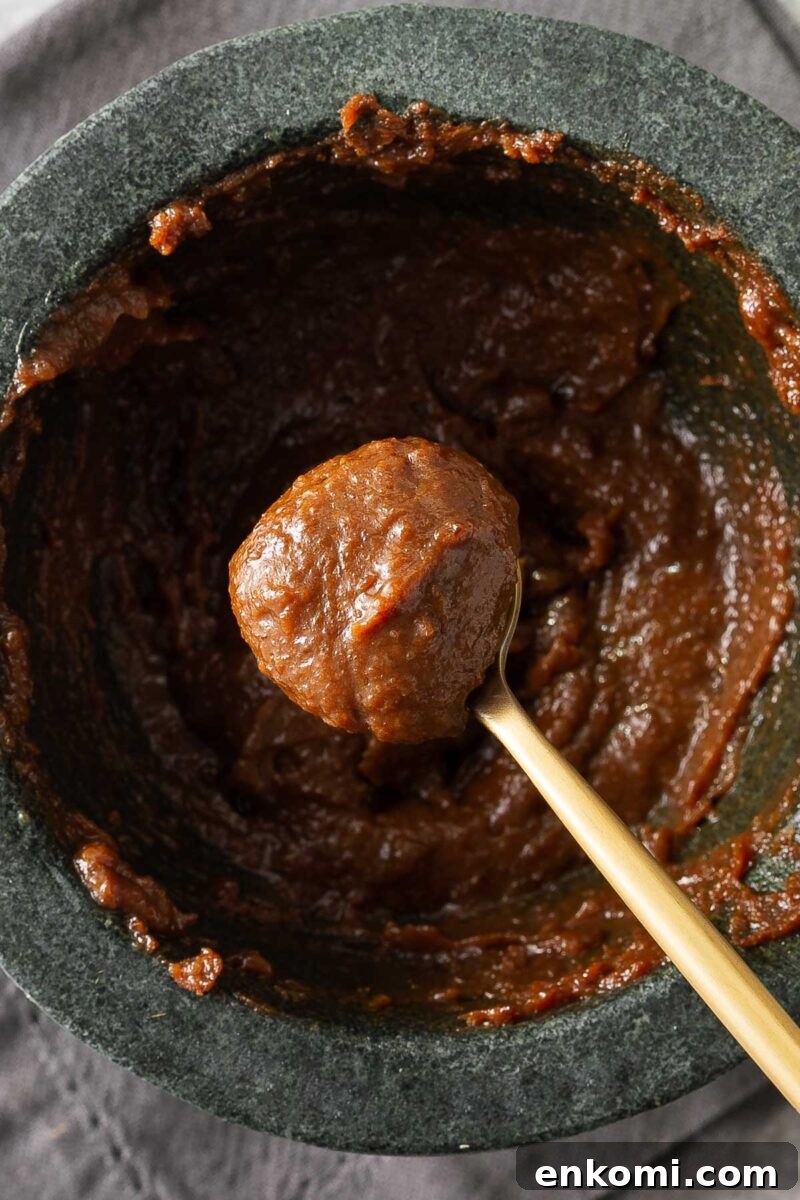
Store the homemade substitute in a clean airtight container in the refrigerator for up to two weeks and use clean utensils to scoop it out. Use it as a direct swap for miso in sauces and dressings; for soups and stews, adjust quantity to taste.
2. Soy sauce
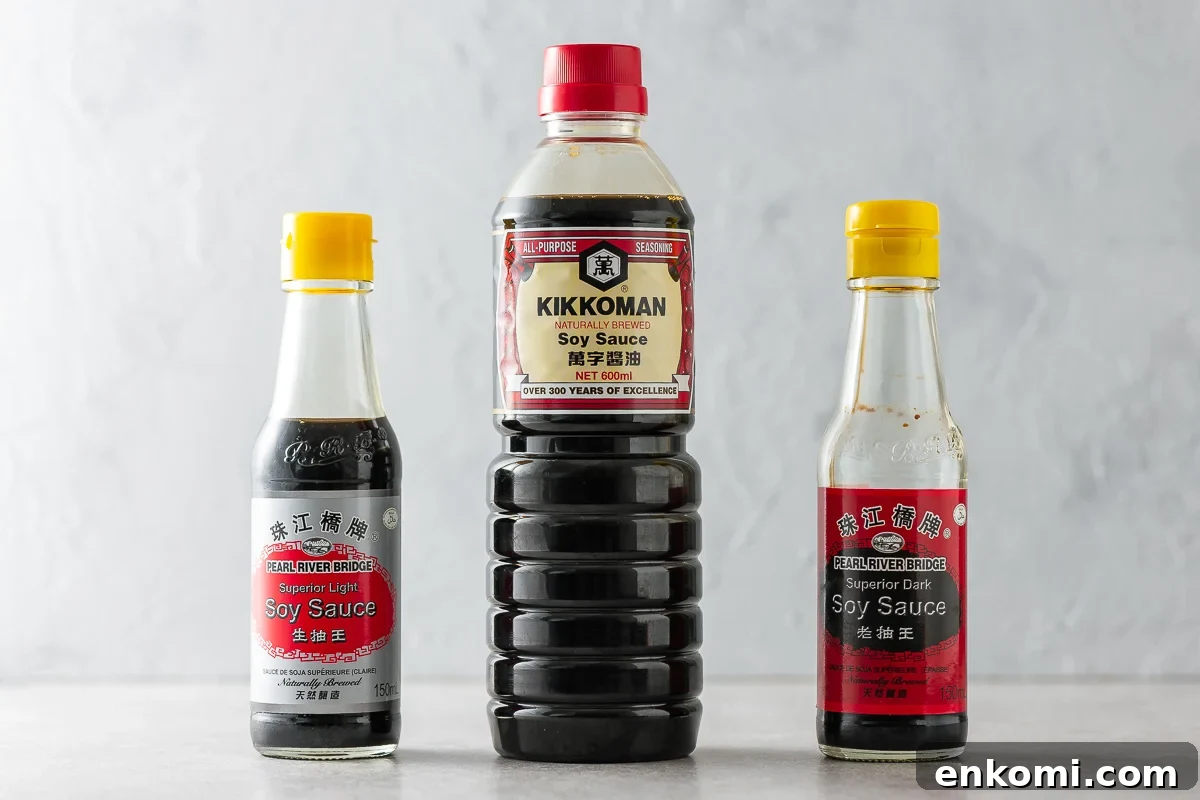
Soy sauce, shoyu or tamari are fermented soybean sauces that supply salty umami and are widely available. They lack miso’s sweetness and body, so add a touch of mirin or maple syrup and start with half the amount of miso called for, tasting and adjusting as you go.
3. Coconut aminos
Coconut aminos is a fermented coconut sap sauce that’s naturally gluten- and soy-free. It’s milder and slightly sweeter than soy sauce and can replace miso one-to-one; adjust with maple syrup for more sweetness or salt for savouriness as needed.
4. Doenjang
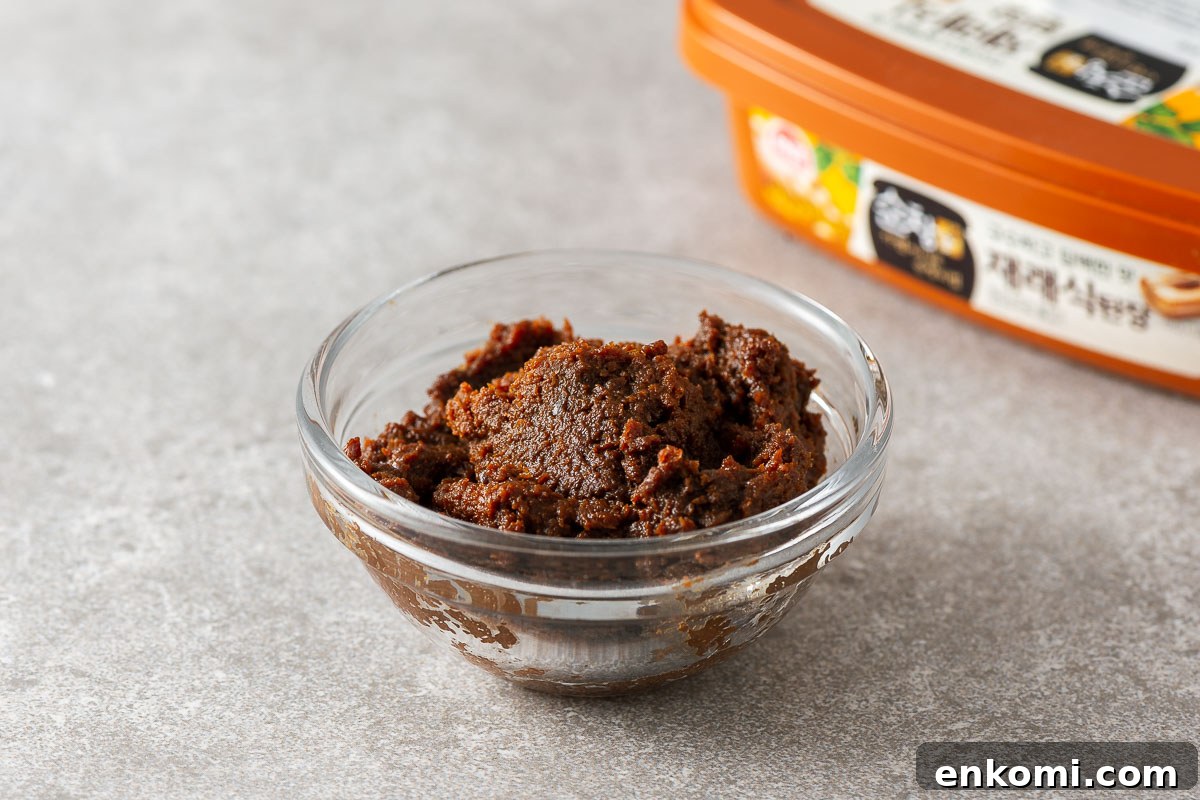
Doenjang is a Korean fermented soybean paste with a stronger, saltier and coarser profile than miso. It works well as a substitute if you thin or smooth it and use less—start with half the miso amount and add mirin or a sweetener to bring back some fruitiness.
5. Chinese soybean paste
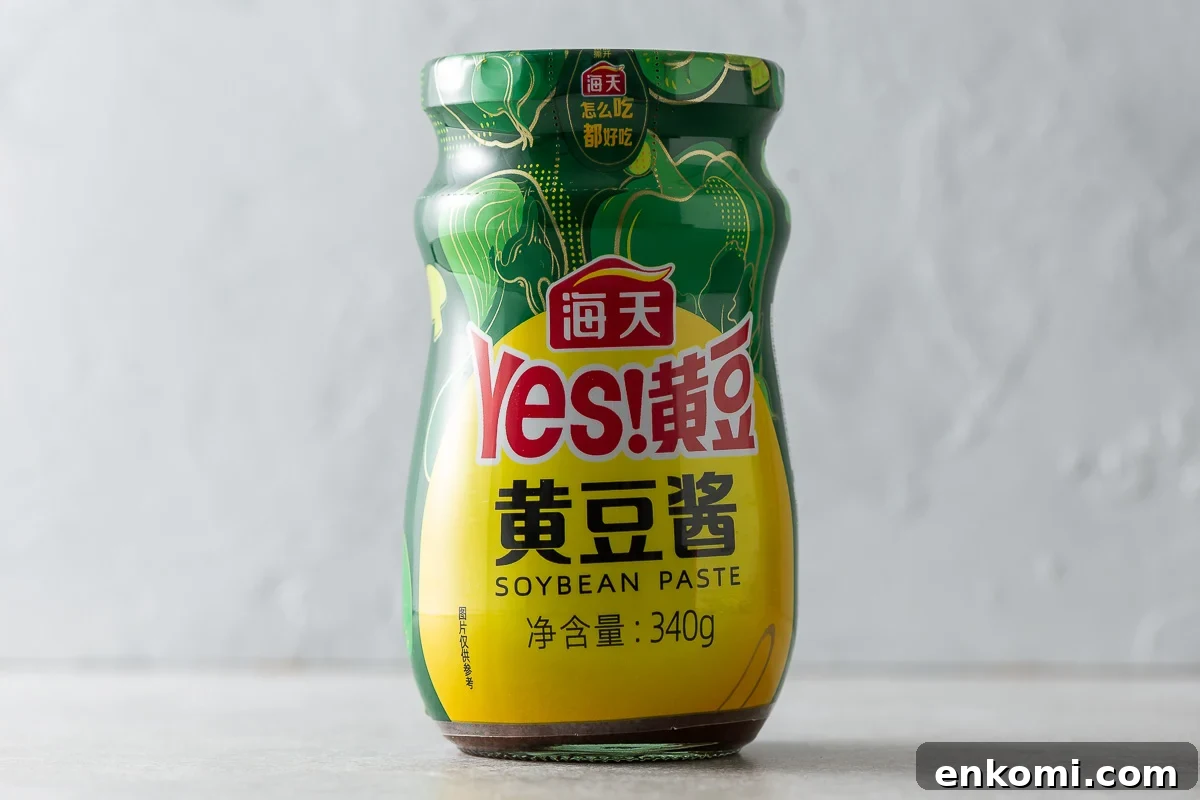
Chinese fermented soybean pastes vary regionally—ranging from salty and savory to sweet or spicy. Check the label and taste before substituting: salty umami pastes can be used 1:1 with added sweetness; sweet pastes require less quantity and extra salt; spicy pastes will change the dish’s profile intentionally.
6. Marmite
Marmite or Vegemite are yeast extracts with an intense salty, savory flavour. They can provide umami in soups, sauces and stews when used sparingly—start with half the amount and balance with a little sugar or mirin. Marmite is soy-free but no longer guaranteed gluten-free in some regions.
7. Salt
If nothing else is available, salt can stand in for miso’s primary role—seasoning. It won’t add fermentation complexity, but it’s unobtrusive. Begin with 1/4 teaspoon of salt for every teaspoon of miso and adjust to taste.
Worst miso substitutes (and not-so-great ones)
Some suggested substitutes diverge too much from miso’s profile. Use these cautiously or combine them with other ingredients if necessary.
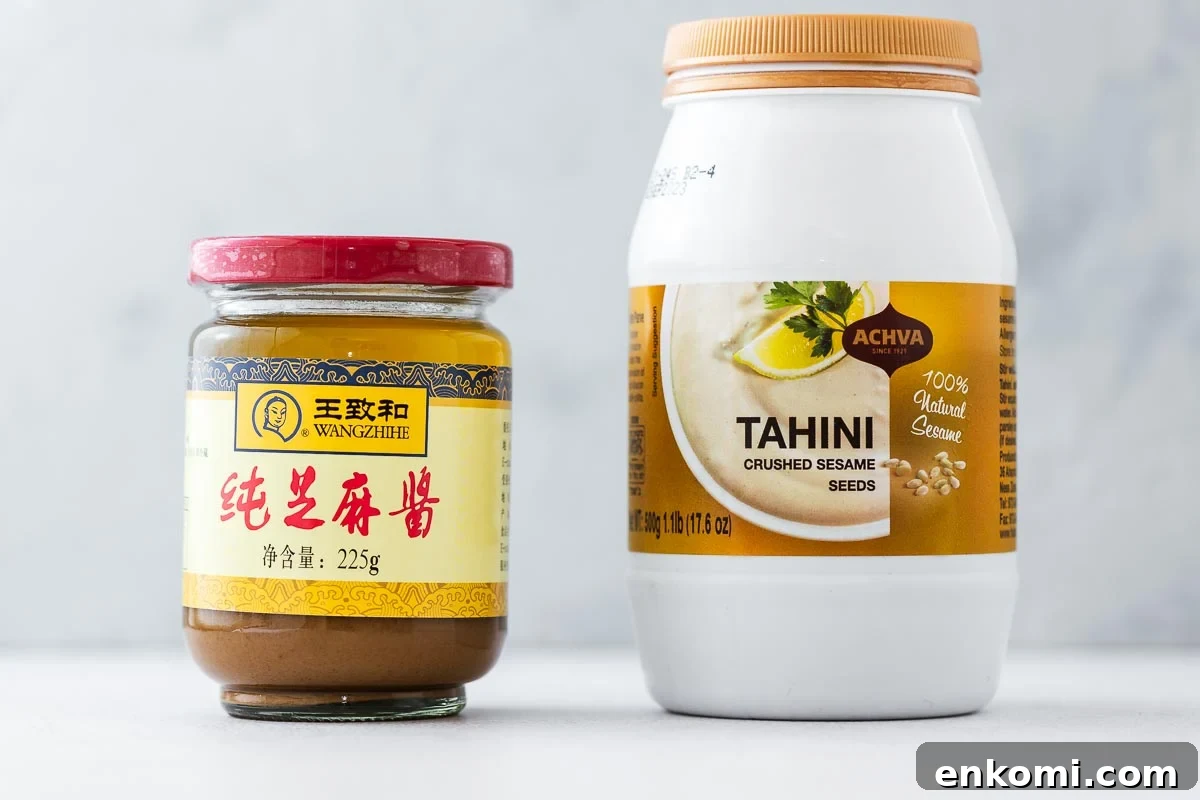
Tahini or sesame paste
Tahini and Chinese sesame paste bring earthiness and creaminess but lack fermented umami. They work in sauces and dips for texture, but to approach miso’s flavour you’ll need to add a savory fermented element like soy sauce or doenjang.
Fish sauce or anchovy paste
These are very fishy and can overpower dishes that rely on miso’s mellow fermentation character. They can be used intentionally for a seafood-forward profile, but they won’t mimic miso accurately in most recipes.
Dashi
Dashi is a delicate umami broth made from kelp and bonito flakes. It pairs beautifully with miso but cannot replace miso paste by itself. If you lack miso, add a splash of soy sauce and a bit of mirin to dashi to layer in umami and sweetness.
Tomato paste
Tomato paste provides umami but also acidity and a distinct tomato flavour and colour. It will produce a very different result; use it only if you’re intentionally creating a new flavour profile rather than replicating miso.
How to use miso paste
Miso adds umami, salt and depth. Ways to use it or your substitute:
- Make miso soup by blending miso with dashi, tofu, seaweed and vegetables.
- Create marinades and glazes for meats, fish and vegetables.
- Boost dressings and dipping sauces—miso tahini dressing is a versatile example.
- Stir a spoonful into cooked rice or grains for savory richness.
- Experiment in baking: small amounts of miso can deepen sweet treats like cookies or caramel sauces.
- Make miso butter by combining softened butter with miso for a savory finish on bread or vegetables.
Frequently asked questions
Soy sauce shares miso’s salty umami, but lacks the sweet, fruity and slightly fermented notes. Adding a splash of mirin or a touch of sweetener gets you closer to miso’s flavour.
Use coconut aminos with a splash of mirin or a little sweetener. Marmite mixed with sesame paste and a pinch of sugar can work as a soy-free option in a pinch.
There isn’t an exact equivalent, but Chinese fermented soybean pastes like dòubàn jiàng or huángdòu jiàng provide similar umami depth; they typically lack koji’s sweet, fruity character.
Miso is made from soybeans, koji (usually rice or barley), salt and water, fermented until it develops its characteristic savoury and slightly sweet taste.
Miso is versatile: use it in soups, sauces, dressings, marinades, glazes, grain dishes and even in small amounts in baking to deepen flavour.
More recipes with miso paste
- Miso butter
- Miso caramel sauce
- Japanese-style miso scrambled eggs
- Miso tahini dressing
- All-purpose miso sauce
- Miso mayo dipping sauce
- Miso lime salad dressing
- Nasu dengaku (Japanese miso eggplant)

Homemade Miso Substitute
Ingredients
- 2 tablespoons doenjang , or another savory fermented soybean paste, or soy sauce*
- 1 to 2 tablespoons tahini , or nut butter (optional)*
- 2 to 3 teaspoons mirin
- ¼ teaspoon salt , or to taste
Instructions
-
If your fermented soybean paste is coarse (like doenjang), grind it smooth in a mortar and pestle. If using a smooth paste or soy sauce, place it in a small bowl.
-
Add 1 tablespoon tahini for a red miso-style substitute, or 2 tablespoons for a creamier, white miso-style substitute.
-
Stir in 2 teaspoons mirin for a red-style blend or 3 teaspoons for a white-style blend. Add salt to taste or season the final dish as needed.
-
Store in a clean airtight container in the refrigerator for up to two weeks.
Notes
- Korean doenjang is coarser and more intense than miso; smooth and adjust salt and sweetness when using as a substitute.
- Soy sauce can replace the fermented paste in this recipe but will yield a thinner texture.
- Omit tahini for soup and stew applications if you prefer a lighter consistency; include it for sauces and dressings to match miso’s body.
Love miso paste as much as I do?
Try other Asian-inspired recipes that highlight savory fermented flavours or versatile condiments.
- Gochujang tofu (spicy Korean braised tofu)
- Gyeran bap (Korean egg with rice breakfast)
- Mayak gyeran (Korean soy-marinated eggs)
- Chinese tomato egg stir-fry
- Silken tofu with spicy soy dressing