
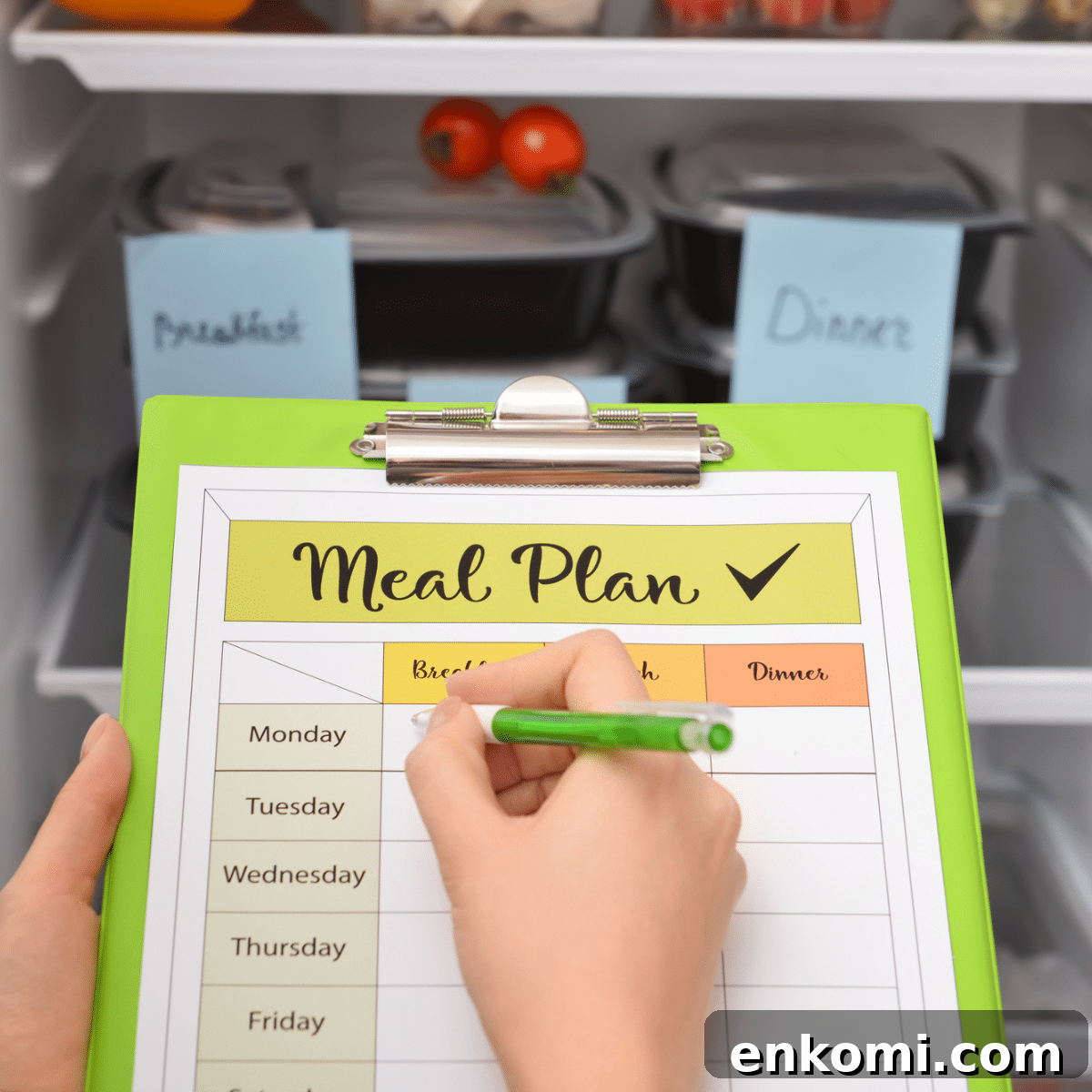
What should I cook today? Rice with vegetables or macaroni with chicken nuggets? When was the last time my kids had a truly balanced meal? These questions run through many parents’ minds. Busy routines — cooking, working, errands — can make daily meal decisions feel repetitive and stressful. This guide offers a practical approach: build a reliable meal plan that fits your family’s needs, saves time and money, and helps everyone eat better. Read on for simple advice and an example weekly menu to get you started.
Top 8 Tips For A Successful Single Mom Meal Plan
A good meal plan is tasty, nutritious, and realistic to prepare on a busy schedule. It helps when ingredients overlap so you avoid half-used jars and unnecessary grocery trips. The goal is kitchen harmony: predictable shopping lists, faster meal prep, and healthier choices. Here are eight practical tips to make a meal plan that works for your household.
1. Make A Meal Plan
Start by listing family favorites and balanced meals that include vegetables, a protein source, and a healthy fat. Organize dishes by day and mealtime so shopping and prep are straightforward. Display the plan on a fridge or a small wall calendar so everyone knows what to expect. Having a written plan reduces last-minute decisions and speeds up grocery shopping.
Consider the nutritional value of each meal, aiming to include vitamins, minerals, and energy to support growing kids and busy adults. Thinking of food as fuel for health encourages intentional choices and helps children learn balanced eating habits over time.
2. Check The Freezer
Inventory your freezer before planning the week. Freezer-friendly items are lifesavers and can form the basis of several meals, saving money and preventing waste. Take note of ingredients that need to be used soon and plan meals around them to reduce last-minute grocery runs.
3. Order Products Online To Save Time
Grocery delivery can reclaim hours each week. Start by ordering nonperishable and familiar fresh items like vegetables, dairy, fruit, and bread. As you grow more confident with the service, add meat and fish. Regular delivery can free up time for meal prep, rest, or family activities.
4. Use Helpful Apps
Meal-planning and recipe apps can generate shopping lists, suggest recipes based on ingredients you already have, and help track calories or special dietary needs. For inspiration, explore apps and cooking websites or creative platforms to find new ideas, life hacks, and simple ways to stretch a few ingredients into multiple meals.
5. Let Kids Help
Involving children in meal tasks teaches them responsibility and practical skills while making mealtime more enjoyable. Younger kids can wash vegetables or arrange plates; older children can peel, measure, or stir. Tailor tasks to their age, praise their efforts, and use these moments to build confidence and family connection.
6. Account For Allergies, Picky Eaters, And Portions
Offer a variety of foods and let children choose what and how much to eat. For families managing allergies or special diets, consult a healthcare professional and add suitable recipes to your plan. Consistency and variety help nurture healthy habits without stress.
7. Create Themed Days
Themed nights add fun and variety. Try cuisines from different countries, taco Tuesdays, or pizza night. Seasonal themes and holidays are great opportunities for simple decorations, special snacks, or themed recipes that build family memories and keep mealtime exciting.
8. Take One Day Off Per Week
Schedule a no-cook or low-effort day each week. Order takeout, assemble sandwiches, reheat freezer meals, or enjoy a picnic. A regular break prevents burnout, refreshes your creativity, and reminds you that meals should enhance life, not dominate it.
Example Of A Weekly Meal Plan
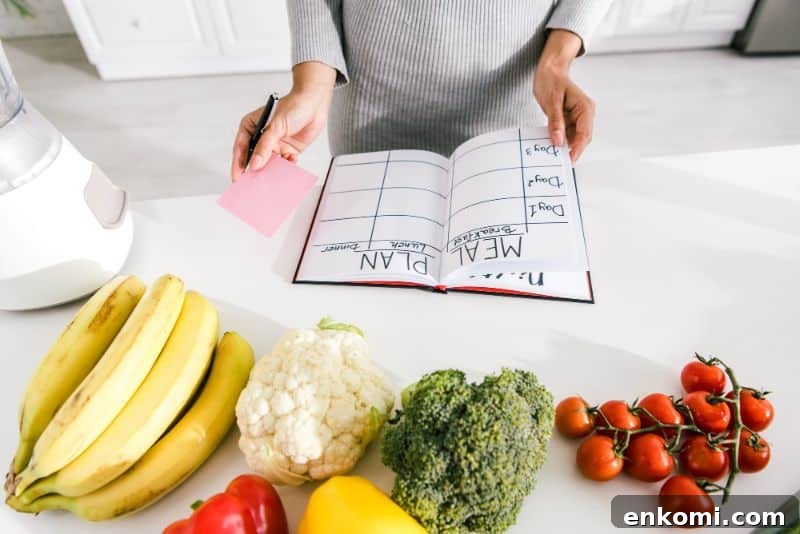
This sample plan shows how simple, balanced meals can fit into a busy week. Adjust portion sizes, swap ingredients to suit preferences, and repeat favorites to simplify shopping and prep.
#1 Monday
- Breakfast: Oatmeal with sliced banana and honey.
- Lunch: Cheese sandwich with carrot sticks.
- Snack: Greek yogurt with berries.
- Dinner: Grilled chicken breast, steamed broccoli, and brown rice.
#2 Tuesday
- Breakfast: Eggs with cheese and whole-grain toast.
- Lunch: Quinoa salad with mixed vegetables.
- Snack: Apple slices with yogurt.
- Dinner: Baked salmon, garlic sweet potato, and a side salad.
#3 Wednesday
- Breakfast: Pancakes with yogurt.
- Lunch: Chicken noodle soup and a small side salad.
- Snack: Hummus with cucumber and bell pepper slices.
- Dinner: Pasta with tomato-based marinara and lean ground meat.
#4 Thursday
- Breakfast: Yogurt with granola and mixed berries.
- Lunch: Tuna salad sandwich and cherry tomatoes.
- Snack: A handful of almonds and a piece of fruit.
- Dinner: Brown rice with mixed sautéed vegetables.
#5 Friday
- Breakfast: Pancakes with cottage cheese and strawberries.
- Lunch: Veggie wrap with tomato, cucumber, and hummus.
- Snack: Cheese and whole-grain crackers.
- Dinner: Grilled shrimp, quinoa, and roasted asparagus.
#6 Saturday
- Breakfast: Scrambled eggs with cheese and salsa.
- Lunch: Salad with grilled chicken.
- Snack: Banana and apple.
- Dinner: Homemade pizza topped with mushrooms, vegetables, and cheese.
#7 Sunday
- Breakfast: French toast and an omelet.
- Lunch: Lentil soup with rustic bread.
- Snack: Carrot sticks with a simple dip.
- Dinner: Roast beef, mashed potatoes, and steamed carrots.
Conclusion
Creating a meal plan takes a little time at first but pays off in reduced stress, fewer grocery trips, and healthier, more enjoyable family meals. Involve your children, keep meals varied but simple, and allow for a weekly break. With consistency and a few helpful tools, you can build a sustainable routine that supports both practical needs and family well-being. Enjoy the process and the extra time you gain for what matters most.