
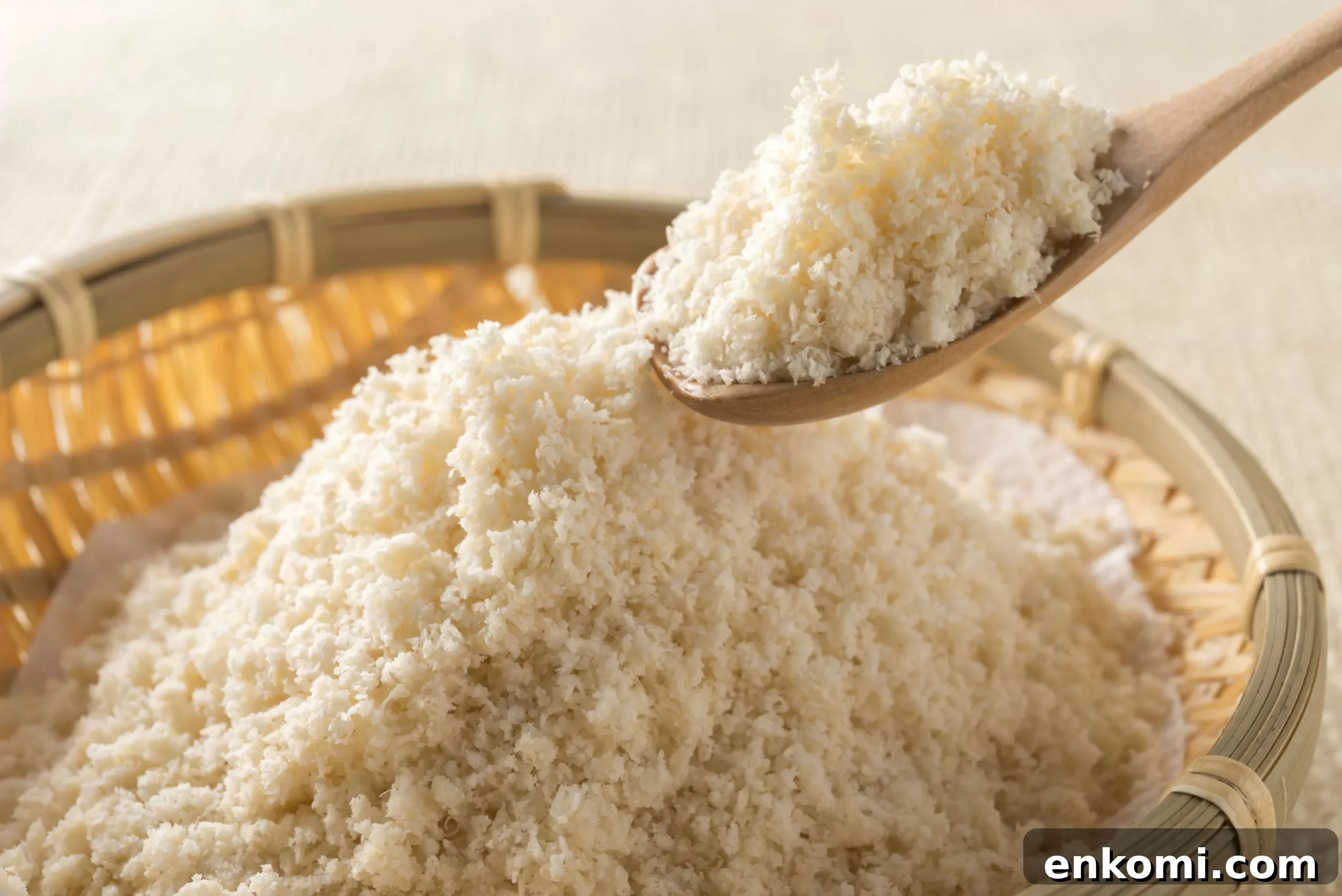
Okara flour is produced from soybean pulp and is generally stable, but it can deteriorate if stored improperly.
When stored under ideal conditions, unopened okara flour typically lasts 9–18 months, depending on the brand. After opening, use it within 3–6 months for best quality.
Below you’ll find guidance on shelf life, signs of spoilage, storage methods, and common questions about okara flour.
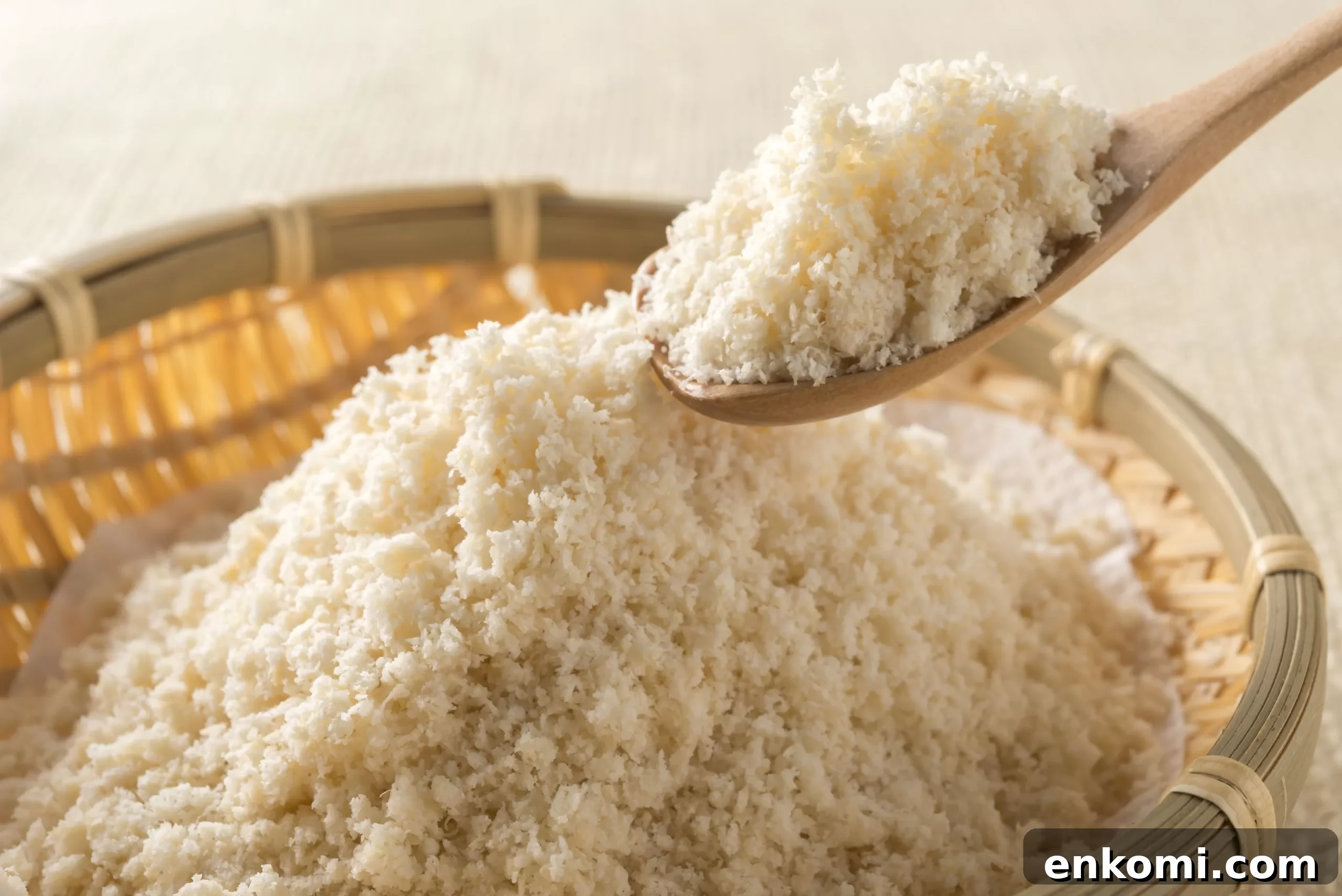
What is the shelf life of okara flour?
Unopened okara flour stored in a cool, dry place away from direct sunlight and moisture will generally remain fresh for about 9 to 18 months. Brands vary in their processing and packaging, so always check the manufacturer’s label for specific recommendations.
How long does okara flour last after opening?
Once opened, aim to use okara flour within 3 to 6 months for optimal flavor and performance in recipes. Some brands recommend refrigeration after opening—follow the label’s instructions. If refrigerating, keep the flour in an airtight container or bag to prevent moisture absorption and clumping.
Freezing okara flour is another option to prolong freshness; properly sealed, it can last 6 to 12 months in the freezer. Use airtight packaging to avoid freezer odors and moisture intrusion.
| Pantry | Fridge | Freezer | |
| Sealed okara flour | 9-18 months | 9-18 months | 9-18 months |
| Open okara flour | 3-6 months | 3-6 months | 6-12 months |
Can you use okara flour after its expiration date?
Okara flour is often labeled with a “best by” or “use by” date indicating peak quality. It does not automatically become unsafe immediately after that date. Properly stored okara flour can still be used past its printed date, although flavor and nutritional quality may decline over time.
Assess the flour with your senses: if it looks, smells, and tastes normal, it is probably usable. If you detect an off odor, discoloration, or any other signs of spoilage, discard it.
How to tell if okara flour has gone bad
Signs that okara flour has spoiled are usually easy to spot. Look for the following:
- An unpleasant, rancid, or sour odor. Fresh okara flour has a mild, neutral scent.
- Moisture damage or clumping. Powdery texture should remain dry and free-flowing.
- Color changes, dark spots, or visible mold.
- A bitter or off taste if you sample a small amount. If any of these signs are present, throw the flour away.
What’s the danger in using okara flour after it’s gone bad?
Using spoiled okara flour may cause digestive upset and will negatively affect the taste of your dishes. Spoiled flour can harbor mold or bacteria that could lead to foodborne illness if consumed in significant amounts. Because replacement cost is low, it’s safer to discard any okara flour that shows signs of spoilage.
If you need a substitute, soy flour or regular all-purpose flour can often replace okara flour in many recipes.
Best storage practices for okara flour
Follow these tips to keep okara flour fresh as long as possible:
- Transfer opened flour to an airtight container if it didn’t come in resealable packaging. This prevents exposure to air and moisture.
- Store in a cool, dry place away from heat and sunlight. A pantry or cabinet works well.
- For long-term storage, refrigerate or freeze in airtight containers or heavy-duty freezer bags. Remove excess air before sealing.
- Label containers with the date of opening or freezing to track freshness.
- Keep utensils and hands dry and clean to avoid introducing moisture or contaminants.
- If the flour has clumped from minor moisture exposure, break it up with a fork or pass it through a sieve before using.
FAQs:
Wet okara—the pulp left after making soy milk—keeps for a much shorter time than okara flour. Refrigerated, wet okara lasts about 3–5 days; frozen, it can keep for several months when stored in an airtight container.
Yes. Okara flour is nutritious, providing protein, fiber, and minerals such as calcium and iron. It is naturally gluten-free, making it suitable for many dietary needs.
No. Raw okara flour can contain anti-nutrients and enzymes that are reduced or eliminated through cooking or baking, so it should be cooked before consumption.
Okara flour has a mild, slightly nutty flavor with a subtle bean undertone, which makes it versatile for both sweet and savory recipes.