
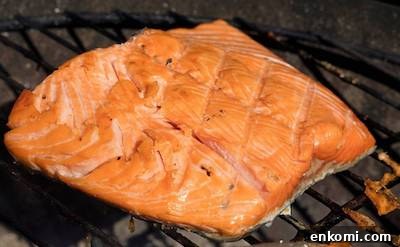
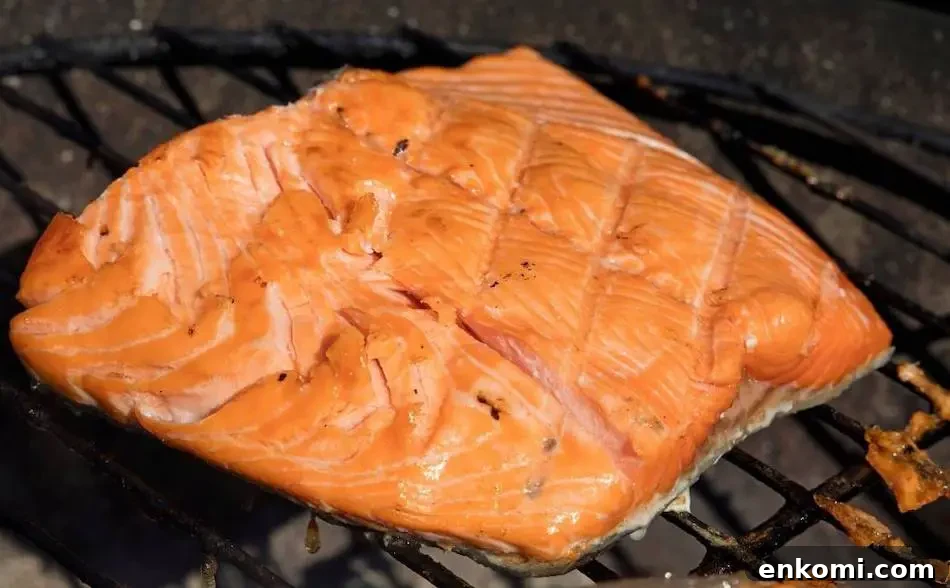
Smoking salmon is a simple way to elevate its flavor and texture. Whether you’re new to smoking or refining your technique, understanding temperatures, timing, and basic preparation will help you produce consistent, delicious results. Below we outline recommended approaches, brining, wood choices, and tips for a successful smoked salmon.
Generally, smoking salmon at 220°F takes about an hour, while lower-temperature smoking around 170–180°F can take several hours and yield a deeper smoke flavor. Cooking time and final texture depend on smoker temperature and fillet size. Always follow safe food handling and verify the salmon reaches a safe internal temperature before serving.
| Temperature | Cook Time | Flavor | Texture |
|---|---|---|---|
| 180°F | About 5 hours | More smoky | Moist |
| 220°F | About 1 hour | Milder smoke | Crispy skin (if left on) |
Key Points
- Cook time varies with smoker temperature and the size and thickness of the salmon.
- Expect roughly 1 hour at 220°F and several hours at lower temperatures like 170–180°F.
- Higher temperatures shorten cook time and can crisp skin; lower temperatures deepen smoke penetration and change texture.
- Salmon can be smoked safely between about 170°F and 220°F, but avoid the USDA “danger zone” around 140°F where bacterial growth accelerates.
- Always cook to a safe internal temperature rather than relying solely on time.
For a basic wet brine, you’ll need salmon, salt, sugar, and water. Dissolve the salt and sugar in water, cool the solution, and submerge the salmon for roughly 1–2 hours (do not over-brine). Remove, pat dry, and let the fish rest on a rack to form a tacky pellicle for up to 2 hours before smoking.
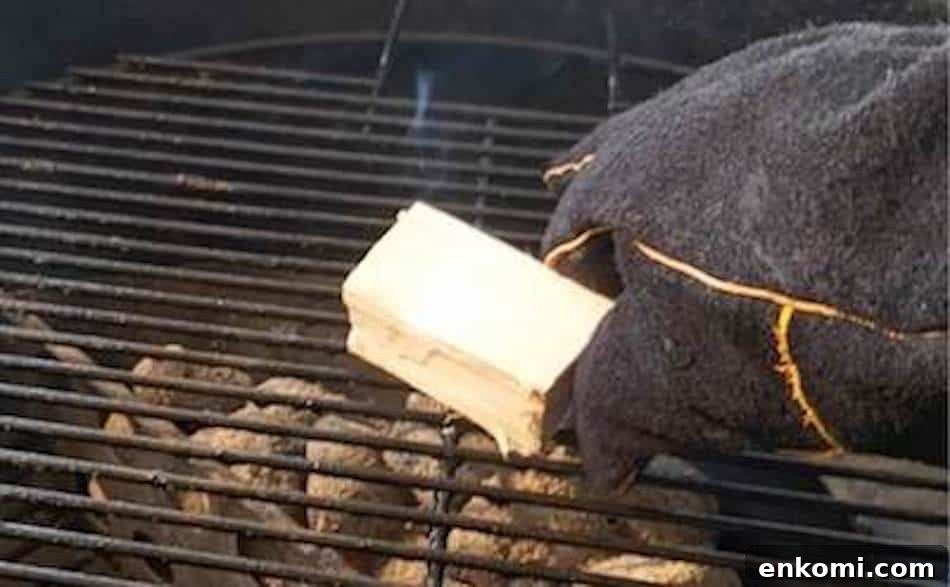
On a kettle grill, use a two-zone setup with charcoal and a few wood chunks for smoke. Light briquettes in a chimney starter, arrange them to heat one side of the grill, stabilize vents, and target a smoker temperature appropriate for your chosen cook style. Add wood chunks shortly before placing the salmon in the smoker.
Smoking Salmon Between 170°F and 220°F
There’s flexibility in smoking salmon. Cooking between roughly 170°F and 220°F will all produce good results; the main differences are time and texture. At lower temperatures you’ll get more smoke flavor but a longer cook time. At higher temperatures you’ll reduce cook time and can crisp the skin. For safety, avoid prolonged exposure in the 40–140°F “danger zone.”
Salmon at 220°F
At 220°F a typical fillet takes about an hour to reach a done state. The skin, if left on, can crisp nicely. Because the salmon spends less time exposed to smoke, the smoke flavor is milder than when cooking at lower temperatures.
Salmon at 170°F
Cooking at 170°F (or similar low temperatures) means the salmon will spend several hours in the smoker, absorbing more smoke and developing a deeper flavor. The trade-off is that the skin won’t crisp the way it does at higher temperatures.
Smoked Salmon on a Kettle Grill
Slow smoked salmon using charcoal and wood for gentle smoke and moist texture.
20 minutes
5 hours
10 minutes
5 hours 30 minutes
Ingredients
- Salmon
- 1 cup of salt
- 1/4 cup of sugar
- 1 gallon of water
Instructions
- The Brine
Dissolve the salt and sugar in water and cool the solution. Submerge the salmon for about 1–2 hours (do not over-brine). Remove and pat dry. Place on a rack to air-dry and allow a pellicle to form for up to 2 hours. - Smoking The Salmon
Set up a kettle with charcoal for indirect heat. Light briquettes in a chimney starter and arrange them to heat one side of the grill. Stabilize the vents and bring the smoker to the target temperature (for example 250–275°F for a hotter smoke). Add a few wood chunks for flavor just before placing the salmon on the grate. Maintain consistent temperature and smoke until the salmon reaches the desired internal temperature.
Nutrition Information:
Amount Per Serving:
Calories: 117
Measure With a Thermometer
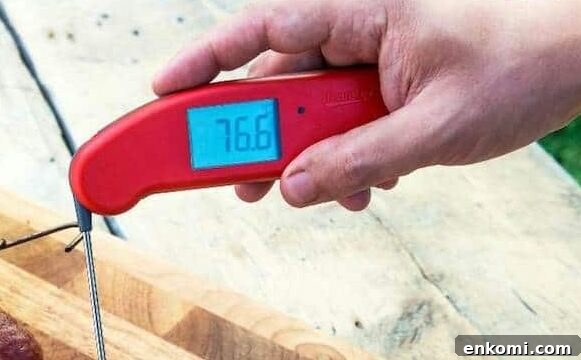
Never rely solely on a smoker’s built-in gauge; invest in a reliable thermometer. Factory-installed gauges can be off by a wide margin. If you suspect inaccuracy, perform a simple ice-bath or boiling-water test to check calibration. Good thermometers are available at reasonable prices and are essential when smoking at lower temperatures.
When is it Done? How To Tell When Salmon Is Cooked
Two reliable indicators tell you when salmon is done:
- Internal temperature: The USDA recommends cooking fish to 145°F. Use an instant-read thermometer for a quick, accurate check.
- Flakiness and surface juices: Salmon will begin to flake when gently pressed and may show a white, protein-rich ooze; this typically indicates it is nearly done.
When smoking, always prioritize internal temperature over time for consistent, safe results.
Skin On or Skin Off?
Both approaches work; choose based on handling and texture preferences:
- Skin on: Keeps the fillet intact and protects the flesh during cooking. At higher temperatures the skin can crisp and add texture.
- Skin off: Allows smoke to penetrate the entire piece more evenly but can make the fillet more fragile and prone to breaking.
Best Wood For Salmon
Use mild woods that complement salmon’s delicate flavor. Fruit woods like apple and cherry are excellent; pecan and maple are also good choices. Avoid strong woods like hickory or mesquite unless used sparingly and blended with milder woods, as they can overpower the fish.
Should You Brine Salmon?
Brining improves flavor and helps retain moisture. There are two common methods:
- Dry brine: Sprinkle coarse salt (kosher or sea salt) on both sides, refrigerate on a rack for at least 2 hours, and then rinse or pat dry. This adds flavor and firmer texture.
- Wet brine: Dissolve salt in water (and sugar if desired) and soak salmon for a limited time to avoid over-salting. Wet brining adds flavor and moisture retention.
Wet Brining the Salmon
For a simple wet brine, dissolve 1 cup of salt and 1/4 cup of sugar in 1 gallon of water. Submerge the salmon for up to 2 hours, remove, pat dry, and place on a drying rack for about an hour to form a pellicle (no more than 2 hours). The pellicle helps smoke adhere and protects the flesh during the cook.
- Dissolve 1 cup salt and 1/4 cup sugar in 1 gallon water for a basic wet brine.
- Soak salmon no longer than 2 hours, then pat dry and air-dry to develop a pellicle.
- Apply a glaze in the final 10 minutes of cooking if desired—use a sauce that complements fish and avoid burning it.
Apply a Glaze
Brush a glaze on during the last 10 minutes of the cook to add shine and flavor. Choose a sauce that pairs well with fish—Asian-inspired or sweet glazes work well. Apply sparingly and watch carefully to prevent charring.
The Science Behind Smoking Salmon
Smoking combines gentle heat, time, and wood smoke to change texture and flavor. The pellicle formation, smoke absorption, and controlled temperature all contribute to the final result. For those curious about deeper science or demonstrations, there are many videos and resources from experienced pitmasters and food scientists.
My Favorite Meat Smoking Tools
Reliable thermometers and good tools make smoking easier and more predictable. A dual-probe thermometer for smoker and meat, a fast instant-read thermometer, and a stable heat source are worth the investment for repeatable results.
Meat Thermometers – Your Most Important Tool
Choosing a quality thermometer is essential when smoking salmon. Instant-read devices provide quick checks during the final stages, and probe thermometers monitor progress without opening the smoker. Cooking to internal temperature ensures safety and consistency.