
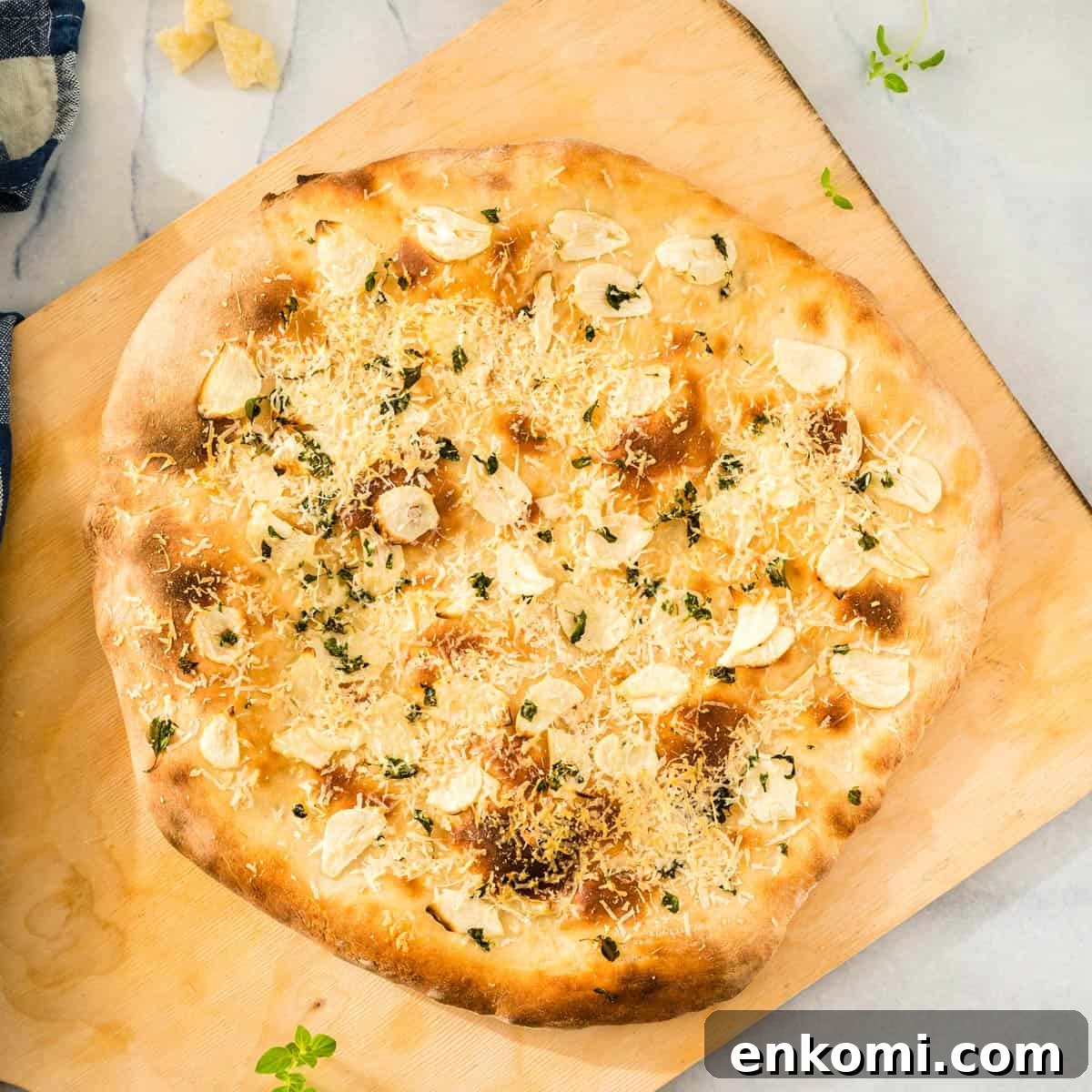
Garlic pizza is one of my favorite homemade pizza recipes. With this simple method and just a few ingredients, you can make an exceptional pizza at home that tastes far better than anything from a box.
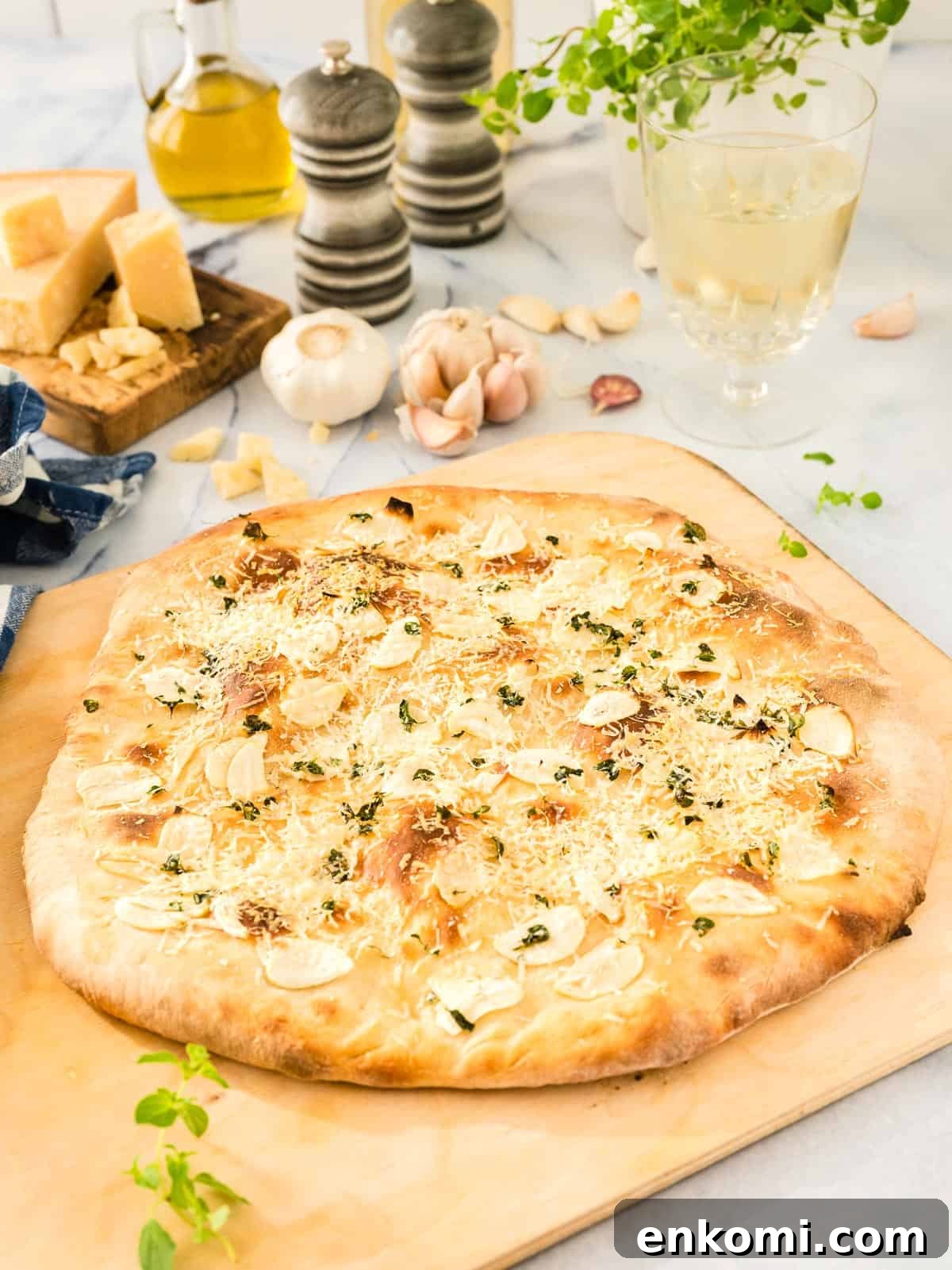
Best of all, this garlic pizza is affordable and easy to prepare in your own kitchen. Read on for a straightforward recipe and tips to help you bake a fresh, flavorful pizza from scratch.
Table of Contents
- ℹ️ About this garlic pizza
- 🧄 Ingredients and notes
- 🍕 How to make garlic pizza
- ↔️ Substitutions and variations
- 🤔 Common recipe questions
- 😋 How to reheat leftover pizza
- ❤️ Pizza love
- More delicious homemade pizza recipes
- 📋 Garlic Pizza Homemade Pizza Dough Recipe
ℹ️ About this garlic pizza
When I was a child, pizza usually meant a boxed kit with a small can of sauce and a packet of cheese. Those Sunday-night boxed pizzas felt special then, but making pizza from scratch takes that nostalgia to a new level. This garlic pizza keeps things simple and relies on fresh ingredients, which is exactly why it stands out.
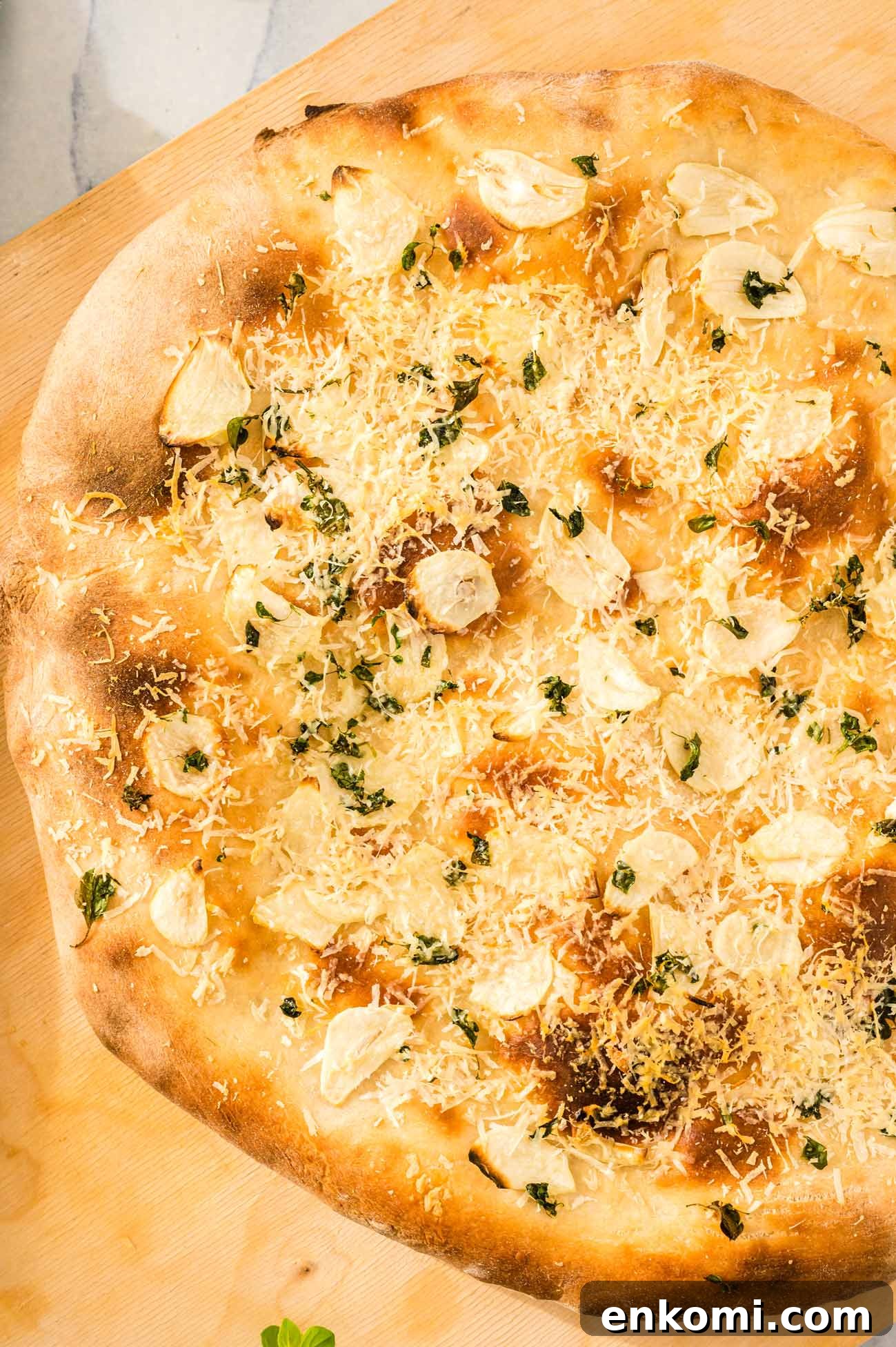
Two key differences make this garlic pizza especially good: it’s made from scratch, and it uses fresh ingredients. The foundation of a great pizza is the crust, and making your own dough at home yields the best results. A simple homemade crust gives you control over texture and flavor and can be adapted to your preferences.
Over the years I’ve refined a dough I love—elastic, slightly moist, and easy to stretch. The method below will help you make that kind of crust, whether you knead by hand or use a mixer.
🧄 Ingredients and notes
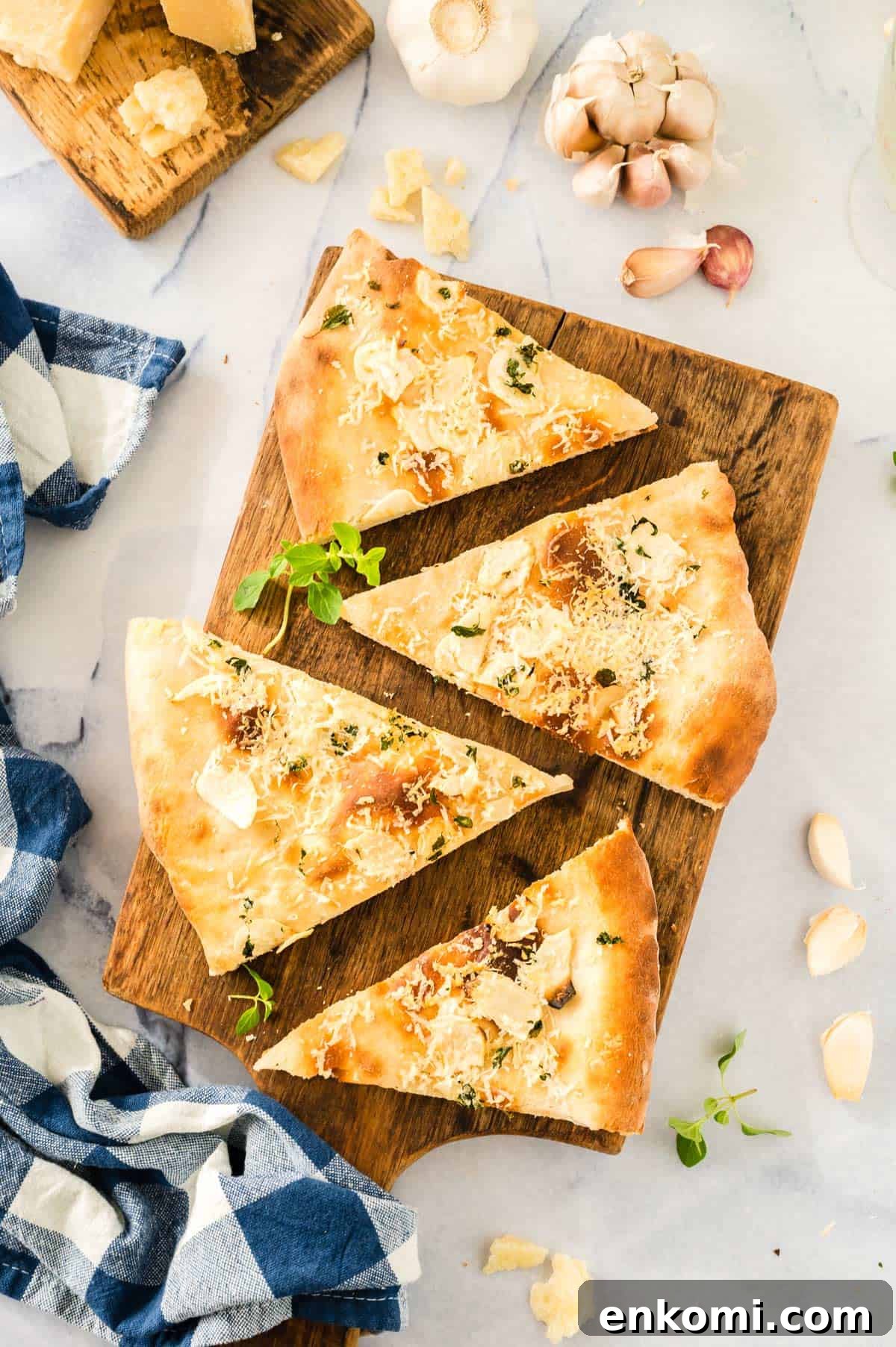
This garlic pizza uses a basic homemade dough plus a few fresh toppings. The dough contains flour, yeast, salt, olive oil, and a touch of honey or sugar. For the toppings, thin slices of fresh garlic, coarsely chopped oregano, and freshly grated Parmesan make a bright, savory pizza.
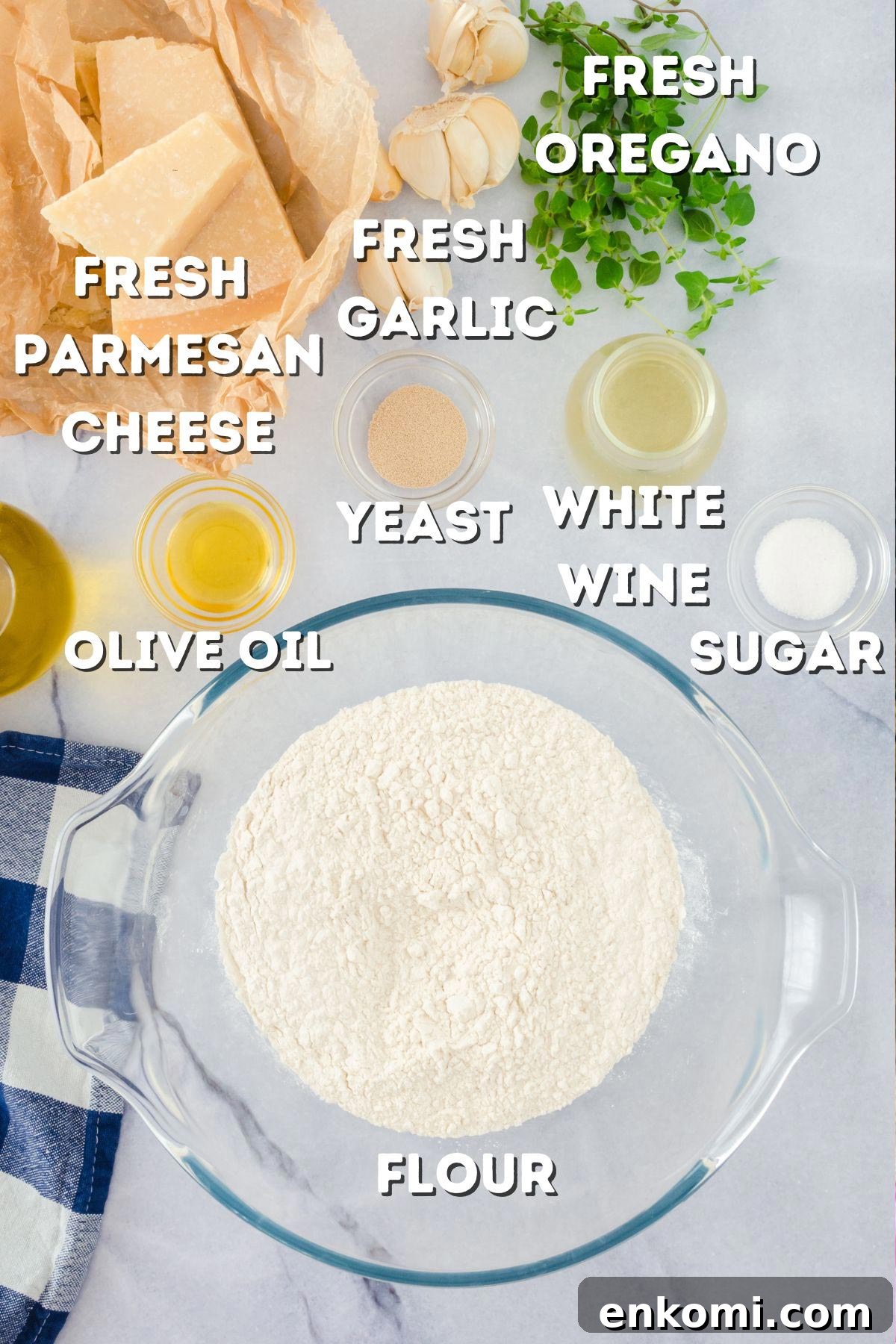
- Flour: All-purpose flour makes a classic crust. You can experiment with whole wheat or gluten-free blends if preferred.
- Salt: Enhances flavor and regulates yeast activity; kosher salt works well.
- White wine: Adds subtle sweetness and depth; substitute water if preferred.
- Extra virgin olive oil: Contributes flavor and helps brown the crust.
- Honey or sugar: A small amount feeds the yeast and adds balance; honey is my preference.
- Yeast: Active dry yeast leavens the dough—be sure to proof it first if it’s been stored a long time.
- Milk (optional): Adds richness; you can also use more wine or water.
- Fresh oregano leaves: Coarsely chopped for a fragrant, herbal finish.
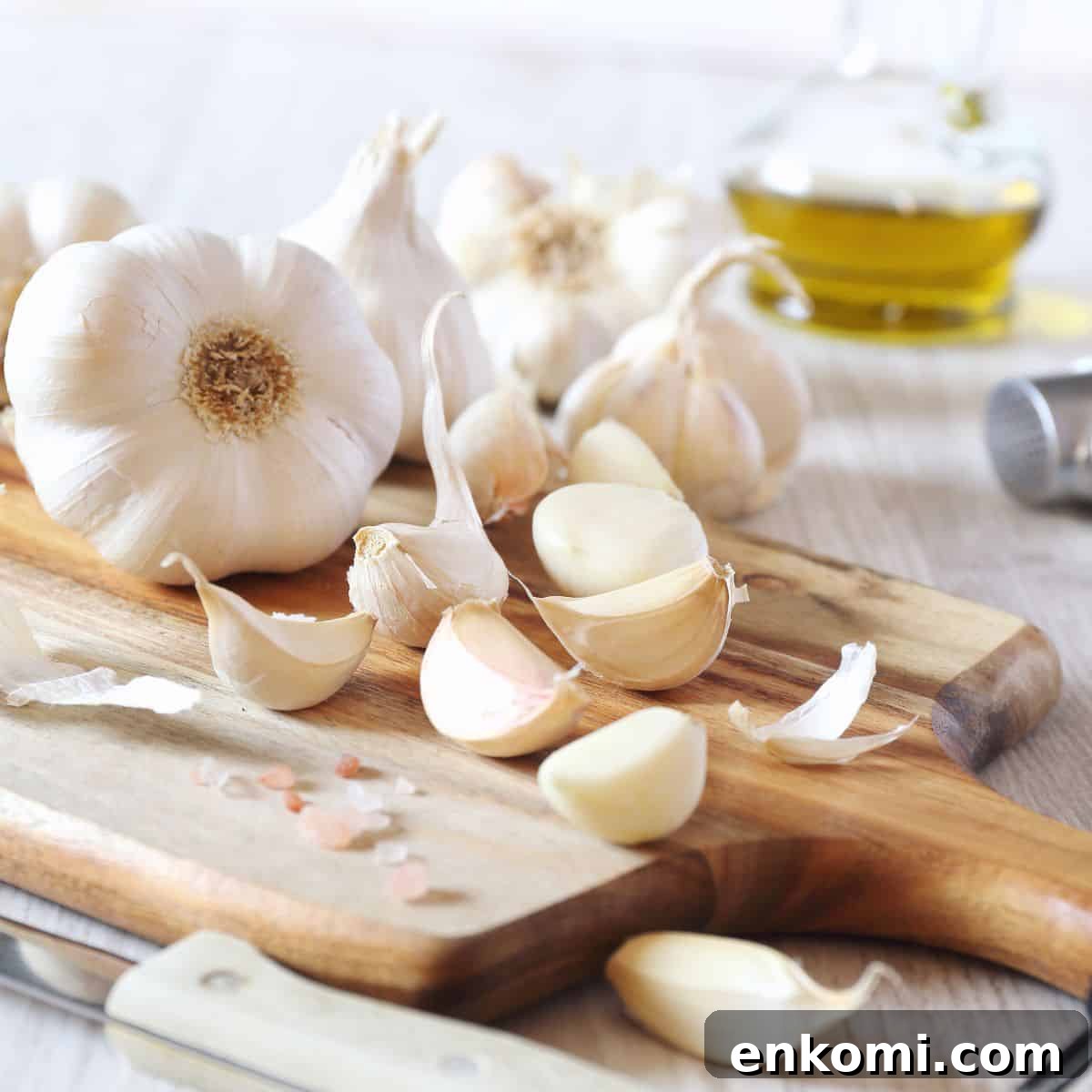
- Garlic: Thinly sliced fresh cloves provide the signature pungent flavor.
- Parmesan cheese: Freshly grated for finishing the pizza.
Pro Cooking Tip: Proof the Yeast
Always proof your yeast before mixing the dough to ensure it is still active. Dissolve the yeast in a little warm water with a pinch of sugar and wait a few minutes—if it bubbles and foams, it’s good to use.
🍕 How to make garlic pizza
(Full recipe card is at the end of this post.)
The process is straightforward: prepare the dough, let it rise, shape the crust, and add the garlic and oregano near the end of baking so their flavors remain fresh. If you’re using a store-bought crust, skip the dough steps and proceed to topping and baking.
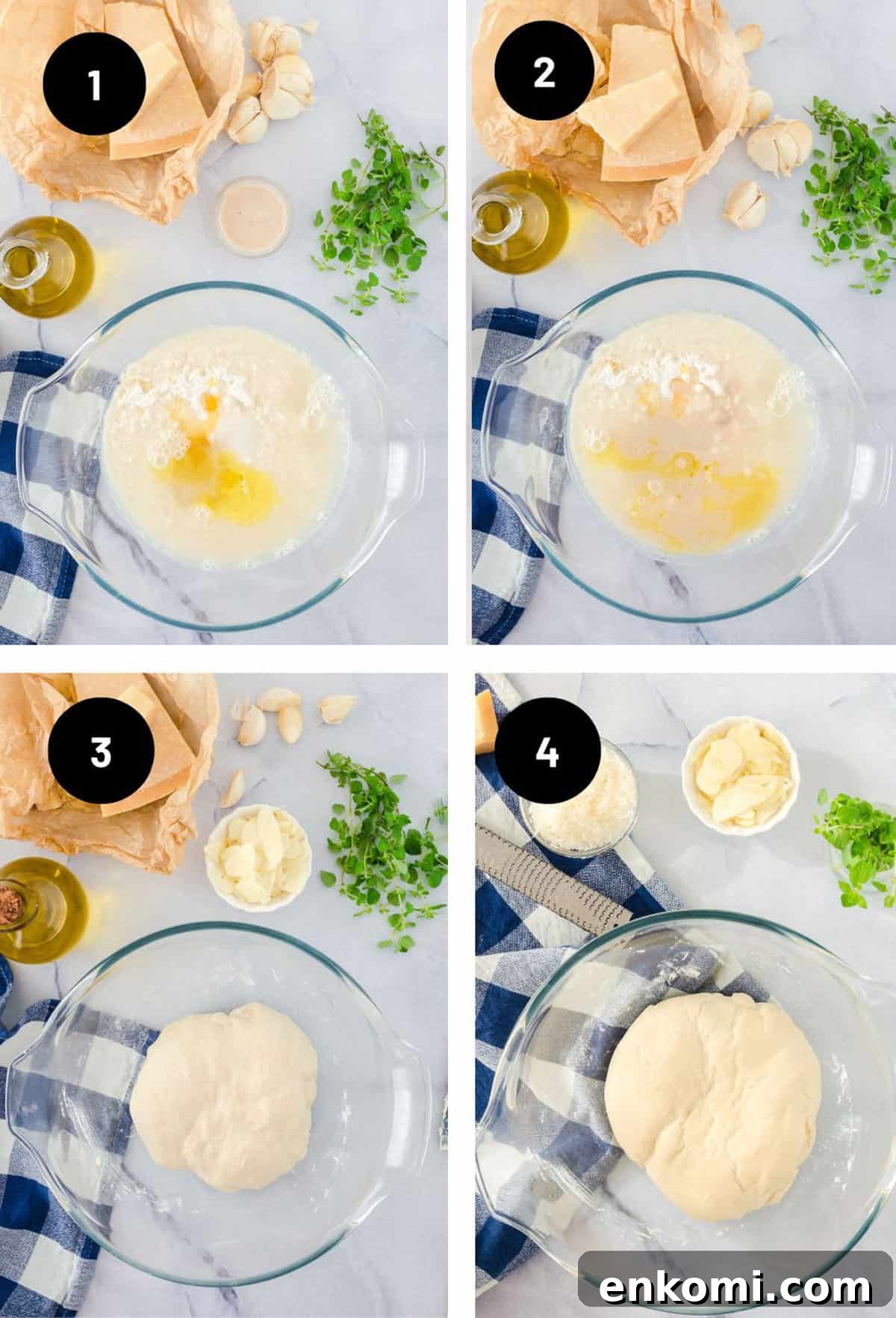
- In a large bowl combine flour, salt, wine, olive oil, and honey. In a small cup, dissolve the yeast in 1/2 tablespoon warm water and stir. Add the yeast mixture to the flour and mix until combined.
- Knead the dough by hand for 10–15 minutes, or use a dough hook on low speed until smooth and elastic. Add additional liquid a little at a time if needed so the dough is slightly moist and pliable.
- Place the dough in a lightly oiled bowl, cover, and let it rise in a warm spot for 30–60 minutes, or until doubled. For an extra step, punch it down and let it rise again for about 30 minutes.
Pro Kitchen Tip
The ideal dough is elastic and springs back when stretched. Adjust flour and liquid to achieve a slightly tacky, workable texture—you’ll get better results with practice.
How to Cook Pizza in an Oven
You can bake this pizza on a pizza stone or a baking sheet. A preheated pizza stone gives the crispiest bottom crust—place it in the oven for at least 30 minutes before baking. Bake at 500°F or higher if your oven allows. If using a metal baking sheet, reduce the temperature to 425°F and line the sheet with parchment or a dusting of cornmeal to prevent sticking.
Brush a thin layer of olive oil on the baking surface to help prevent sticking and to encourage a golden bottom crust. Handle a hot pizza stone with care and let it cool completely before cleaning.
Once the dough has risen, roll it out on a lightly floured surface or transfer it to a pizza peel to slide onto the stone. Brush the crust with olive oil and sprinkle a little kosher salt or garlic powder if desired.
- Roll the dough to your preferred size and thickness. For a crisper crust, keep it thin; for a chewier crust, leave it slightly thicker.
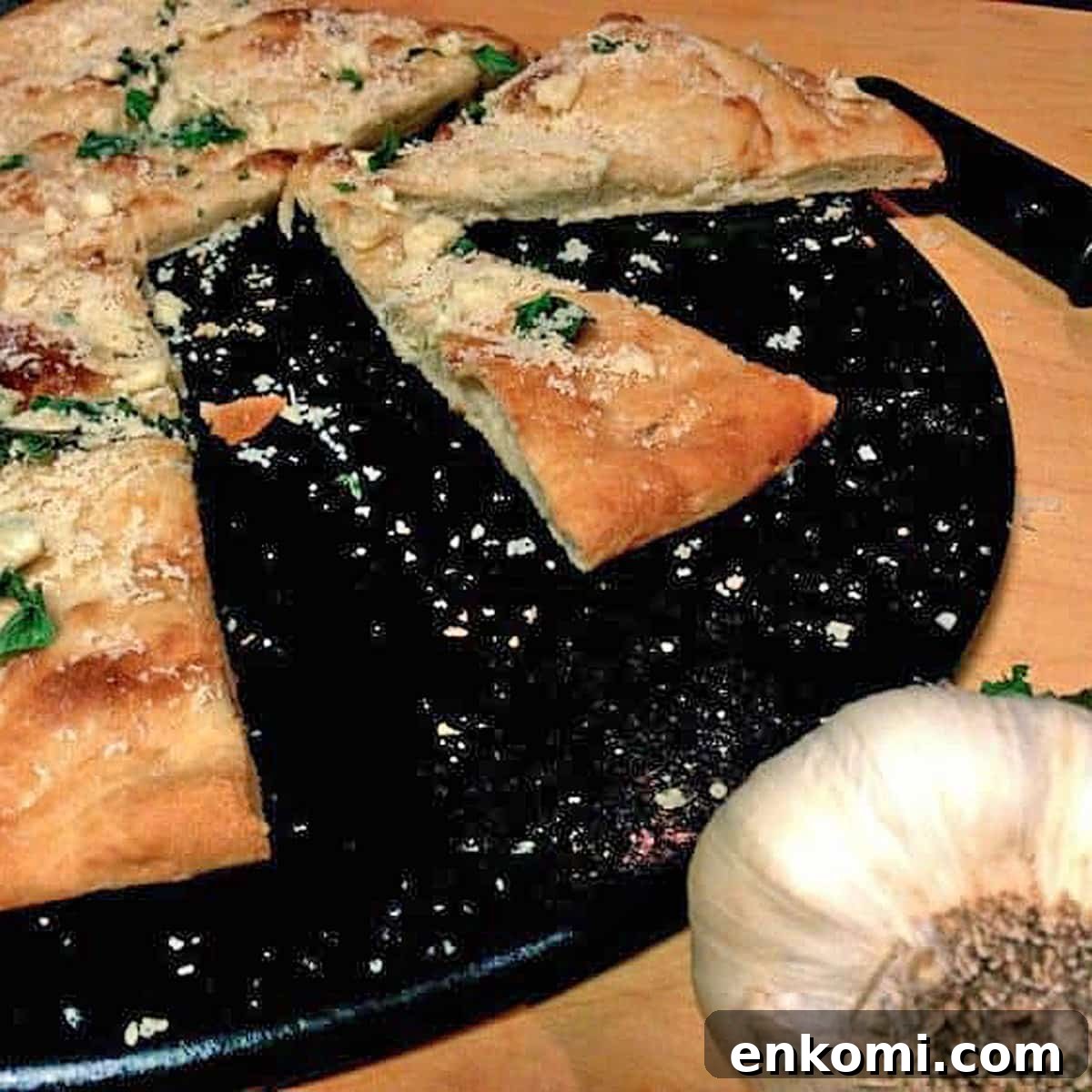
- Bake the crust for 12–18 minutes, checking after 10–12 minutes to inspect the bottom color. When it’s medium-dark brown, it’s likely ready.
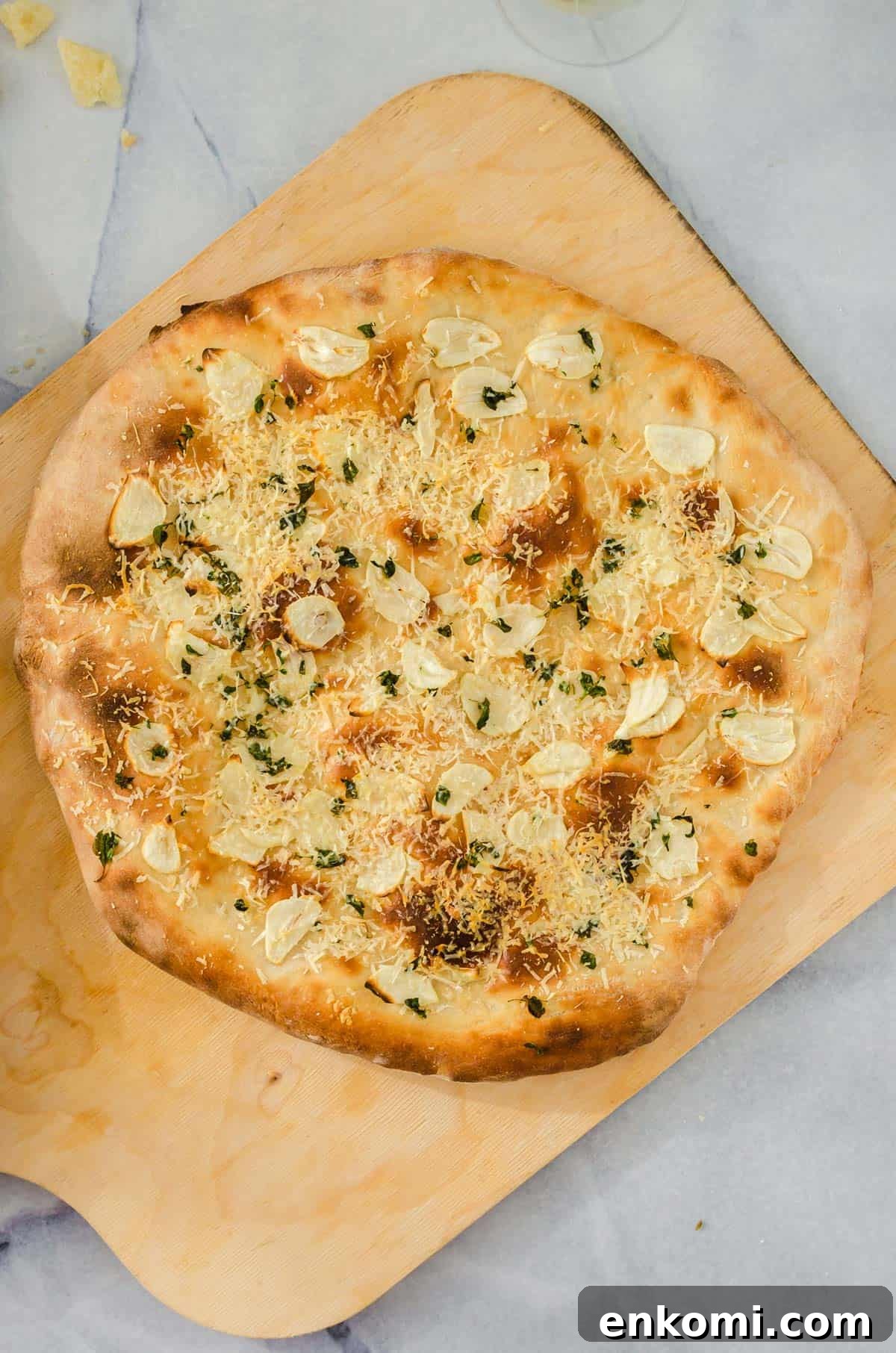
- Add the sliced garlic and chopped oregano about 5 minutes before the pizza is finished baking to preserve their fresh flavors. Return to the oven for a few minutes if needed.
- Remove the pizza from the oven and immediately sprinkle with freshly grated Parmesan. Let the pizza rest for at least five minutes before slicing for the best texture and to avoid burning yourself.
Expert Cooking Tip
Adding fresh garlic and herbs toward the end of baking preserves their aroma and brightness. Likewise, adding grated cheese right after the pizza comes out of the oven keeps the flavors lively and prevents overcooking delicate ingredients.
↔️ Substitutions and variations
- Try semolina flour for added texture and a more golden crust.
- Add red pepper flakes for heat, or include vegetables like sliced tomatoes, bell peppers, or mushrooms.
- Experiment with cheeses—mozzarella, feta, or goat cheese all pair well.
- For a sauced version, use tomato sauce for a traditional pizza or a white sauce for a creamier base. Roasted garlic or garlic butter also makes a delicious alternative.
- If short on time, use a store-bought crust and dress it up with garlic oil or garlic butter before baking.
🤔 Common recipe questions
Yes. Garlic has many nutritional benefits and can be a healthful addition to meals. Use it fresh for the best flavor and potency.
Wrap leftovers tightly in plastic wrap or foil and keep them in an airtight container in the refrigerator. Eat within 3–4 days for safety and best quality.
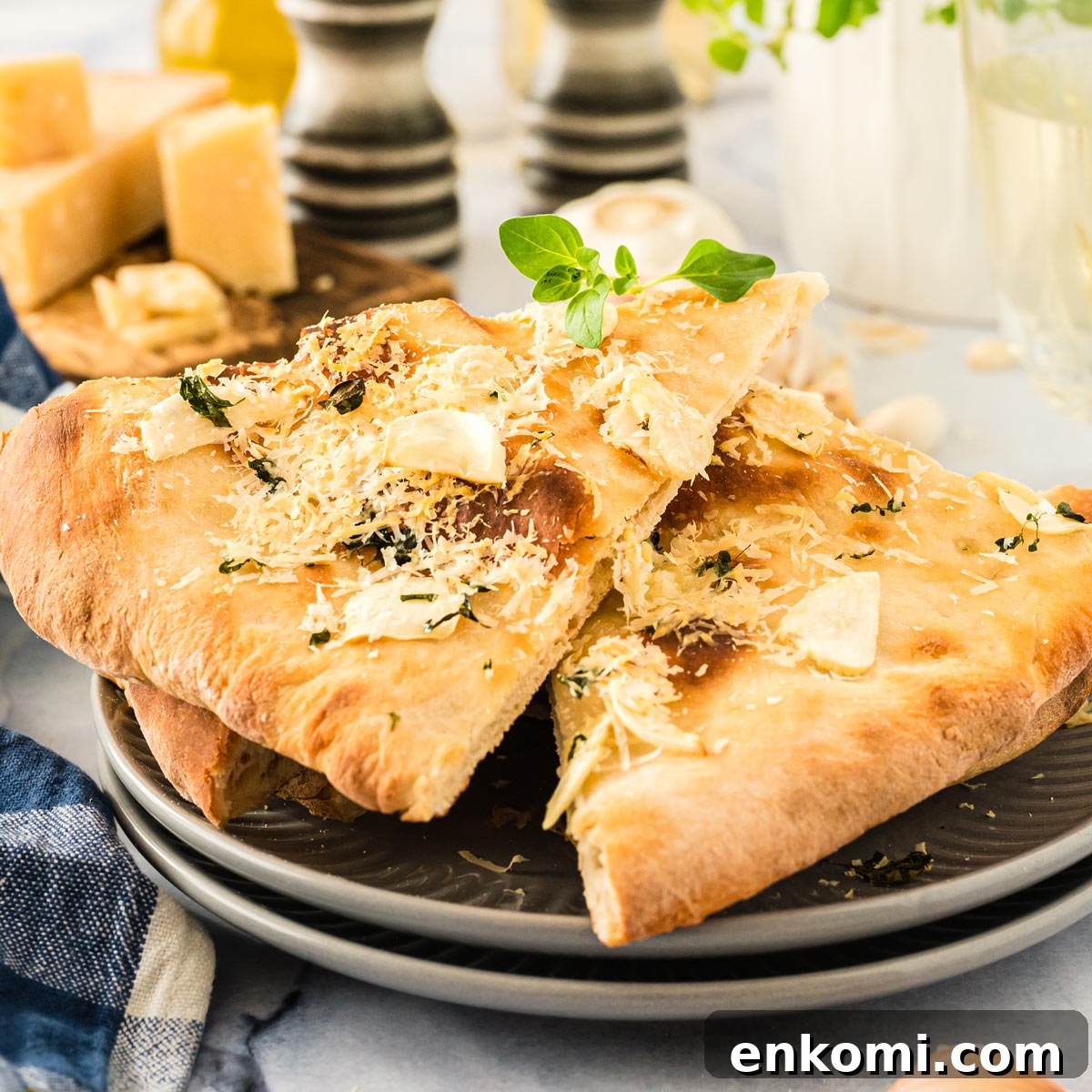
😋 How to reheat leftover pizza
Reheat leftover slices in a preheated oven or toaster oven at 350°F (176°C) for 5–10 minutes for the best texture. Alternatively, microwave a slice briefly and finish it in an air fryer or skillet for a crisp crust. Always refrigerate leftovers promptly and consume within a few days.
❤️ Pizza love
This recipe is as much about the experience as the food. I’ve made it with family on warm summer nights, and it’s always an opportunity to teach kids about dough, flavors, and patience. Simple moments in the kitchen—like watching dough rise or sharing a fresh pizza—become lasting memories.
Try this garlic pizza with family or friends. It’s easy to adapt, fun to make together, and a great introduction to homemade pizza baking for cooks of all levels.
More delicious homemade pizza recipes
If you enjoy this recipe, rate it and leave a comment in the recipe card below. I always appreciate feedback and love hearing how readers customize their pizzas.
📋 Garlic Pizza Homemade Pizza Dough
Ingredients
For the Crust
- 2 1/2 cups flour
- 1 teaspoon salt
- 3/4 cup white wine
- 3 tablespoons extra virgin olive oil
- 1 tablespoon honey (or 1 teaspoon sugar)
- 1 teaspoon active dry yeast
- 1/4 cup milk (or more wine on reserve)
For the Topping
- 1/2 cup fresh oregano leaves, coarsely chopped
- 5 garlic cloves, thinly sliced
- 1/4 cup grated Parmesan cheese
Instructions
For the Crust
- In a large mixing bowl, combine flour, salt, wine, olive oil, and honey. In a small cup dissolve the yeast in 1/2 tablespoon warm water and add to the flour mixture. Stir until combined.
- Knead by hand for 10–15 minutes, adding a little extra liquid if needed so the dough is slightly moist and pliable. The dough should spring back when gently pulled.
- Place the dough in a lightly oiled bowl, cover, and let rise in a warm spot for at least an hour. Optionally punch down and let rise again for another 30 minutes.
- Preheat your oven with a pizza stone for at least 30 minutes at 500°F if using a stone. If using a metal baking sheet, preheat to 425°F and prepare the sheet with parchment or cornmeal.
- Roll out the dough to your desired size and thickness. Brush the crust with olive oil and season lightly if desired. Bake 12–18 minutes until the crust is golden and the bottom is medium-dark brown.
For the Topping
- Place the sliced garlic and chopped oregano on the crust about 5 minutes before the pizza is done. Return to the oven briefly if needed.
- Remove from the oven and immediately sprinkle with grated Parmesan. Let rest for at least five minutes before slicing.
Notes
The consistency of dough can vary with humidity and ingredients; adjust flour and liquid to get a slightly tacky, elastic dough. Sugar can substitute for honey—use 1/8 cup sugar if replacing honey. Leftover wine works well in the dough. If you prefer, use a stand mixer with a dough hook to knead. For the crispiest crust, bake on a hot stone; practice transferring dough to a hot stone on a cold stone or sheet before attempting it on a preheated stone.
Nutrition
Calories: 245 kcal; Carbohydrates: 36 g; Protein: 6 g; Fat: 7 g. Nutrition information is an approximation.
Additional Info
Course: Dinner • Cuisine: Italian
Updated from the original post of June 24, 2013.