
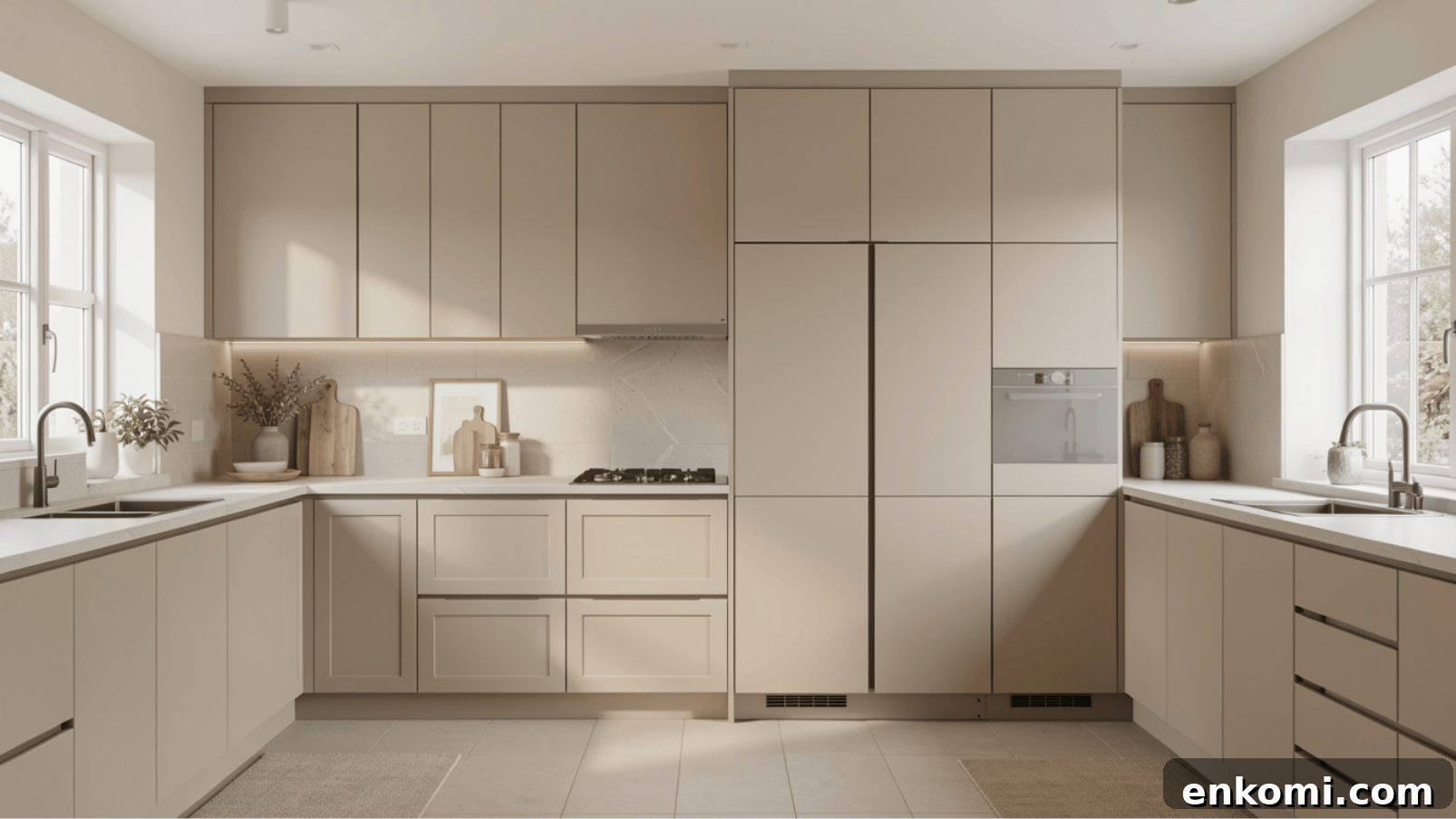
You’re renovating a suburban kitchen, updating a city condo, or trying to make a rental feel like home. Whichever scenario fits, the framed vs. frameless cabinet decision will come up—and it matters more than many expect.
This choice isn’t just cosmetic. It affects cabinet function, longevity, and overall cost. Below is a clear, practical guide to help you compare construction, style, durability, and price so you can pick the right cabinets for your space and lifestyle.
Framed Cabinets Explained
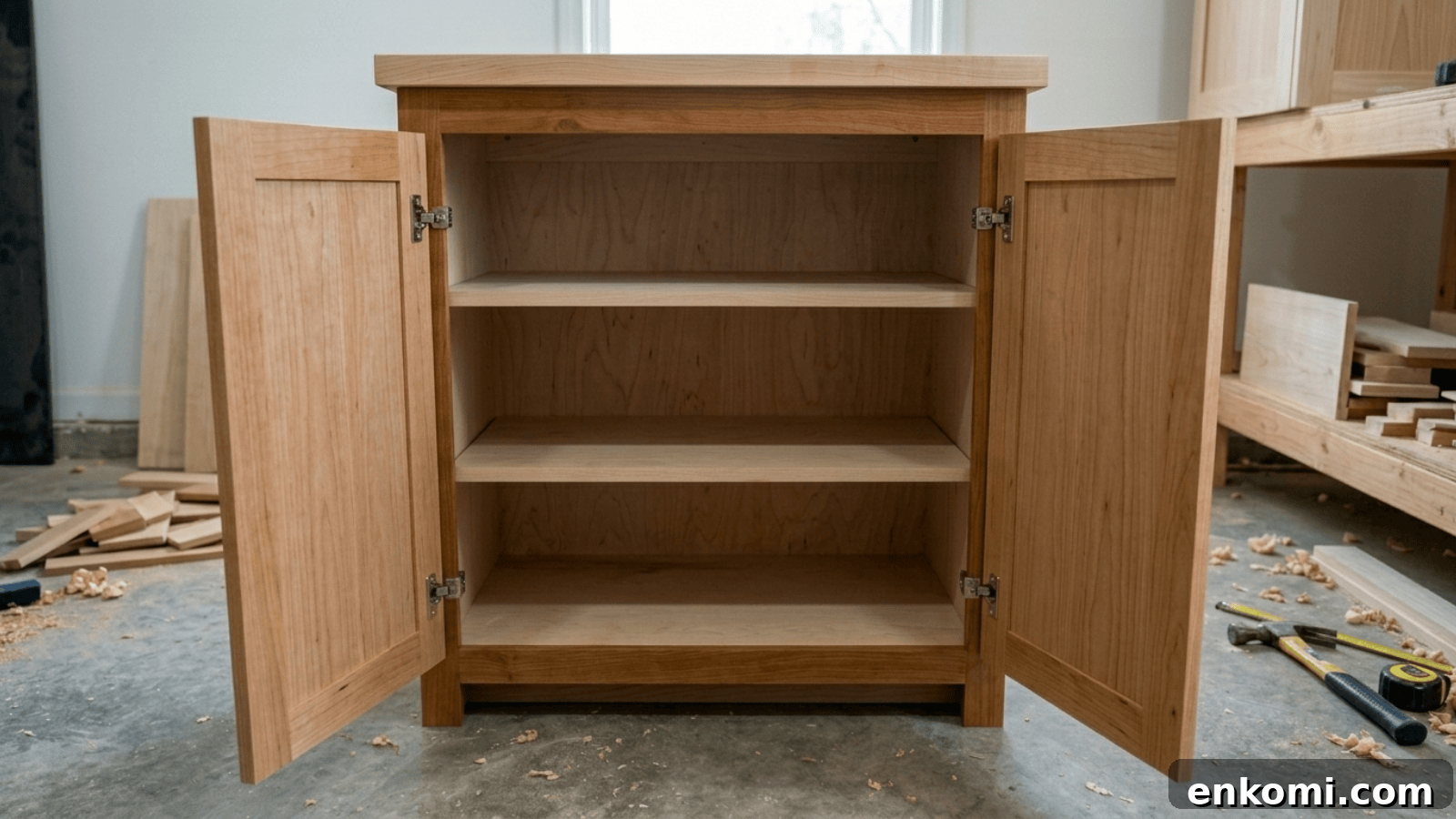
Framed cabinets are the American standard. A hardwood face frame is attached to the front of the cabinet box, providing a sturdy mounting point for doors and drawers and adding structural rigidity.
That face frame creates the layered, outlined look many U.S. homeowners associate with classic kitchen cabinetry. In older homes with uneven walls, the frame also hides imperfections and simplifies installation.
The main tradeoff is slightly reduced opening width: the face frame typically removes about 1 to 2 inches of access on each side. That matters most in small kitchens and tight drawer spaces.
Framed cabinets come in three common door styles:
- Partial overlay: Leaves a visible strip of frame, creating shadow lines and depth.
- Full overlay: Covers most of the frame for a cleaner, more updated appearance.
- Inset: Doors sit flush inside the frame for a furniture-like, tailored finish common in craftsman and traditional homes.
Frameless Cabinets Explained
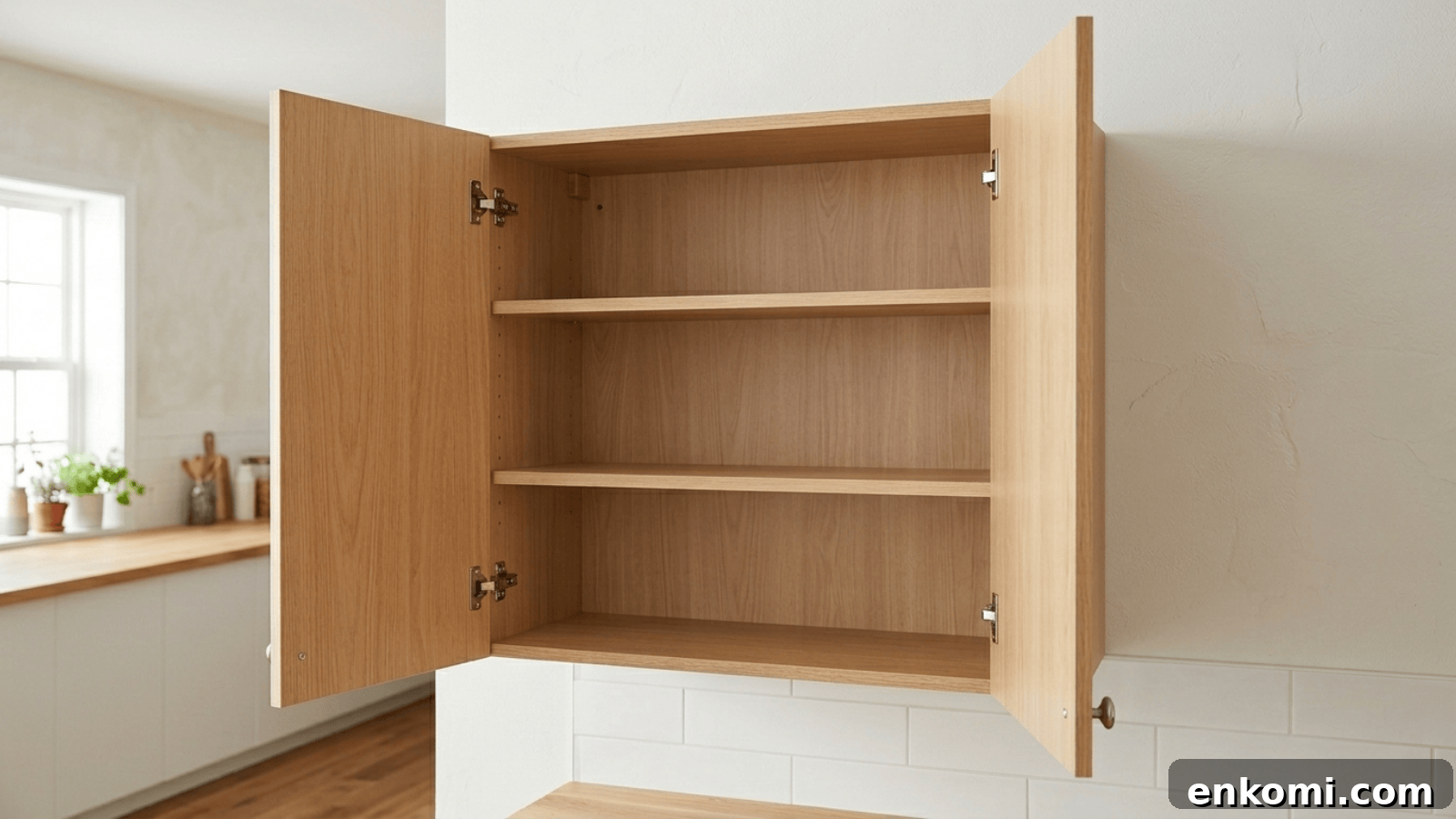
Frameless cabinets, often called full-access cabinets, eliminate the face frame. Doors and drawers mount directly to the cabinet sides, leaving an unobstructed opening when accessing the interior.
Without a frame limiting access, you get nearly the full interior width of the box. Wide drawers slide smoothly and large cookware fits more easily—benefits that are especially useful in compact kitchens and apartments.
Most frameless cabinets use full-overlay doors with tight, consistent gaps. The flat surfaces and minimal lines reflect light and contribute to a bright, contemporary aesthetic.
Key Differences: Framed vs. Frameless
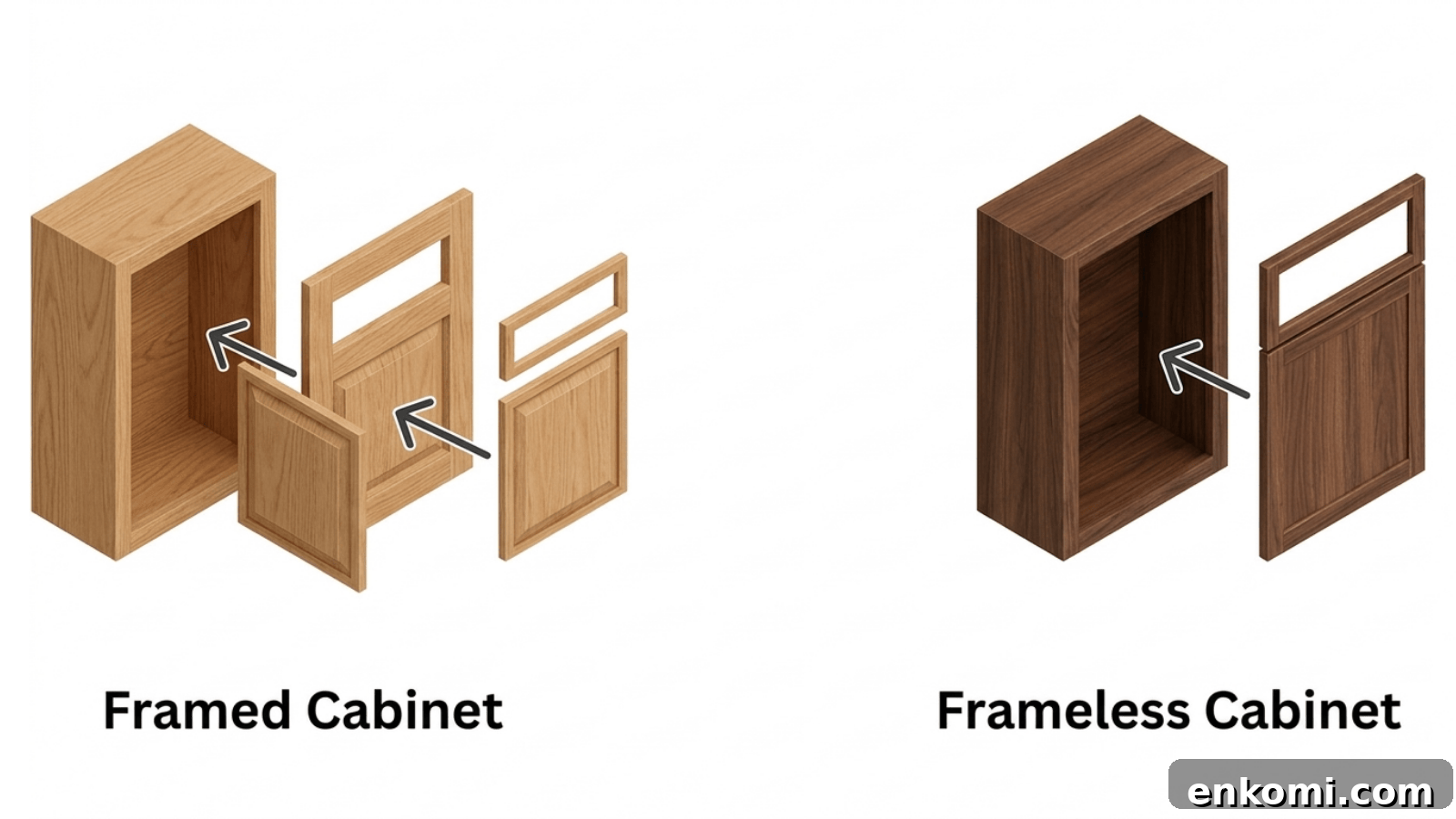
Both styles perform well, but five practical differences usually determine the right choice for a given project.
1. Style
Framed cabinets skew traditional: the face frame adds depth and pairs well with farmhouse, classic, and transitional designs.
Frameless cabinets read modern: clean lines, flush doors, and minimal gaps fit contemporary and minimalist interiors.
2. Construction
Framed cabinets attach hinges to the face frame, which provides rigidity and allows the box panels to be somewhat thinner without sacrificing stability.
Frameless cabinets rely on the box itself for structural strength. Hinges attach to the box panels, so material quality—thicker plywood or solid panels—is essential for long-term durability.
3. Storage
The face frame on framed cabinets reduces the usable opening by about 1 to 2 inches per side, which can be noticeable in base cabinets and wide drawers.
Frameless cabinets deliver full-width access. Without a frame in the way, drawers and large items fit more easily and storage feels more usable.
4. Durability
Framed cabinets generally handle everyday wear well. The face frame absorbs stresses from doors and drawers and tolerates minor wall movement in older houses.
Frameless cabinets can be equally durable when built from quality materials. Without a frame, though, thin or low-grade panels show wear sooner—so choose solid plywood or comparable construction.
5. Price
Framed cabinets are often less expensive at stock and semi-custom levels. For a full kitchen, framed options can average around $1,000 less than similar frameless packages.
Frameless cabinets tend to cost 15–30% more in the semi-custom range due to tighter tolerances and thicker panels. At the custom level, prices for both styles can converge depending on materials and features.
Which Cabinet Style Should You Choose?
Market trends show both styles are popular. Framed cabinets held roughly 60% of the U.S. market in recent years, while frameless options have surged to nearly 45% as homeowners favor open, modern layouts. Your best choice depends on appearance, storage needs, budget, and the condition of your walls.
Framed Cabinets
|
Pros |
Cons |
|
Sturdy construction with a solid mounting point for doors and drawers. |
Reduced interior access due to the face frame. |
|
Flexible door styles: inset, partial overlay, and full overlay are all possible. |
Traditional look that may not suit modern, minimalist spaces. |
|
Easier installation in older homes since the frame helps compensate for uneven walls. |
Refinishing or refacing can be more complicated because of the exposed frame. |
|
Generally lower cost at the stock and semi-custom levels. |
Fewer finish options at the stock level; the exposed frame limits some custom treatments. |
Frameless Cabinets
|
Pros |
Cons |
|
More usable storage and full-width access in drawers and base cabinets. |
Requires precise installation; misalignments are more visible without a frame to hide them. |
|
Contemporary aesthetic with clean, uninterrupted lines. |
Performance depends heavily on box material quality; low-grade panels wear faster. |
|
Better baseline hardware options, like full-extension undermount glides. |
Usually costs more at the semi-custom level. |
|
Easier to clean, since flat surfaces have fewer crevices for grease and dust. |
Limited door styles—Inset doors are not compatible with frameless construction. |
Where to Source Cabinets Without Overspending
You don’t need a high-end budget to get quality cabinets. Many homeowners find good options through a few reliable channels, including big-box retailers, value-focused frameless systems, online RTA suppliers, and resale or reclaimed sources. If you’re building your own boxes, a basic 3/4-inch plywood box can be economical, though kitchen builds require careful planning around plumbing and appliances.
Pro Tip: Before approving any quote, request a spec sheet. Confirm box material and thickness, hinge and drawer glide brands, and weight ratings. Two cabinets at the same price can perform very differently over time.
In Conclusion
The right cabinets shape both the look and daily experience of your home. Match the construction to how you live: choose framed cabinets for a classic, forgiving build that suits older homes and traditional styles; choose frameless for maximum access and a modern aesthetic—provided you invest in quality materials and precise installation.
With these points in mind, you can make an informed decision that balances style, storage, durability, and cost. The kitchen or room you’ve been picturing is closer than you think.