
Clutter causes stress. Numerous studies show a clear connection between a cluttered home and increased stress levels. Clutter affects not only your peace of mind but also family dynamics. Fortunately, there are practical steps you can take to remove unwanted items from your home and reduce stress for everyone.
Living clutter-free may feel impossible at first, but it is achievable. Letting go of excess possessions can be intimidating, yet most people find they end up keeping only the items that truly matter. That sense of relief—knowing you’ve removed unnecessary “stuff”—brings a noticeable calm and clarity.
You Aren’t Alone
Many families struggle with the same issues. I remember an episode of The Oprah Show where a family of seven discussed feeling overwhelmed by their possessions. The parents felt their children were becoming entitled and unappreciative because of all the toys and items in the house. The home didn’t look messy, but it felt cluttered—too many belongings to manage comfortably.
The family agreed to a one-week experiment: they gave up television and limited toys. Each child was asked to choose only five toys to keep. At first the kids were upset and resistant, but the results surprised everyone: they hardly missed the extra toys and actually enjoyed spending more quality time together.
The One-Week Experiment
For that week, the family restricted TV and allowed each child only five toys. Initially there was resistance—tears, anger, and tantrums—but after a few days the children found they preferred imaginative play, board games, and outdoor activities. Parents reported less stress because there was less to clean and maintain, and the family gained time to be together instead of managing possessions.
The Result
By the end of the experiment, parents said their children had more meaningful interactions and the household felt calmer. The mother noted they didn’t even use all five chosen toys; instead, the family enjoyed shared activities. The experiment illustrates that reducing physical clutter often increases emotional connection.

Kids Want Time Instead of Things
Children typically prefer attention and playtime with family members over screen time or constantly rotating toys. Limiting possessions helps them learn that items don’t equal happiness and encourages creativity and interaction. Decluttering and organizing, even in small steps, can create a more peaceful home and healthier relationships.
Cutting Back on Toys Cuts Back on Stress
Reducing the number of toys and extraneous items was transformative for our household. Once the excess was gone, I felt lighter and less overwhelmed. Although selling used items can be an option and sometimes yields a modest return, the time investment to list, photograph, and manage sales can be prohibitive. For many families, donating or discarding items brings faster relief.
The Hard Part About Decluttering
It can be difficult to part with things you once loved or hope to resell later. I often consign or sell larger items before major purges, but realistically, not everything will be sold. If you wait for perfect resale opportunities, clutter can linger indefinitely. A more practical approach is to decide what you will actively keep, donate, or discard, and then follow through.
I Wasn’t Planning on Getting Rid of a Handful of Things…
No—this was a full-scale declutter. I developed a structured approach that tackles the whole house over a focused period. A step-by-step plan makes the process doable and prevents decision fatigue. Below are practical tips and methods that helped me and can help you get started.
DONATE: If items are in good condition, consider donating them to a local charity. Donating is a way to pass items on to others who need them and can provide a tax deduction if you use an eligible organization.
THINK IT OVER: If you consistently find yourself putting things away only to deal with them again later, that’s a sign you have too much. Discuss your goals with someone you trust and use that perspective to make decisions about what to keep.
TOYS: A room full of rarely used toys becomes a stressful mess rather than a play space. Kids won’t play with toys they can’t easily access or that are buried under other items. Rotating a smaller collection keeps play fresh and manageable.
CLOTHING: We often keep clothes “just in case” they come back in style. Items that haven’t been worn in years are usually better off donated or discarded to free up space.
PAPER: Paper clutter—medical records, old bills, schoolwork, and miscellaneous notes—can accumulate quickly. Many institutions retain records for you, so keep only what’s necessary and recycle the rest.
Physical Clutter = Emotional Clutter
Clutter consumes time, attention, and energy. When families are focused on maintaining possessions, they can miss meaningful moments together. Reducing clutter creates space for what matters most: relationships, rest, and shared experiences.

What is the solution?
Here’s a practical, proven strategy I used: dedicate a short block of time each day for a week to tackle a room. Bring a garbage bag and open every closet, drawer, and storage space, filling the bag with items you no longer need.
Clothes: Collect children’s clothes that no longer fit or that aren’t worn.
Toys: Donate toys that are unused, broken, or missing pieces.
Paperwork: Recycle old receipts, outdated records, and duplicates. Keep only essential documents and store them in a simple, labeled system.
Extras: Consolidate multiples like extra blankets and household items. If you don’t use it regularly, consider letting it go.
Completing a whole-house declutter is a big job, but the emotional and practical benefits make it worthwhile. You’ll notice less stress, more free time, and a clearer home environment.
What can you do right now? Today?
Decide your scope: start small with a single closet or the kitchen, or plan a full-room purge. Beginning in a central, high-impact area lets you see results quickly. A focused, detailed guide for one room—like the kitchen—can help you build momentum before moving on to the living room and bedrooms.
Below are easy steps to begin immediately:
1) INVOLVE YOUR FAMILY
Make decluttering a shared activity. Assign age-appropriate tasks: ask each person to sort their clothes or toys and choose what to keep or donate. If motivation is low, swap chores for screen time as an incentive. You can also add decluttering tasks to daily chore charts so progress happens consistently.
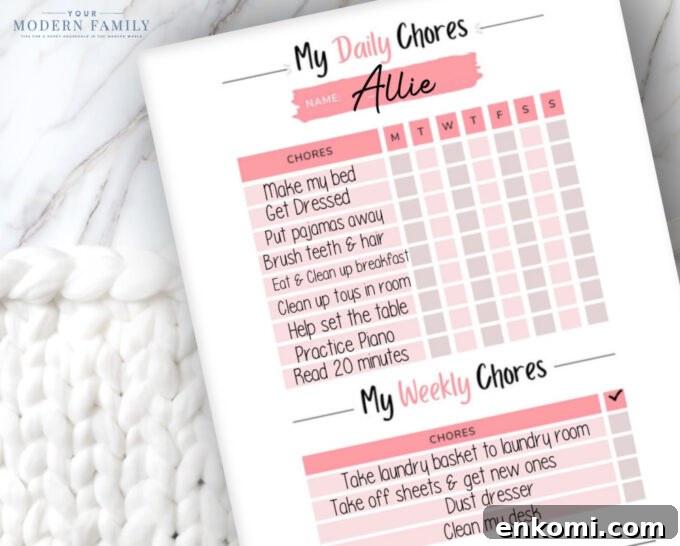
Example of daily decluttering for kids:
- Day 1: Books
- Day 2: Toys in your closet
- Day 3: Shirts
- Day 4: Throw blankets
- Day 5: Toys in your toybox
- Day 6: Pants
2) USE A REFERENCE CHART
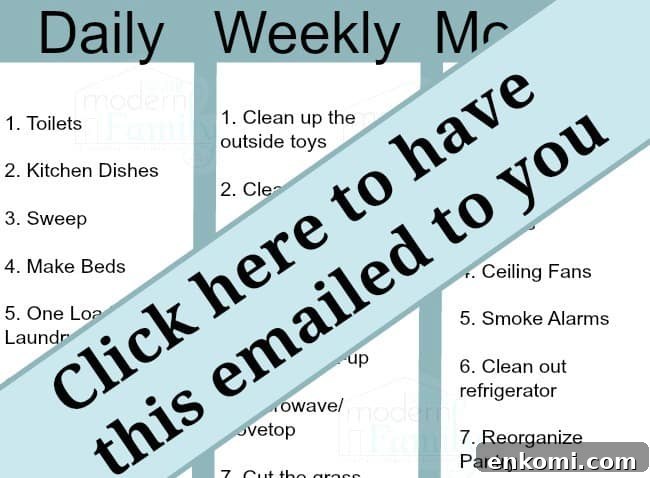
Using a visual checklist or chart helps track progress and keeps everyone accountable. A simple daily, weekly, and monthly chart can guide you through recurring tasks and one-time purges.
3) MAKE A PLAN
Create a realistic schedule and prioritize the areas that bother you most. A step-by-step plan will prevent overwhelm and help you measure progress.
4) TAKE IT TO THE NEXT LEVEL
If you want additional structure, consider a guided course or a detailed program that walks you through decluttering every room. Structured support can make the process faster and less stressful.
Related decluttering topics
- Non-Toy Gifts for Kids
- 30-day Declutter Challenge
- How to Host a Toy Swap
- Clutter and Depression: The Connection
- Tips to Organize the Refrigerator