
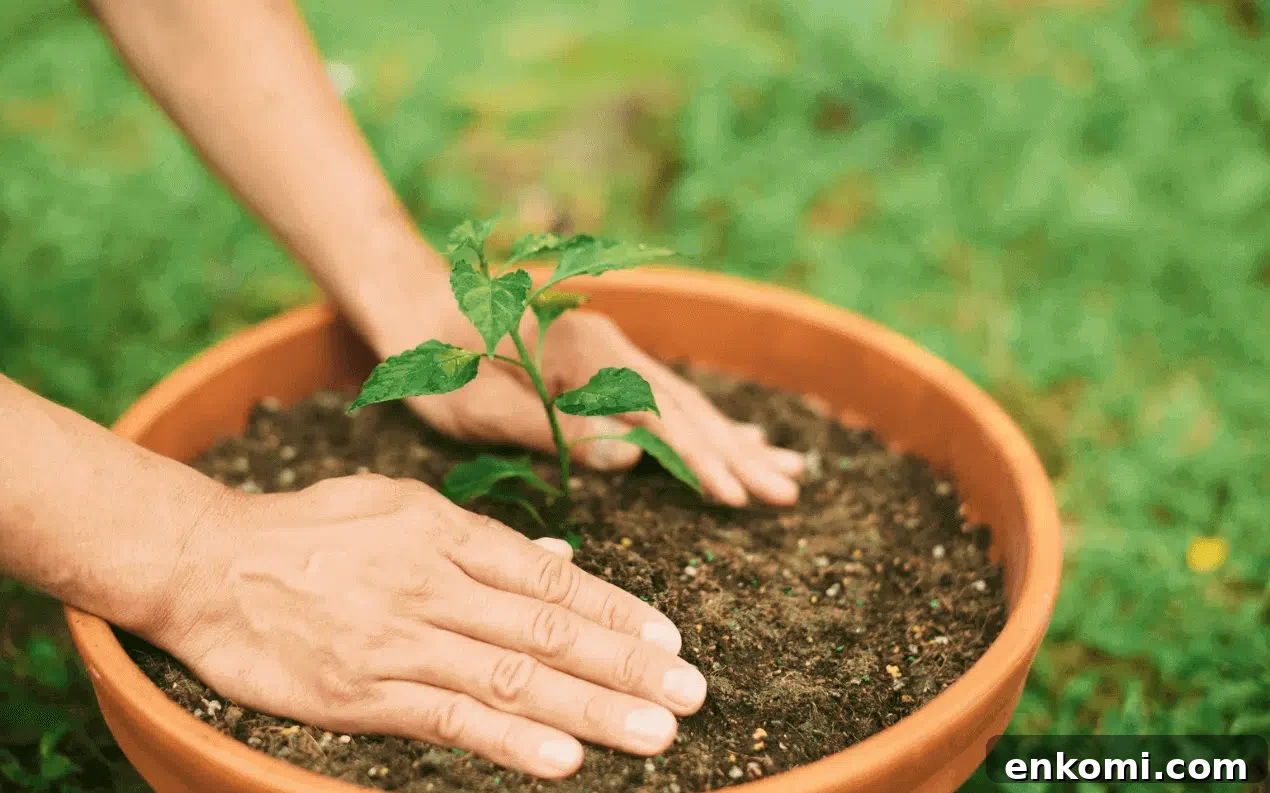
Mindful gardening blends the physical pleasure of growing plants with meaningful mental health benefits. Research indicates that spending about 20 minutes in nature can significantly lower stress and anxiety, and adopting a deliberate, attentive approach to gardening offers more than attractive blooms or fresh produce.
The essence of this practice is being fully present while you care for your garden. Mindfulness is a form of meditation in which you focus on being aware of what you are sensing and feeling in the present moment without judgment. That kind of attention transforms ordinary garden tasks into moments of calm and clarity. Green spaces also support physical health markers such as blood pressure, heart rate and cortisol levels.

Build a Daily Mindful Gardening Routine
Establishing a routine is an excellent way to make mindful gardening a habit. Choose consistent time slots that fit your life: mornings can ground you for the day, a midday break can refresh your focus, or a weekend session can offer unhurried reflection. What matters most is regularity and intention.
Before you step into the garden, leave your phone indoors. A brief digital pause removes distractions and helps you settle into the present. As you enter the space, invite all five senses into the experience to deepen your connection with nature:
- Hearing: Close your eyes briefly and identify different sounds—birdsong, leaves stirring, distant water or the gentle hum of insects.
- Touch: Feel the texture of soil, the smoothness of a leaf, or the earth beneath your bare feet when appropriate.
- Smell: Crush a leaf between your fingers and inhale its aroma, noticing how scents change with the seasons.
- Sight: Study the form and color of one plant closely—look at vein patterns, edges and the way light plays across a petal.
- Taste: If you grow edibles, savor a small, fresh leaf or berry slowly to notice texture and flavor.
Applying this sensory practice turns simple chores—deadheading spent blooms, harvesting herbs, or pulling a few weeds—into calming, focused activities. Weeding in particular can be a powerful mindfulness exercise; when you concentrate on the sensations and movements involved, it quiets the nervous system and brings a sense of order and presence.
Let Go of Goals and Embrace the Process
Mindful gardening rewards experience over outcome. Instead of measuring success by yields or appearances, it values the immediate pleasure of tending, observing and responding to living things. This shift away from perfectionism encourages gratitude and diminishes self-criticism.
Expressing gratitude while gardening has notable mental health benefits: people who pause to appreciate their work and harvest often report lower levels of depression, anxiety and stress. Make it a habit to pause before eating something from the garden and acknowledge where it came from—the act of gratitude doubles the pleasure of the food and reinforces a positive relationship with nature.
As you practice, you’ll find that mindful gardening fosters better sleep, reduces negative emotions such as envy or frustration, and supports empathy and self-awareness. It also teaches acceptance: weeds and setbacks are part of any garden, just as challenges are part of life. Observing seasonal cycles—growth, bloom, decline—helps cultivate an understanding of impermanence that can be applied to everyday concerns.
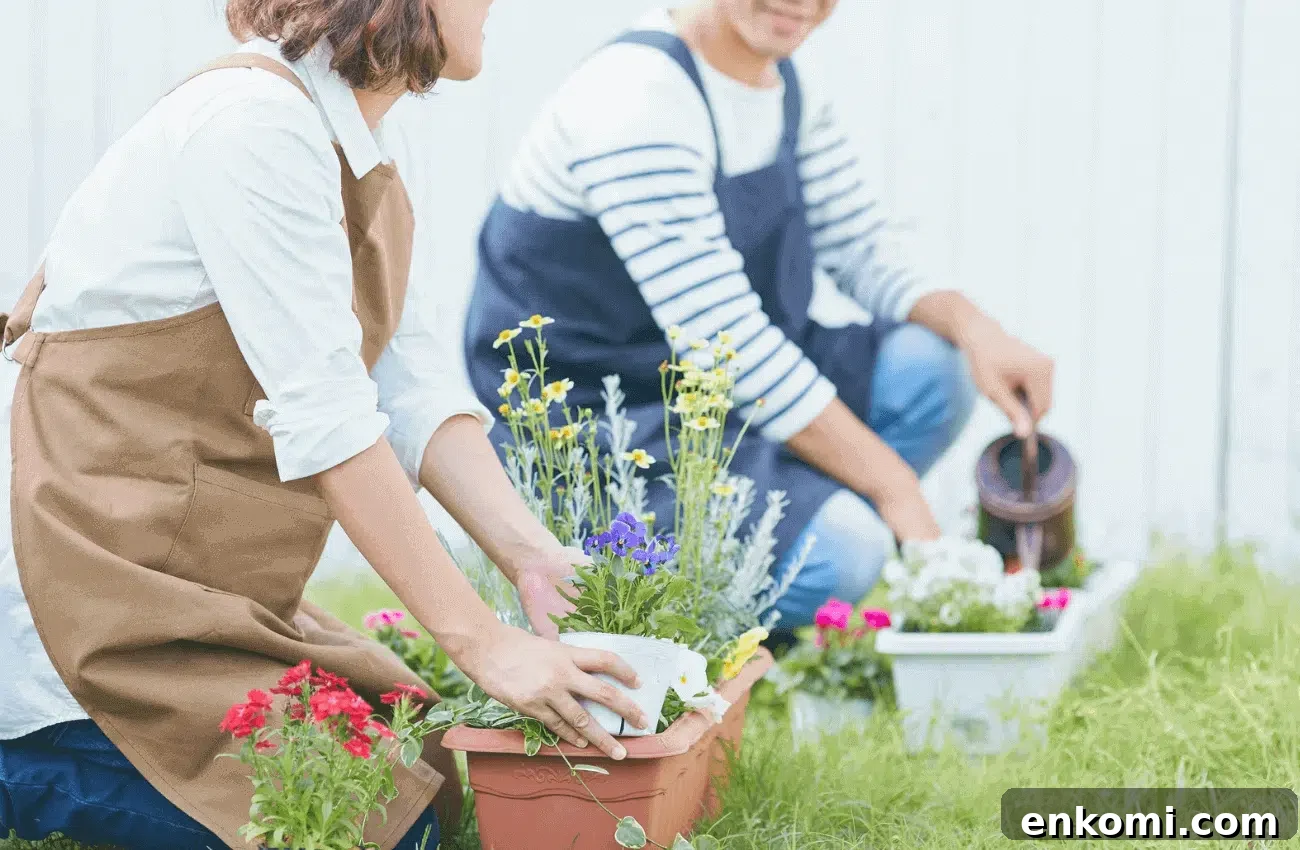
Designing a Mindful Garden That Supports You
The design and plant choices in your garden influence how easily you can practice mindfulness. Aim to engage multiple senses with plants selected for scent, texture, color and sound. Fragrant herbs and flowers invite deep inhalation; soft foliage encourages gentle touch; and grasses or chimes create natural soundscapes that mask distant noise and promote calm.
Certain plants are commonly associated with relaxation and cognitive benefits—lavender, for example, is known for its calming scent, and rosemary is traditionally linked with memory support. Textural plants like lamb’s ear invite tactile exploration, while pollinator-friendly blooms add life and movement to your space. When possible, include native species to support local ecosystems and create quiet, sheltered spots for reflection.
Practice environmentally responsible gardening. Alternatives to synthetic herbicides include physical methods like mulching, organic vinegar-based solutions in appropriate concentrations and iron-based products for targeting broadleaf weeds. Mulching not only suppresses weeds but also builds organic matter and soil health over time.
Consider adding a small, comfortable area for sitting and reflection—circular seating, a bench, or a simple stone slab can make the garden feel deliberately welcoming. Choose cool-colored flowers such as agastache and nepeta to soothe the eye and attract pollinators, turning ordinary tasks into meaningful moments of attention.
Conclusion
Mindful gardening is a practical, accessible way to cultivate inner calm through daily, intentional activity. Combining light physical work with focused awareness offers measurable benefits for stress reduction and mental well-being. Even short, regular sessions—fifteen minutes a day—can change how you relate to nature and to yourself.
Key elements for success include a consistent routine, engaging all five senses, releasing perfectionist expectations, and creating a supportive garden environment. These practices transform routine gardening into an ongoing practice of presence, gratitude and acceptance. Whether you tend a large plot or a few pots on a windowsill, the greatest harvest of mindful gardening is internal: deeper roots of presence, purpose and tranquility that grow along with your plants.