
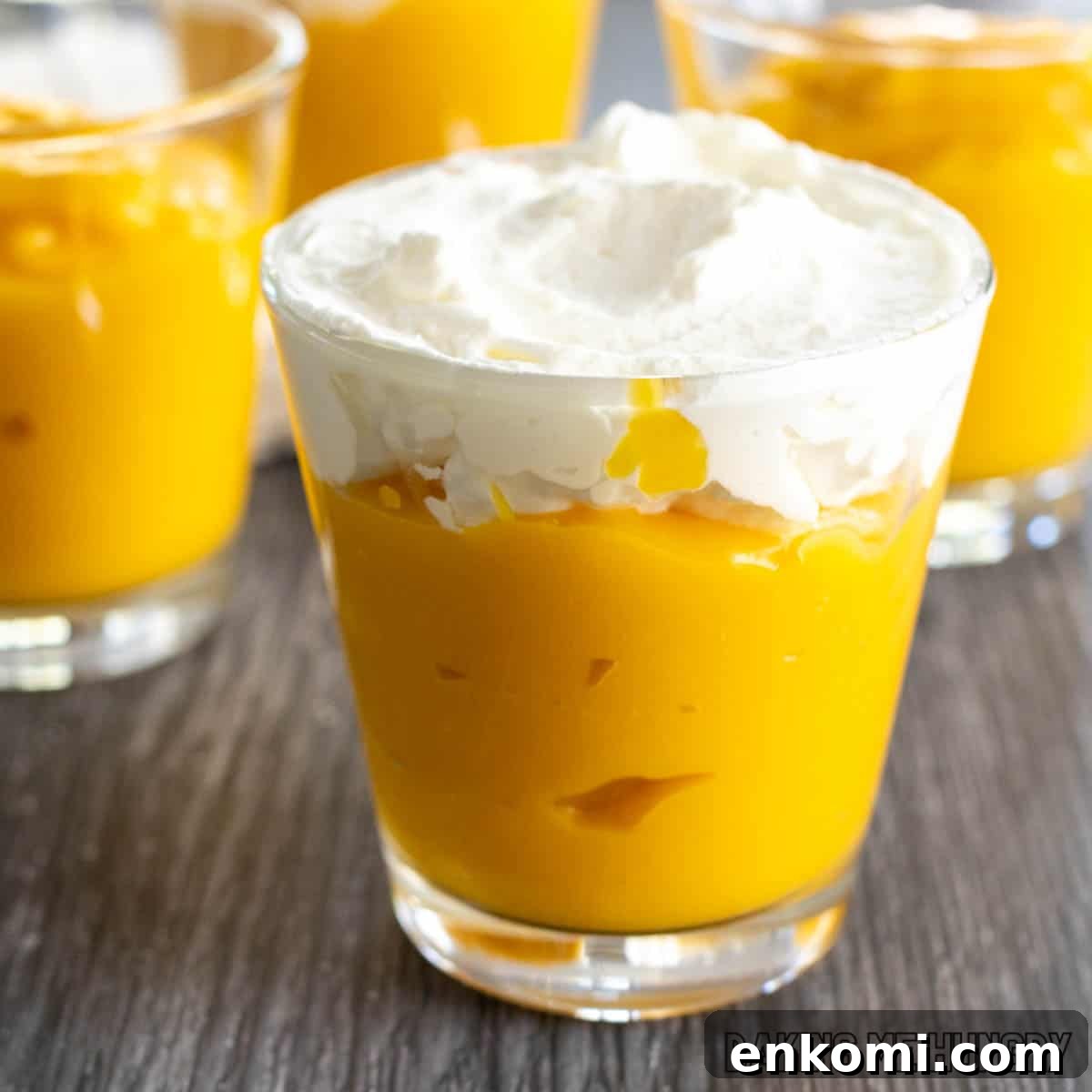
This mango pudding without gelatin is a cooked dessert that sits between a silky pudding and a zesty curd. Whether you call it mango curd or mango pudding, the result is bright, creamy and full of mango flavor.
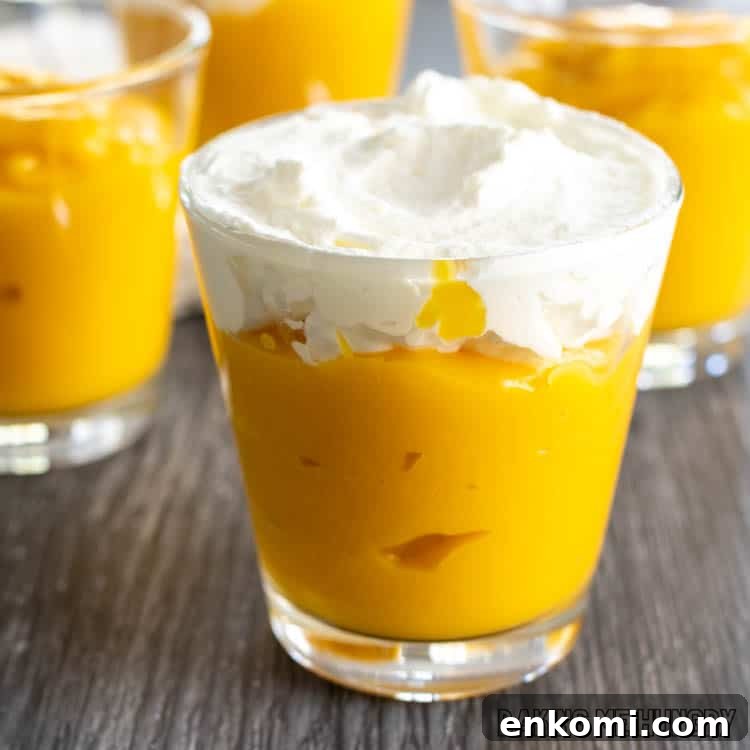
I first fell for mango during my teens when I tried mango Italian ice paired with vanilla custard. Since then I’ve used mango most often in desserts and smoothies rather than eating slices on their own — I prefer the flavor over the texture. A friend once brought a mango cheesecake made with canned mango pulp to a barbecue and that introduced me to a convenient ingredient that changed how I use mango in recipes.
If you enjoy tropical desserts, this cooked mango pudding is an easy, reliable recipe that doesn’t require gelatin. It uses egg yolks and cornstarch to thicken, producing a smooth, scoopable pudding with vibrant mango taste.
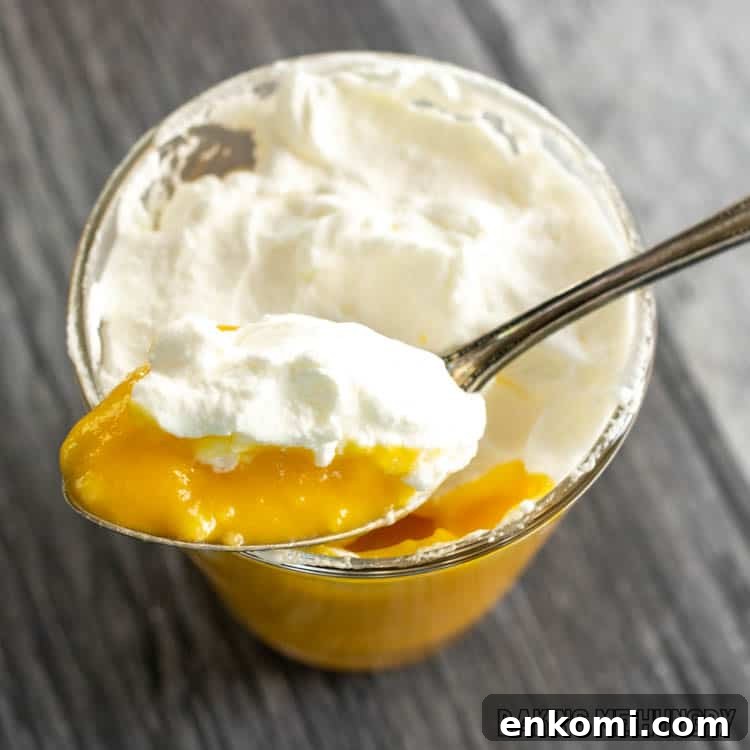
Ingredients
Whole Milk – Whole milk gives the pudding a rich, creamy mouthfeel. For a dairy-free version use canned coconut milk and omit the butter.
Cornstarch – Cornstarch is an effective thickener for custards and puddings and helps create a smooth texture.
Sugar – Granulated sugar provides sweetness and balances the mango’s acidity.
Salt – A pinch of salt brightens the flavors without making the dessert salty.
Egg Yolks – Egg yolks add richness and help the pudding set into a creamy consistency.
Salted Butter – Butter enriches the pudding and mellows the sweetness; use salted or adjust salt to taste.
Mango Pulp – Canned mango pulp (pureed mango sweetened with sugar) supplies concentrated, consistent mango flavor and a smooth texture.
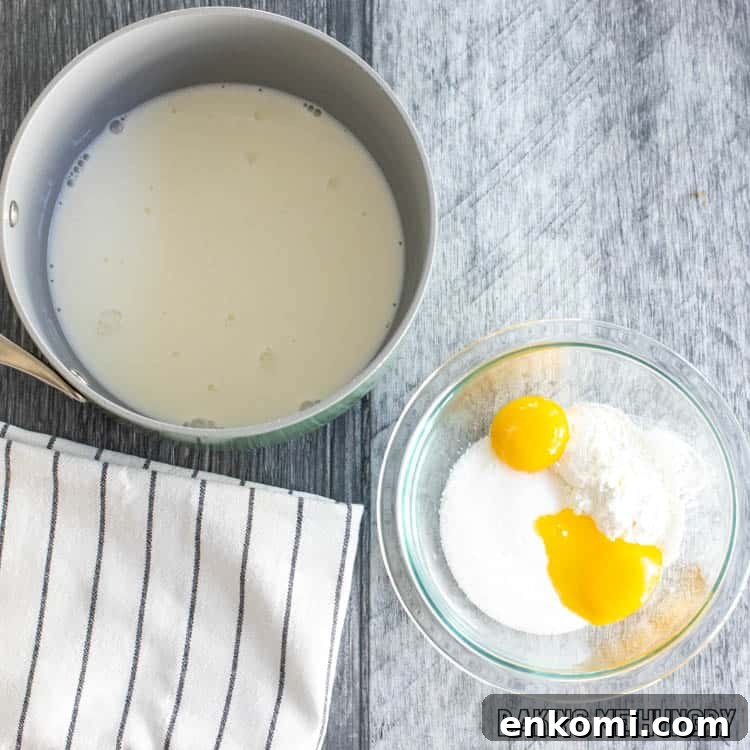
How to Make Mango Pudding Without Gelatin
This is a cooked pudding thickened with egg yolks and cornstarch, so no gelatin is needed. The process is straightforward and produces a smooth, luscious pudding.
Step One: Gently heat the milk in a small saucepan over medium-low heat. Do not let it boil.
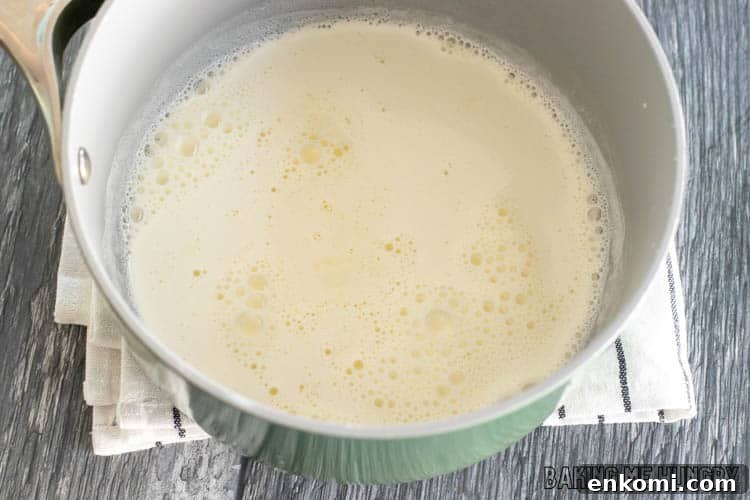
Step Two: In a heatproof bowl, combine the sugar and cornstarch, then whisk in the egg yolks until the mixture is smooth and slightly paler.
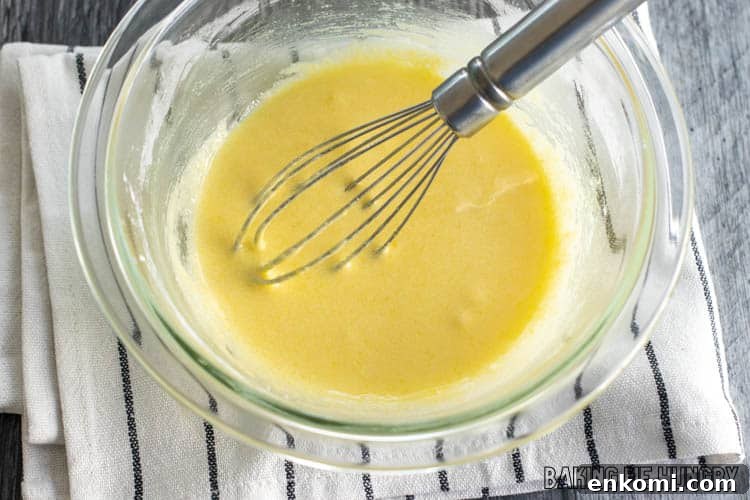
Step Three: Slowly stream the hot milk into the egg-sugar mixture while whisking constantly to temper the yolks and avoid scrambling. Return the mixture to the saucepan and cook over medium-low heat, whisking, until it thickens.
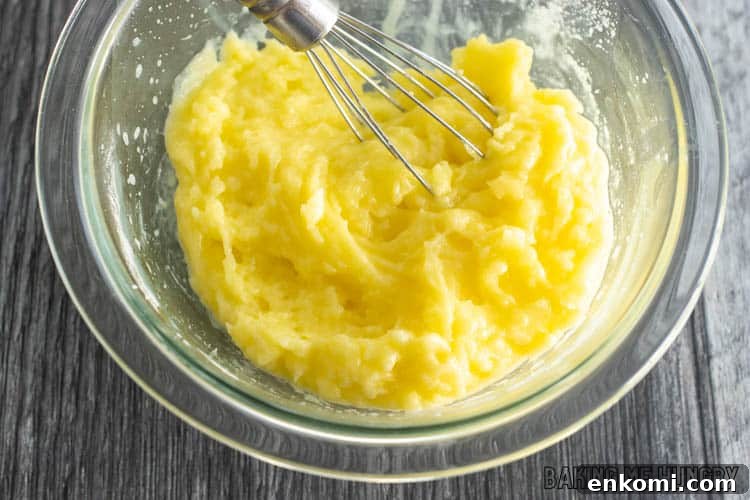
Step Four: Remove from heat, transfer back to the bowl and stir in the butter and vanilla until fully incorporated.
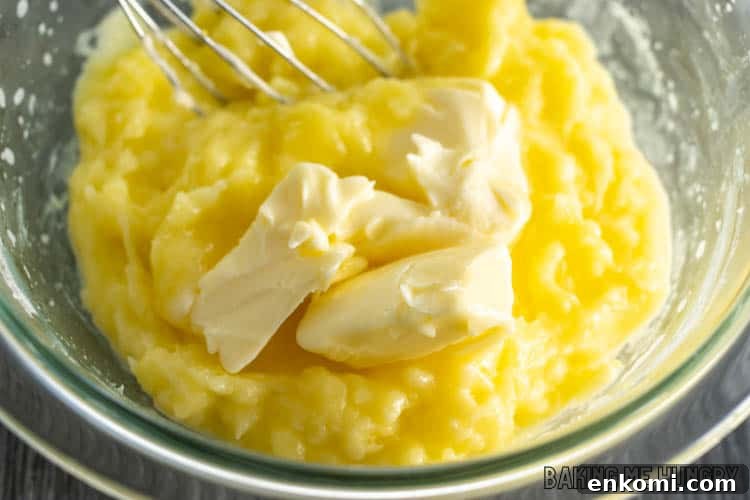
Step Five: Whisk the mango pulp into the warm pastry cream until evenly blended.
Top Tip
Whisking the mango pulp thoroughly into the cooked cream is what transforms a classic pastry cream into a smooth mango pudding with consistent flavor and texture.
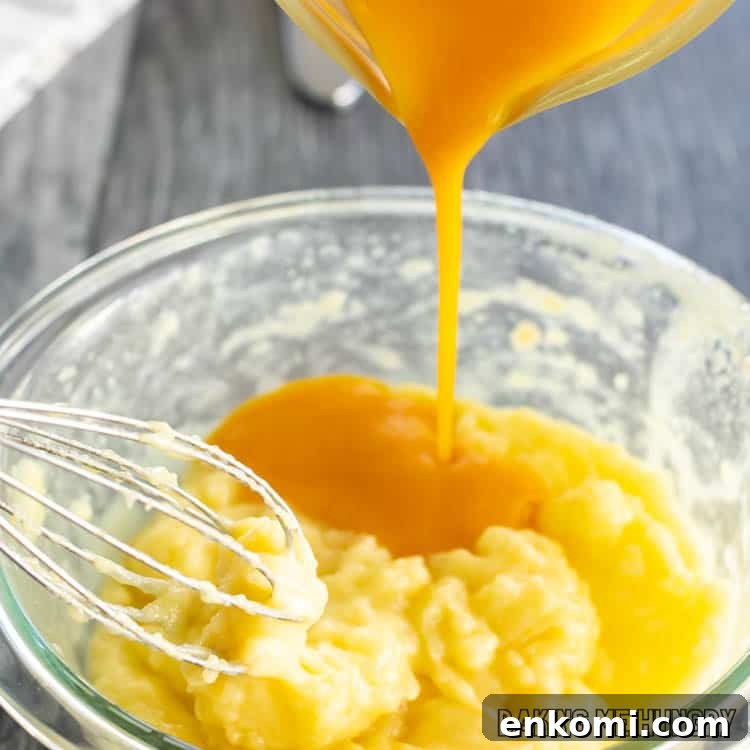
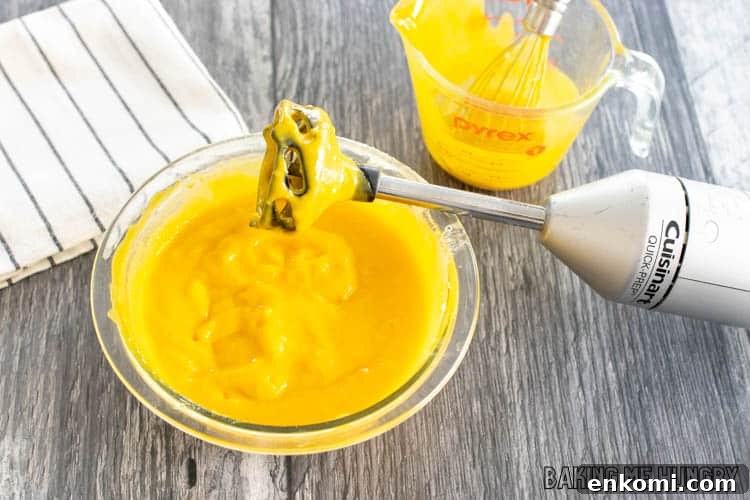
Step Six: Whisk until completely smooth and let the mixture cool to room temperature. For an ultra-smooth finish, briefly blend with an immersion blender or food processor.
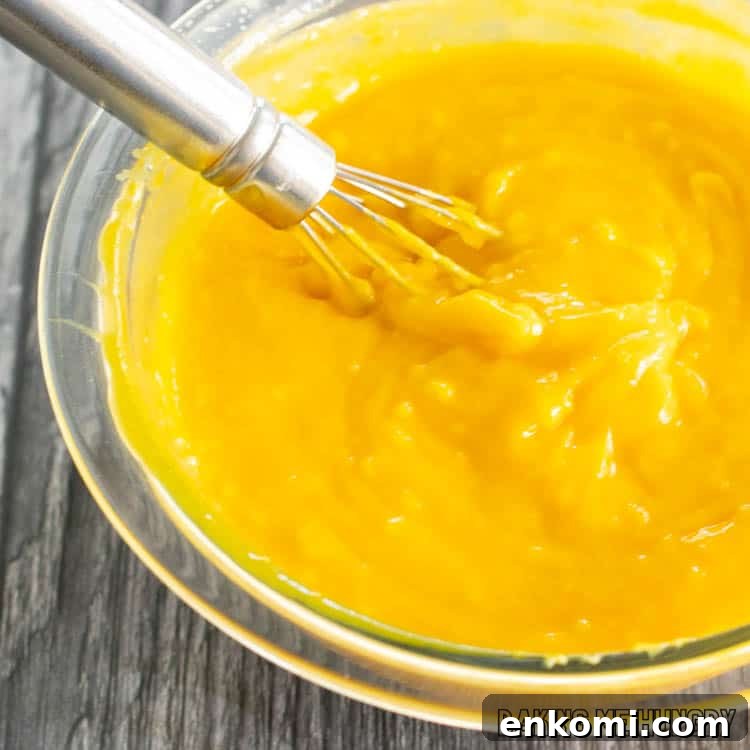
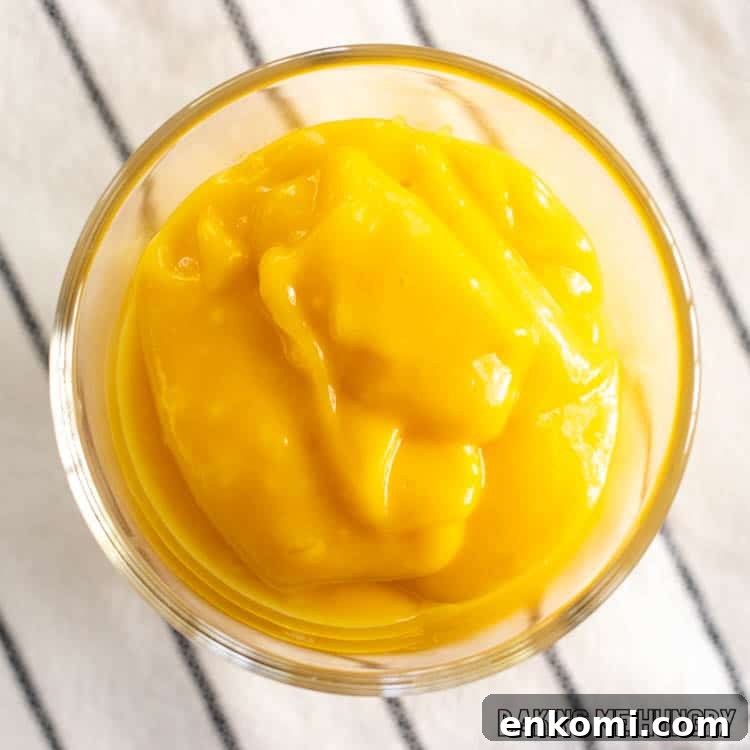
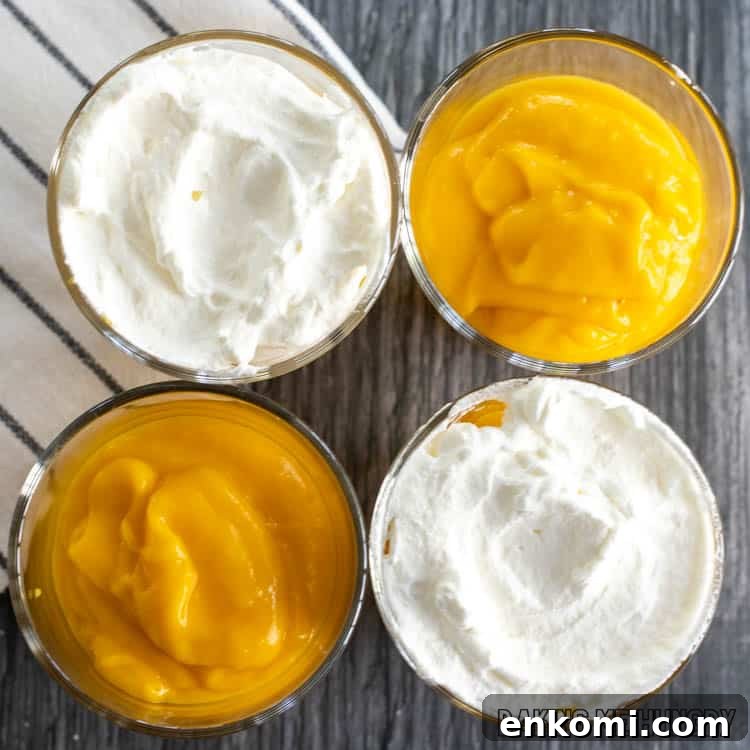
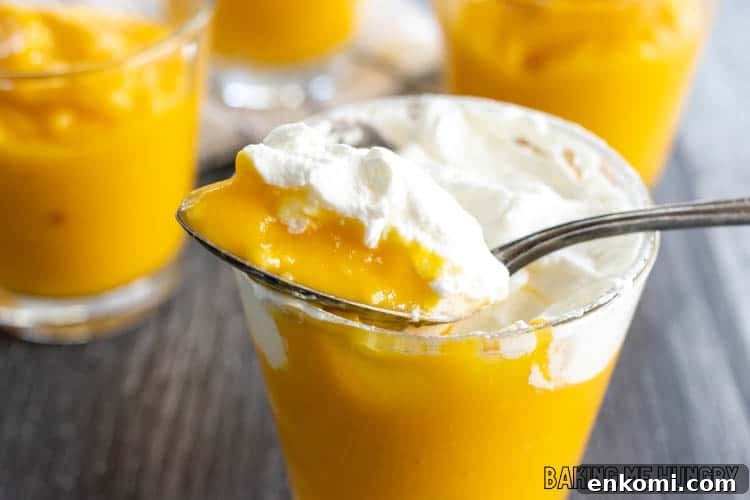
Step Seven: Divide into serving bowls or small cups and refrigerate for 3–4 hours, or until well chilled. Serve cold, optionally topped with whipped cream.
Expert Tip: For an even silkier texture, briefly pulse the cooled pudding with an immersion blender or a food processor before chilling.
Variations
Spices – Infuse the milk with ginger, chai spice, cardamom, or a pinch of cinnamon. You can steep whole spices such as cloves or star anise in the milk for a few minutes, then strain.
Mousse – Fold in 2–3 cups of lightly whipped heavy cream to make a lighter, airy mango mousse.
Other Fruits – Substitute mango pulp with other fruit purees (fresh or frozen and blended) to create different fruit puddings.
Chocolate – Stir in 2–3 tablespoons of cocoa powder when mixing the yolks and sugar, or sprinkle chocolate chips on top for a mango-chocolate contrast.
Honey – Replace some or all granulated sugar with honey for a floral sweetness.
Popsicles – Pour the blended mixture into molds and freeze for mango popsicles.
Other Thickeners – If you prefer not to use cornstarch, cook the base as directed and thicken with a small amount of agar-agar, glucomannan, or xanthan gum according to package instructions.
Common Questions
What is mango pulp?
Mango pulp is canned, pureed mango, often sweetened and strained for a smooth consistency. Brands such as Kesar or Alphonso are commonly available.
How do I store leftovers?
Store leftover pudding covered in the refrigerator in an airtight container for 3–4 days.
How do I serve mango pudding?
Serve chilled in small cups, optionally topped with whipped cream. It also works well layered with cake and cream in a trifle.
Can I use gelatin?
This recipe was developed to avoid gelatin, but if you prefer a gelatin set, you can blend the ingredients (omitting yolks and butter), bloom gelatin in cold water, dissolve it in hot water, then mix it into the blended mango base and chill until firm.
Recipe
Mango Pudding
Ingredients
- 1 cup whole milk
- ¼ cup granulated sugar
- 2 tablespoons cornstarch
- 1 pinch salt
- 2 egg yolks
- 2 tablespoons butter, room temperature
- 1 teaspoon vanilla
- 1 cup mango pulp
Instructions
- In a medium saucepan, heat the milk over medium-low until hot but not boiling. In a bowl, mix the sugar, cornstarch and salt.
- Whisk the egg yolks into the sugar mixture until smooth and lighter in color (about 2 minutes).
- Slowly pour the hot milk into the egg mixture while whisking. Return to the saucepan and cook, whisking constantly, until thickened.
- Remove from heat, transfer to a bowl, then stir in the butter and vanilla until smooth. Whisk in the mango pulp.
- Cool to room temperature, then refrigerate in serving dishes until chilled, about 2–4 hours.
Nutrition
Carbohydrates: 33.3 g
Protein: 4 g
Fat: 4.9 g
Originally published May 18, 2022. Revised and republished April 10, 2023.