
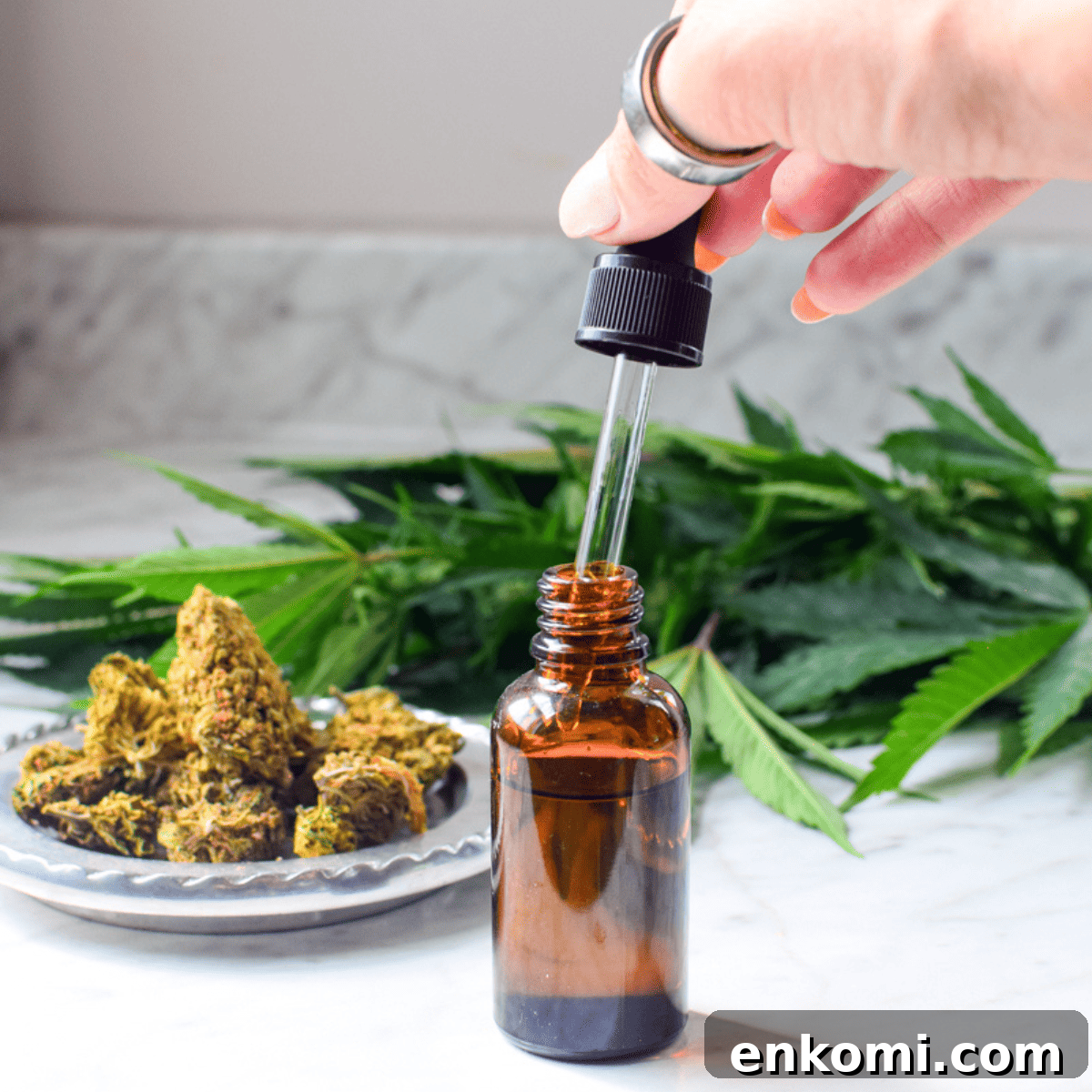
Are you curious about cannabis tinctures but unsure what they can do for you? Tinctures offer convenience, discretion, and a host of practical benefits. Below you’ll find more than ten advantages of using cannabis tinctures, guidance on making or buying them, and clear tips to get started so you can enjoy their benefits safely and effectively.
Article Features
- How to make your own tinctures at home and what you’ll need
- Why a single small bottle can be so versatile and practical
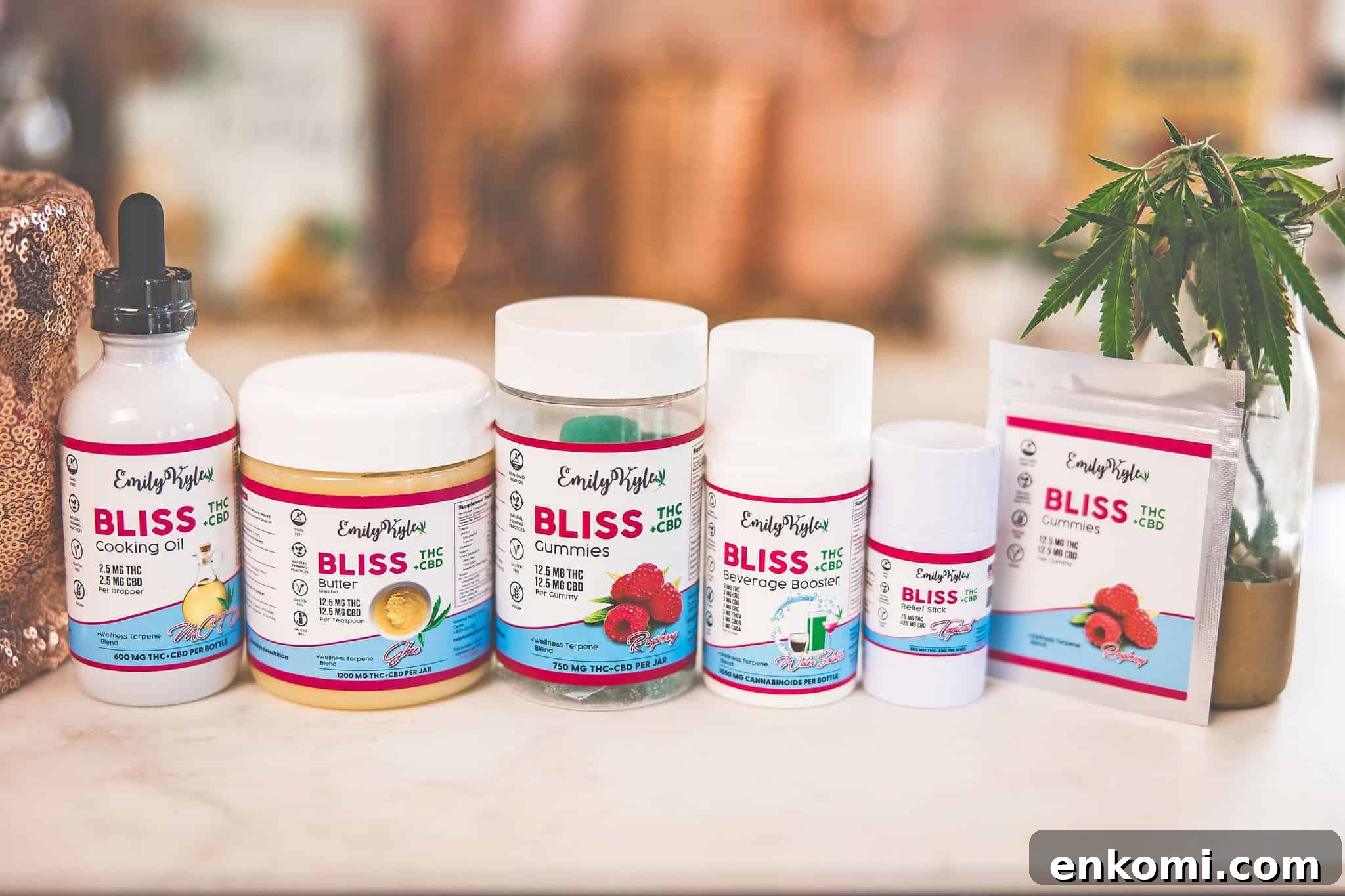
- Options if you prefer to purchase ready-made tinctures
Why You Will Love This Guide
If you follow tincture and plant medicine topics, you’ll know tinctures are a flexible and reliable way to extract plant compounds. Alcohol-based cannabis tinctures differ from common oil-based CBD products and can be made at home with simple ingredients. They work well for sublingual use and as a base for many infused recipes.
In this guide I cover the main benefits of alcohol-based cannabis tinctures, share practical recipes and tips, and explain how to get consistent results while keeping safety front of mind.
TL;DR – Tinctures:
- Easy to make at home
- Allow precise dosing
- Fast-acting when used sublingually
- Bypass the digestive tract for more predictable effects
- Discreet and odorless
- Long shelf life when stored properly
- Interact with the endocannabinoid system (ECS)
- Can deliver full-spectrum plant compounds
- May offer medicinal relief for many conditions
- Extremely versatile in use
#1 – Easy to Make
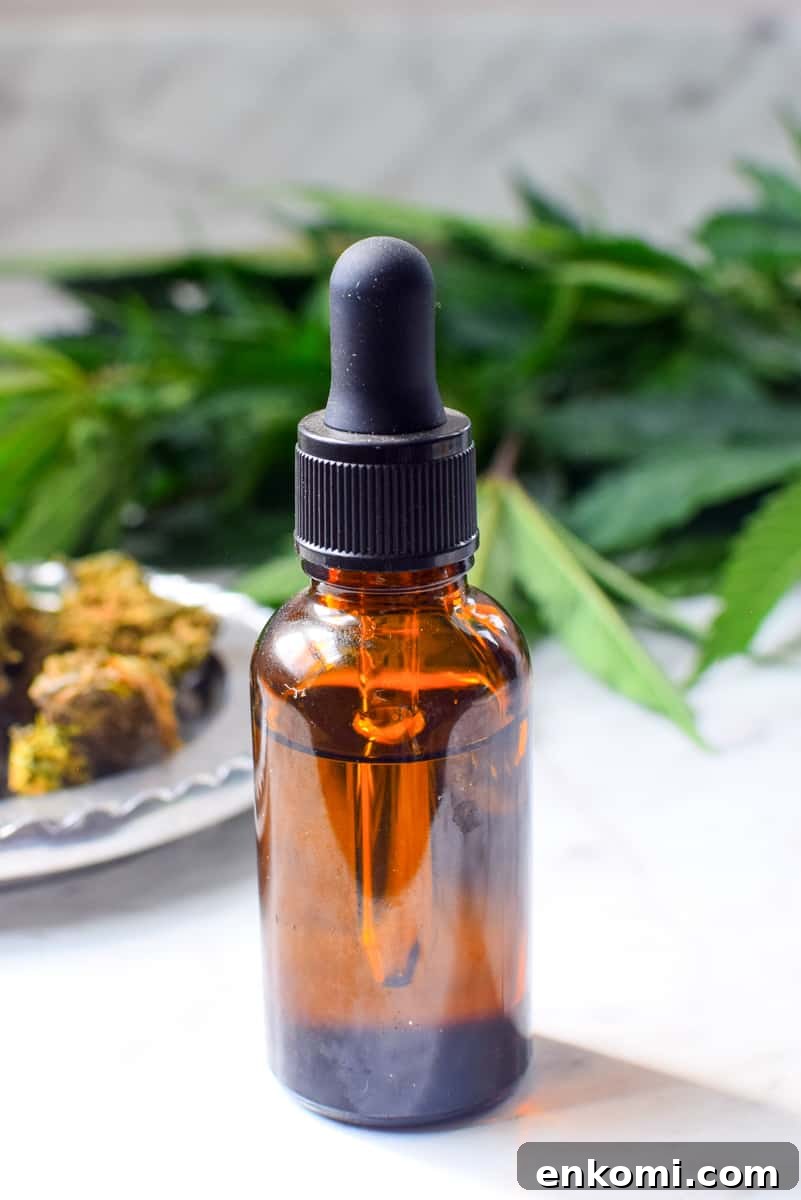
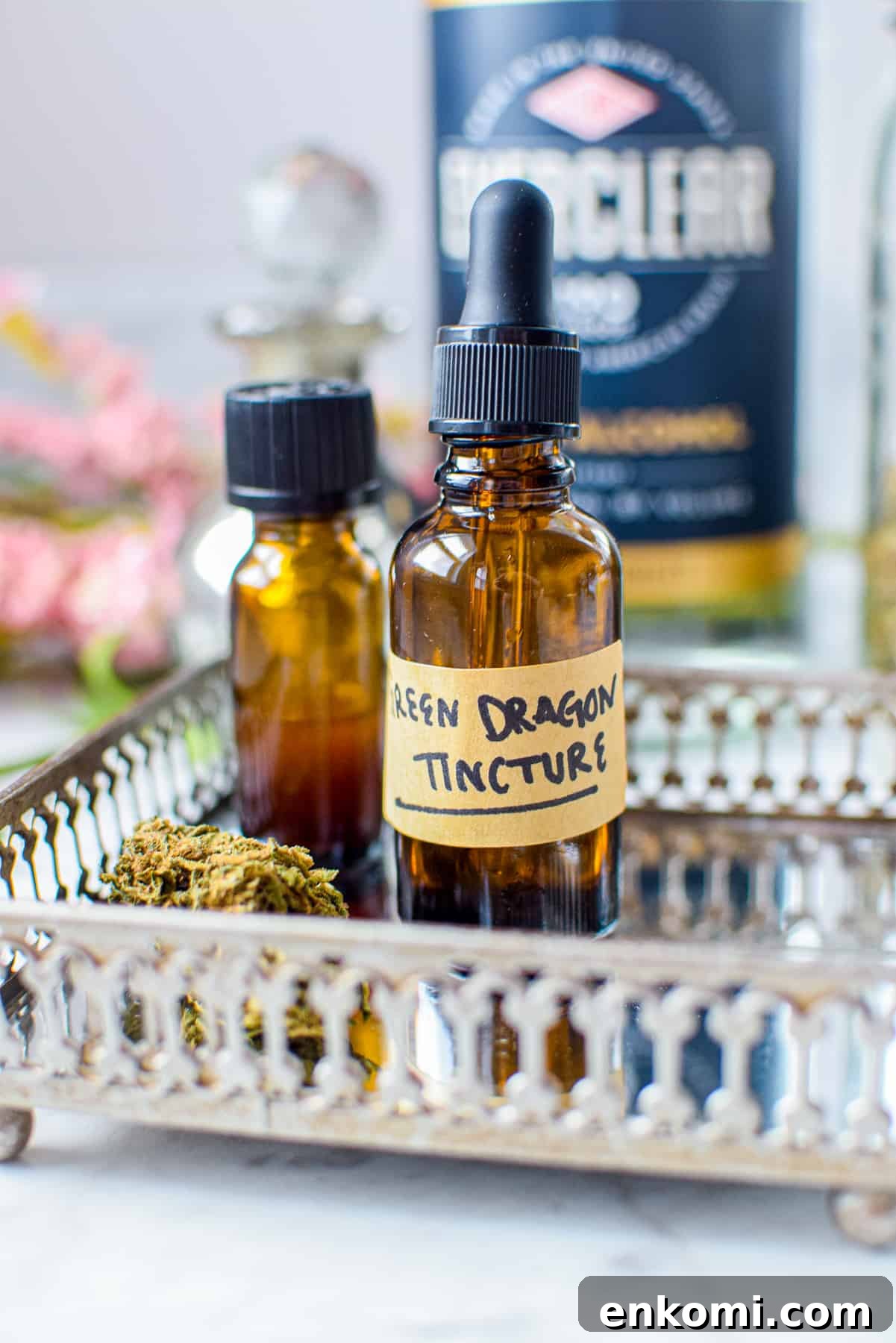
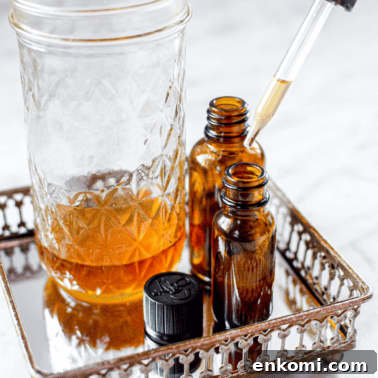
Making an alcohol-based cannabis tincture is straightforward and requires only a few basic items: high-proof food-grade alcohol, cannabis flower or trim, a clean jar for steeping, and a dark glass dropper bottle for storage. Depending on the chosen method—cold soak, short QWET-style washes, or extended maceration—you’ll soak and strain the plant material to extract cannabinoids and terpenes into the alcohol.
No advanced equipment is necessary. With simple recipes and careful labeling, you can produce a consistent tincture suited to your needs.
#2 – Offers Precise Dosing
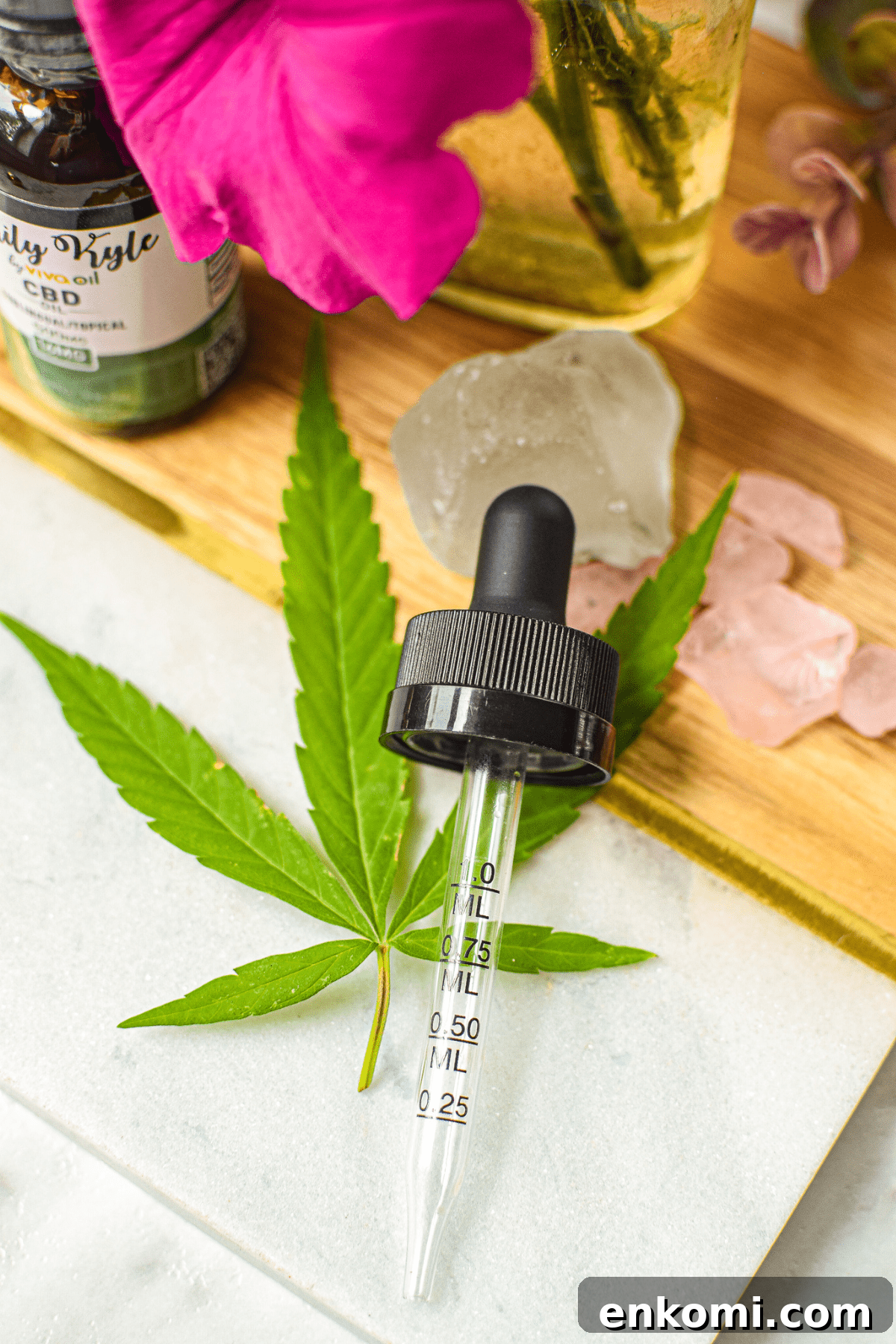
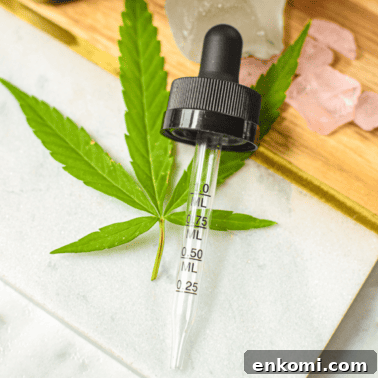
Tinctures make it easy to measure dosages. Bottles typically include droppers with volume markings so you can accurately take a few milligrams at a time. This precision is particularly useful for finding your minimum effective dose (MED) and for microdosing strategies. If you document the amount of cannabis used and the final volume, you can calculate approximate milligrams per dropper for consistent dosing.
#3 – Fast-Acting Effects
When taken sublingually—held under the tongue or along the cheek—tinctures absorb through the mucous membranes and enter the bloodstream quickly, bypassing first-pass metabolism by the liver. Because of this, many users report feeling effects within minutes, making tinctures a good choice for acute symptom relief.
#4 – Bypasses the Digestive Tract
Used correctly (sublingually), tinctures avoid the gastrointestinal tract. This leads to faster onset and often more predictable effects than swallowed edibles, which must be metabolized and can vary widely between people. Bypassing digestion also helps when digestive issues interfere with absorption.
#5 – Discreet Consumption
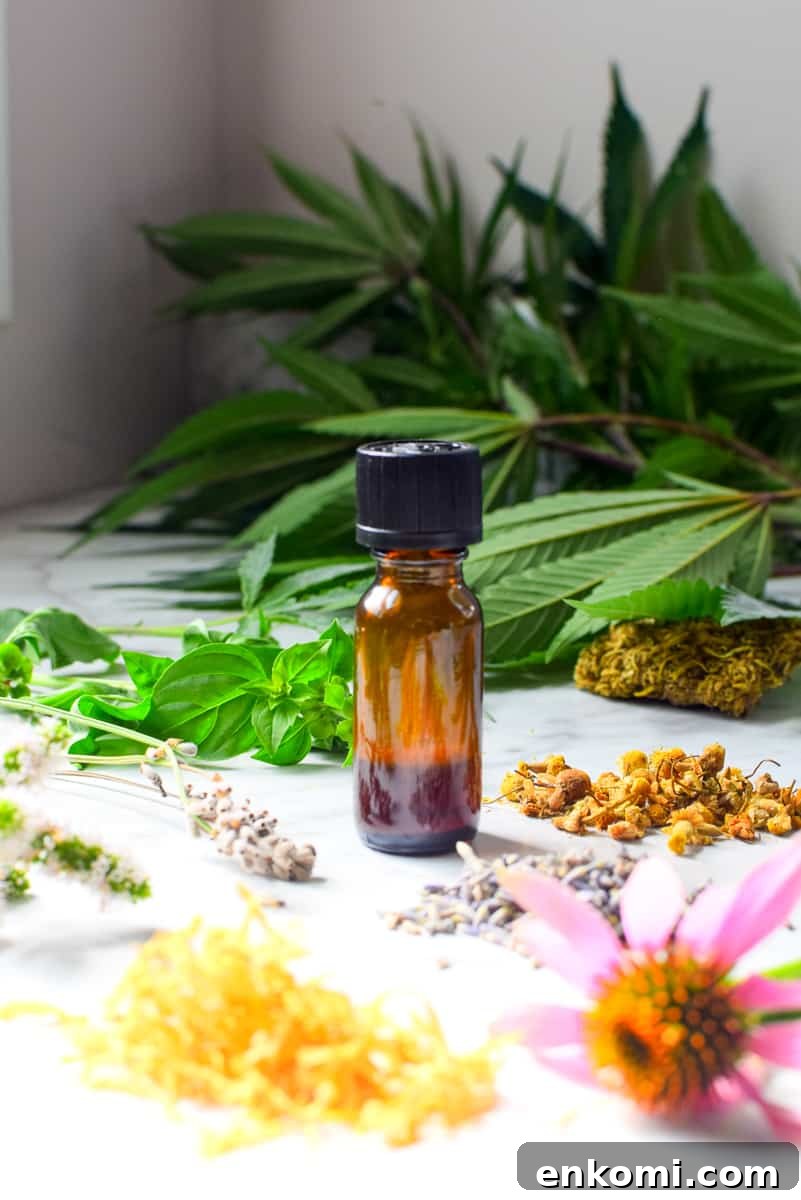
Tinctures are compact, scent-free, and easy to use discreetly. A small dropper bottle fits in a pocket or purse and allows quiet, private dosing without smoke, vapor, or lingering odors—making tinctures a practical option for users who prefer to keep their cannabis use low-profile.
#6 – Long Shelf Life
Alcohol preserves plant compounds, so properly made tinctures stored in cool, dark conditions can remain potent for a year or longer. This stability makes tinctures suitable for stocking up and for predictable use over time—just label your batches with date, strain, and potency estimates.
#7 – Supports the Endocannabinoid System (ECS)
Tinctures deliver cannabinoids and terpenes that interact with the endocannabinoid system, which plays a key role in maintaining physiological balance. A well-formulated tincture can offer targeted support by providing a range of plant compounds that work together with the body’s systems.
#8 – Full-Spectrum Benefits
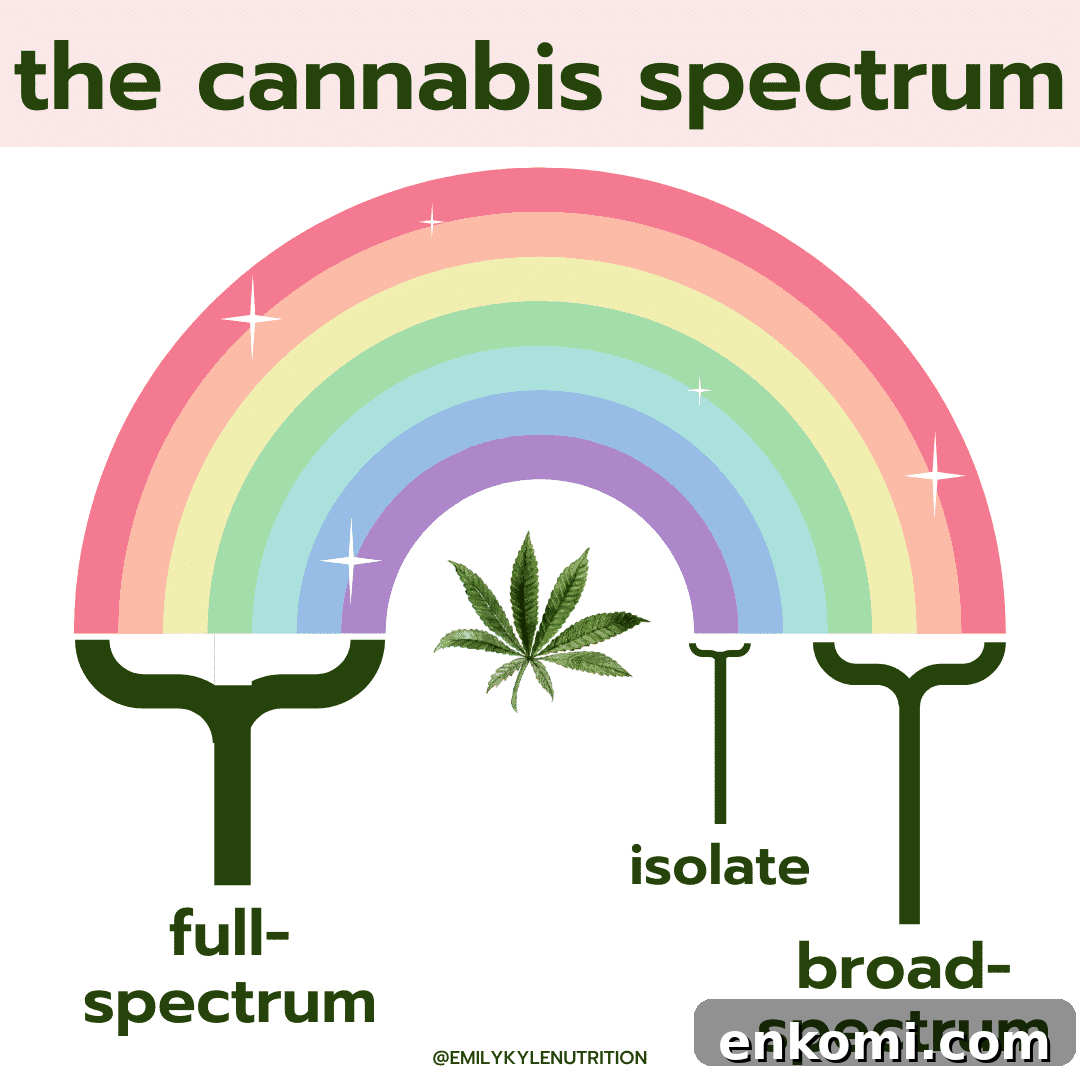
Alcohol is an effective solvent, allowing tinctures to capture a broad range of cannabinoids, terpenes, and flavonoids. Full-spectrum tinctures preserve the natural profile of the plant, which many users seek for a potential entourage effect—where multiple compounds work together to enhance benefits.
#9 – Medicinal Benefits
Cannabis has a long history of medicinal use. Many users find tinctures helpful for managing symptoms like chronic pain, inflammation, menstrual cramps, anxiety, and sleep issues. Because tinctures allow for controlled dosing and rapid onset, they are often integrated into daily wellness routines and therapeutic plans.
#10 – Versatile
Tinctures can be used in multiple ways: held sublingually for fast effects, mixed into beverages, added to recipes, or combined with carrier oils after alcohol evaporation to create infused oils. This flexibility makes tinctures useful for many routines and preferences.
Need a practical how-to? Look for step-by-step guides that show sublingual dosing, evaporation techniques, and safe infusion methods to convert tinctures into other formats if you prefer.
Tincture Recipes to Try
There are many tincture recipes depending on your goals. Use CBD-rich flower for non-intoxicating tinctures, CBG flower for CBG-focused extracts, or decarboxylated THC flower if you want psychoactive effects. Cold soak, golden dragon, QWET freezer washes, and THCA or CBDA-specific methods are all valid approaches—each yields different cannabinoid and terpene profiles.
Recipes
Cannabis Infusions & Extractions
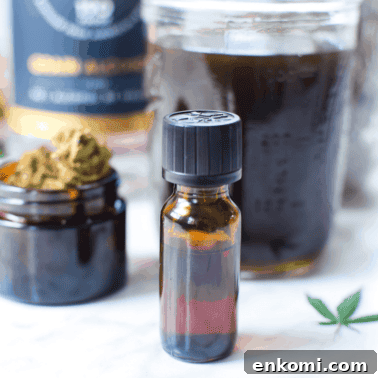
Easy Green Dragon Recipe — Alcohol Tincture
Cannabis Infusions & Extractions
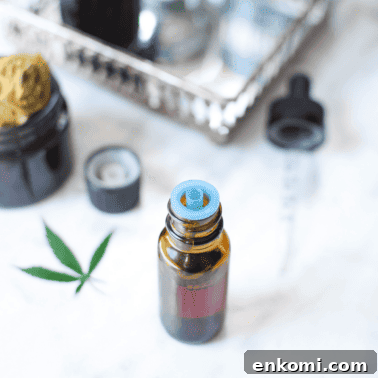
Golden Dragon QWET Freezer Tincture
Cannabis Infusions & Extractions
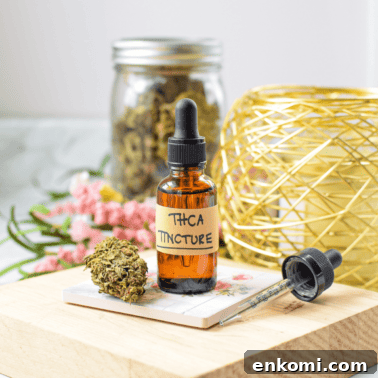
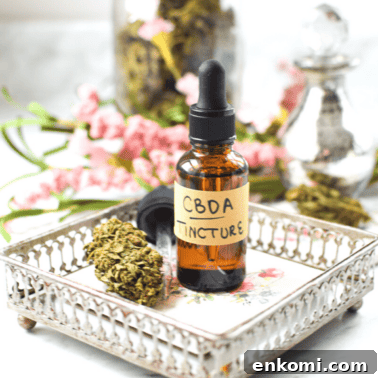
How to Make a THCA Tincture
Cannabis Infusions & Extractions
How to Make a CBDA Tincture
Frequently Asked Questions
Yes. You can blend separate tinctures—such as CBD-rich and THC-containing extracts—to achieve preferred cannabinoid ratios. Start small and adjust slowly so you can evaluate effects safely.
You can evaporate the alcohol safely to produce a more oil-like extract, then mix that concentrate with a carrier oil such as MCT. Other options include incorporating tinctures into recipes, making infused sugars or salts, or creating gummies for a gentler experience.
Many benefits—ease of dosing, long shelf life, and concentrated delivery—extend to other alcohol-based herbal tinctures, though individual plant constituents and effects will of course vary.
Conclusion
Cannabis tinctures provide a compelling combination of convenience, control, and versatility. They’re easy to make or buy, allow for precise dosing, act quickly when used sublingually, and can deliver full-spectrum plant benefits with a long shelf life. For many people they offer a discreet, practical alternative to smoking or edibles.
As always, begin with a low dose, be mindful of potency, and increase slowly until you find the right amount for your needs. If you use tinctures medicinally or alongside other medications, consult a healthcare professional for personalized guidance.
What tincture benefits have you noticed most? Share your experiences with others to help the community learn.
More Tincture Guides
Holistic Health
A Beginner’s Guide to Crafting Herbal Tinctures
How-To Guides
How to Use a Cannabis Tincture: Step-by-Step
How-To Guides
Tinctures vs. Edibles: Key Differences
Tincture Resources