
Learn how to press tofu with or without a tofu press to achieve the best results for frying, baking, breading, crumbling and marinating tofu.
For a deeper introduction to tofu and which types work best in different dishes, see my guide to tofu and tempeh.
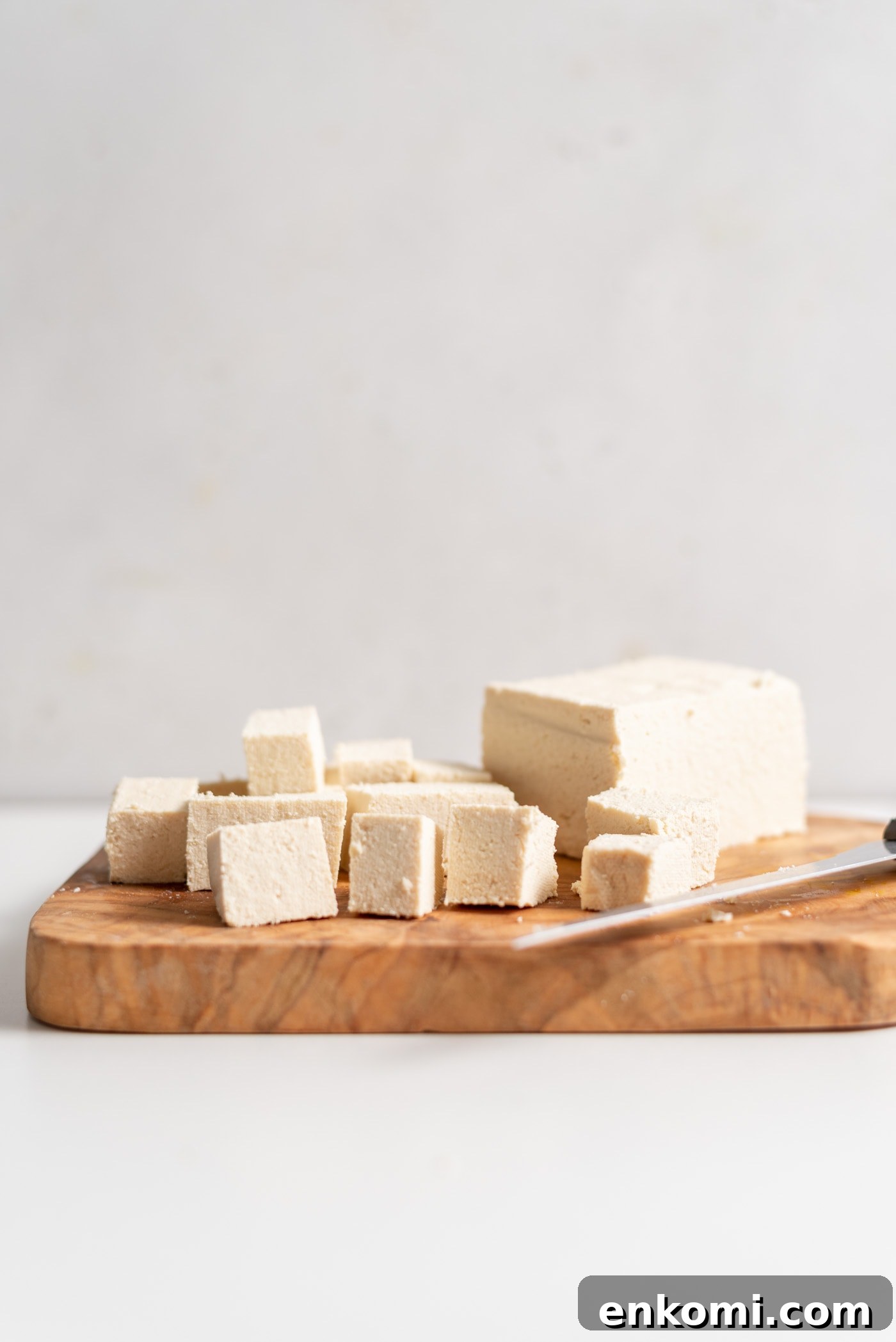
Why press tofu?
Tofu contains a lot of water from the way it’s made and how it’s packaged. Removing excess moisture improves texture and flavor absorption. Pressed tofu browns and crisps much better when baked or fried, and it soaks up marinades more effectively. Pressing simply means applying steady, even pressure to squeeze liquid out of the block before cooking.
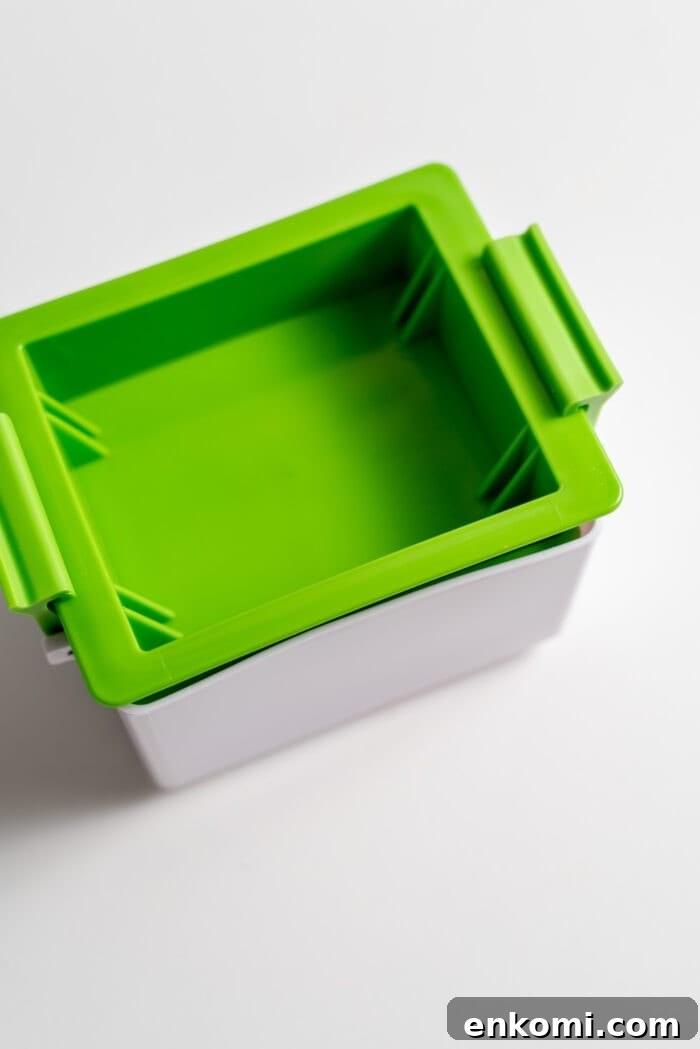
You can press tofu with a simple DIY setup—using a clean dish towel and a heavy object—or you can use one of the many purpose-built tofu presses available. Both methods work well; the choice depends on convenience and how often you prepare tofu.
Do you always have to press tofu?
No. You can cook with tofu straight from the package if you prefer. For many simple preparations—stir-fries, blended sauces, smoothies—unpressed tofu is fine. However, if you want crisp edges, a chewier bite, or deeper flavor from marinades, pressing makes a noticeable difference. Pressing is an extra step but often worth the small time investment for better texture and taste.
When to press tofu
Firm and extra-firm tofu benefit the most from pressing because they hold their shape and can release more water without falling apart. Medium tofu can be pressed gently, while soft or silken varieties are too delicate and should not be pressed. Press firm or extra-firm tofu when baking, frying, crumbling for taco-style fillings, or marinating to improve flavor penetration and texture.
DIY Tofu Press Method
A simple DIY method works well and costs nothing. I used this approach for years before buying a press. It’s reliable, easy, and requires items most kitchens already have.
Step 1: Open the package and drain off the packing liquid. Tilt the package and pour out the water, then remove the block carefully.
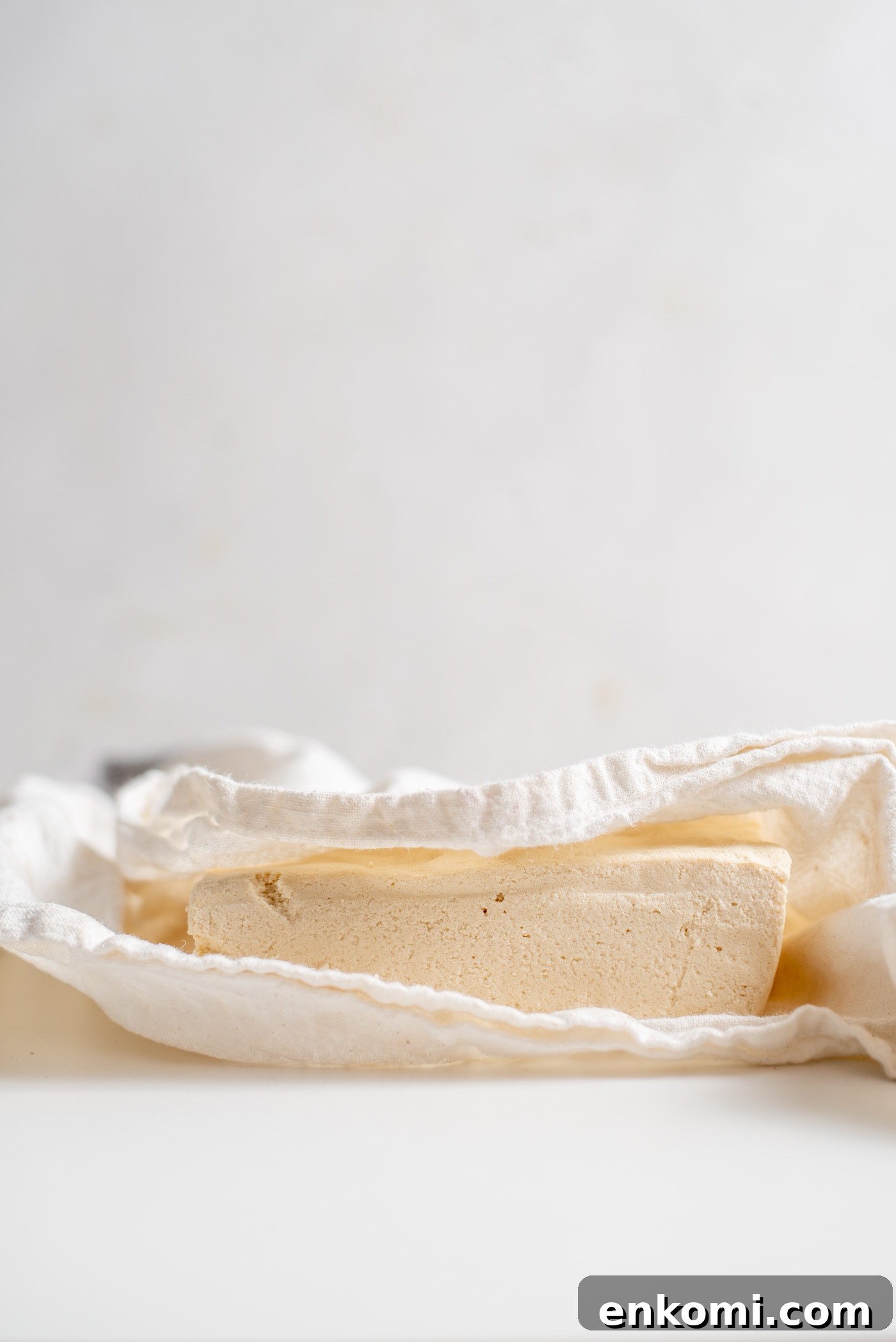
Step 2: Wrap the drained block in a clean dish towel or sandwich it between folded paper towels. Place the wrapped tofu on a plate or shallow tray to catch liquid.
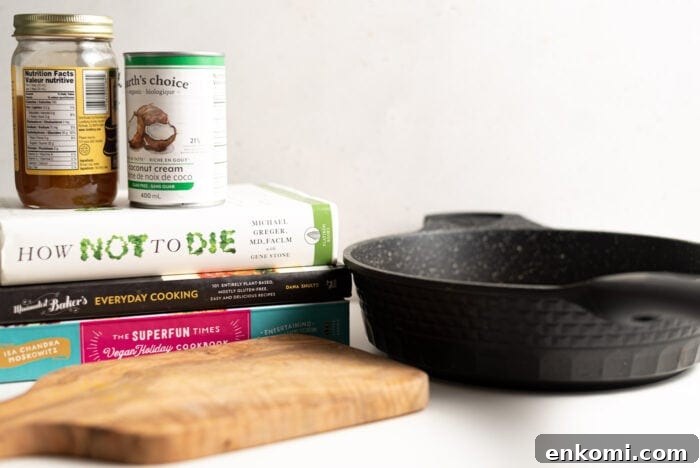
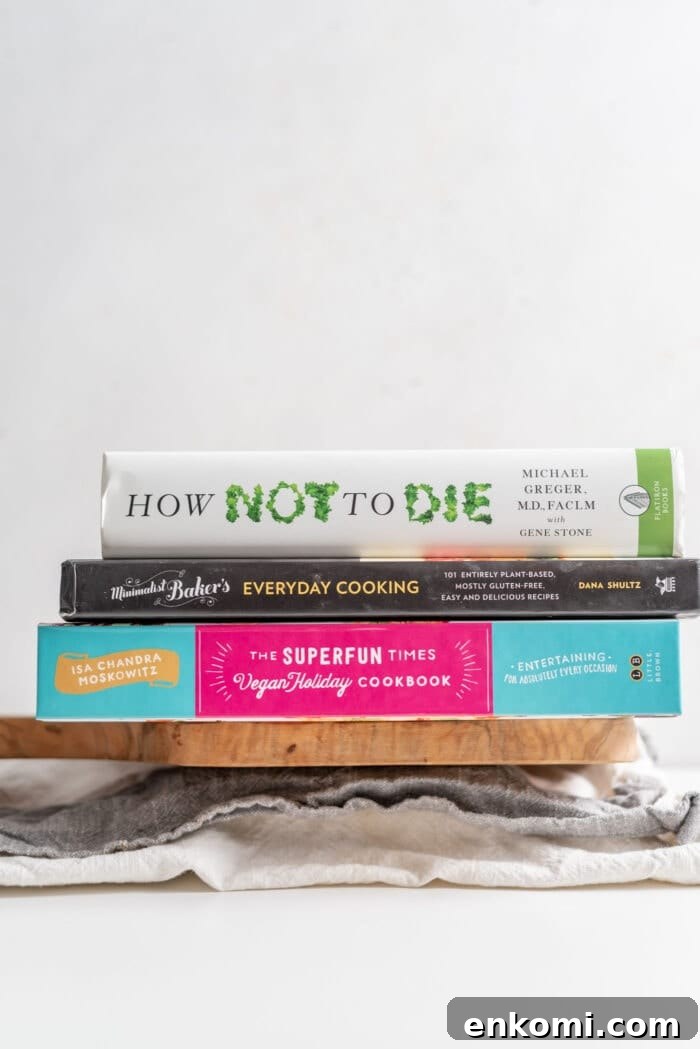
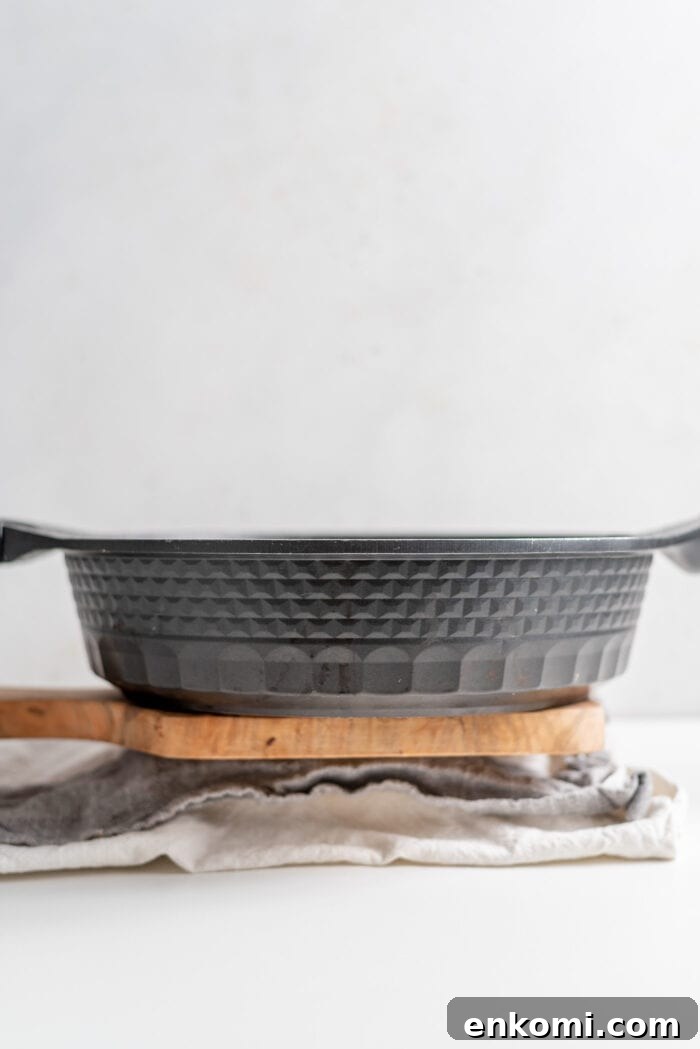
Step 3: Place a flat board or cutting board on top of the wrapped tofu and add weight. Heavy books, canned goods or a cast-iron skillet work well. A stable base and even pressure help the water expel uniformly.
Step 4: Let the tofu sit for 20–30 minutes. If you’re short on time, 10–15 minutes will still help. After pressing, unwrap and proceed to slice, cube, crumble or marinate the tofu for your recipe.
Try different weights to see what works in your kitchen: a stack of books, a couple of cans, or a heavy pan are all effective. Using a plate underneath keeps countertops clean by catching the drips.
Using a Tofu Press
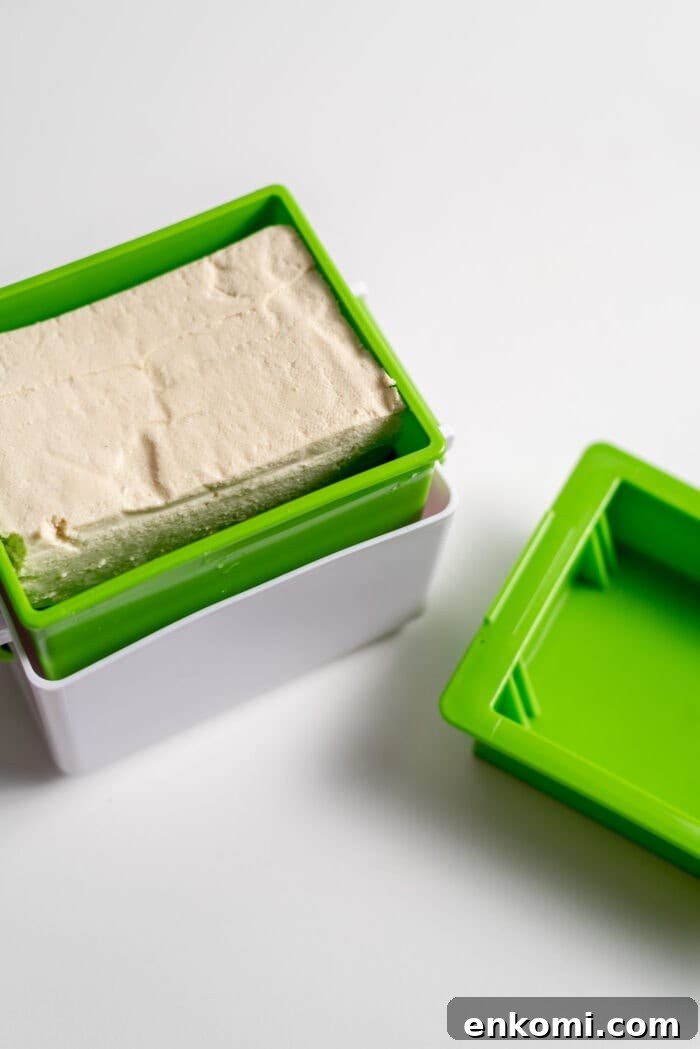
Tofu presses are convenient and tidy. They apply even pressure without balancing heavy objects and many models collect the expelled liquid, reducing mess. Advantages include:
- The ability to press tofu in the refrigerator if you want to leave it overnight.
- Safer, more consistent pressure without worrying about toppling books or pans.
- Some designs channel the liquid away from the block, minimizing cleanup.
While a press is slightly more convenient, the DIY method is effective and economical. If you prepare tofu often, a press can save time and hassle; otherwise, a towel-and-weight approach works just as well.
Can I freeze pressed tofu?
Yes. Firm and extra-firm tofu can be frozen either before or after pressing. Freezing changes the internal texture, creating a chewier, more porous structure that resembles meat more closely and absorbs marinades exceptionally well after thawing. Frozen and thawed tofu works especially well for frying, baking, and recipes that benefit from a firmer bite.
How to Use Pressed Tofu
Once pressed, tofu is ready for many preparations: freeze it, cube it, slice it, crumble it, marinate it, or coat and fry it. Pressed tofu shines in recipes where texture matters and where you want crisp edges or deep flavor infusion. Try it in tofu feta, BBQ-style tofu bowls, sesame tofu lettuce wraps, or in chopped salads with spicy dressings. Pressing is a simple technique that elevates plant-based cooking by improving texture and flavor uptake.