

Introduction to Hotel Check-In Process for Customer
First impressions matter in hospitality. The check-in experience is often the first direct contact a guest has with a property, so streamlining that process improves guest satisfaction and sets a positive tone for the entire stay. Below are practical, guest-focused strategies for modernizing your hotel check-in process while increasing operational efficiency and ancillary revenue.
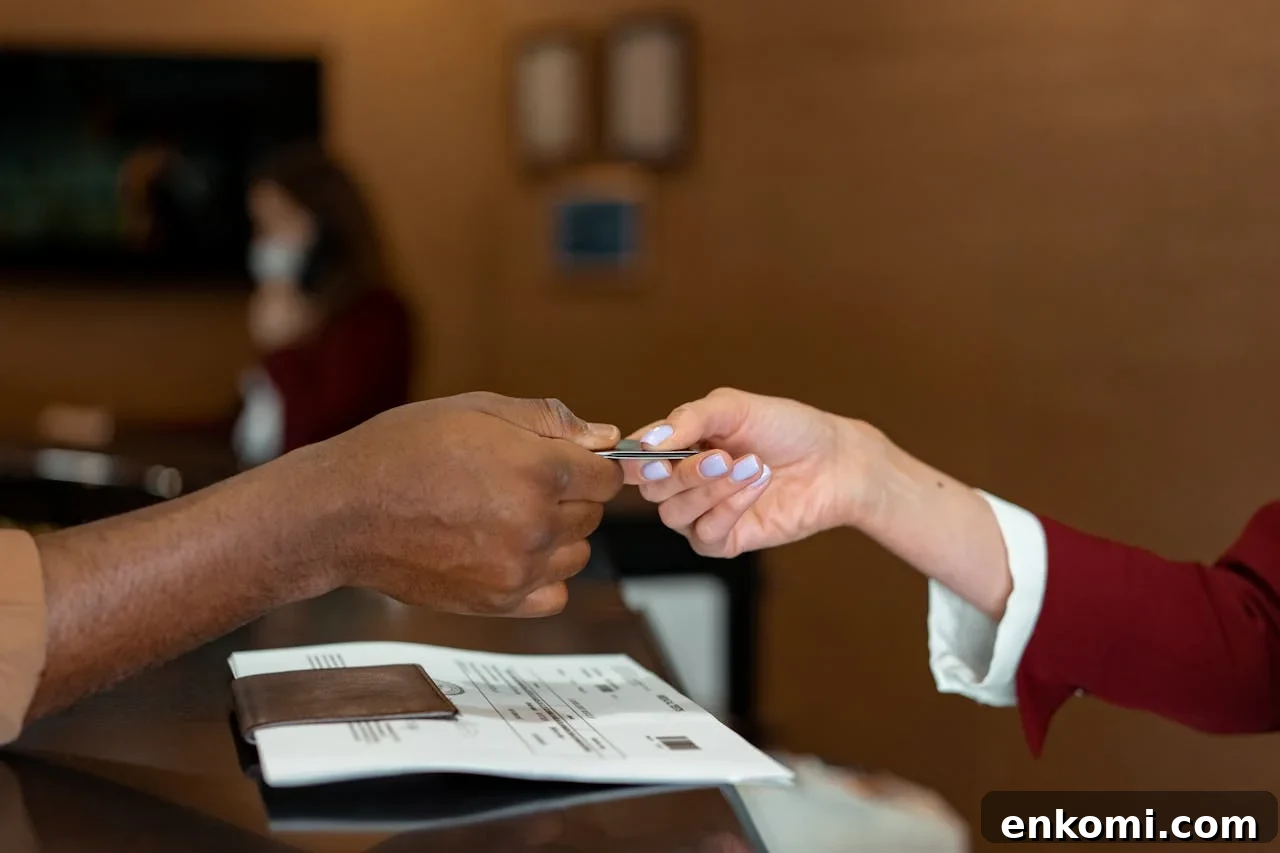
1. Offer Remote and Mobile Check-In
Allowing remote check-in—whether through a web portal or a dedicated mobile app—gives guests control and reduces friction on arrival. Remote check-in enables guests to select their room, provide required identification and payment details in advance, and receive confirmation before they travel. It also provides a valuable marketing channel: highlight hotel features, promote special offers, and present relevant upsell options (room upgrades, dining packages, spa treatments) during the check-in flow.
For convenience and security, integrate mobile check-in with mobile keys or RFID activation. Guests can use an app as a digital key or pick up an RFID key card that has already been activated, enabling a smooth, contactless entry to their room upon arrival.
2. Make Check-In Time Flexible
Traditional fixed check-in and check-out times no longer fit many modern travel patterns. International arrivals and long-haul flights often land in the early morning, while departures can be late at night. Providing flexible check-in and check-out options better aligns with guests’ travel schedules and improves overall satisfaction.
To implement flexibility, consider options such as variable check-in windows, guaranteed early check-in for a fee, or a system that automatically notifies guests when their room is ready. Many hotel groups are adapting to guest preferences by offering more flexible scheduling, which reduces queues and improves operational flow at the front desk.

3. Charge for Guaranteed Early or Late Check-In
Offering paid early or late check-in provides guests with useful flexibility while generating incremental revenue. For travelers arriving on early flights or those with late-night schedules, a small fee can secure a guaranteed room access time. This approach is now common among major hotel brands and can be structured as an optional add-on during booking or at the time of remote check-in.
4. Install Self-Service Kiosks in the Lobby
Self-service check-in kiosks speed up arrival procedures and reduce front desk congestion. Guests who prefer privacy and speed can complete identity verification, sign registration forms, and print or receive digital key credentials without waiting in line. For hotels, kiosks reduce staffing pressure during peak periods and allow staff to focus on personalized service for guests who need assistance.
Modern kiosks can do more than simple registration. They can suggest upgrades, display on-site amenities, and handle payment authorization securely. Combining kiosks with staff-assisted service creates a hybrid model that accommodates diverse guest preferences.
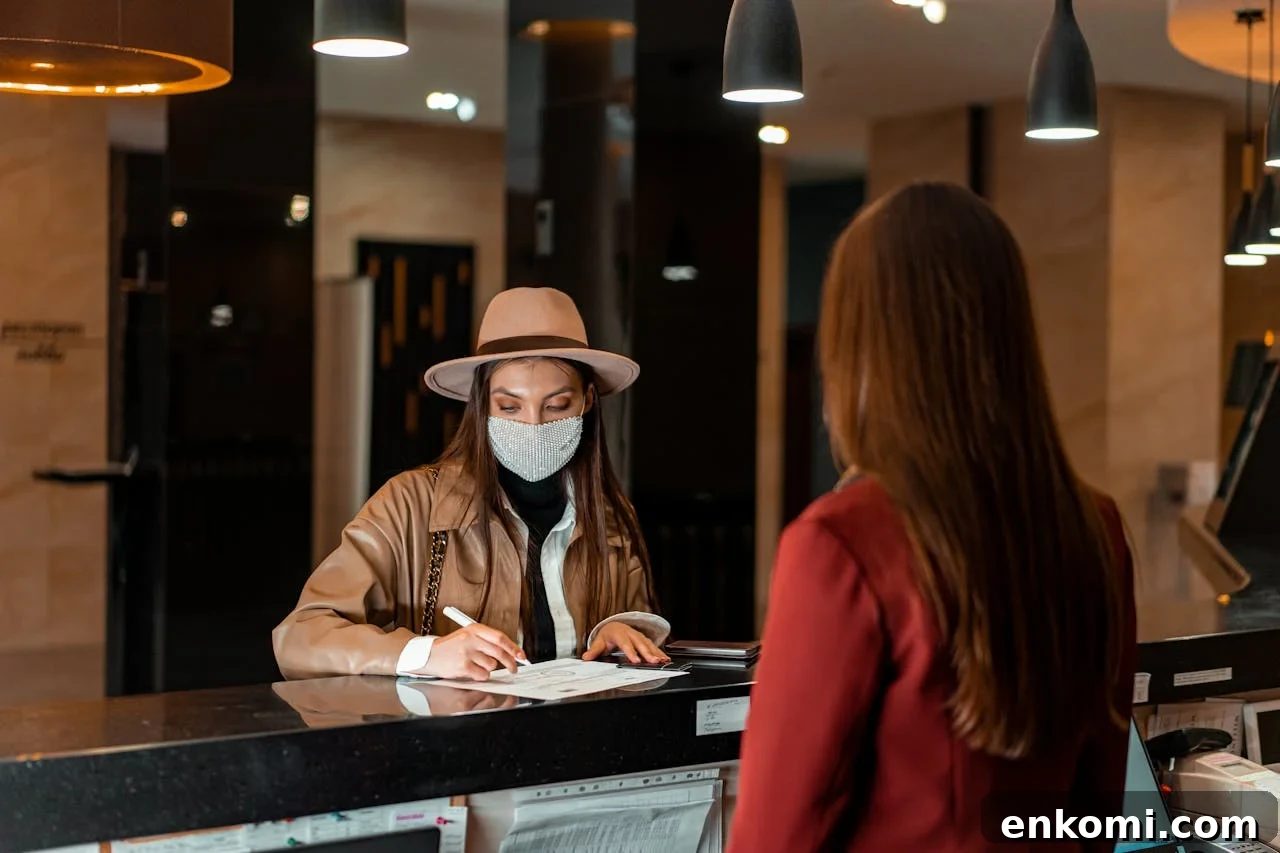
Conclusion
Adopting remote check-in, flexible timing, paid early/late check-in options, and self-service kiosks can transform the guest arrival experience. These measures reduce wait times, increase guest satisfaction, and create new revenue opportunities while allowing staff to concentrate on higher-value guest interactions. Implementing a mix of digital and in-person options means you can cater to different traveler preferences and deliver a memorable, efficient first impression.
We at NFCI Hotel Management Institute provide quality education for people aspiring to start a career in hotel management. Visit NFCI Hotel Management Institute for more details.