
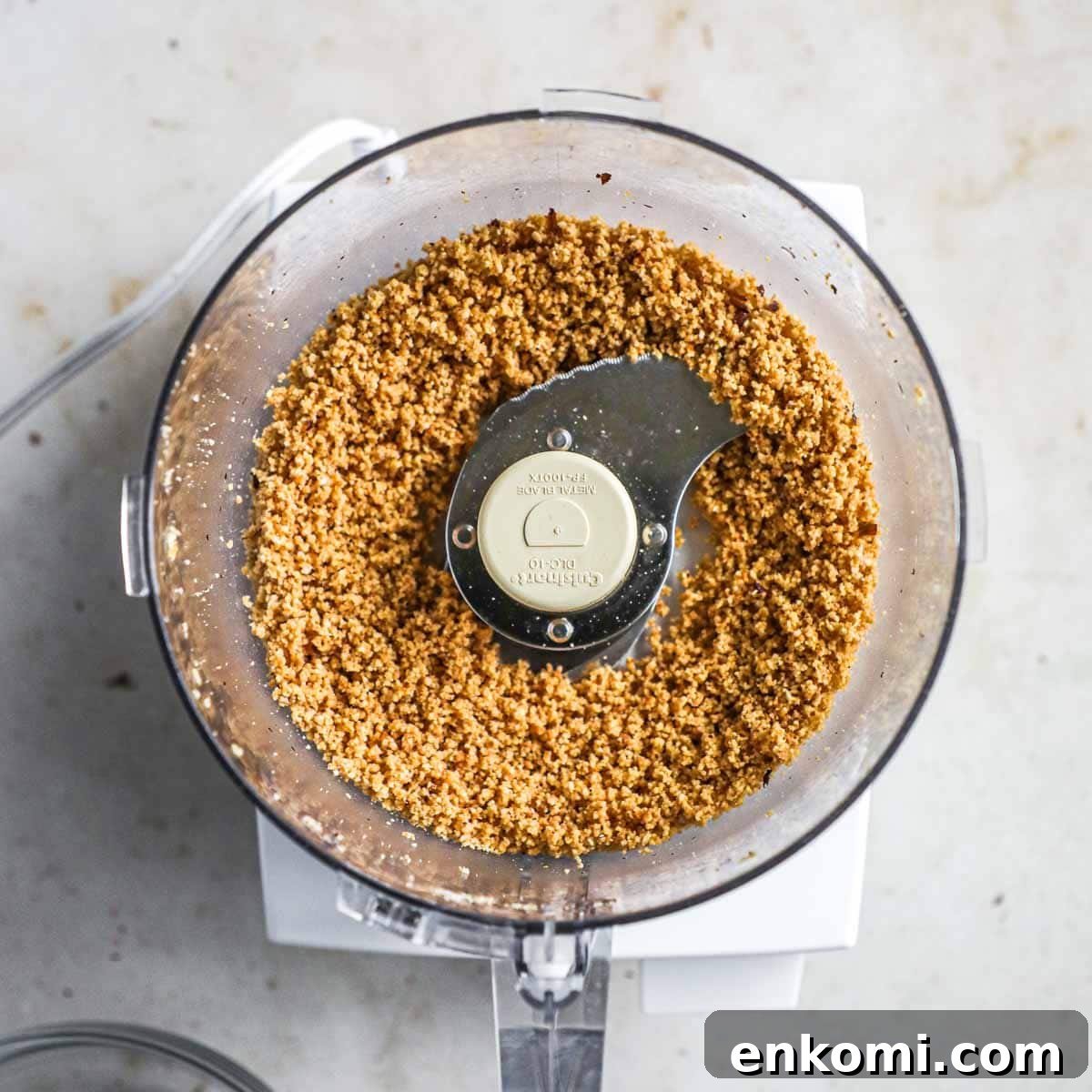
Hazelnut Flour is a flavorful, nutty alternative to regular wheat flour that brings a rich, buttery note to cookies, cakes, pancakes, nut bars and more. It’s simply toasted hazelnuts ground into a fine meal. Making hazelnut flour at home is fast, affordable, and delivers fresher, more intense flavor than many store-bought versions.
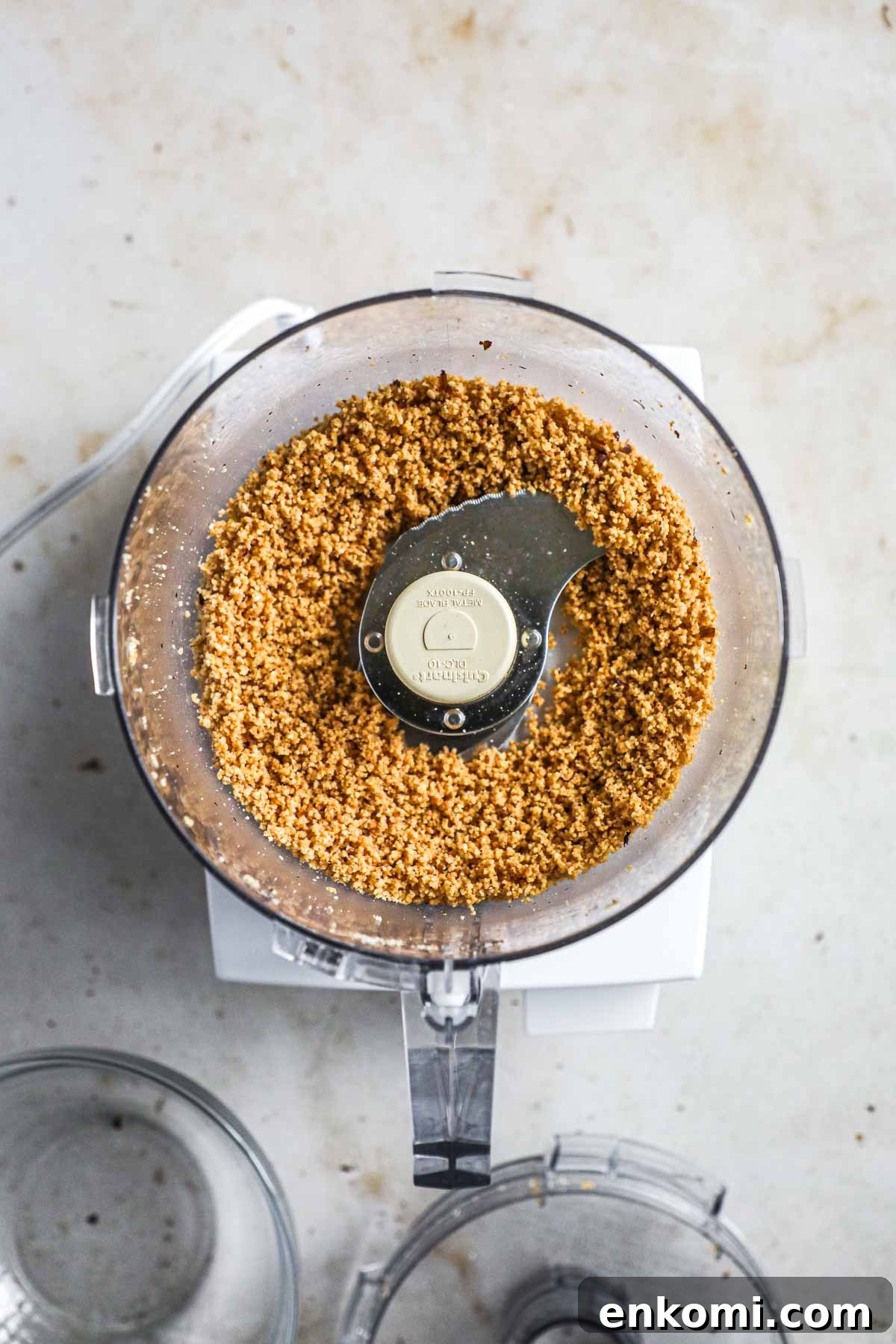
Hazelnut flour (also called hazelnut meal) is made by grinding hazelnuts until they become a sandy, mealy powder. Toasting the nuts before grinding deepens their flavor and releases the oils that create a rich, slightly buttery texture. The flour can be used on its own in gluten-free baking or combined with all-purpose or other nut flours to enhance flavor and tenderness. It’s especially lovely in chocolate-hazelnut cookies, tarts, pancakes, muffins and quick breads.
What is hazelnut flour?
Hazelnut flour is simply ground hazelnuts. When the nuts are toasted first, the result is more aromatic and richer in flavor. The finished meal can vary from fairly fine to slightly coarse depending on how long you pulse in a food processor or blend in a high-speed blender. It’s naturally gluten-free and brings both flavor and healthy fats to recipes.
What can you use hazelnut flour for?
Use hazelnut flour to add depth to baked goods like cookies, cakes, muffins and quick breads. It works well folded into batters for pancakes and waffles, stirred into granola, or used as a coating or crumb substitute for meats, fish or vegetable cutlets. Hazelnut flour also pairs beautifully with chocolate and citrus flavors, making it a classic choice for many dessert recipes.
About Hazelnut Flour
- Flavor – Distinctly nutty, slightly sweet and buttery when toasted.
- Texture – Fine and mealy but with a delicate crunch from the hazelnut oils and small pieces.
- Time – Grinding takes about 30–60 seconds. Toasting the hazelnuts ahead of time adds 8–10 minutes.
- Effort – Minimal: place nuts in a dry food processor or blender and pulse until the desired consistency is reached.
Ingredients
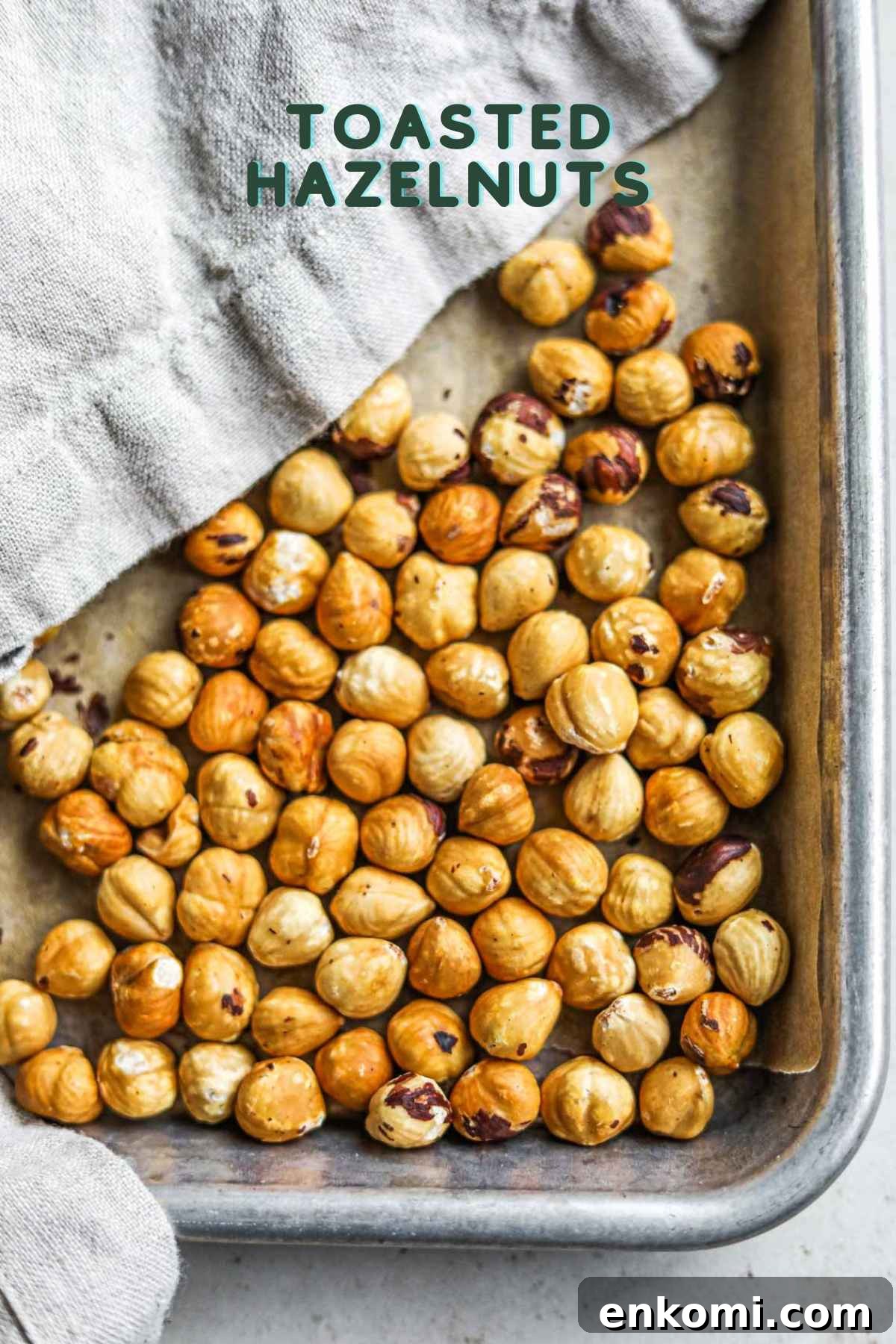
- Hazelnuts – Use raw hazelnuts or pre-toasted hazelnuts. For the most aromatic meal, toast raw hazelnuts first to bring out their oils and deepen the flavor.
Typical yield: about 2 cups whole hazelnuts yields roughly 1 cup hazelnut flour.
Variations
- Hazelnut-almond meal – Combine toasted hazelnuts with toasted almonds and pulse together for a mixed nut meal with complementary flavors.
- Sweeter meal – Add a tablespoon or two of powdered sugar when blending if you want a slightly sweetened nut flour for desserts.
Instructions
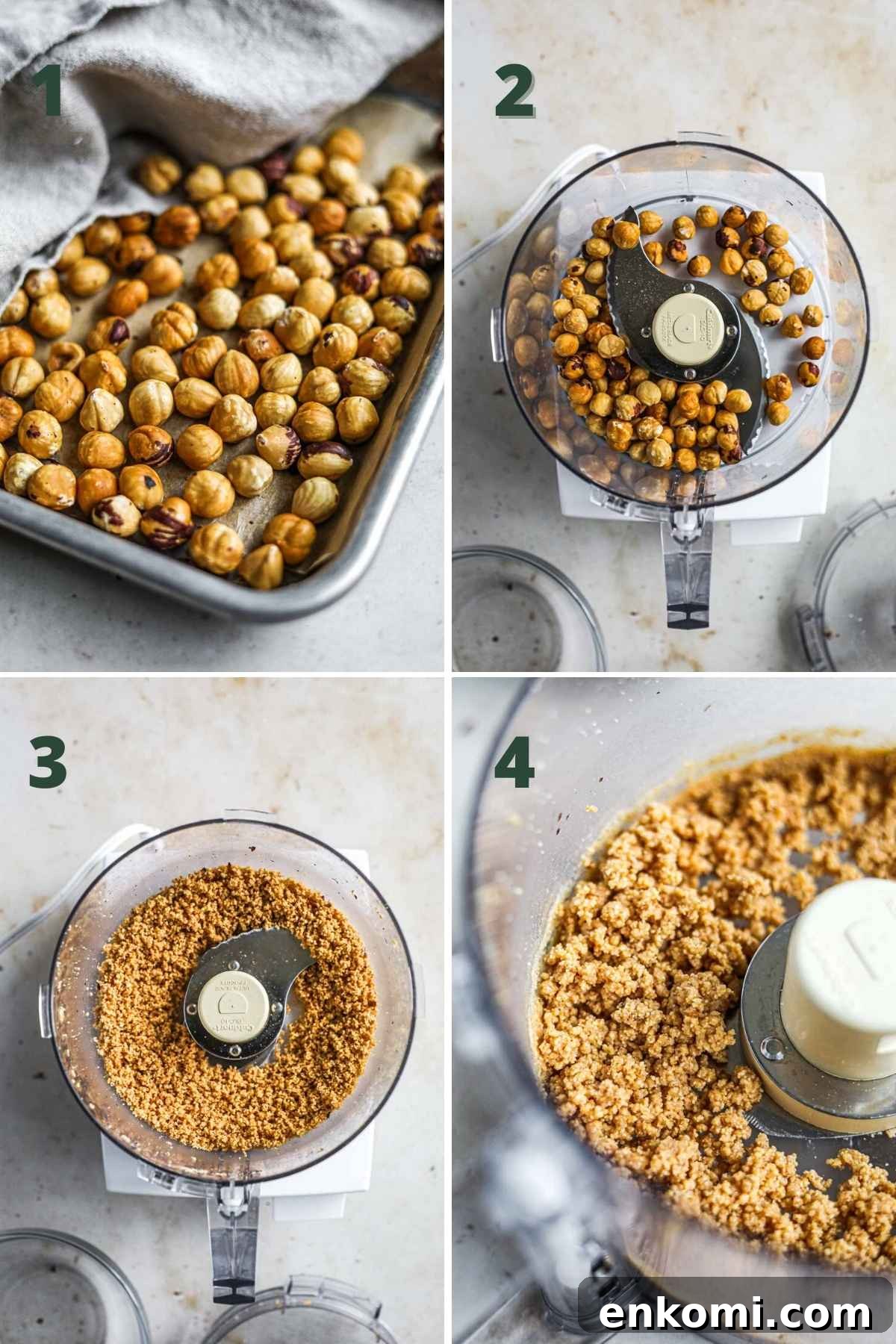
- Toast (optional) – Preheat the oven to 350°F (175°C). Spread hazelnuts in a single layer on a baking sheet and toast for 8–10 minutes, shaking once, until fragrant and lightly browned. Allow to cool slightly. If the skins are loose, rub the nuts in a clean kitchen towel to remove most of the skins.
- Grind – Place cooled, dry hazelnuts in a food processor or high-speed blender. Pulse in short bursts until the nuts become a sandy powder. Stop frequently to scrape the sides. Avoid overprocessing, which will release oils and turn the mixture into nut butter.
- Use – Measure and use the hazelnut flour in recipes. Keep in mind that nut flours lack gluten and absorb more fat and moisture, so recipe adjustments may be needed when substituting for wheat flour.
Pro tip: Ensure your food processor or blender is completely dry before grinding to prevent clumping and to extend shelf life.
Storage
Store hazelnut flour in an airtight container in a cool, dark place for up to one month. For longer storage, refrigerate or freeze the flour in a sealed container for up to three months. Bring to room temperature before using in recipes to avoid condensation.
Top tips
- Watch baking closely: goods made with nut flours can brown or burn more quickly than those made with wheat flour.
- Measure yield: as a general guide, 2 cups whole hazelnuts produce about 1 cup of hazelnut meal.
- Avoid over-blending to prevent turning the meal into hazelnut butter.
Recipe FAQs
Yes. Hazelnut flour and hazelnut meal are terms used interchangeably for ground hazelnuts.
You can replace part of the wheat flour with hazelnut flour, but because hazelnut flour contains no gluten and is lower in starch, most recipes require adjustments. Often it works best blended with other flours and with a bit more leavening to improve rise and texture.
Yes. Pure hazelnut flour is gluten-free, but ensure cross-contamination hasn’t occurred if you need strict gluten-free handling.
Recipe
How to Make Hazelnut Flour (Meal)
Quick and simple: toasted hazelnuts pulsed into a fragrant, buttery flour perfect for baking and cooking.
Ingredients
- 2 cups hazelnuts (yields about 1 cup hazelnut flour)
Instructions
- Toast the nuts (optional): Spread hazelnuts on a baking sheet and toast at 350°F (175°C) for 8–10 minutes. Cool slightly and rub to remove loose skins.
- Pulse to flour: Place cooled, dry hazelnuts in a food processor or blender. Pulse in short bursts until the mixture resembles a sandy powder, about 30 seconds to 1 minute. Stop before it becomes paste.
- Store or use: Use immediately in recipes or store in an airtight container in the fridge or freezer for longer shelf life.
Notes
- Yield guideline: 2 cups whole hazelnuts = ~1 cup hazelnut meal.
- Keep equipment dry and clean to extend freshness.
- Because nut flours brown faster, monitor baking times closely.
Nutrition snapshot (per cup, approximate)
Calories, fats and nutrients will vary by batch and processing; use nutrition values as an estimate when planning recipes.