
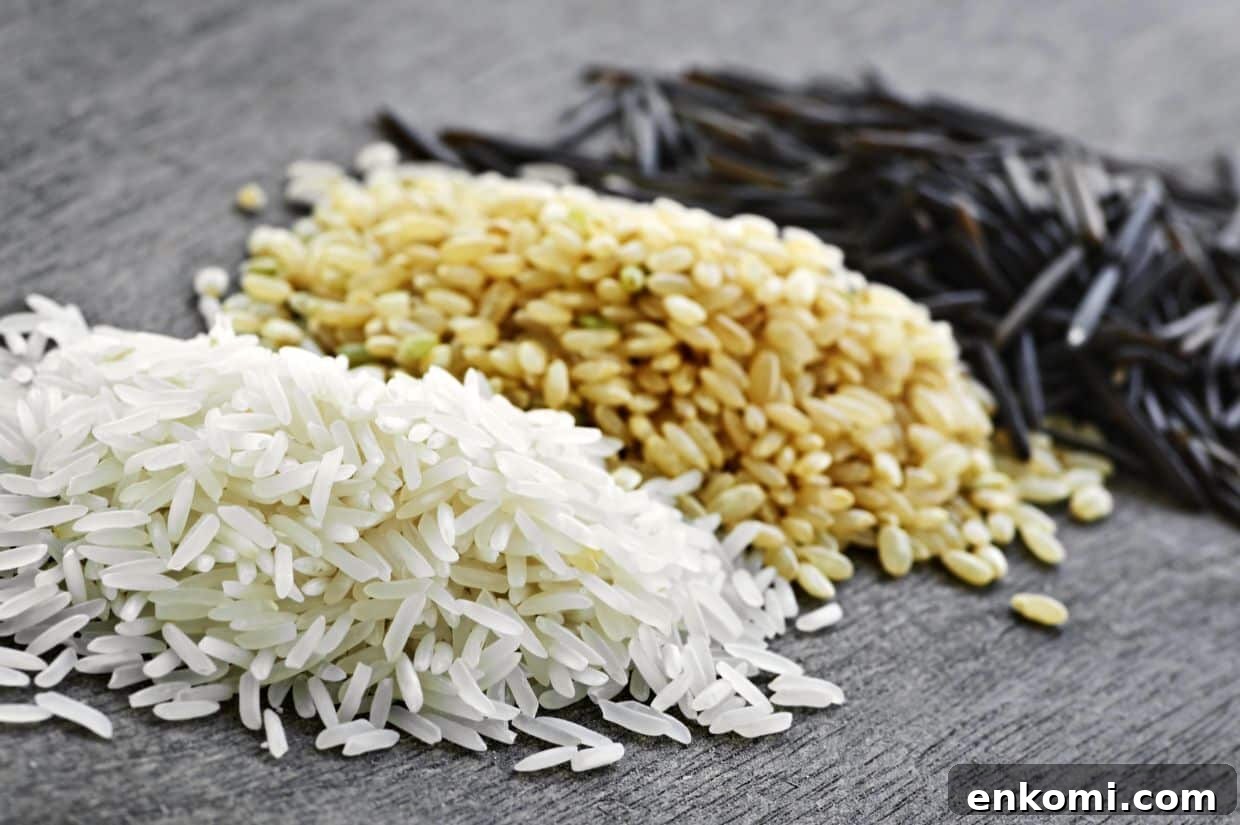
Navigating the many rice varieties on the grocery shelf can feel overwhelming. From long-grain to short-grain, and white to black, each type of rice behaves differently in the pot and suits different dishes. This guide breaks down the key rice types, their textures, cooking notes and best uses so you can pick the right rice for every meal.
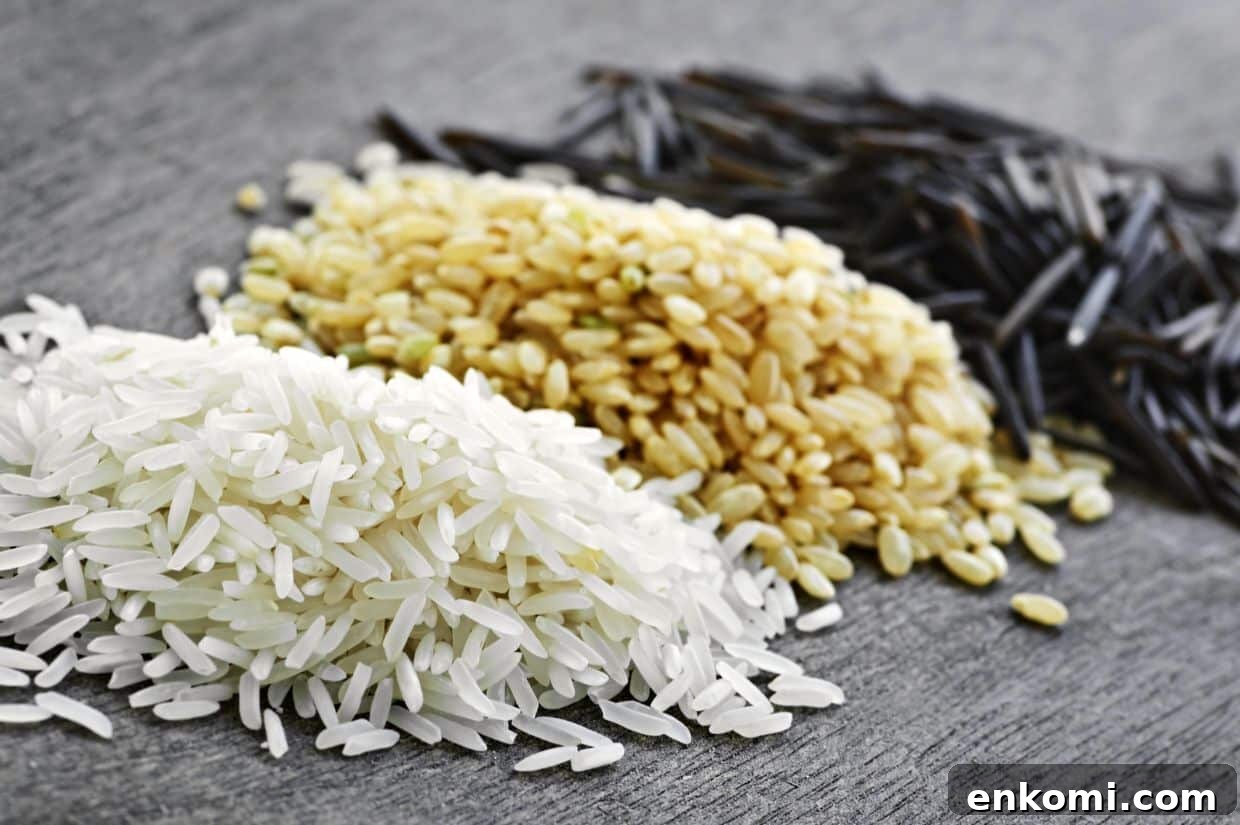
Understanding rice length
Before exploring specific varieties, it helps to know how rice is classified by grain length. Grain length influences texture and ideal culinary applications.
- Long grain — Light and fluffy when cooked, with separate, distinct grains. Common long-grain varieties include jasmine and basmati, which are great for pilafs, bowls and as side dishes that should remain separate.
- Medium grain — Tends to be tender and slightly more moist, with a tendency to cling together more than long grain. Arborio and carnaroli fall in this category and are prized for creamy preparations like risotto.
- Short grain — Short, plump grains that become sticky and clump together when cooked. This glue-like texture (unrelated to gluten) makes short-grain rice ideal for sushi, onigiri and certain rice puddings. Examples include glutinous rice and Bomba rice.
Popular types of rice
Here are the rice varieties you’re most likely to encounter, with practical tips for cooking and serving each one.
Basmati rice
Basmati is a long-grain indica rice known for a light, nutty flavor and a delicate floral aroma. It is available as both white and brown basmati. Basmati flakes out rather than clumps and can elongate significantly when cooked, which makes it excellent for biryanis, pilafs and stuffed peppers. For best texture and to reduce cooking time, soak basmati for about 30 minutes before cooking; this helps the grains expand evenly and absorb flavors from broths and spices.
Jasmine rice
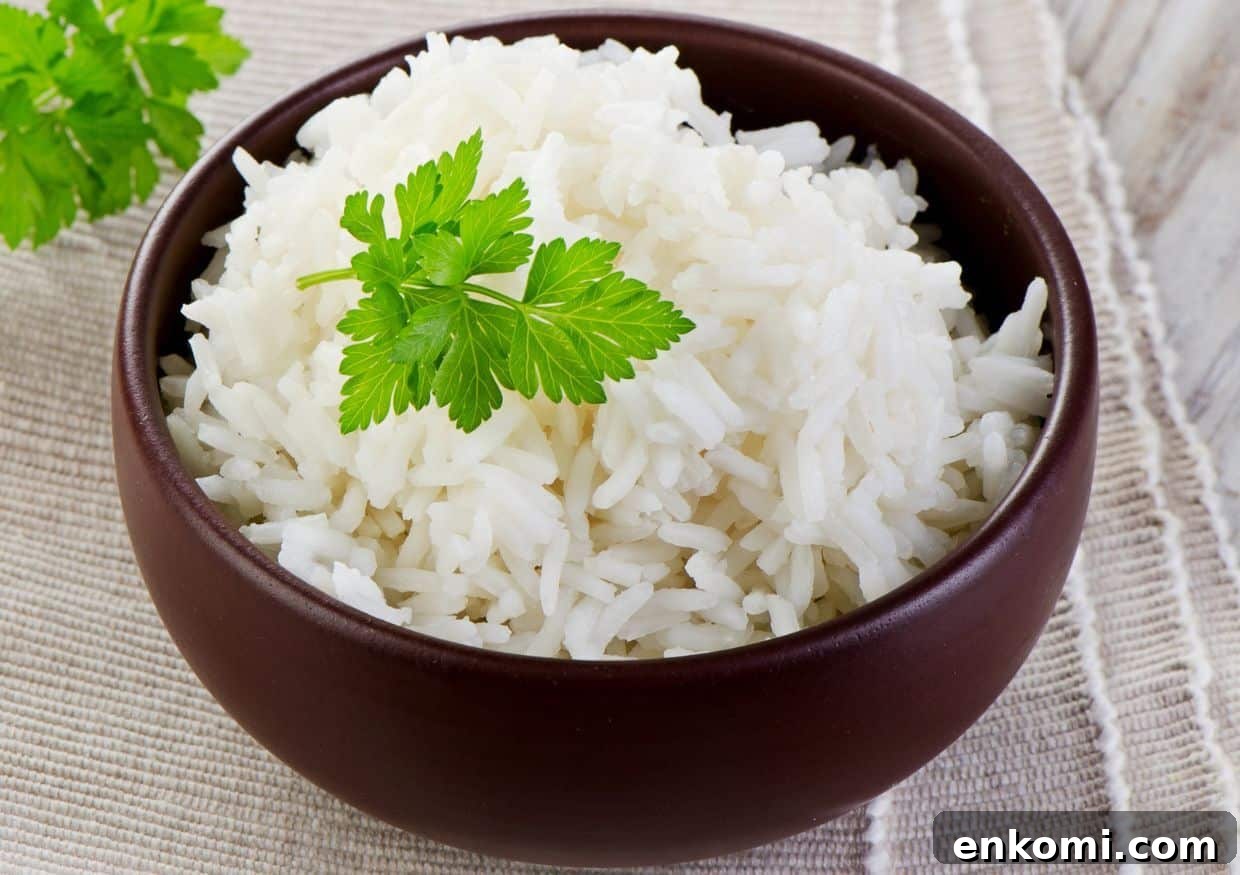
Jasmine is another long-grain variety, commonly grown in Southeast Asia. It offers a gentle floral aroma and a soft, slightly sticky texture compared with basmati. Jasmine works beautifully with Thai and other Asian cuisines, coconut rice, stir-fries and as a tender side for grilled or roasted proteins. It’s available in white and brown versions and is forgiving in recipes where moisture and a softer texture are desired.
Wild rice
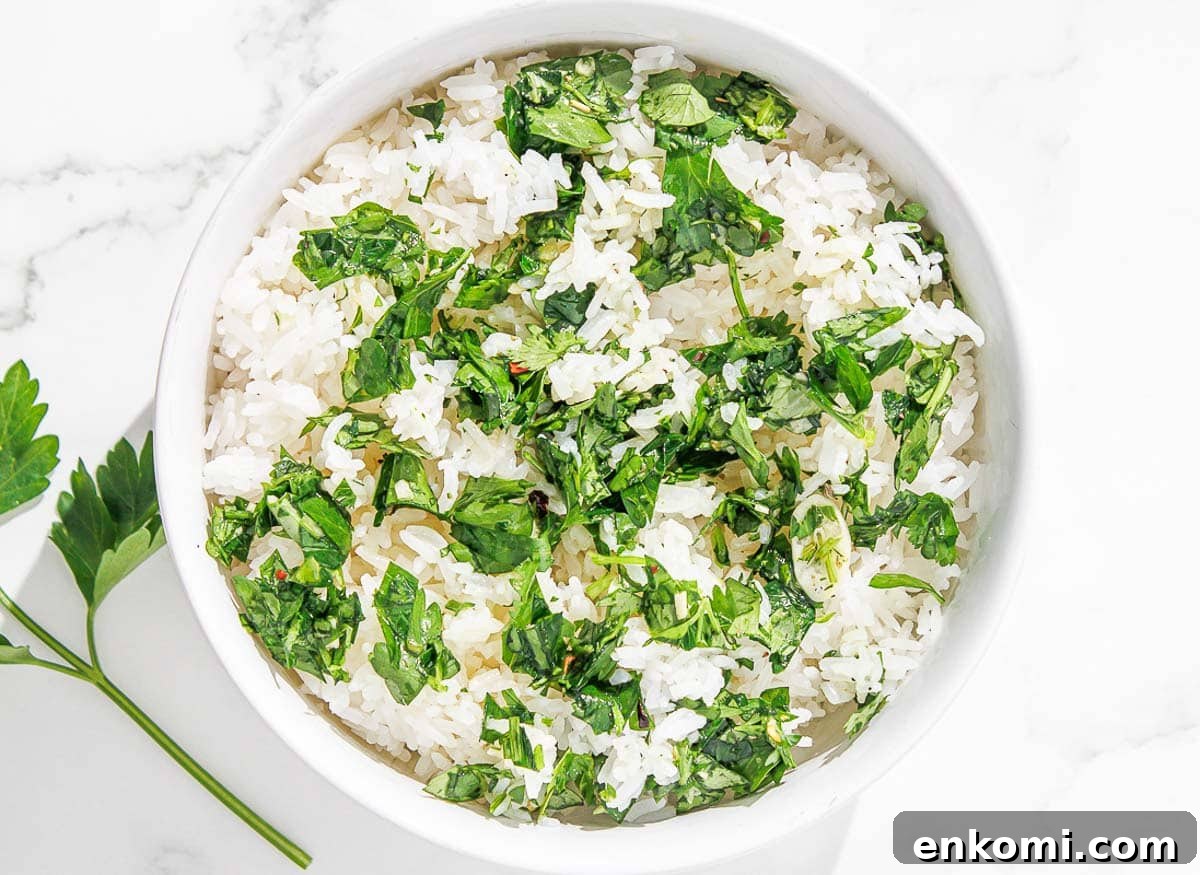
Wild rice is actually the seed of aquatic grasses rather than a true rice. It has a firm, chewy outer sheath and a tender interior, with a distinctly nutty, earthy flavor. Higher in protein and fiber than many rices, wild rice is ideal for hearty salads, grain bowls, soups and stuffings. It absorbs liquid slowly and can take up to an hour to cook, so plan accordingly. Prepare it by simmering in plenty of salted water, similar to cooking pasta, and remember it will expand substantially.
Arborio and carnaroli rice
These short-grain Italian varieties are prized for risotto because their high starch content creates a creamy, velvety texture. Arborio and carnaroli are plump and slightly chewy when cooked al dente. To make risotto, avoid rinsing the rice; those surface starches are essential. Add hot liquid gradually and stir frequently to coax out the rice’s creaminess while keeping a slight bite at the center.
Black rice
Often called forbidden rice, black rice is a whole-grain form of Oryza sativa known for its deep purple-black hue, which comes from anthocyanins, natural antioxidants. It has an earthy, nutty flavor and a chewy texture. Black rice is typically sold as a whole grain and takes longer to cook than white rice. It works nicely in grain bowls, salads and as a visually striking side dish.
Glutinous (sticky) rice
Glutinous rice, also known as sticky rice, has a high starch content that yields a compact, sticky texture when cooked. It is ideal for sushi, onigiri, certain desserts and traditional Asian sticky rice dishes. For authentic sticky rice texture, soak the grains overnight and steam them in a basket or steamer rather than boiling, which helps preserve their structure and chew.
Brown rice
Brown rice refers to any rice left with its bran and germ intact. That layer gives it a nuttier taste, chewier texture and more fiber than white rice, but it also increases cooking time. Brown rice works well in grain bowls, hearty salads and dishes where a more substantial, toasted flavor and firmer bite are desired. Keep in mind that cooking times are longer and liquid ratios differ from white rice, so follow package instructions for best results.
The last word on rice
Rice comes in many textures and flavors, and choosing the right type makes a big difference in the finished dish. Long-grain rices like basmati and jasmine shine when you want separate, fragrant grains; short-grain varieties and glutinous rice are best when stickiness or creaminess is required; and specialty rices such as wild and black rice bring unique textures and nutrition to salads, bowls and side dishes. With a little practice and the right rice for the job, you can elevate everyday meals and special recipes alike.
Gina Matsoukas is the writer, photographer and recipe creator of Running to the Kitchen. Focusing on healthy, seasonal, whole-food recipes, her work has been featured in various publications. Gina lives in central New York and enjoys an active outdoor life.
This article originally appeared on Food Drink Life.