
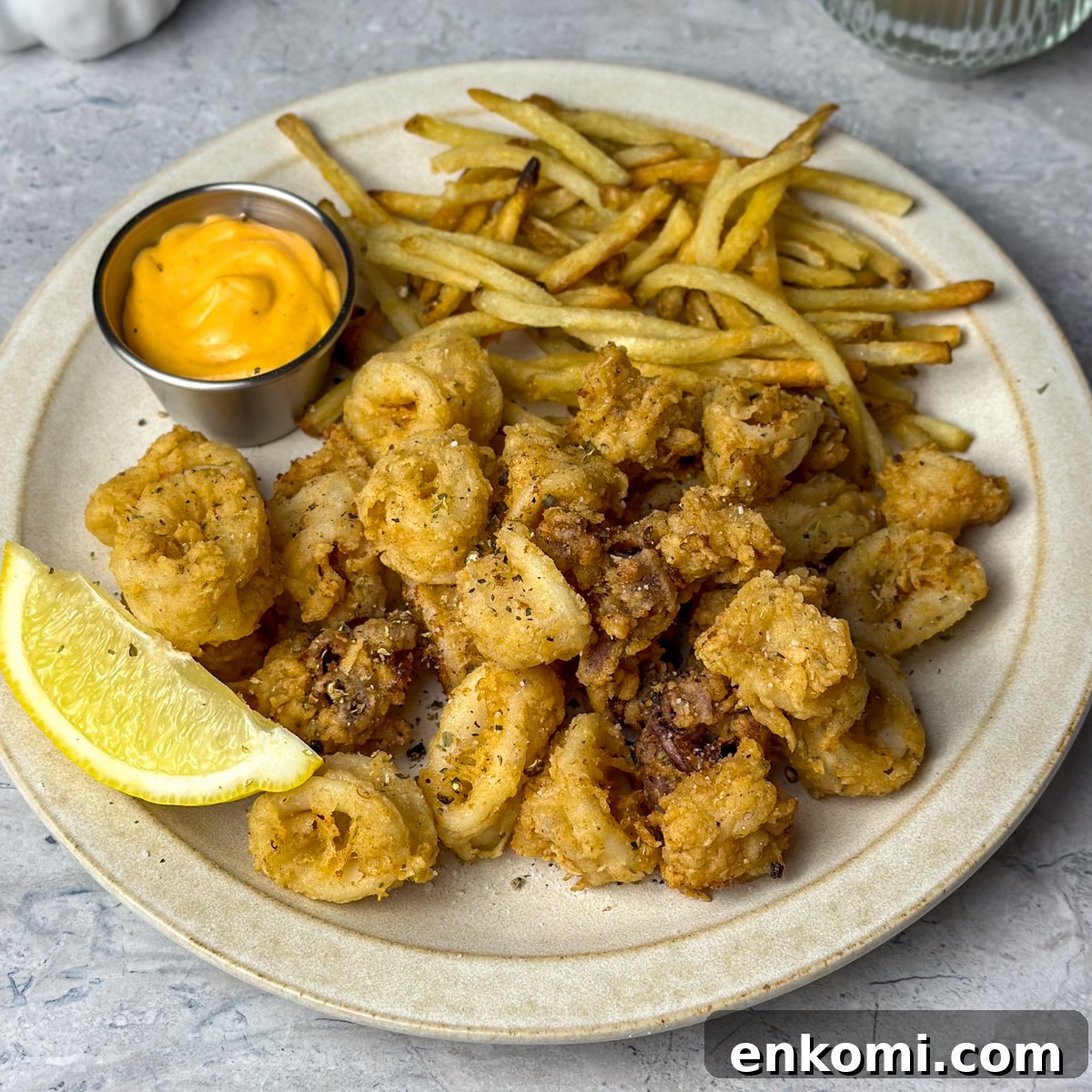
Do you love ordering deep fried calamari? You’re going to enjoy making this at home — it’s quick, simple, and often even tastier than restaurant versions. This recipe delivers a crisp, golden coating and tender squid every time when you follow a few easy steps.
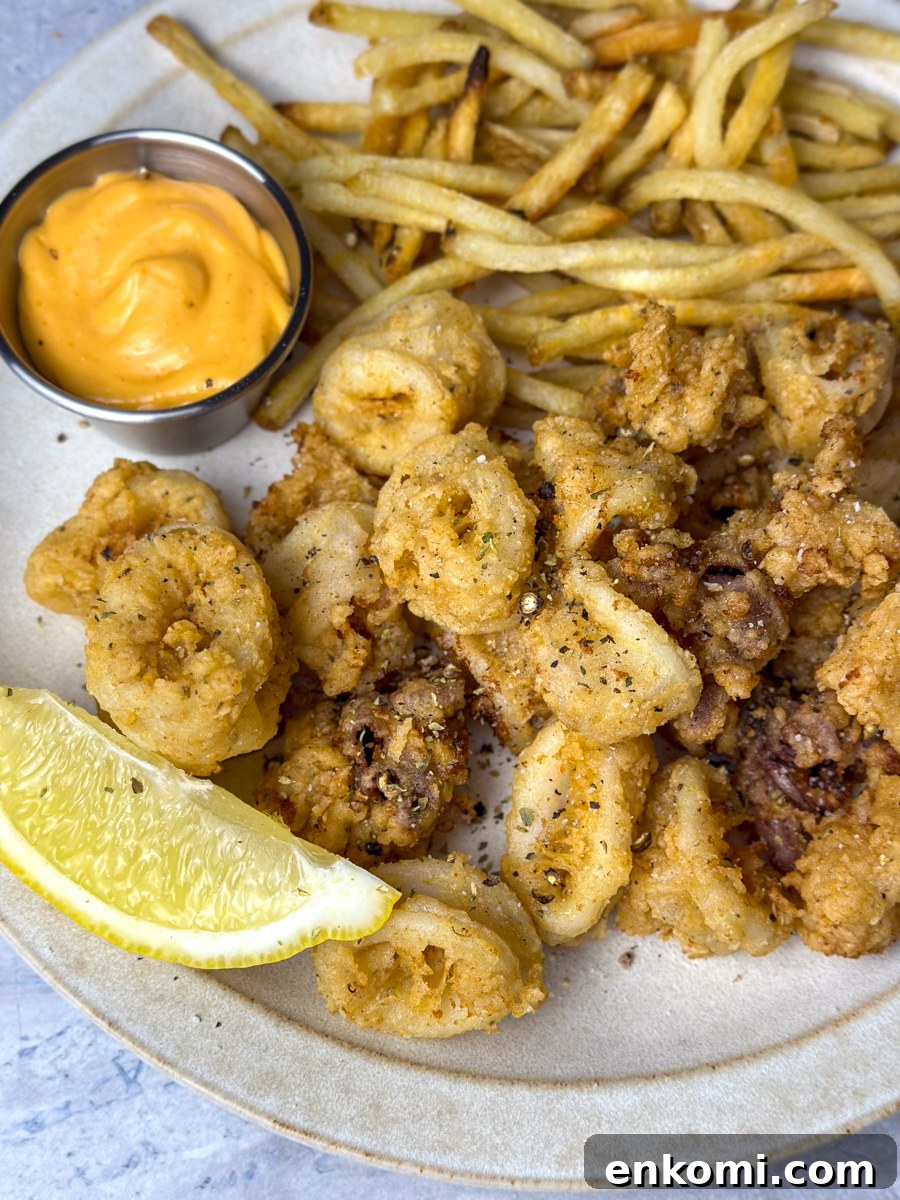
If you enjoy fast, satisfying recipes like this, check the related recipe suggestions at the bottom of the page for more easy meals and weeknight favorites.
Ingredients
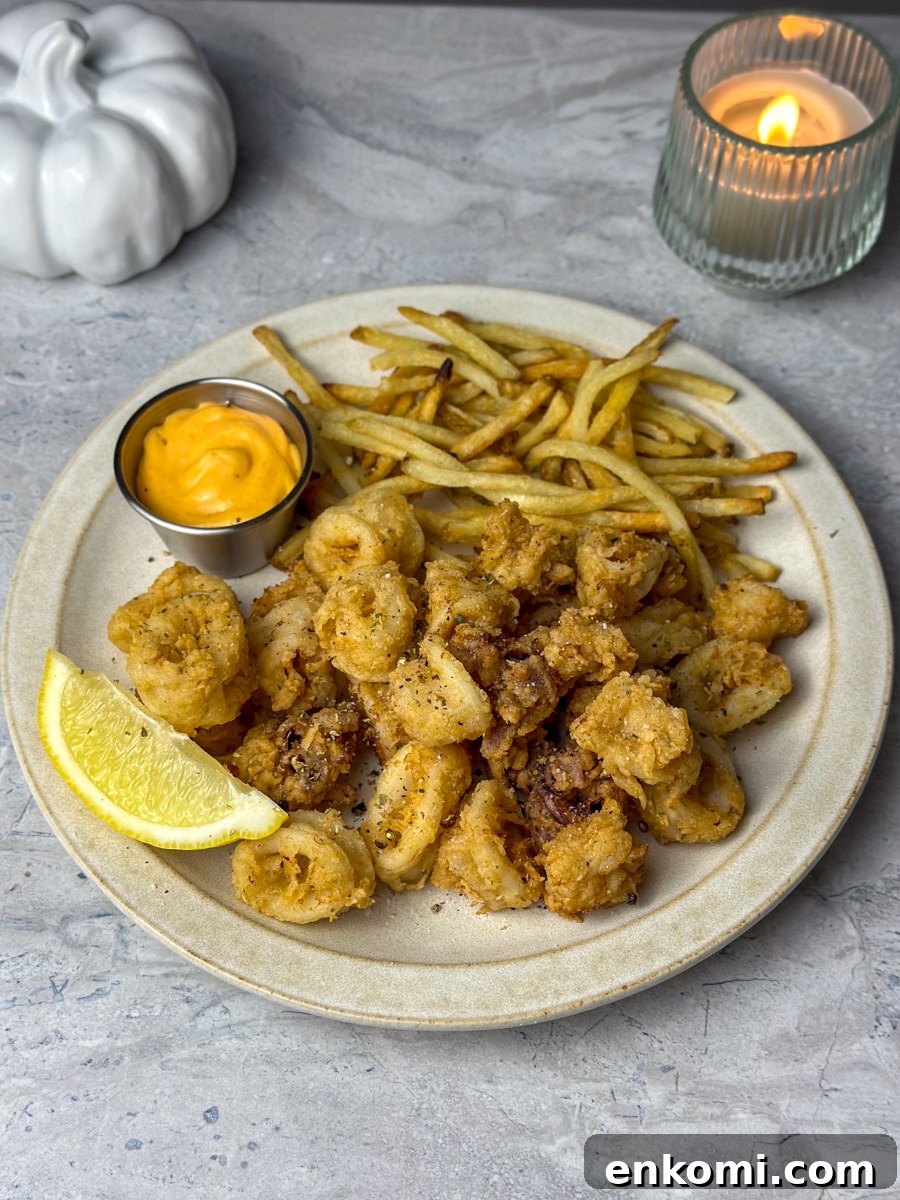
- Squid rings and tentacles (see recipe card for quantity)
- Milk (or a substitute — see substitutions)
- Lemon juice
- All-purpose flour
- Baking powder
- Avocado oil (or another high smoke-point oil)
- Spices: oregano, garlic powder, smoked paprika, black pepper, salt
Quantities and full ingredient breakdown are included in the recipe card below.
Instructions
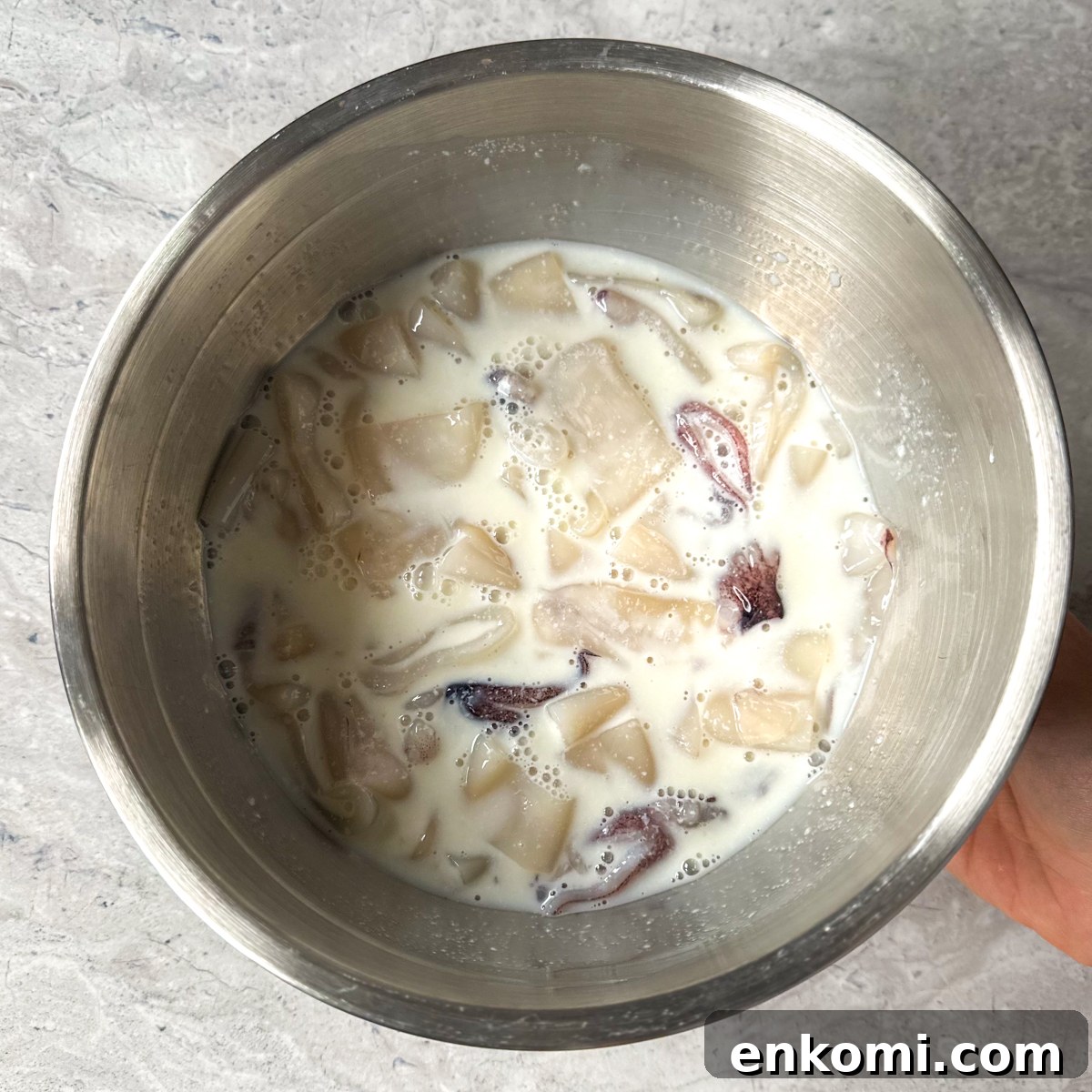
Cut the calamari, add milk, lemon, and salt. Marinate in the fridge for at least 30 minutes.
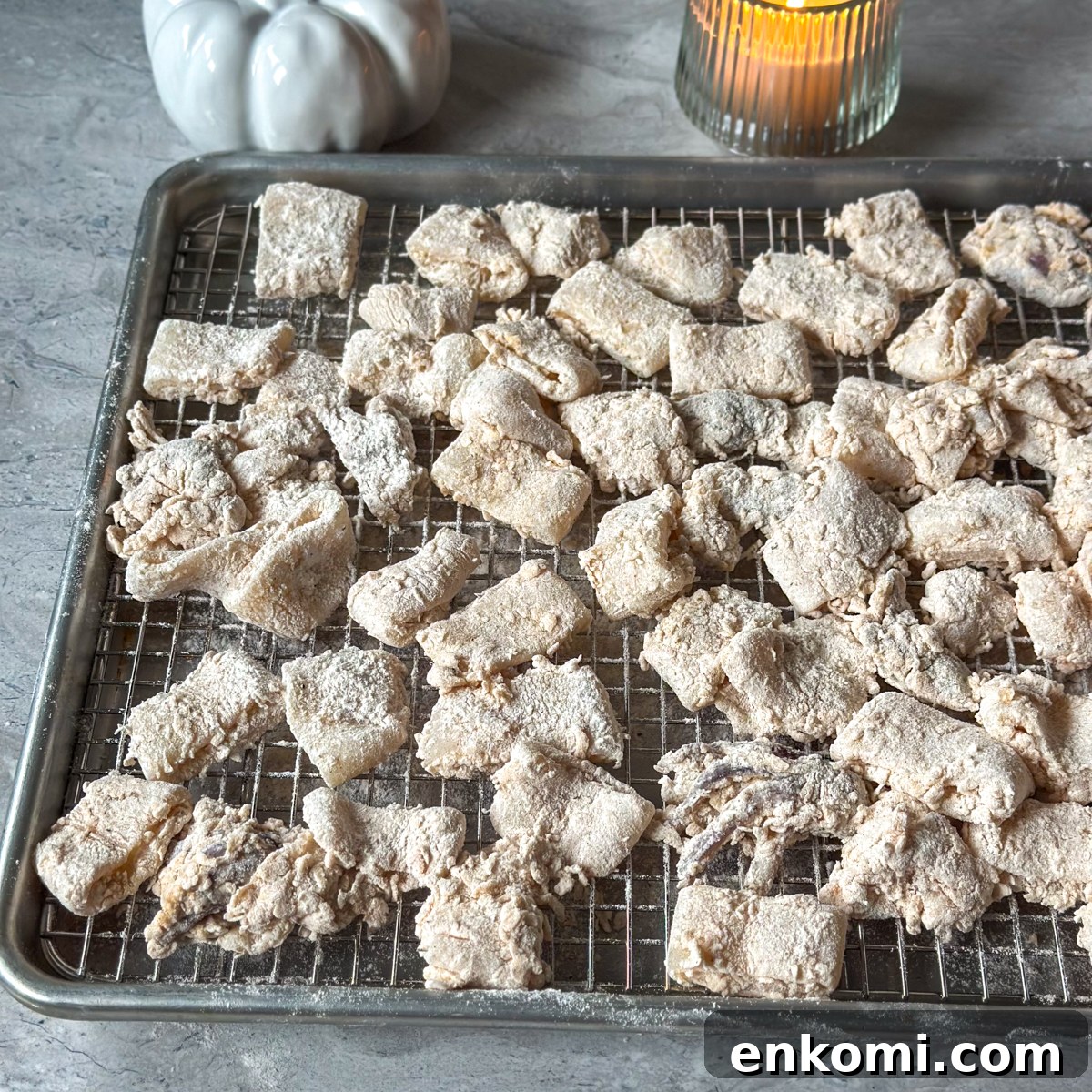
Coat the squid pieces in the seasoned flour mixture.
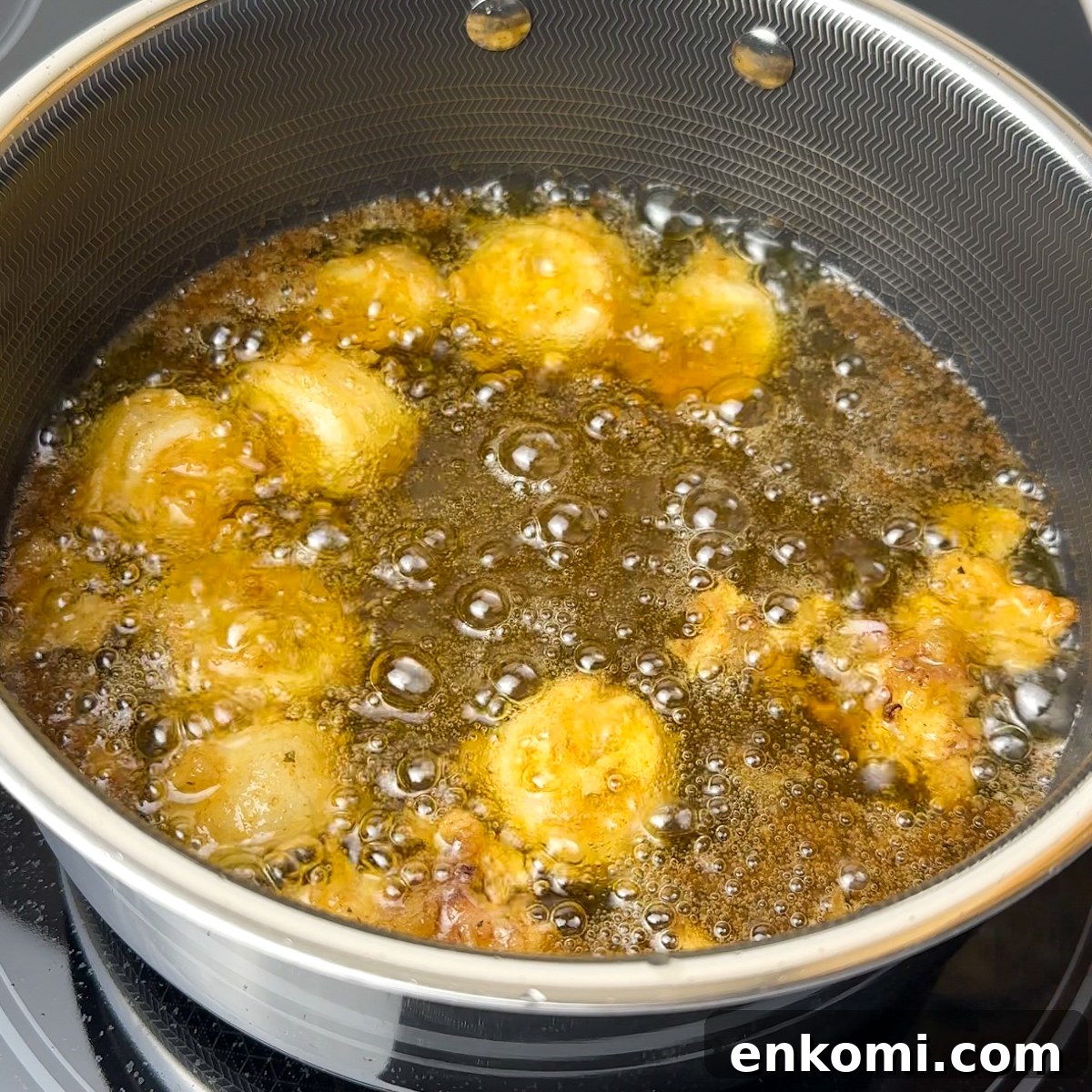
Fry for about 3 minutes until light golden brown.
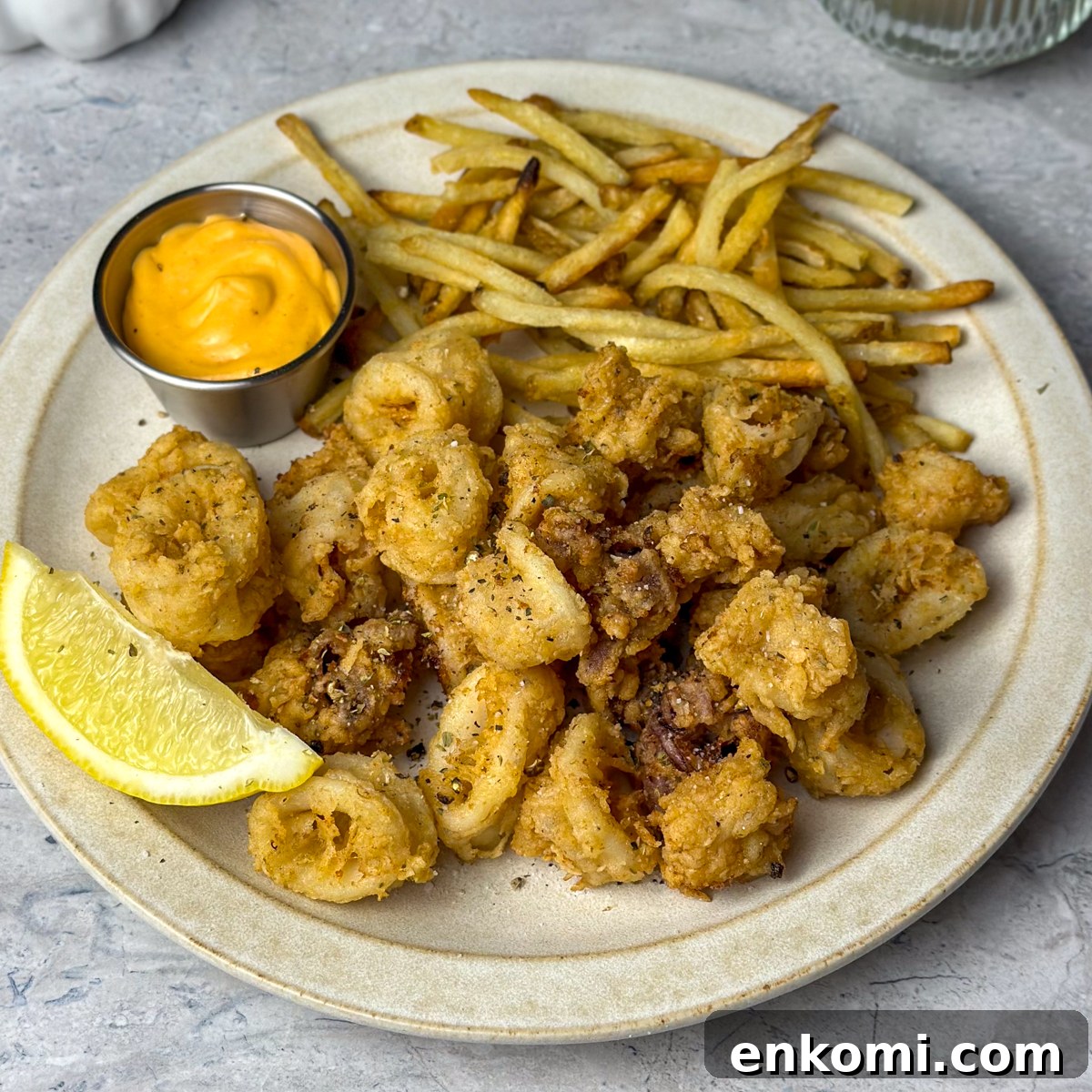
Drain, season, and serve immediately.
- Prepare the squid: Thaw frozen squid in the refrigerator overnight or under cold running water. If using tubes, slice into roughly 3/4-inch rings. Gather rings and tentacles in a large bowl.
- Marinate: Pour milk, lemon juice, and a pinch of salt over the squid. Toss to coat, cover, and refrigerate for 30 minutes up to 2 hours. The acid and milk help tenderize the squid and add flavor.
- Make the breading: In a large bowl, whisk together flour, baking powder, black pepper, oregano, garlic powder, and smoked paprika so the mixture is even and lump-free.
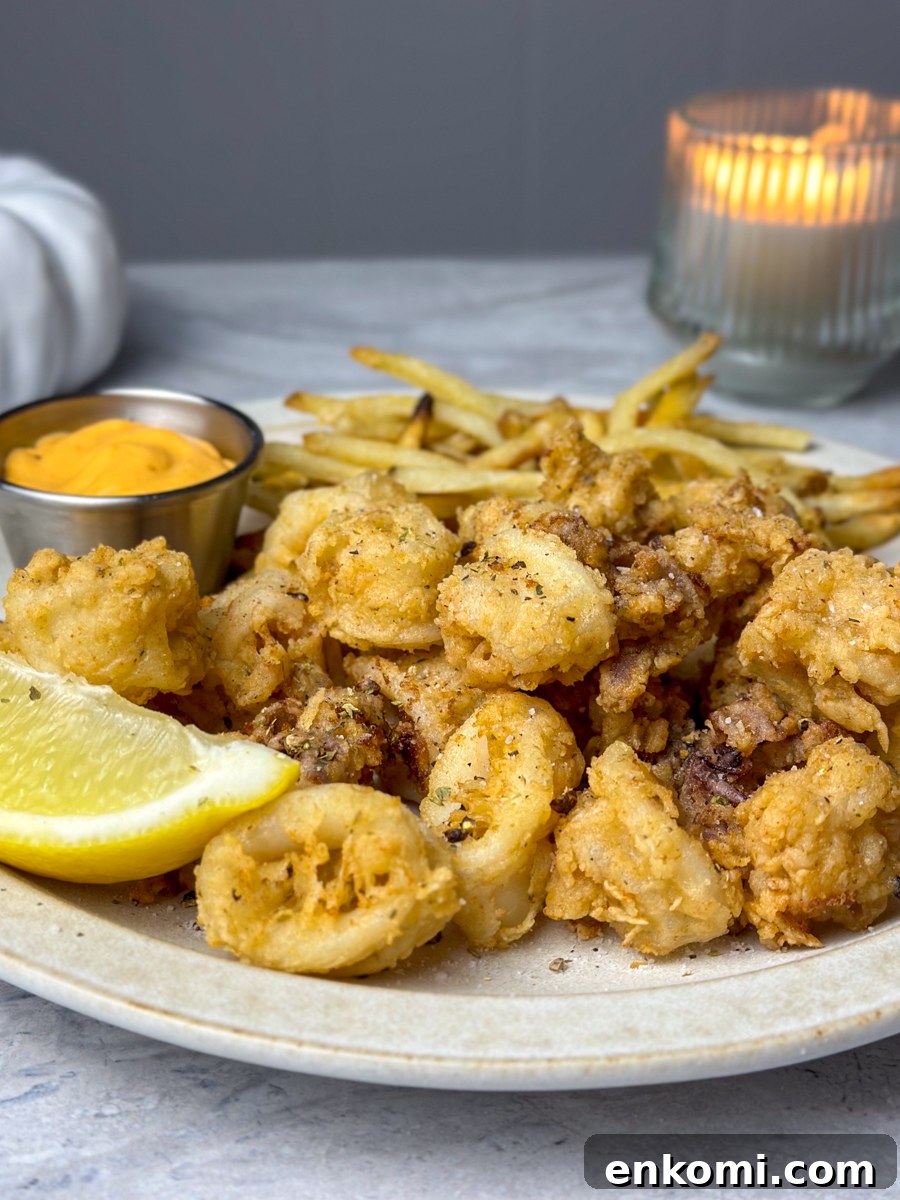
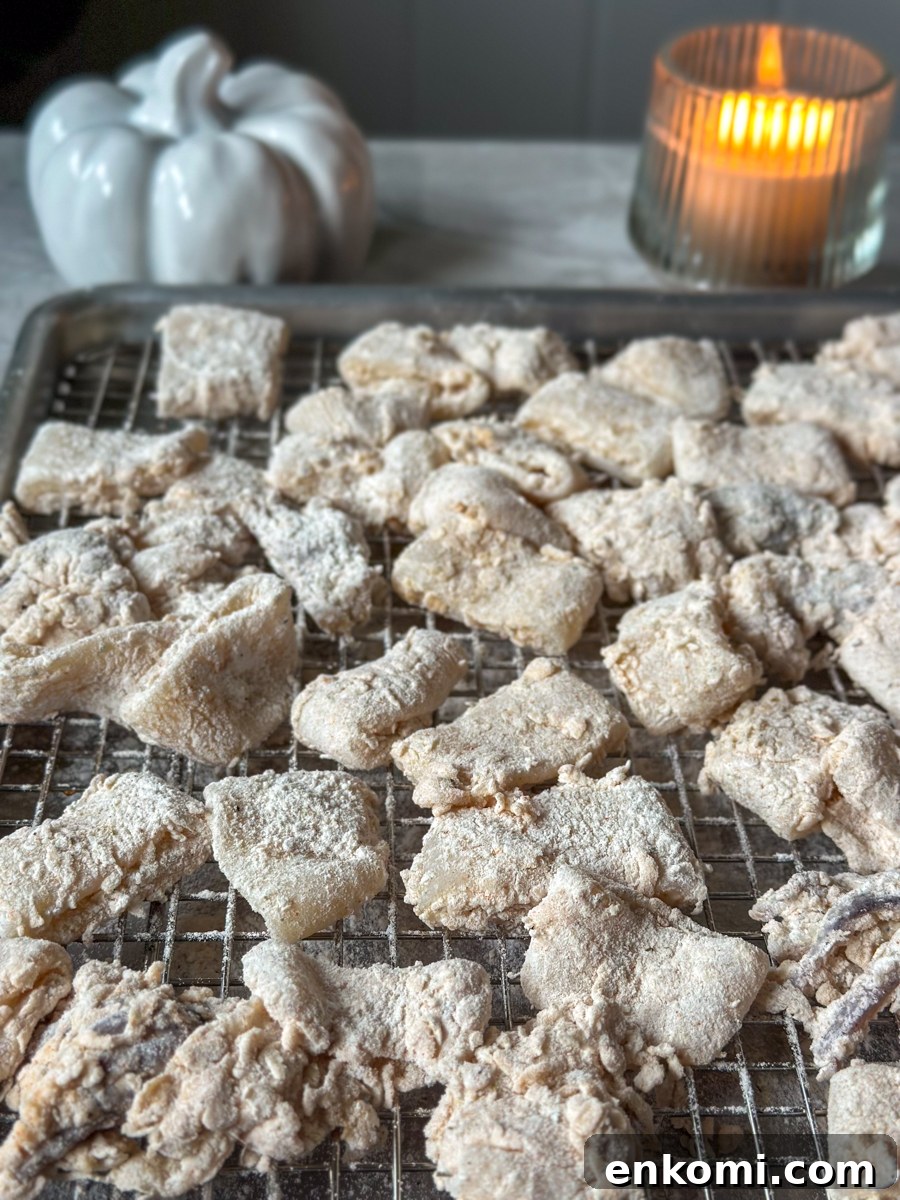
- Coat the calamari: Remove squid from the milk using a slotted spoon, letting excess liquid drain. Toss the pieces in the flour mixture until well coated. Shake off extra flour and place the coated pieces on a baking sheet while you heat the oil.
- Fry: Heat oil in a deep pot to about 365°F (185°C). Fry the calamari in small batches to avoid overcrowding, which can lower the oil temperature. Cook each batch for about 3 minutes or until the coating is light golden and crisp, stirring gently if needed to prevent sticking.
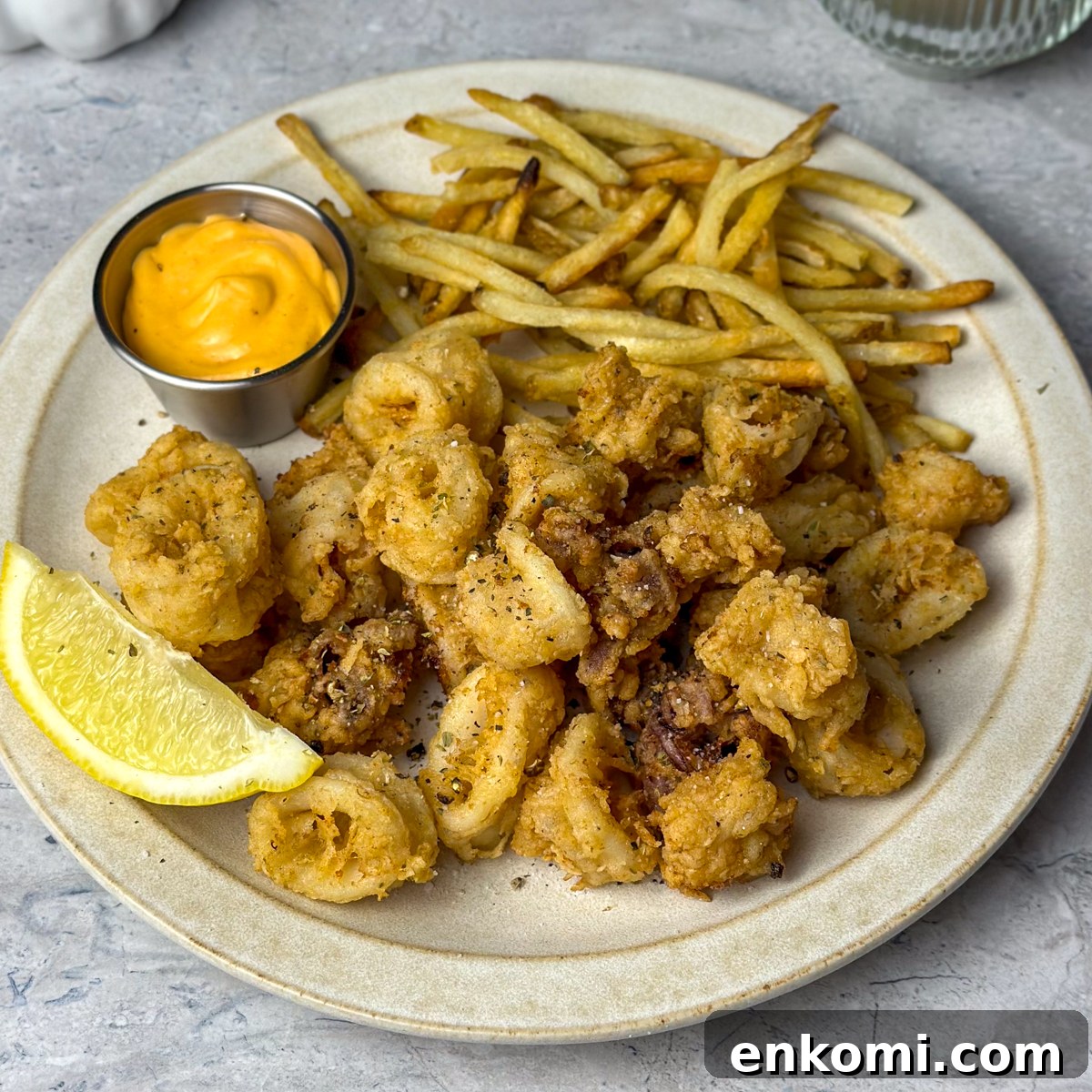
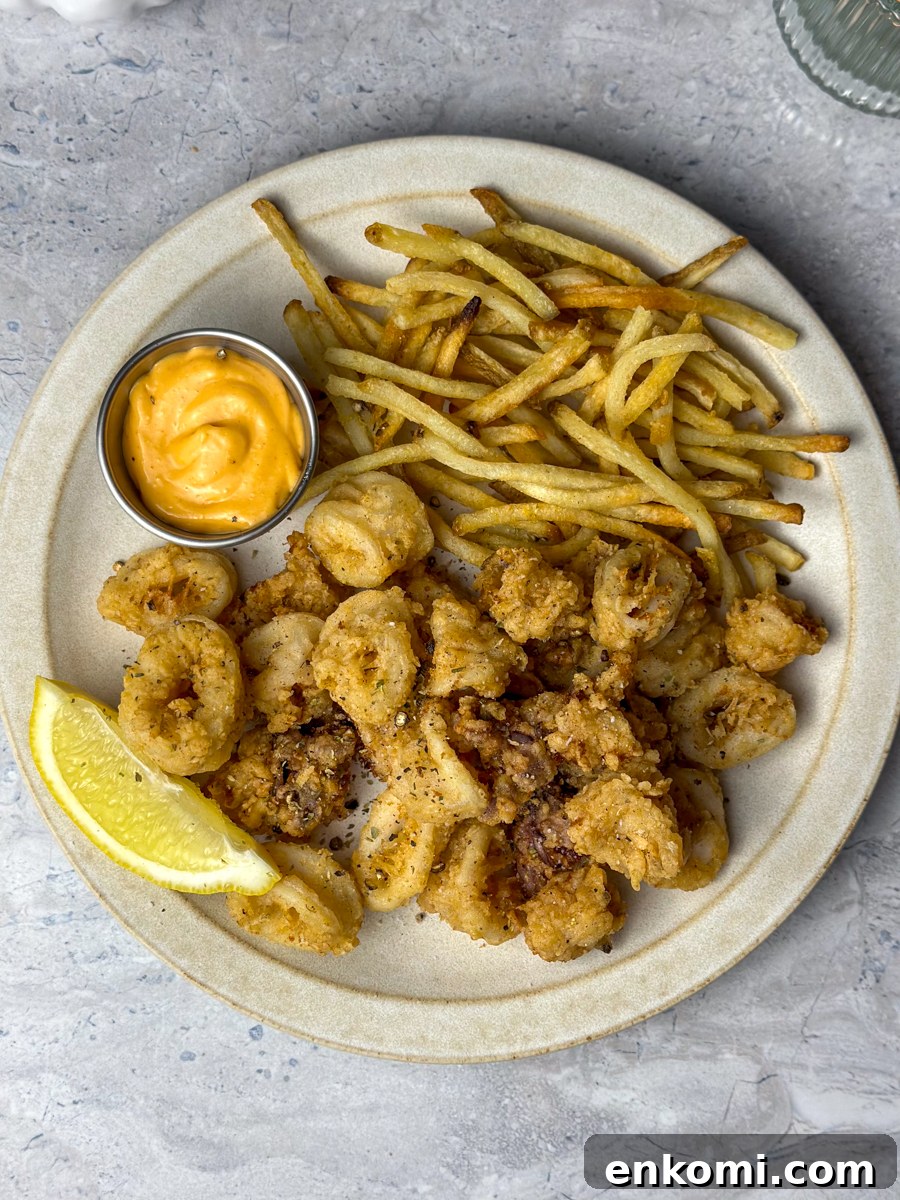
- Drain and season: Transfer fried calamari to a paper towel-lined tray to drain excess oil. Sprinkle with salt immediately. Continue with remaining batches, then serve hot with lemon wedges or your preferred dip.
Scroll to the recipe card below for exact measurements, timings, and serving details.
Substitutions
- Milk: Buttermilk, coconut milk, or unsweetened almond milk can be used to tenderize and flavor the squid.
- Lemon juice: Lime juice or a splash of mild vinegar (apple cider or white) provides similar acidity.
- All-purpose flour: Rice flour or cornstarch yields an extra-crispy crust. Gluten-free flour blends also work.
- Avocado oil: Use vegetable, canola, or sunflower oil — any neutral oil with a high smoke point is suitable for frying.
Equipment
- Slotted spoon
- Measuring cups and spoons
- Deep frying pan or heavy pot
Storage
Store leftover fried calamari in an airtight container lined with paper towels to absorb moisture. Refrigerate for up to two days. To re-crisp, bake at 350°F (175°C) for 5–10 minutes until hot and crunchy. Avoid microwaving as it makes the squid rubbery.
3 Top Tips for Success
- Dry the squid well: Pat pieces dry before breading to help the coating adhere and to reduce oil splatter.
- Fry in small batches: Overcrowding lowers the oil temperature and results in soggy coating — keep batches small and consistent.
- Monitor oil temperature: Aim for around 365°F (185°C) for even cooking and a crisp finish; use a thermometer if possible.
FAQs
Yes. Baking won’t produce the same deep-fried crunch but is a lighter option. Brush the coated calamari with oil, arrange on a sheet, and bake at 425°F (220°C) for 10–15 minutes, flipping once, until golden.
Avoid overcooking. Brief frying — roughly 2–4 minutes depending on piece size — yields tender calamari. Overlong cooking makes it tough and chewy.
Yes. Thaw completely in the refrigerator or under cold running water, then pat dry before marinating so the breading sticks properly.
Related
Looking for other quick recipes like this? Try the easy pastina, spicy carbonara ramen, street corn pasta salad, or a creamy white bolognese for more fast and flavorful meals.
Dessert Pairing
These desserts pair nicely with fried calamari: a light cheesecake, gooey s’mores brownies, a simple date milk, or a no-bake blueberry cheesecake to finish the meal on a sweet note.
Easy Deep Fried Calamari Recipe
15 mins
15 mins
30 mins
1 hr
Ingredients
- 1 lb squid rings and tentacles (thawed)
- 1 cup milk
- 1 tablespoon lemon juice
- 2 teaspoon salt
- 2 cups all-purpose flour
- 2 teaspoon baking powder
- 1 teaspoon black pepper
- 1 teaspoon oregano
- 1 teaspoon garlic powder
- 1 teaspoon smoked paprika
- 4-6 cups avocado oil (or other high smoke-point oil)
- Salt to taste
Method
- Prepare the squid: thaw, slice if needed, and place in a bowl with rings and tentacles.
- Marinate: add milk, lemon juice, and salt, toss, and refrigerate for 30 minutes to 2 hours.
- Make the breading: whisk flour, baking powder, pepper, oregano, garlic powder, and smoked paprika until uniform.
- Coat the calamari: lift from the milk, drain, and toss in the flour mixture until fully coated. Place on a tray while oil heats.
- Fry: heat oil to around 365°F (185°C) and fry in small batches about 3 minutes until light golden.
- Drain and season: remove to paper towels, sprinkle with salt, and serve immediately.
Notes
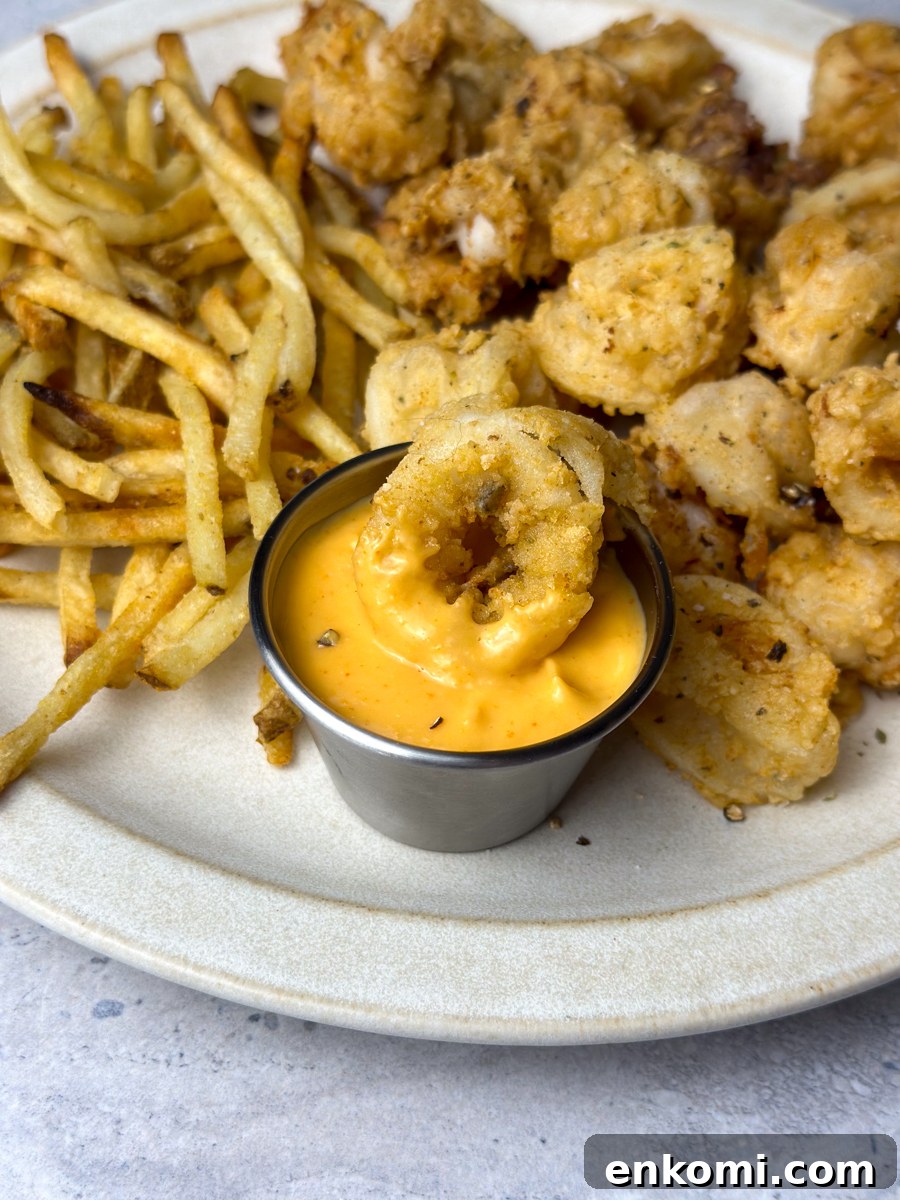
For extra crispiness, try substituting a portion of the flour with rice flour or cornstarch. Adjust seasoning to taste and serve with lemon wedges, marinara, or aioli for dipping.
Tried this recipe?
Let us know how it turned out!
Food safety
- Cook seafood to a safe internal temperature and avoid cross-contamination with raw utensils and surfaces.
- Use separate utensils for raw and cooked foods.
- Wash hands thoroughly after handling raw seafood.
- Do not leave perishable food at room temperature for extended periods.
- Never leave frying food unattended; hot oil is hazardous.
- Use oils with a high smoke point to minimize the production of off-flavors and harmful compounds.
- Ensure good ventilation when cooking on gas or high heat.
Follow standard food safety guidelines from recognized authorities when preparing seafood.