
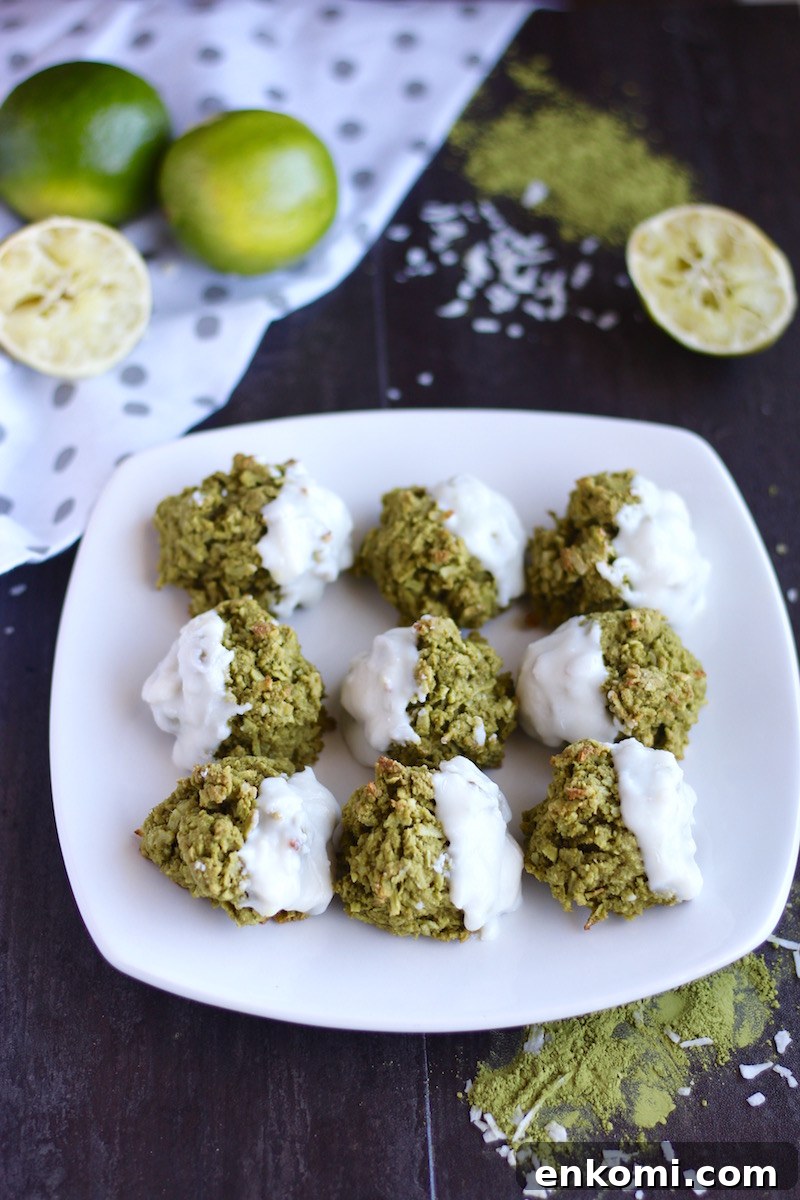
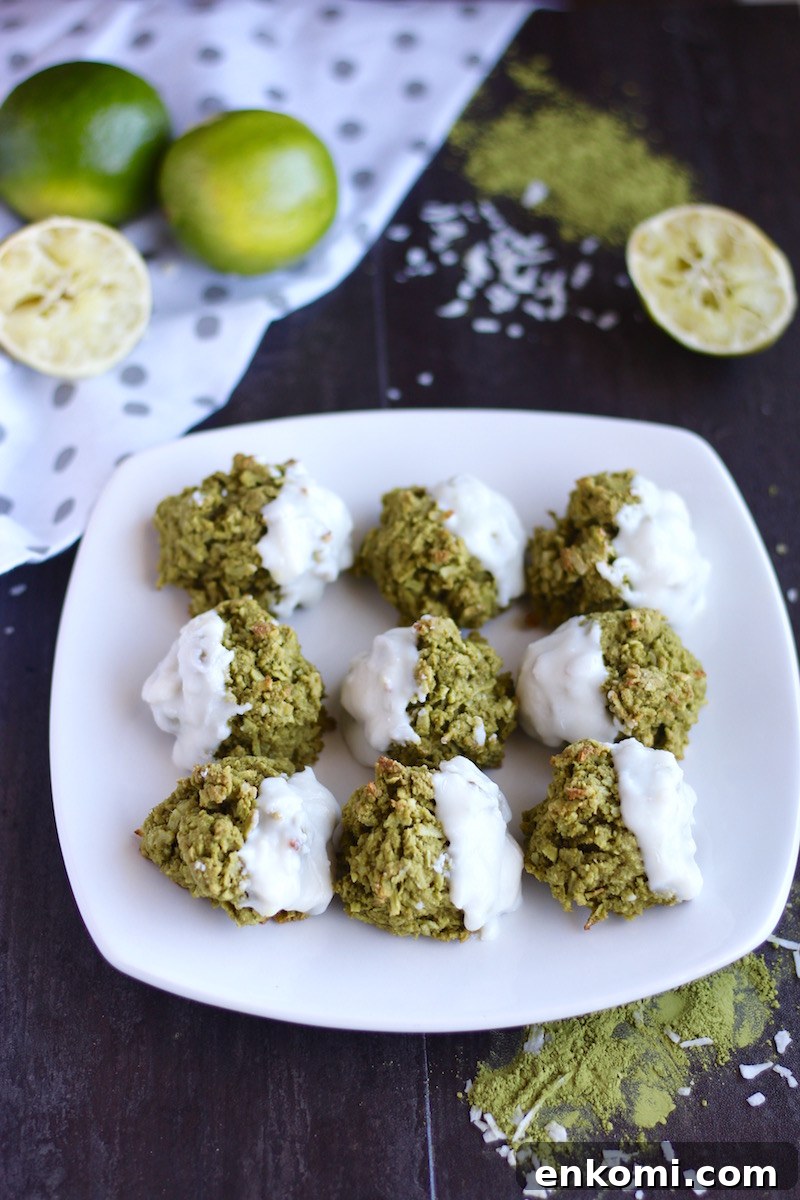
 After my recent post about coping with health setbacks, I’ve spent the last weeks navigating tests, research, and doctor visits to better understand autoimmune and thyroid concerns. Managing health takes time and emotional energy, so I’ve decided to step back from regular blogging for a while to focus on recovery and the place that always calms me: the kitchen. I’ll be cooking, baking, and experimenting, and I hope to return with fresh recipes to share—starting with today’s matcha-inspired treat.
With St. Patrick’s Day approaching, I pulled out everything green I had and settled on matcha green tea powder. I first fell for matcha’s color while using it to tint AIP-friendly frosting for my Frosted Cut-Out Sugar Cookies. It makes a beautiful natural dye and adds a pleasant flavor to smoothies, lattes, and baked goods.
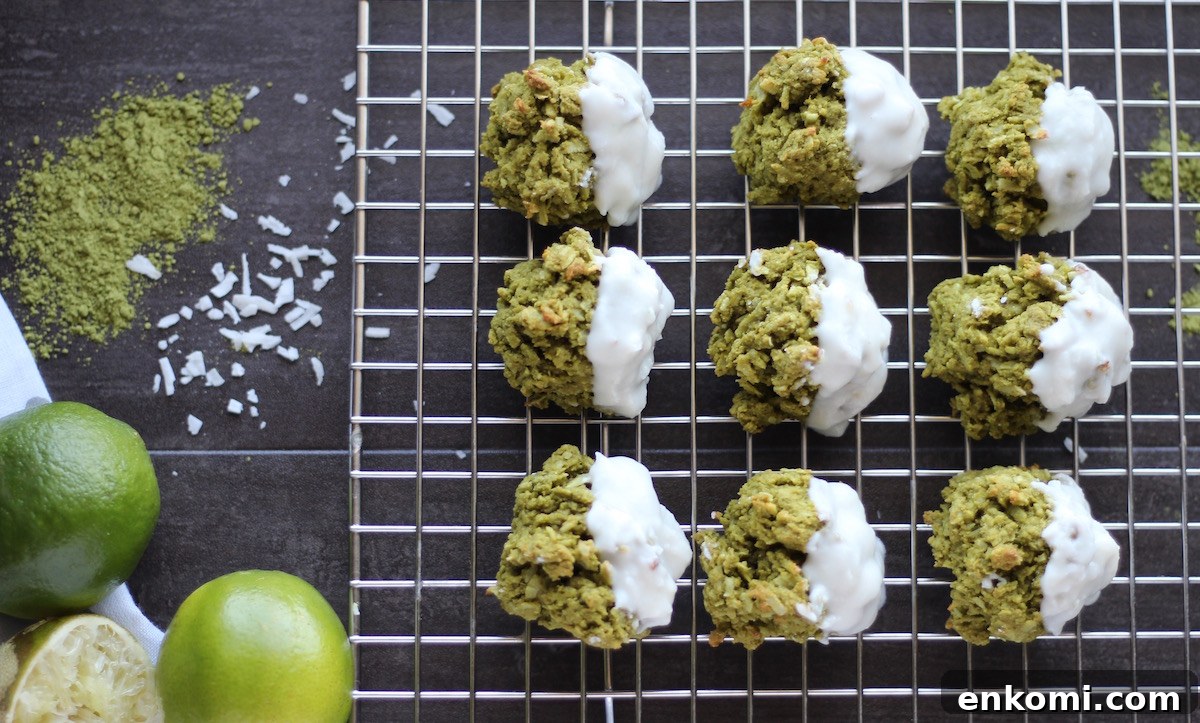
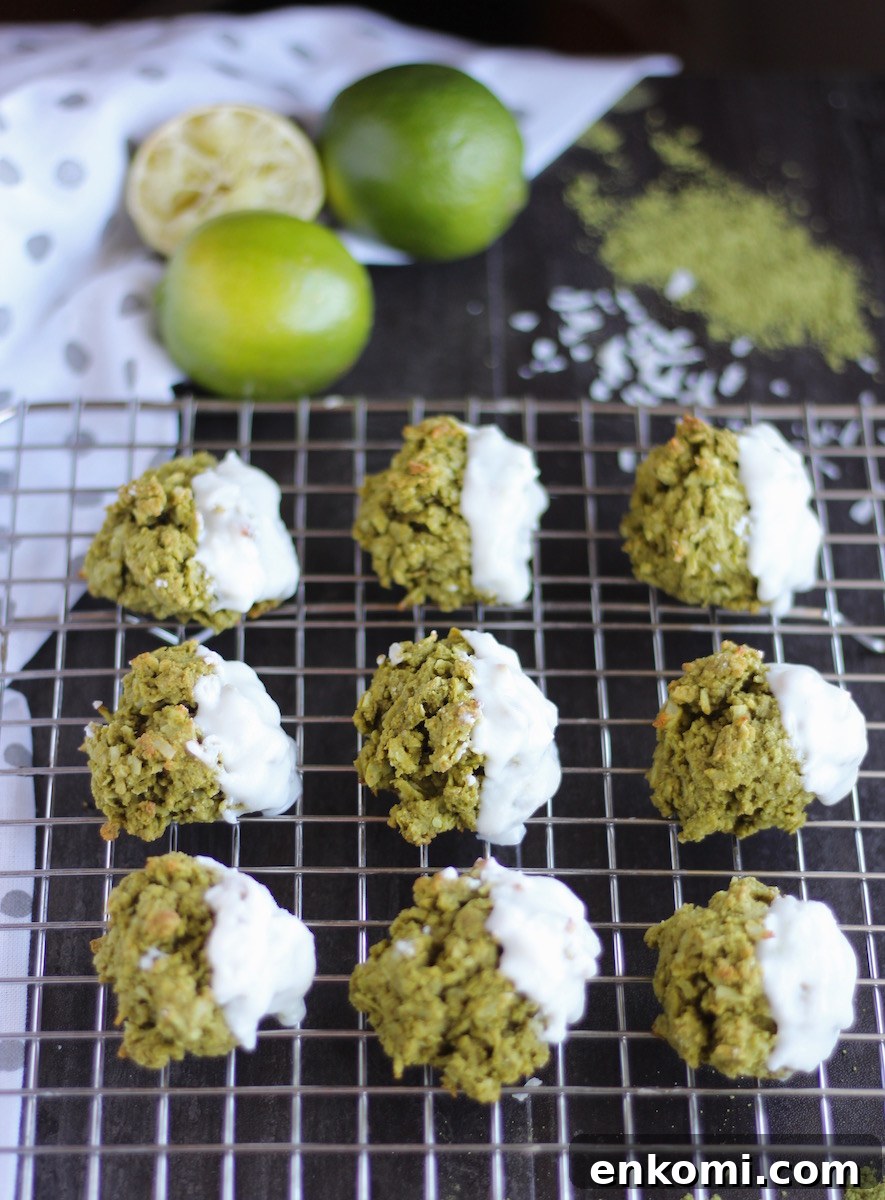
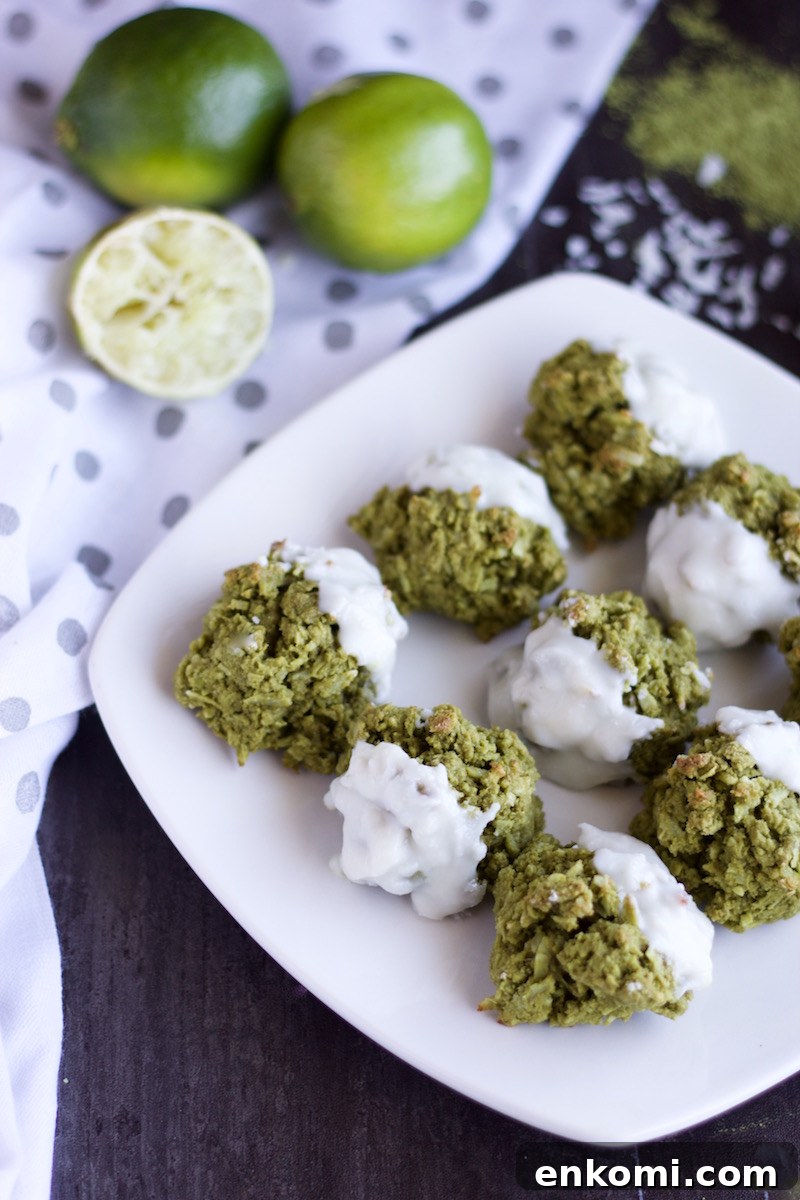
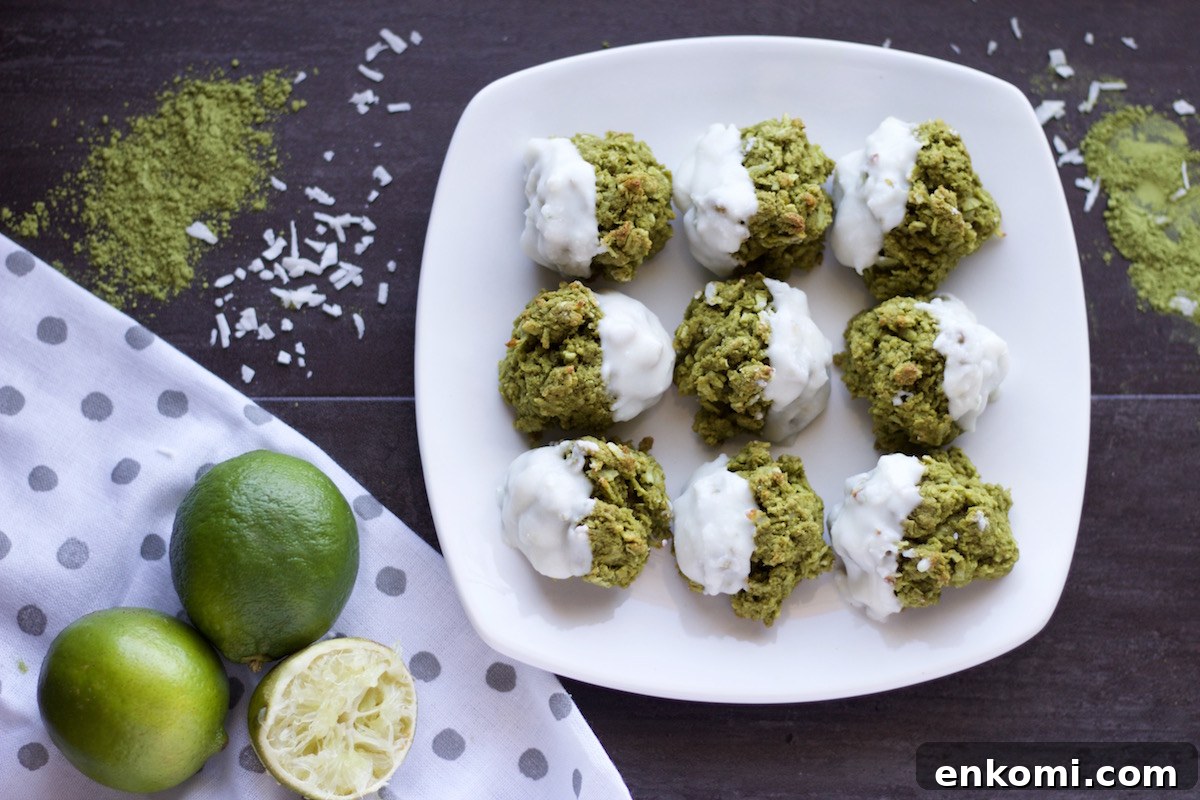
After combining matcha with pantry staples, these Paleo Matcha Lime Macaroons baked up beautifully. These spring-ready cookies are rich in coconut with bright notes of lime, a touch of honey, and the earthy flavor of matcha. To finish them, I spread a simple coconut butter glaze across part of each cookie. These “Matcharoons” make a cheerful addition to St. Patrick’s Day gatherings or spring picnics.
Before testing this recipe I hadn’t researched matcha closely. While developing it I learned matcha comes in different grades: ceremonial grade for drinking and culinary grade for baking, smoothies, and desserts. For these macaroons, culinary matcha is the right choice because it’s formulated for cooking. Culinary matcha can taste bitter when brewed plain, so it’s best used in recipes or sweetened when prepared as a drink.
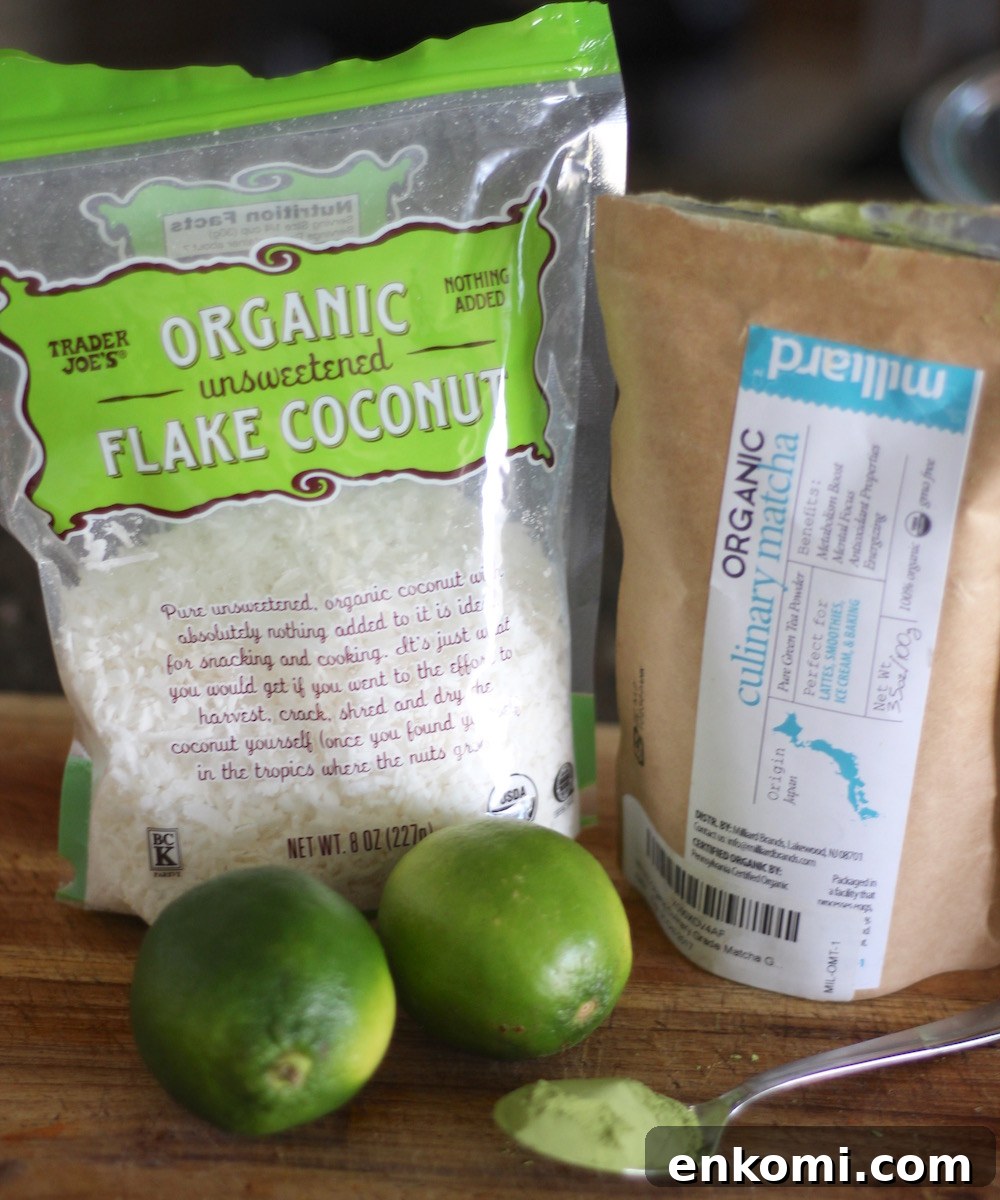 Matcha is known for several health benefits compared with regular green tea: it packs more antioxidants, contains moderate natural caffeine (less than coffee), can support metabolism, and includes L-Theanine, an amino acid linked with calm focus. While a couple of macaroons won’t deliver all those benefits on their own, adding matcha to treats is a pleasant, health-minded choice.
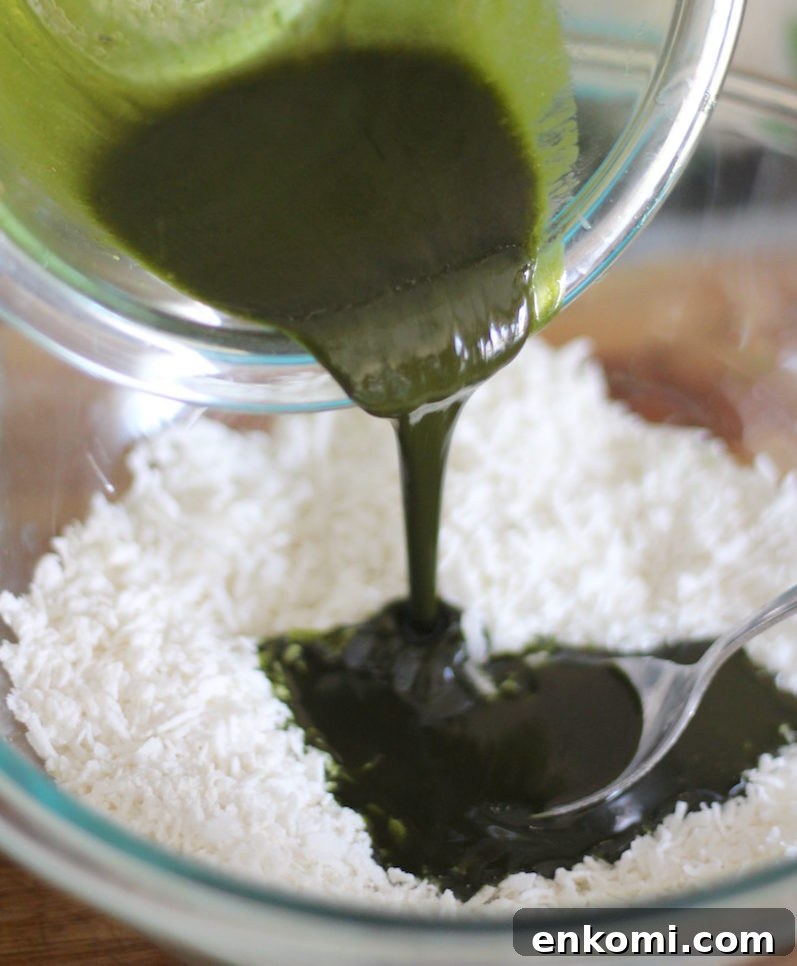
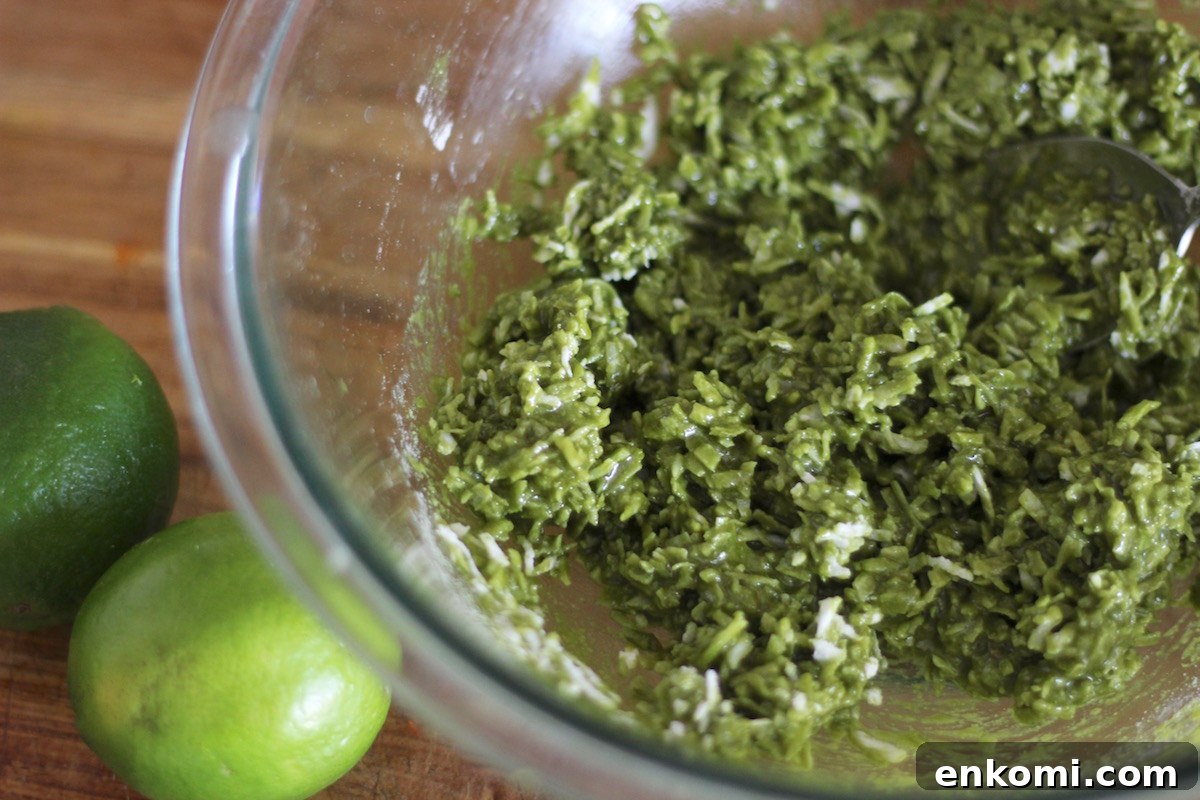
Here are a few tips for the best Matcharoons: when you mix matcha into the wet ingredients it may look very dark and intense, but the color lightens considerably once combined with coconut and bakes to a soft grassy green. If you’re unfamiliar with gelatin “eggs,” know that gelatin is a reliable AIP-friendly egg substitute in recipes that don’t rely on eggs for leavening. It helps bind the mixture and produces the chewy, tender texture you want in coconut macaroons.
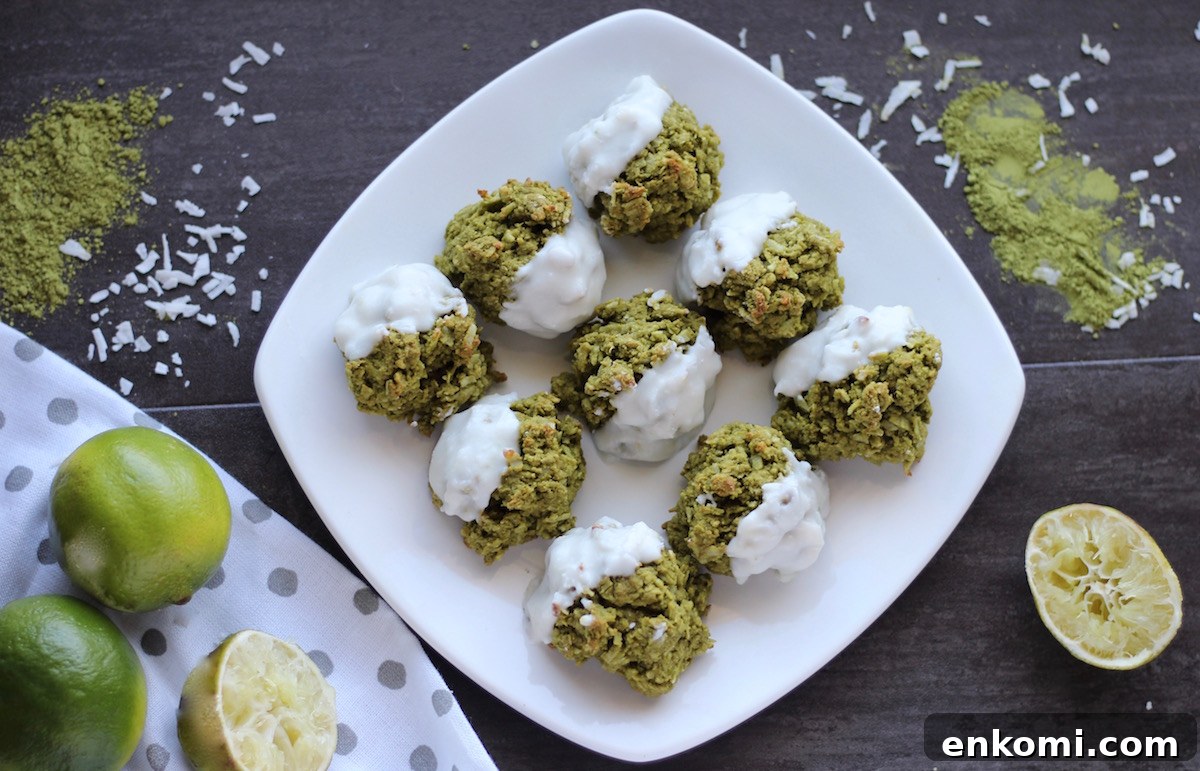
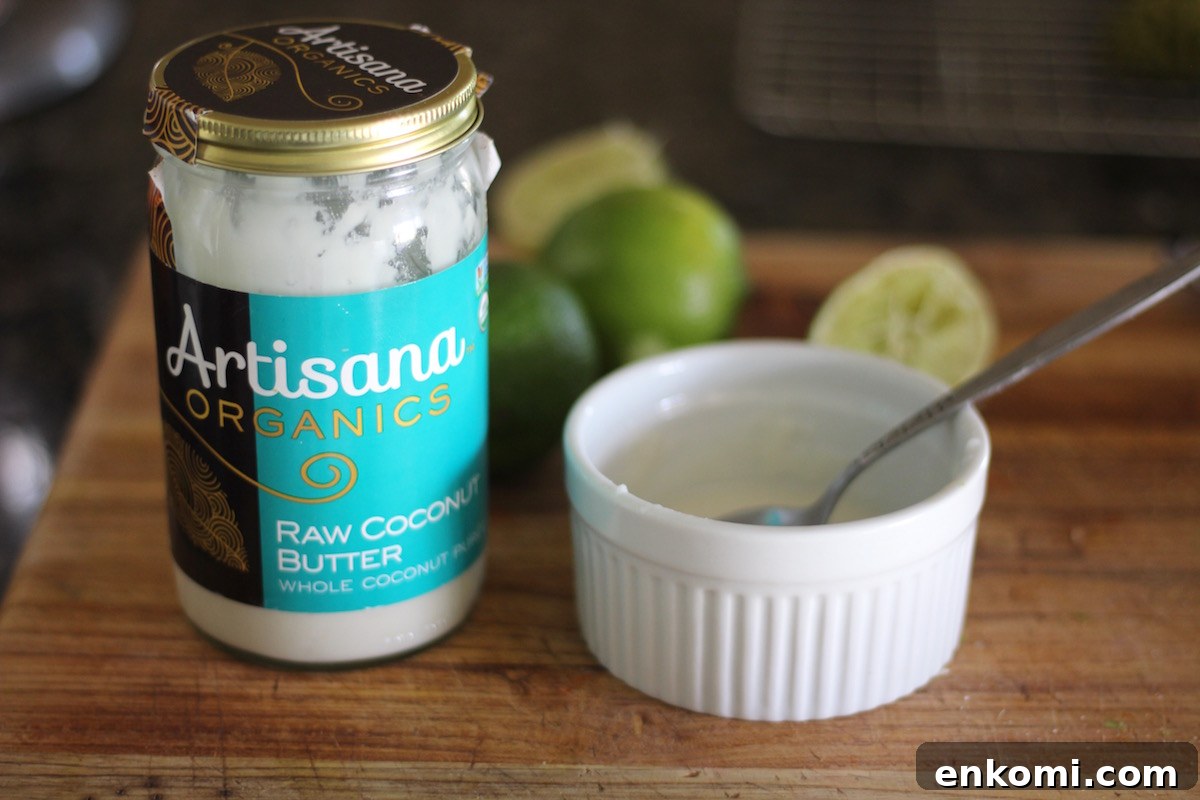
I list a coconut butter glaze as optional because the cookies are delightful on their own. I love coconut butter for its richness—combined with a touch of honey and coconut oil it becomes a smooth glaze that complements the macaroons. You can drizzle it neatly with a piping bag or spread it casually for a rustic look.
These macaroons pair nicely with a cup of green tea or a matcha latte. They also make a festive dessert after a St. Patrick’s Day meal. Stored in an airtight container, they keep well at room temperature, in the refrigerator, or frozen.
- 1 cup shredded unsweetened coconut
- 3.5 tablespoons coconut flour
- 1 tablespoon arrowroot starch
- 1 teaspoon lime zest
- 1/2 teaspoon baking soda
- 1/4 teaspoon cream of tartar
- 1/8 teaspoon sea salt
- 4 tablespoons coconut oil, melted
- 3 tablespoons raw honey
- 1 tablespoon matcha green tea powder
- juice of 1 lime (about 2 tablespoons)
- 3 tablespoons water
- 1 tablespoon grassfed beef gelatin
- Optional Glaze:
- 3 tablespoons coconut butter, melted
- 1/2 teaspoon coconut oil, melted
- 1/2 teaspoon raw honey
- Preheat oven to 350°F (175°C). Line a baking sheet with parchment paper or a silicone mat.
- In a large bowl, combine the shredded coconut, coconut flour, arrowroot starch, lime zest, baking soda, cream of tartar, and sea salt. In a smaller bowl, whisk together melted coconut oil, honey, lime juice, and matcha powder. Pour the wet ingredients into the dry and mix thoroughly.
- In a small saucepan, add 3 tablespoons water and sprinkle the gelatin on top. Let it sit briefly, then heat over medium while whisking until the mixture becomes foamy and fully dissolved.
- Add the hot gelatin to the cookie mixture and stir gently until well combined.
- Scoop large tablespoons of dough onto the prepared baking sheet. This recipe yields about 10 cookies.
- Bake for 8–10 minutes, then allow the cookies to cool completely on the tray so they set.
- For the optional glaze, whisk together melted coconut butter, coconut oil, and honey. Drizzle or spread over cooled macaroons. Chill briefly in the fridge or freezer to set the glaze, then serve.
May the luck of the Irish be with you—though I doubt you’ll need luck for these macaroons to turn out well. Enjoy the recipe, have a safe and happy St. Patrick’s Day, and I look forward to returning with more recipes after focusing on my health for a time.
**This post contains affiliate links for products I use and recommend. I only share items I trust.**