
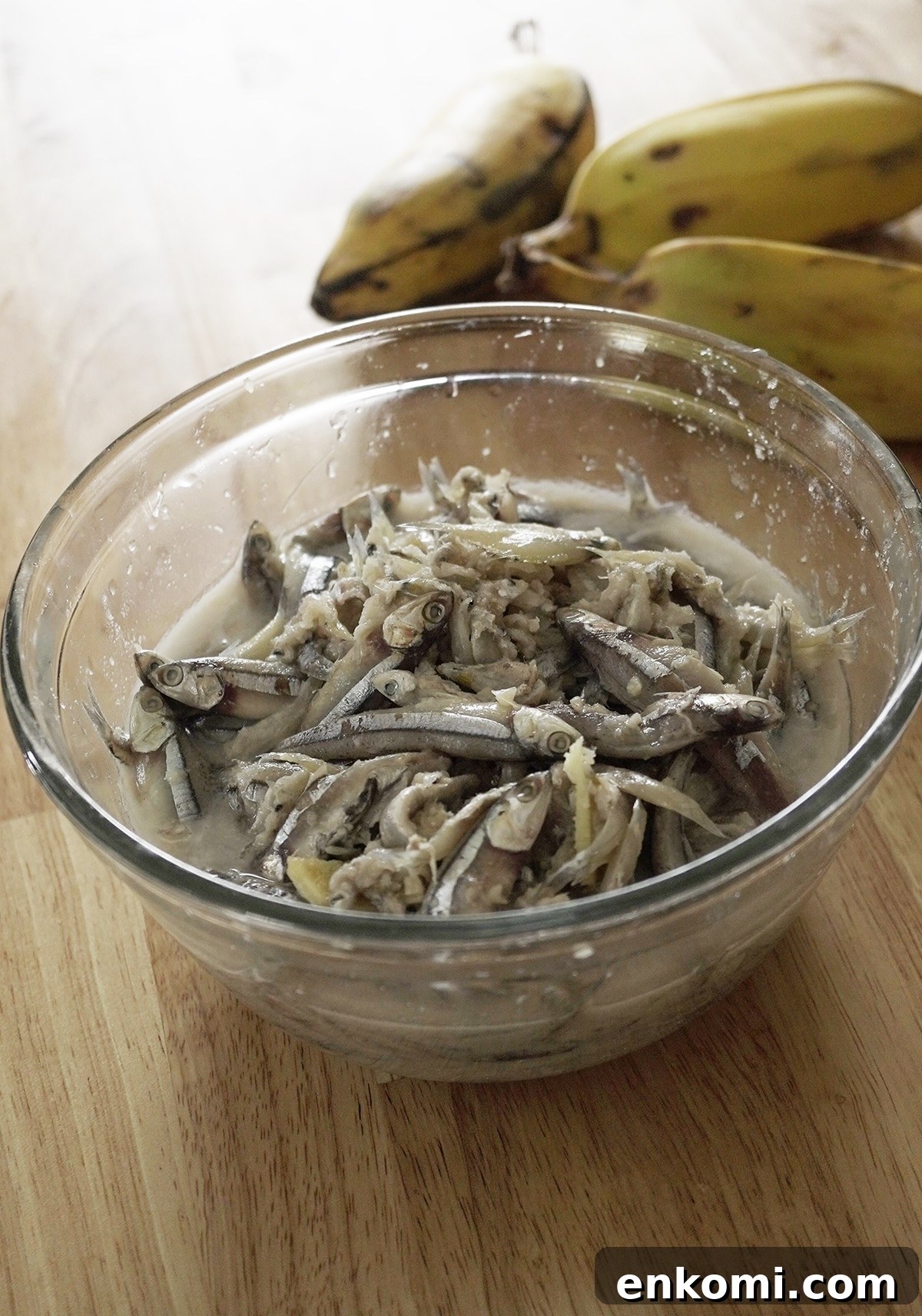
Ginamos (Fermented Fish). Ginamos is a beloved Filipino condiment made by fermenting small fish. It delivers an intense fishy, salty taste in a small spoonful and can also be used as a dipping sauce for boiled bananas or sweet potatoes.
What is Ginamos?
Ginamos is a Filipino-style fermented fish condiment, usually made from anchovies or small lancelet fish. It is prized for its bold, salty, and umami-rich flavor, and is commonly used to enhance rice, vegetables, sauces, or eaten on its own as a savory snack. In the Philippines it is often sold in jars at markets; outside the country it can be harder to find, so making it at home is a practical and authentic alternative.
What Makes Ginamos so Great!?
Fantastic Fermentation. Fermentation deepens flavor and preserves food. Making ginamos will add pungent, complex notes of salt and vinegar to the fish. While the process can scent your kitchen, the result is worth it: a concentrated, savory condiment with great depth.
Authentic Filipino Flavor. Ginamos captures the distinctive taste of Filipino fish preparations and transforms it into a versatile condiment. It adds a savory boost to simple dishes—try a little on rice, roasted vegetables, or mixed into sauces.
Simple and Long-Lasting. This recipe uses just a few ingredients and a short list of steps, yet yields a product that keeps well. Properly prepared and stored, ginamos can be enjoyed for weeks to months, making it a convenient pantry addition.
Ingredients for Ginamos
- Silver fish or anchovies – Small fresh fish (often called lancelets or anchovies). These are used fresh, not canned, for the best fermentation and flavor. If silver fish are unavailable, fresh anchovies are a suitable substitute.
- Sea salt – Salt is essential for preserving the fish and controlling fermentation. Sea salt provides minerals and helps restrain unwanted microbial activity.
- Garlic – Fresh garlic adds a sweet, aromatic depth. Chop or mince before adding.
- Ginger – Fresh ginger gives a warm, slightly spicy note. Finely chop or grate for even distribution.
- Vinegar – Vinegar forms the acidic base and contributes to the pickled flavor. White, apple cider, or rice vinegar all work; choose one you enjoy the aroma of.
Step-by-Step Instructions
- Sterilize your jar or heat-proof container: place it (and the lid) inside a large saucepan with about five cups of water and simmer on low to sterilize.
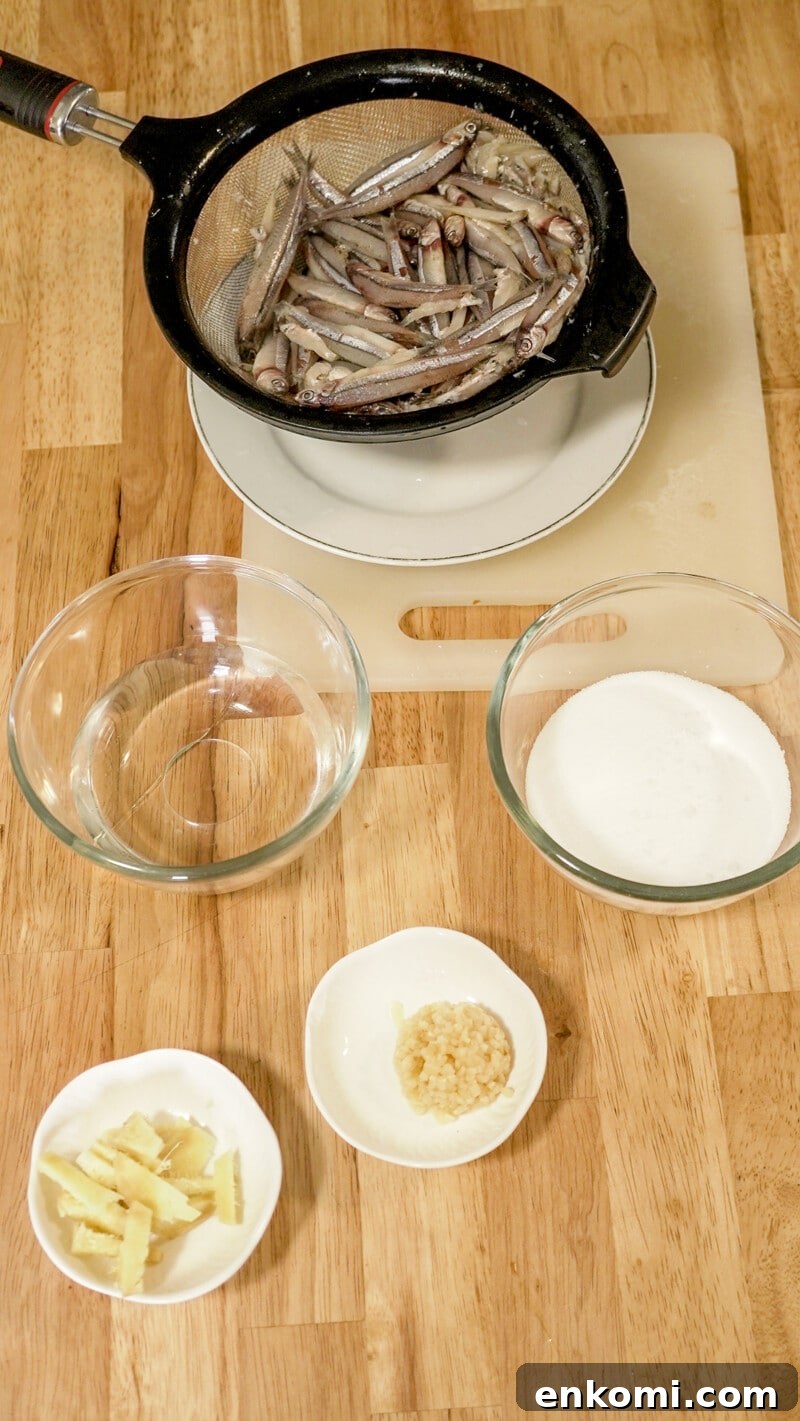
- Wash the silver fish or anchovies in cold water and drain thoroughly in a strainer. Remove as much water as possible.
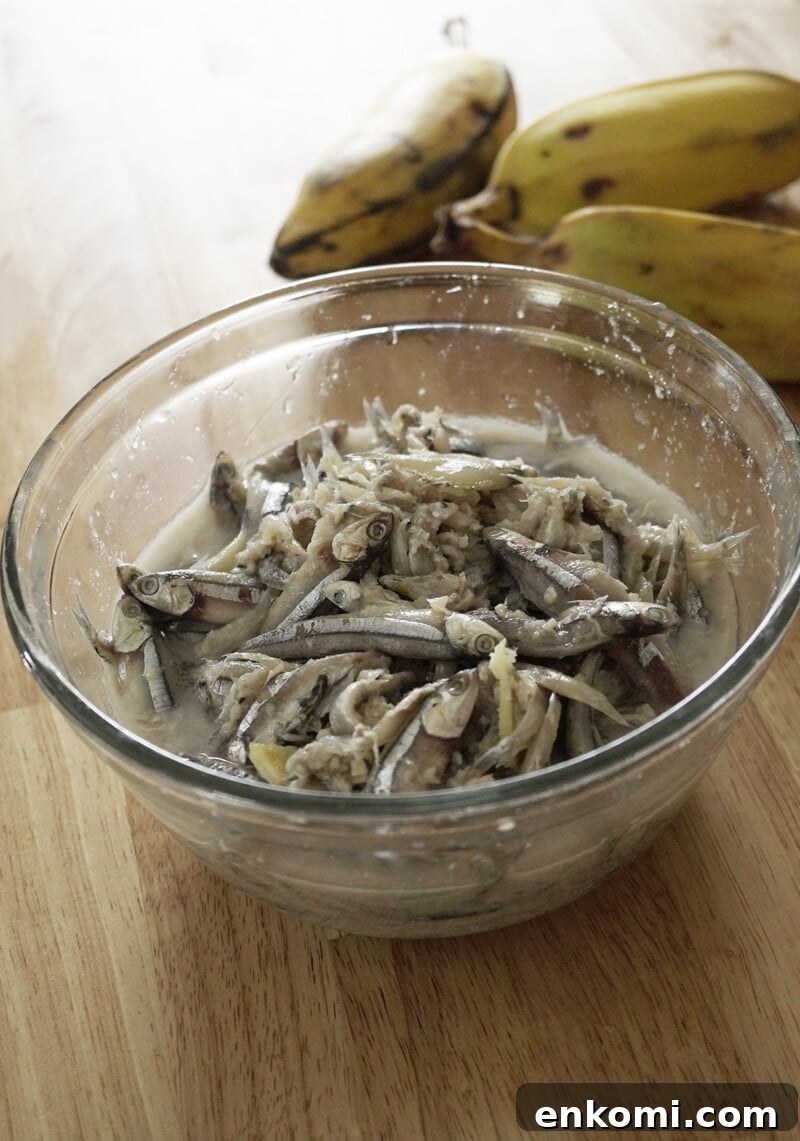
- In a medium bowl combine the drained fish with sea salt, chopped garlic, chopped ginger, and vinegar. Mix gently so the fish are evenly coated.
- Transfer the mixture to the sterilized container, press down to remove air pockets, and seal tightly. Store the jar in a dark, cool place to ferment for about three weeks; many people begin sampling after one week, though flavor develops with age.
Expert Tips and Tricks
- Sterilize jars and utensils before use to reduce the risk of contamination and ensure a clean fermentation.
- Keep the fermenting jars in a dark, cool spot. Temperature affects fermentation speed—warmer conditions will mature it faster.
- Taste as it ages and transfer to refrigeration once you reach the preferred flavor. Many prefer to let it sit for two to three weeks for a fuller taste.
What to Serve with Ginamos?
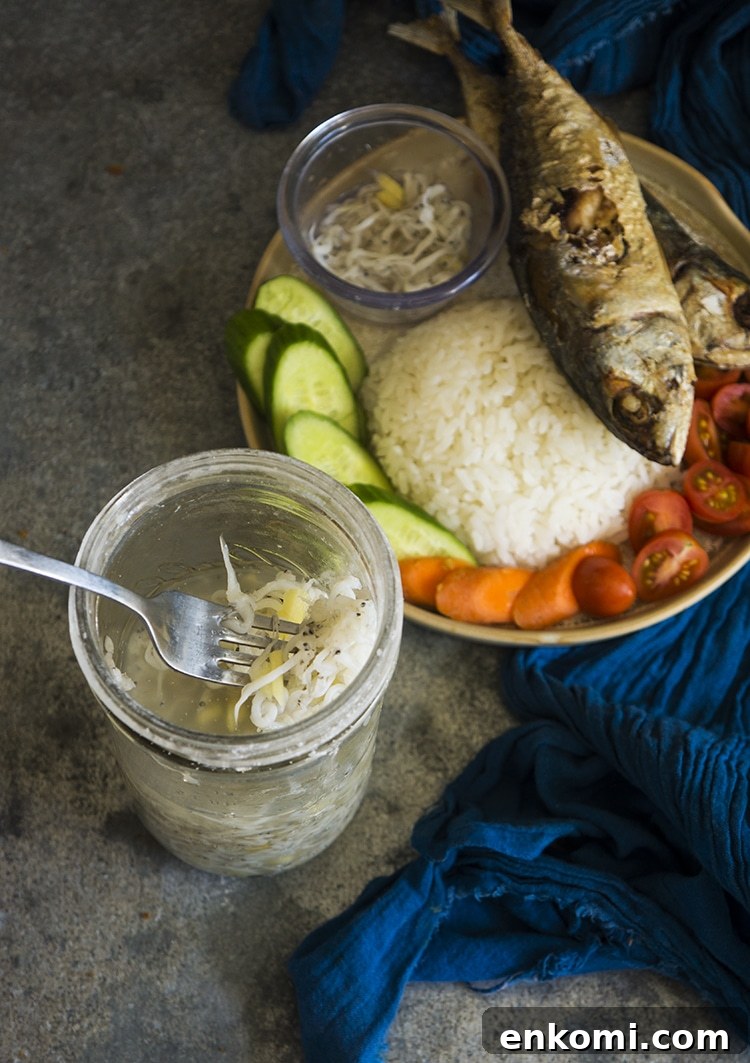
Traditionally, ginamos pairs with cooked sweet potatoes or bananas. It also complements plain rice, fried or roasted vegetables, and can be stirred into sauces or stews for a briny, savory lift. Because it is quite salty, use it sparingly and balance it with mild, starchy foods and adequate water intake.
How to Store Ginamos
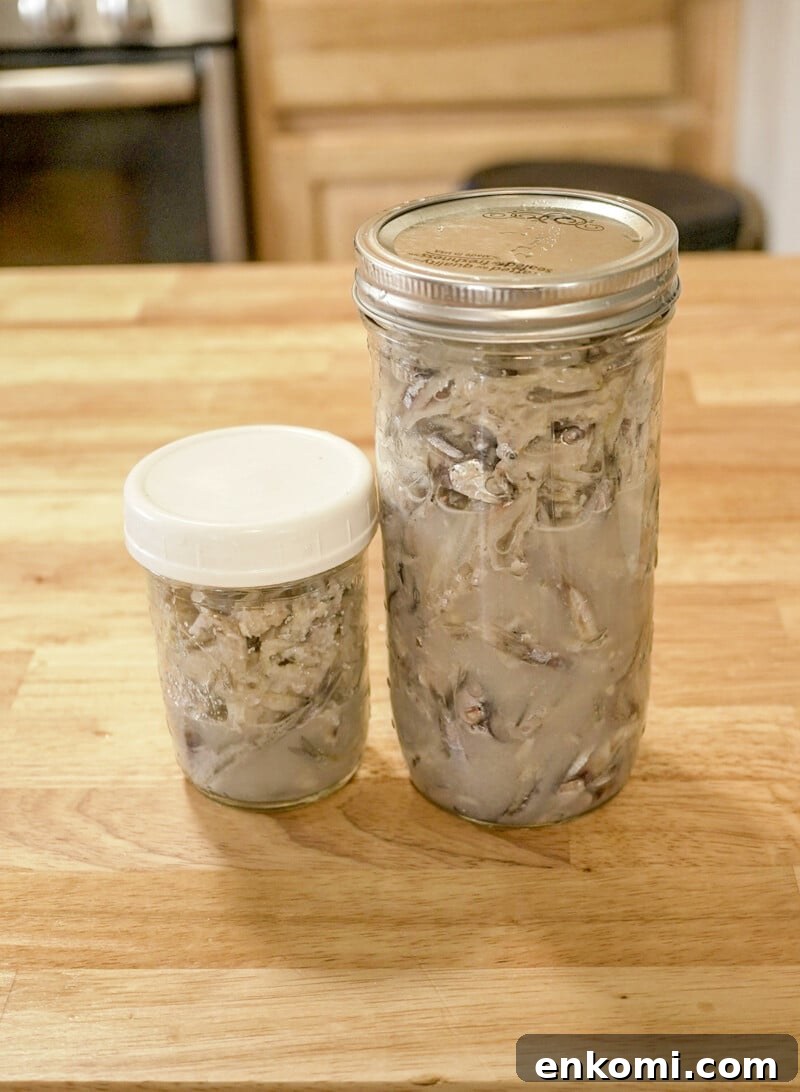
- After fermenting in a sealed jar for three weeks (or to your taste), ginamos can be stored for up to three months. Unopened, keep jars in a cool, dark place; once opened, refrigerate and use within a reasonable time to preserve flavor and quality.
Is Ginamos Good for You?
- Ginamos contains omega-3 rich fish and is low in calories, but it is high in salt and acidic from the vinegar. Consume in moderation, especially for those monitoring sodium intake.
- Pregnant individuals should consult a healthcare provider before consuming fermented fish, and nursing mothers may wish to seek medical advice as well.
Enjoy ginamos as a flavorful accent—small amounts add a lot of umami. Pair it with whole, nutritious foods and stay mindful of portion size.
HOW TO MAKE BAGOONG OR GINAMOS (FERMENTED FISH)
HOW TO MAKE BAGOONG OR GINAMOS (FERMENTED FISH)
Equipment
- 1 large saucepan
- Heat-proof container with lid (sterilizable)
Ingredients
- 2 lb Silver Fish or Anchovies
- 3/4 cup sea salt
- 5 cloves garlic, chopped
- 1 inch ginger, finely chopped
- 3/4 cup vinegar
Instructions
- Place about five cups of water in a large saucepan and put the container and its lid inside. Simmer on low heat to sterilize the container and lid.
- Wash the silver fish or anchovies and drain excess water using a strainer. Make sure you remove as much water as possible.
- Place the fish in a medium-sized bowl and add the salt, garlic, ginger, and vinegar. Gently mix to combine, then transfer the fish to the sterilized container and seal it tightly.
- Store the sealed jar in a dark place to ferment for about three weeks. You may taste it after one week; flavor will deepen the longer it ages.