
The recent rise of American folk schools is breathing new life into traditional crafts, preserving skills that might otherwise fade and creating vibrant centers of learning within their communities. These schools serve not only as places to learn hands-on techniques but also as hubs for social connection, cultural continuity, and lifelong education.
This post may contain affiliate link(s). As an Amazon Associate, I earn from qualifying purchases. See Disclosures.
Beyond formal instruction, folk schools organize sing-alongs, community projects, and social gatherings that encourage people to share stories and forge lasting relationships. These activities move past simple entertainment to create meaningful opportunities for connection and mutual support. In a fast-paced world where isolation is common, folk schools help rebuild a sense of belonging by bringing people together around shared interests and hands-on learning.
Folk schools in the United States
Contemporary folk schools offer a wide range of classes for adults and children alike. Often functioning as community centers, they provide an inclusive, non-competitive environment that supports lifelong learning. Classes can range from single-session workshops to multi-week or multi-month programs, and many schools prioritize accessibility so learners at any stage can participate. As Dawn J. Murphy of the Folk Education Alliance notes, folk schools help people connect deeply with their community and heritage while fostering resilience and joy.
The revival of old-fashioned trades
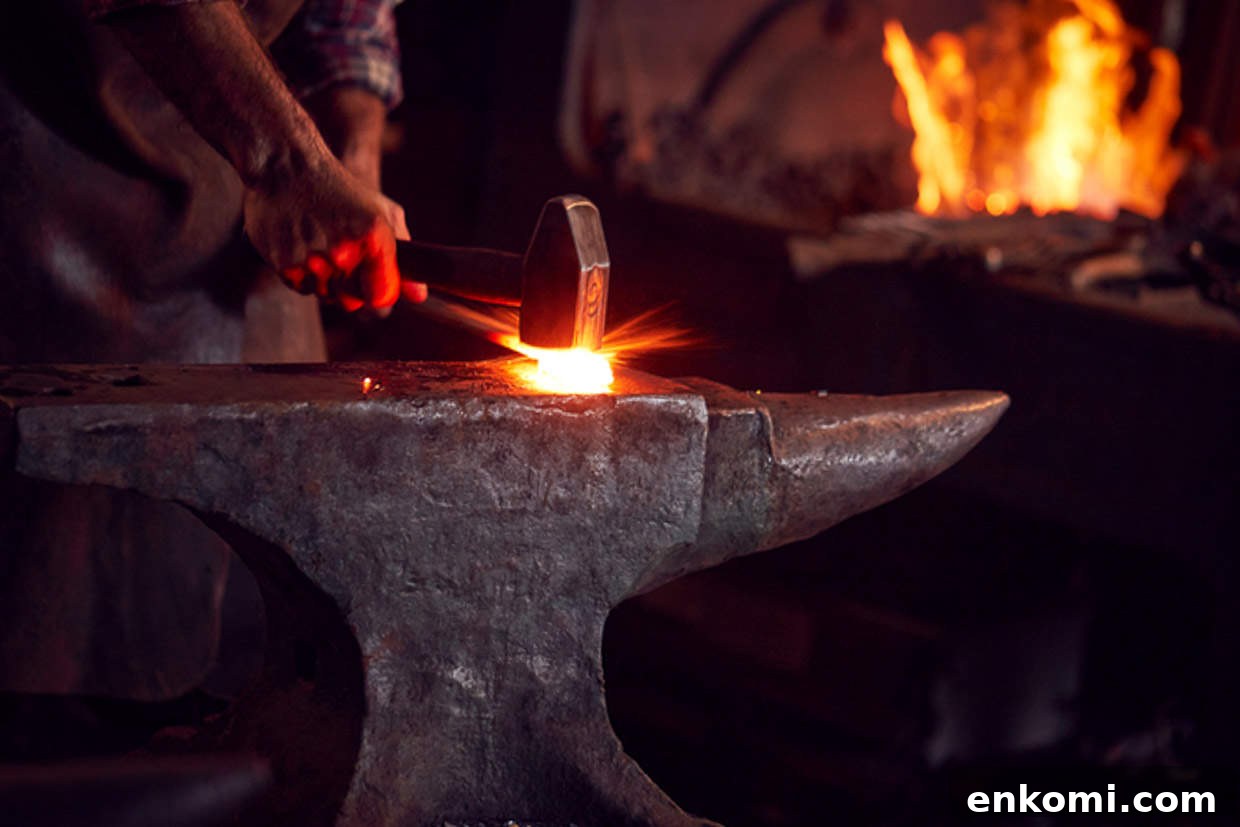
Many folk schools focus on reviving time-honored trades. Blacksmithing, for example, has experienced renewed interest, in part due to popular media, and schools now offer extended courses where students train under experienced artisans. This craft appeals for its historical roots and its modern creative applications, blending technique with personal expression.
Broom making is another craft taught at folk schools, combining function and creativity. Students learn to select appropriate materials, such as broomcorn and wooden handles, and to weave and bind the components into a finished broom. While some students take these skills home to continue practicing, others value the experience for the satisfaction of producing a handmade object. Broom making reconnects participants with everyday skills and provides a tangible result that celebrates craftsmanship.
Coopering, or barrel making, is preserved at a smaller number of folk schools. This demanding craft—vital to aging wines, spirits, and some traditional foods—teaches students how to shape staves, fit hoops, and char interiors to achieve a tight, functional seal. Coopering highlights the precision and physical skill behind objects that influence flavor and storage, and by teaching these methods, folk schools help maintain techniques essential to several food and beverage traditions.
Smaller classes for smaller crafts
In addition to intensive programs, folk schools host shorter introductory sessions in skills like painting, whittling, candle making, and other crafts. These bite-sized classes aim to spark curiosity and give learners the confidence to continue exploring at home. Small class sizes create a more personalized experience, which makes traditional crafts approachable and enjoyable for beginners.
Building community
Community building is central to the mission of folk schools. Many offer low-cost or free workshops and events to make traditional crafts accessible to a wider audience. These gatherings act as both educational opportunities and social mixers that strengthen local ties and promote intergenerational exchange. By inviting community participation, folk schools reinforce the value of shared skills and collective creativity.
All folk schools are unique
Each folk school develops its own specialties. Some focus on boat building, others on cooperative construction projects like cabins, and some concentrate on regional crafts or nature-based skills. With hundreds of classes offered throughout the year, there are options for many interests and ages. Even a short, half-day class can yield a meaningful, handmade souvenir, while longer courses provide deeper mastery of a craft.
Find a folk school near you
The folk school movement continues to expand, and more schools are opening across the country. Directories and local recommendations can help you find nearby programs, but word of mouth remains a reliable way to discover lesser-known schools. Ask friends and family, or check community bulletins to learn about classes and events in your area.
American folk schools do more than teach techniques; they safeguard cultural knowledge and strengthen community life. By training new generations of makers and keeping traditional practices in active use, these schools preserve living skills that connect us to the past while enriching the present. If you’re feeling overwhelmed by the digital world, visiting a folk school offers a hands-on way to slow down, learn something tangible, and reconnect with others.
Laura Sampson of Little House Big Alaska focuses on helping modern families rediscover classic home-cooking and homesteading skills, sharing tips on backyard gardening, traditional recipes, and practical crafts.