

“We live in a culture with a lot of entitlement,” Steph Jenkins says in this interview. In her home, entitlement isn’t part of the vocabulary — instead, they emphasize boundaries, budgets, and clear priorities.
When grocery prices climb, Steph doesn’t complain about the cost. She consciously decides whether to raise the grocery budget and, in this case, chose not to. Instead she adjusts meal plans, cooks more from scratch, and shifts spending to stay within limits.
She has a talent for making any situation work, and her practical approach is inspiring.
I’m honored to introduce my friend Stephani Jenkins, also known as The Cheapskate Cook. In this conversation she shares practical strategies for creating and sticking to a grocery budget and for teaching her boys to cook so they grow into independent adults who can make smart life choices.
In this episode we cover:
- Organic vs. gluten-free choices and how to prioritize during inflation
- Why letting kids fail is an important part of learning
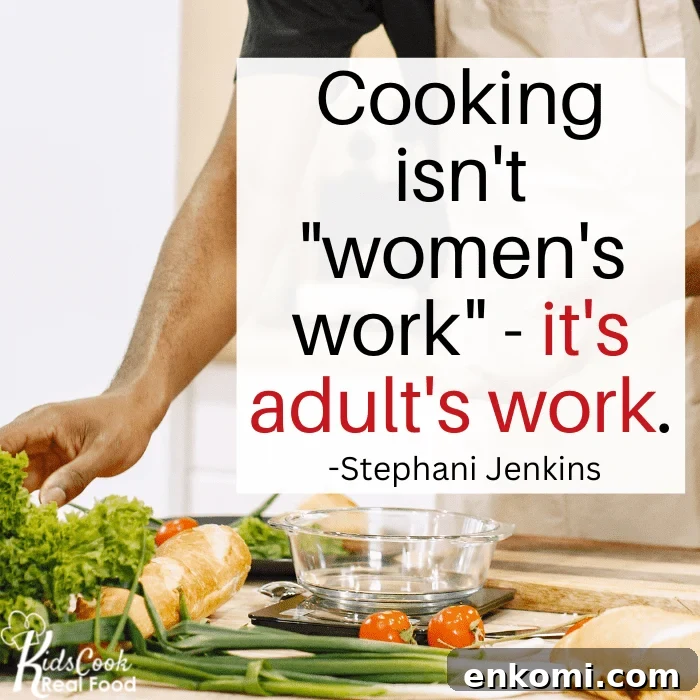
- What maturity and adulting really look like in the kitchen
- A summer experiment Steph ran with her older kids that they’re excited to repeat
- Why deliberate choices matter for family finances and health
Listen for the practical wisdom from an intentional mom who sets clear goals for her family and won’t abandon them when life gets challenging.
Can’t view the video? Watch Grocery Budgeting for Kids on YouTube.
If you don’t have time to watch, here are the key notes and takeaways.
Teaching Kids to Grocery Budget
- 0:32 — Stephani Jenkins writes for Kitchen Stewardship and runs Cheapskate Cook, focusing on real food and budgets. She recommends building a pantry of versatile ingredients to make healthy meals affordably.
- 1:23 — Stephani describes her food upbringing: from a typical American diet in early childhood to a whole-food, goat-raising teen experience. That background shaped her food values and budget habits.
- 5:46 — Early in marriage Stephani managed a grocery budget as low as $25 per week and learned how to feed a family without going into debt.
- 7:35 — Top tips: be creative with sale items, make the most of what you already have, and favor affordable whole foods over cheap processed alternatives that undermine health.
- 11:00 — As her family grew to include three boys, the food budget changed. She walks through how household size affects grocery planning and priorities.
- 12:59 — With gluten and dairy sensitivities in her family, Stephani shares experience handling food allergies on a budget. Store-bought allergy-friendly convenience items can be costly; cooking from whole ingredients is often more affordable and flexible.

People have been feeding themselves for thousands of years and doing just fine without convenience foods. – Stephani Jenkins
- 17:02 — Stephani taught her boys to cook so they could become independent adults and lighten the cooking load at home. Learning to prepare food from scratch builds confidence and life skills.
- 18:50 — She shares bumps and funny stories from the learning process. She gave her older boys two weeks to plan, budget, and prepare their own meals so they would learn real responsibility and decision-making.
- 22:36 — It’s crucial to let kids experience the consequences of food choices. In one experiment, Steph’s son ate frozen pizza repeatedly and discovered it gave him stomachaches. Firsthand experience helps children understand why the family chooses certain foods without a parent having to enforce every rule.
Kids don’t need plastic knives. They need real skills.
Teach safe technique, focus, and confidence — this is a favorite lesson in kids cooking classes for ages 2–12.
- 26:03 — Benefits of teaching kids to cook: practical independence, better food choices, and a reduced burden on parents. Cooking builds problem-solving and budgeting skills.
- 29:18 — This episode was recorded during a period of rising food inflation. When budgets can’t stretch, adjust expectations and prioritize what matters most. Steph shares concrete examples of shopping and menu changes to accommodate higher prices.
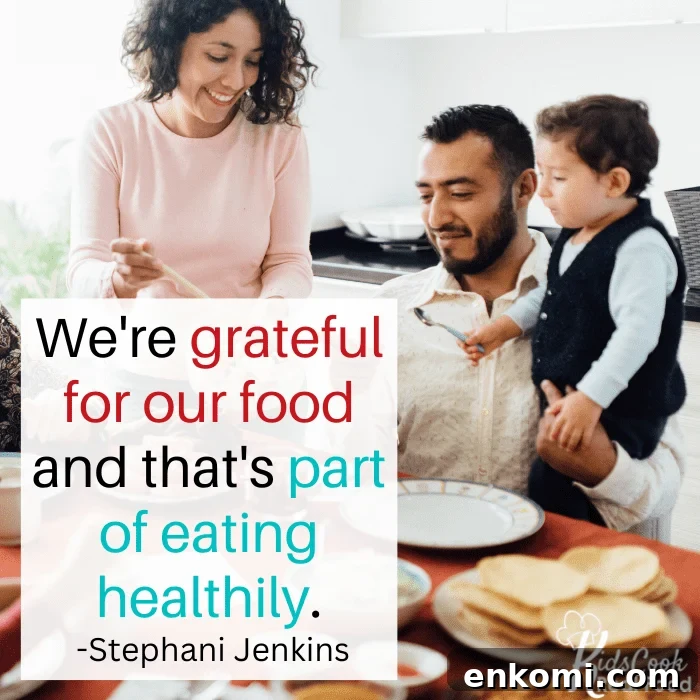
- 34:37 — Having a budget brings peace and clarity. A budget lets you choose priorities and work toward goals. Some seasons call for increasing food spending; other seasons require tighter limits. As the adult, you decide where money goes.
- 38:00 — One practical step to take now: search your town plus “average food budget” to see realistic spending ranges. Use that information to set a reasonable, attainable grocery plan.
Resources Mentioned
- Stephani Jenkins writes for Kitchen Stewardship and runs CheapskateCook.com, where she shares recipes, grocery hacks, and budgeting advice.
- She’s written about giving older kids two weeks to plan, budget, and cook their own meals — a useful exercise to teach responsibility.
- Stephani offers a short weekly email with tips for saving money while eating healthily.
- She recommends maintaining a small set of versatile pantry ingredients so you can make many healthy meals without overspending.
 Stephani Jenkins runs CheapskateCook.com, sharing recipes, grocery strategies, tutorials, and encouragement to protect both your health and your budget. Her practical, real-life approach helps families save money while eating well.
Summary: Stephani’s approach is straightforward — set priorities, teach practical skills, and make deliberate choices about food and spending. With a clear budget and the habit of cooking from whole ingredients, families can navigate inflation, food sensitivities, and busy seasons without losing sight of health and long-term goals.