
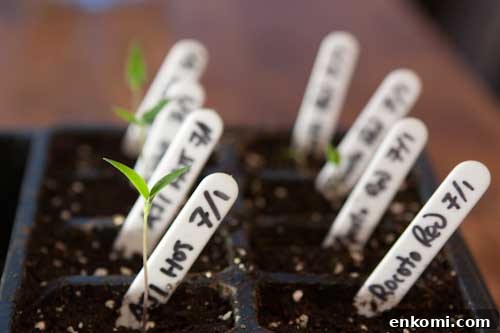
If you, like me, don’t always plant your peppers early, there are a few simple methods to speed up germination and early growth of chilli plants. With the right steps you can give slow-germinating varieties a head start and get your chilli season back on track.
Some chilli varieties germinate quickly — common types like Cayenne or Jalapeño may sprout in a few days — while hotter and rarer types such as Naga or Bhut Jolokia sometimes take weeks or even months. The main factor that helps seeds germinate reliably is warmth.
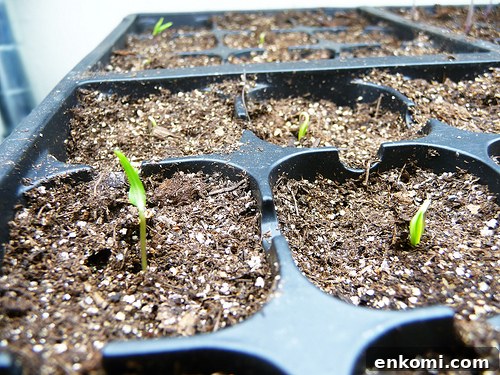
How I Speed Up Germination
Seeds respond best to steady, warm conditions. A consistent, gentle heat dramatically shortens the time to sprout. Unless you can provide continuous warmth in your home, the simplest solution is a low-wattage heat source designed to maintain a steady temperature.
I use a heat mat intended for reptile vivariums. These mats provide constant, gentle warmth while consuming little electricity. Although made for reptiles, they work exceptionally well for seeds: place your seed trays on the mat, plug it in, and the soil stays at an ideal temperature for germination.
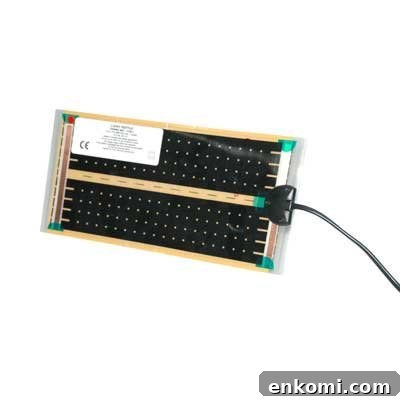
For my setup I use standard 24-cell seed trays filled with sieved potting compost. Two seed trays fit comfortably on each heat mat. The mat provides the steady warmth seeds need and that consistency often produces faster, more uniform germination compared with room temperature alone.
In my experience, using a heat mat can speed up germination by up to four times for many varieties and often improves overall germination rates. Faster germination also means stronger, more even seedlings that are easier to manage once they emerge.
One important note: because the additional warmth increases evaporation, seed trays on a heat mat dry out faster. Check moisture levels more frequently and water gently when the surface starts to dry. Keeping the compost evenly moist but not waterlogged gives the best results.
Other small tips that help:
- Use fresh, high-quality seed compost and avoid compressing it; loose, free-draining medium helps roots establish.
- Cover trays with a clear dome or plastic wrap to hold humidity until most seeds have sprouted, then remove to reduce damping-off risk.
- Label trays clearly with variety and sowing date so you can track germination times.
- If a particular variety is known to be slow, be patient and maintain steady warmth and moisture rather than increasing temperature excessively.
These small adjustments—consistent warmth, appropriate moisture, and good seedling hygiene—make a big difference, especially when you’re starting late. If you have other germination tips or tricks that work well for you, share them in the comments below.