
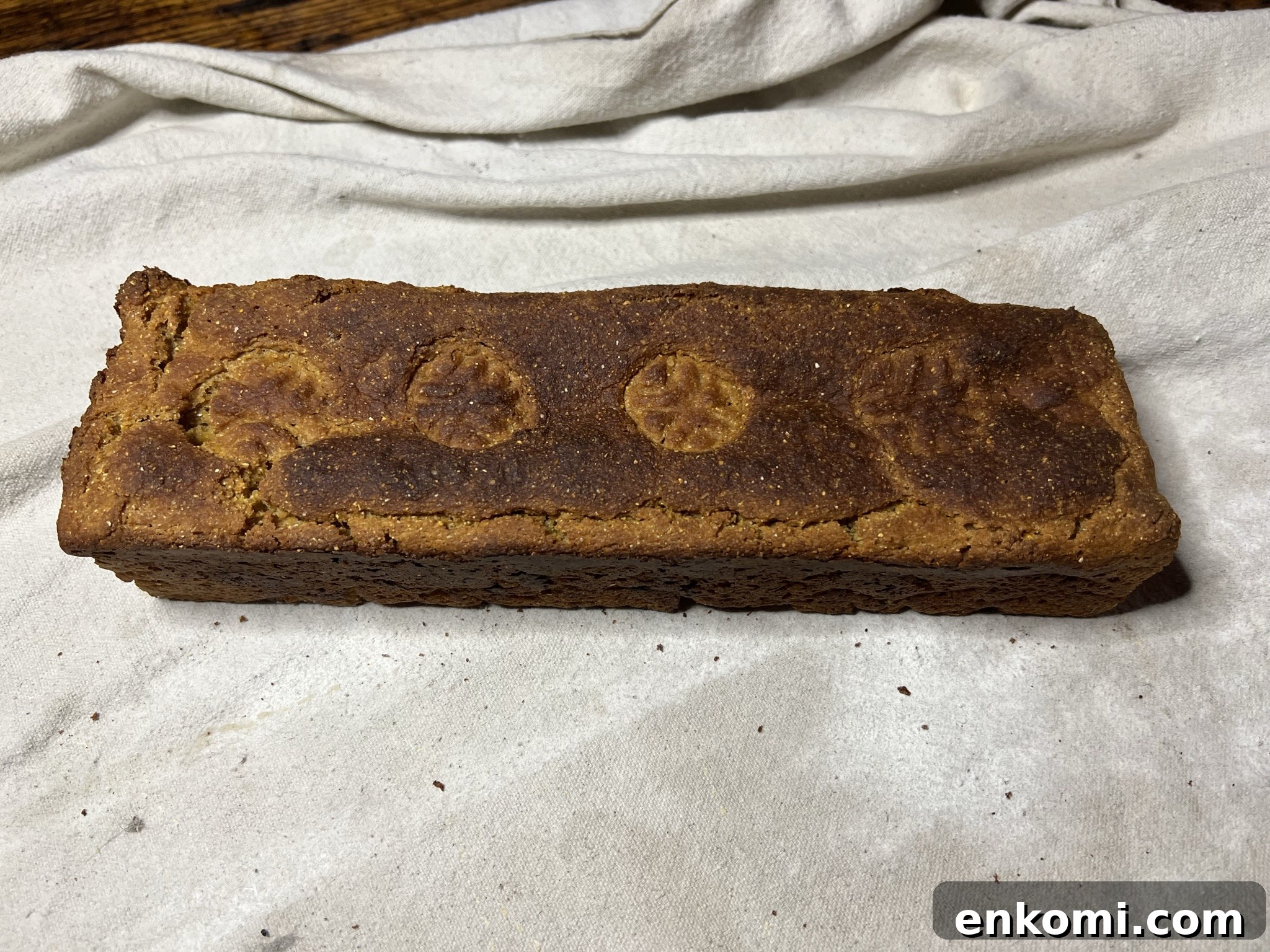
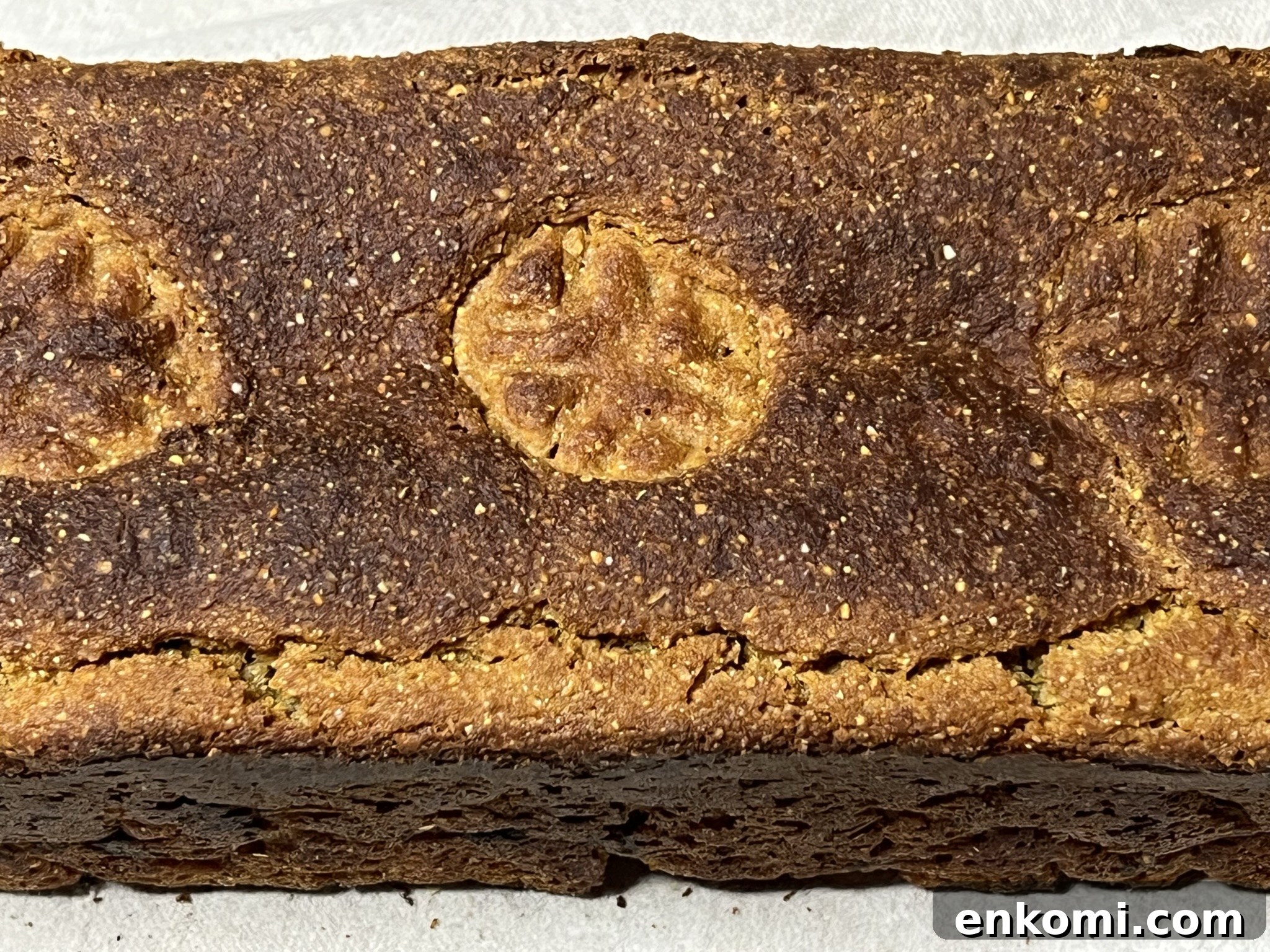
A blend of rye and cornmeal—referred to as “Indian” in 19th-century American cookbooks—was a staple bread in New England throughout that century. Notably, Emily Dickinson won second prize for her loaf of this bread at a Massachusetts agricultural fair in 1856.
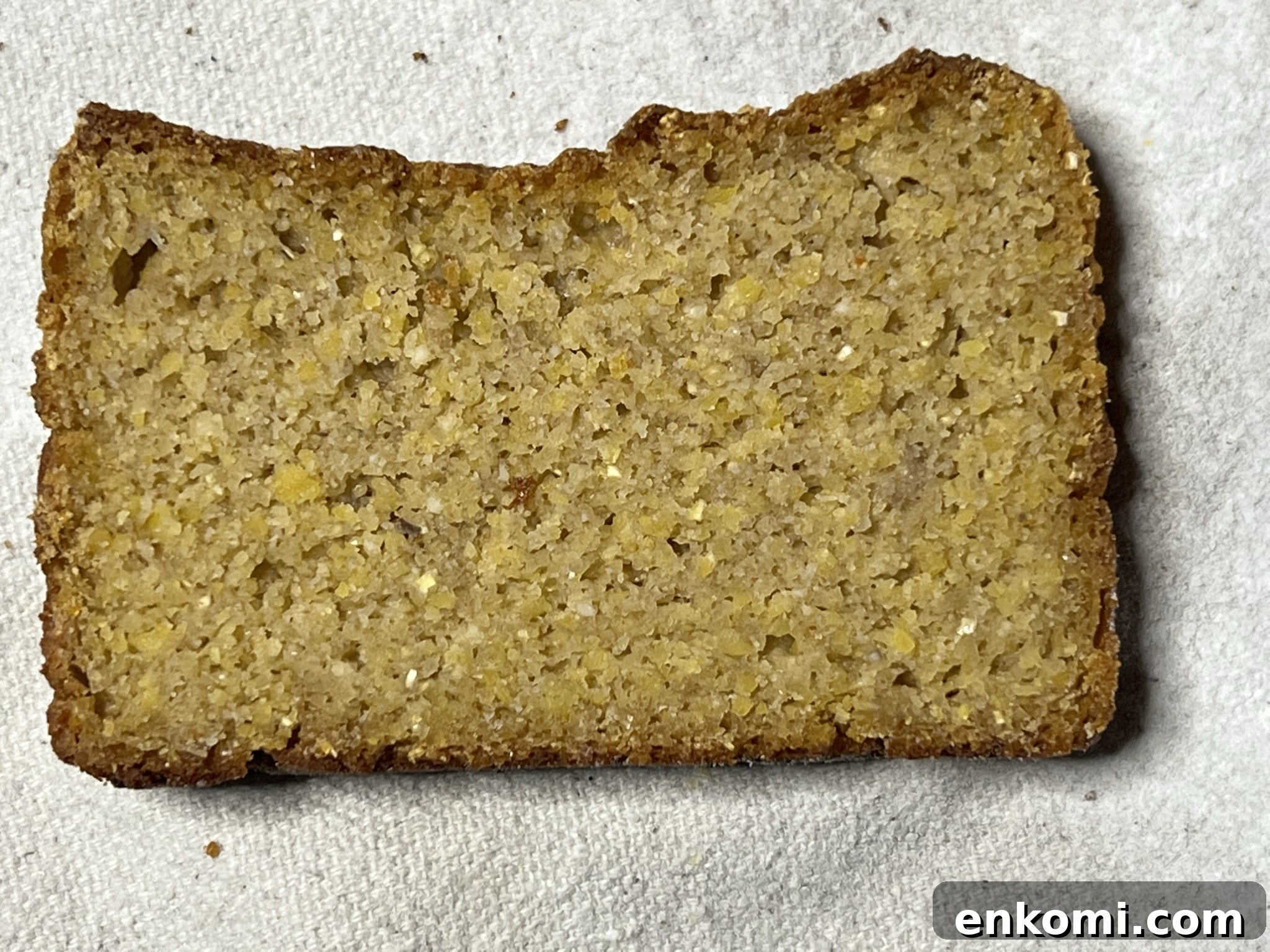
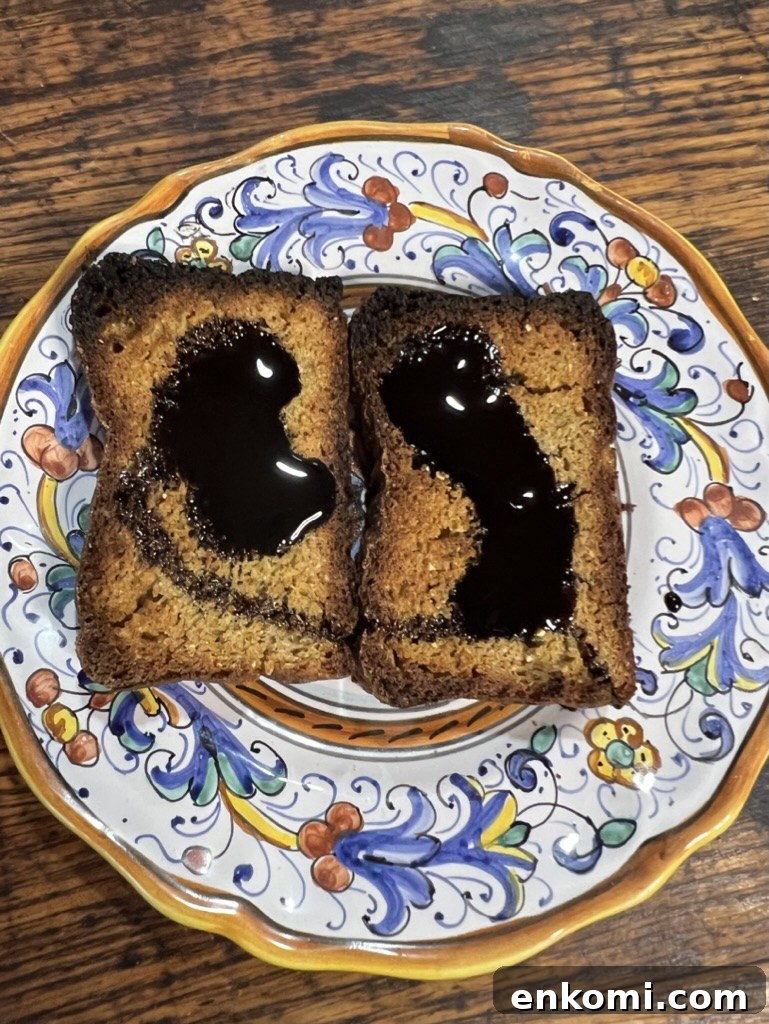
This hearty bread is an excellent companion to molasses; molasses was frequently used with cornbread and mixed-grain loaves that included rye. I recommend trying toasted slices with a drizzle of molasses—the flavors complement each other beautifully. The loaf is denser than typical wheat breads and has a robust, slightly rustic flavor. It pairs best with substantial, savory dishes such as New England baked beans and winter stews rather than delicate fare.
RYE AND INDIAN BREAD.
Sift two quarts of rye, and two quarts of Indian meal, and mix
them well together. Boil three pints of milk; pour it boiling hot
upon the meal; add two tea-spoonfuls of salt, and stir the whole
very hard. Let it stand till it becomes of only a lukewarm heat,
and then stir in half a pint of good fresh yeast; if from the
brewery and quite fresh, a smaller quantity will suffice. Knead the
mixture into a stiff dough, and set it to rise in a pan. Cover it
with a thick cloth that has been previously warmed, and set it near
the fire. When it is quite light, and has cracked all over the top,
make it into two loaves, put them into a moderate oven, and bake
them two hours and a half.”Miss Leslie, Directions for Cookery, in its Various Branches (1840).
A quart is roughly equivalent to a liter, and three pints equal about 1.5 liters. The original recipe assumes liquid brewer’s yeast; if using modern dry yeast, use a generous amount—about 1% to 1.5% of the total flour weight.
For a practical home version, measure equal parts rye and cornmeal by volume. Start with 2 cups (about ½ liter) of each to make a single loaf. In baker’s percentages this totals 100% flour. Use scalded milk to hydrate the meal; scalding helps gelatinize the starches, improving texture and absorption. Aim for the milk weight to be roughly 125% of the flour weight. For example, if your combined flours weigh 500 g, use about 625 g of milk.
Bring the milk to a boil, remove it from the heat, and pour it over the rye and cornmeal. Stir thoroughly with a wooden spoon, cover the bowl, and wrap it in a towel, jacket, or warm blanket to retain heat. As the mixture cools to lukewarm (“blood heat”), it will thicken and become cohesive.
When the dough reaches lukewarm temperature, add dry yeast at about 1%–1.5% of flour weight (a standard 5 g packet is appropriate for roughly four cups of flour). Mix well, then transfer the dough to a greased loaf pan. Let it rise in a warm place until it has noticeably expanded. Bake in a preheated oven at 350°F (180°C) for about one hour. The loaf is done when a knife or skewer inserted in the center comes out clean. Allow the bread to cool on a rack before slicing.
This bread freezes well when wrapped tightly. Serve toasted with molasses or alongside robust, savory dishes for the best pairing.