
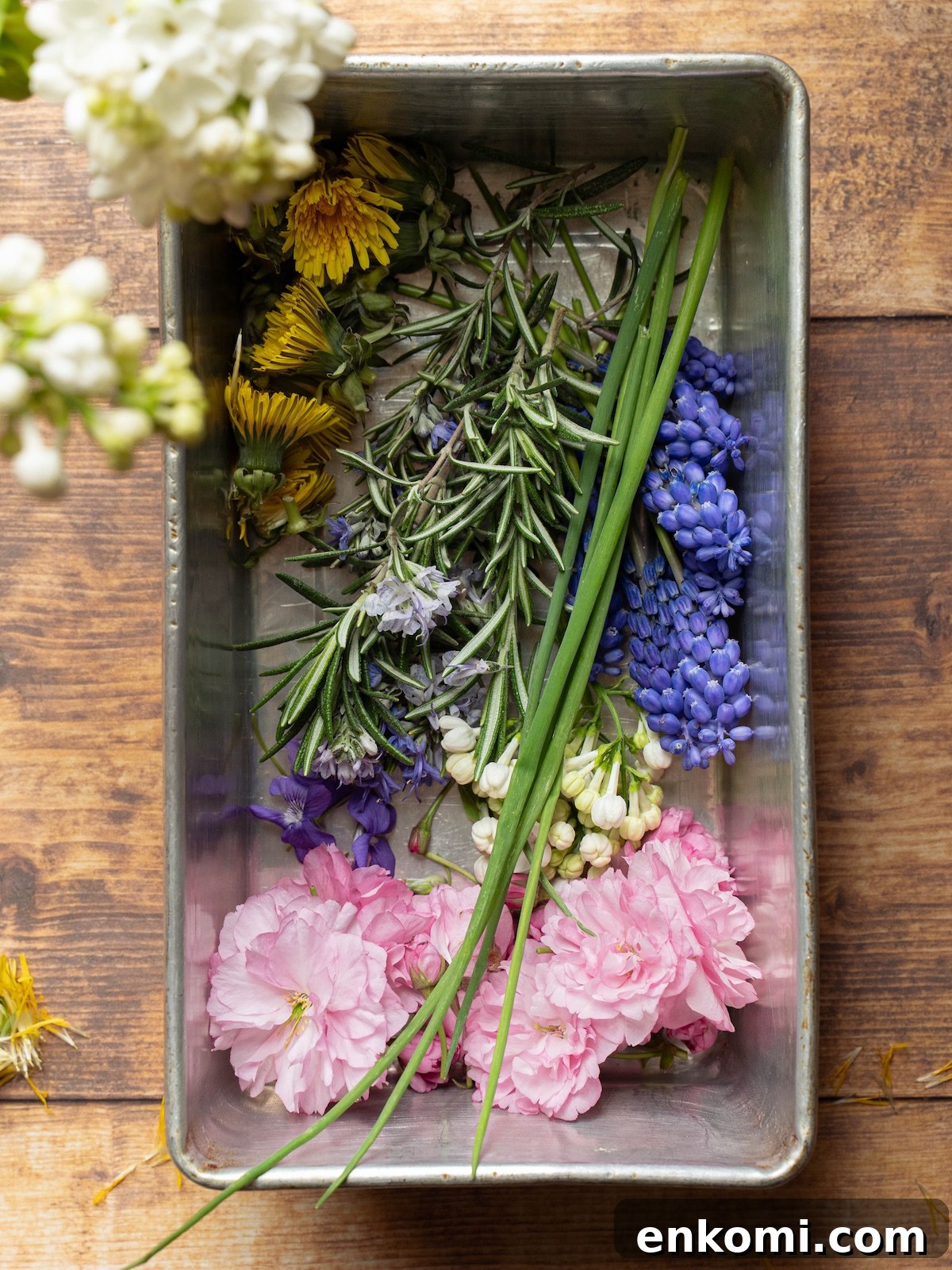
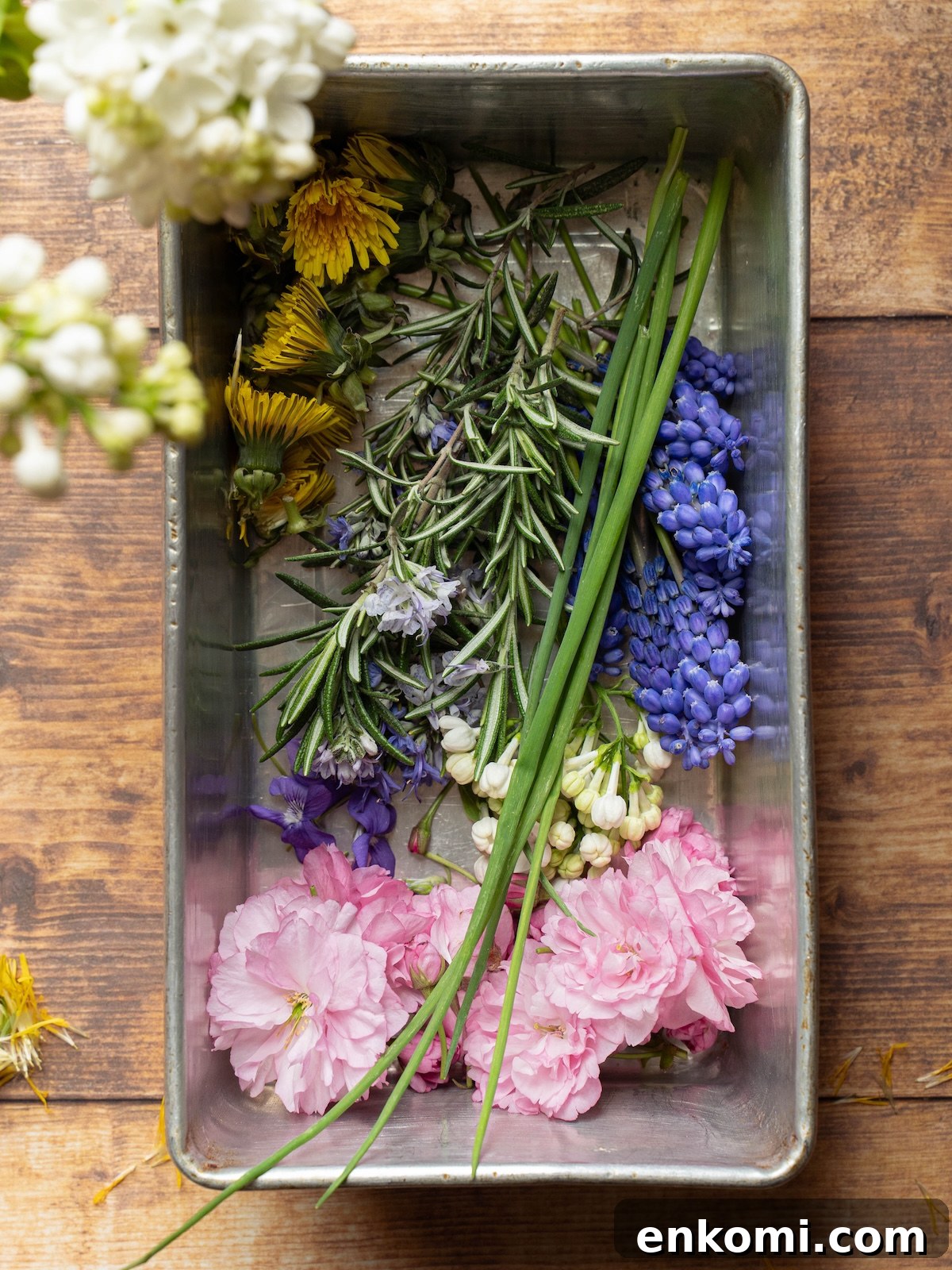
Spring in the Pacific Northwest is prime time for foraging edible flowers. As the landscape wakes up—trees greening, pollen in the air, and the first blossoms returning color—there’s a special joy in bringing wild ingredients into the kitchen. From magnolias in full bloom to tiny violets along shaded trails, spring offers a beautiful selection of blooms that work well in desserts, drinks, syrups, and more.
Over the years I’ve enjoyed baking with edible flowers not only for their beauty but because they capture a fleeting moment in the season. Many of these blooms appear only a few weeks each year, but with simple techniques you can preserve their flavor in syrups, sugars, and other preparations to enjoy long after the flowers fade.
This guide highlights common, beginner-friendly edible flowers you can forage in the Pacific Northwest in spring, with tips for identification, harvesting, and culinary use.
Before you start foraging
Follow a few basic rules to forage safely and sustainably:
- Always positively identify plants before consuming them.
- Avoid sprayed areas like roadsides, highways, and landscaped beds.
- Harvest responsibly, taking only what you need and leaving plenty for pollinators and plant regeneration.
- Respect local rules and protected areas when foraging.
- Bring basics: a basket or bag and a small knife or scissors.
- Tread lightly and avoid trampling fragile habitats when leaving trails.
If you’re new to foraging, begin with one or two plants, learn them well, and expand your knowledge gradually.
🌿 Important: This information is educational. Always be 100% sure of a plant’s identity before eating it and be aware of toxic lookalikes.
Magnolia flowers (Magnolia spp.)
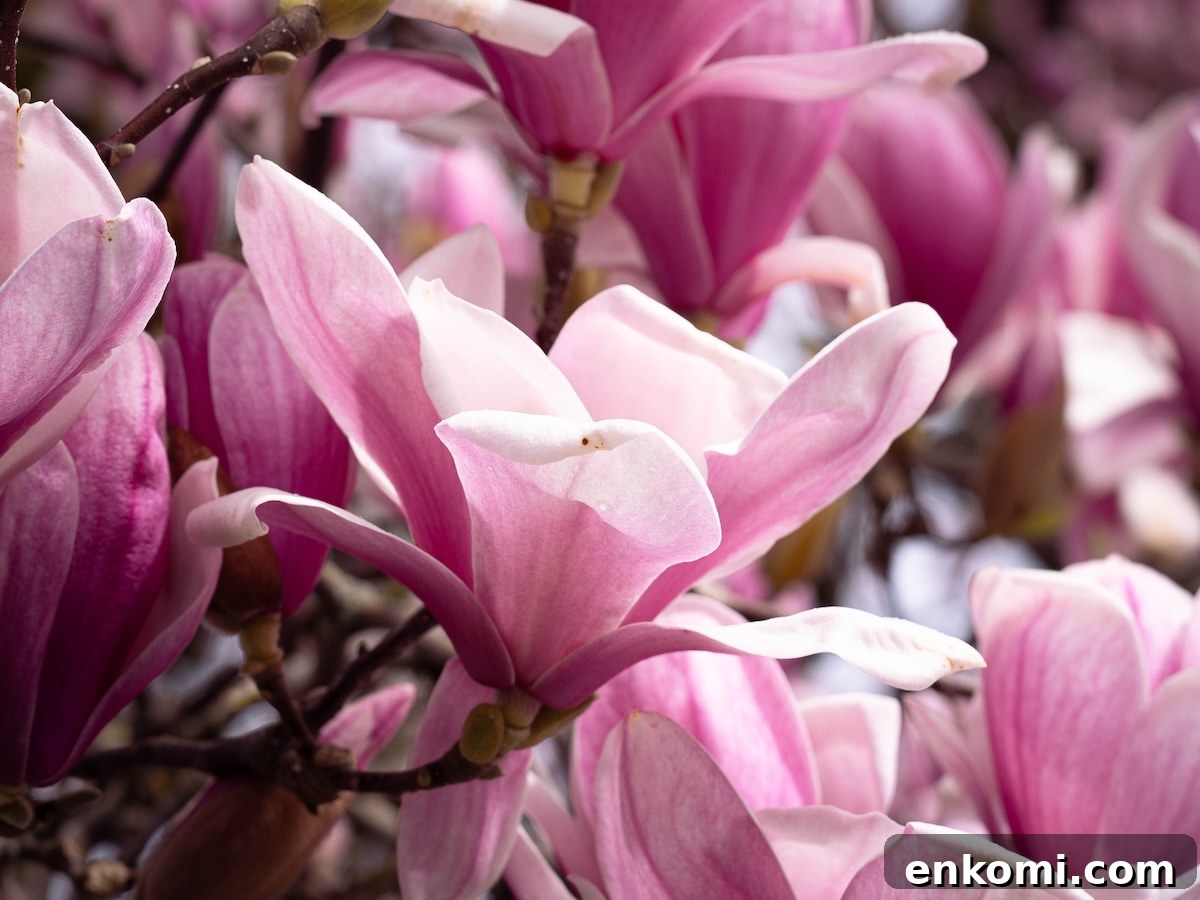
Magnolia flowers are often among the first edible blooms of spring. Their large, fragrant petals add a bold and distinctive flavor to both sweet and savory dishes.
Identification & where to find:
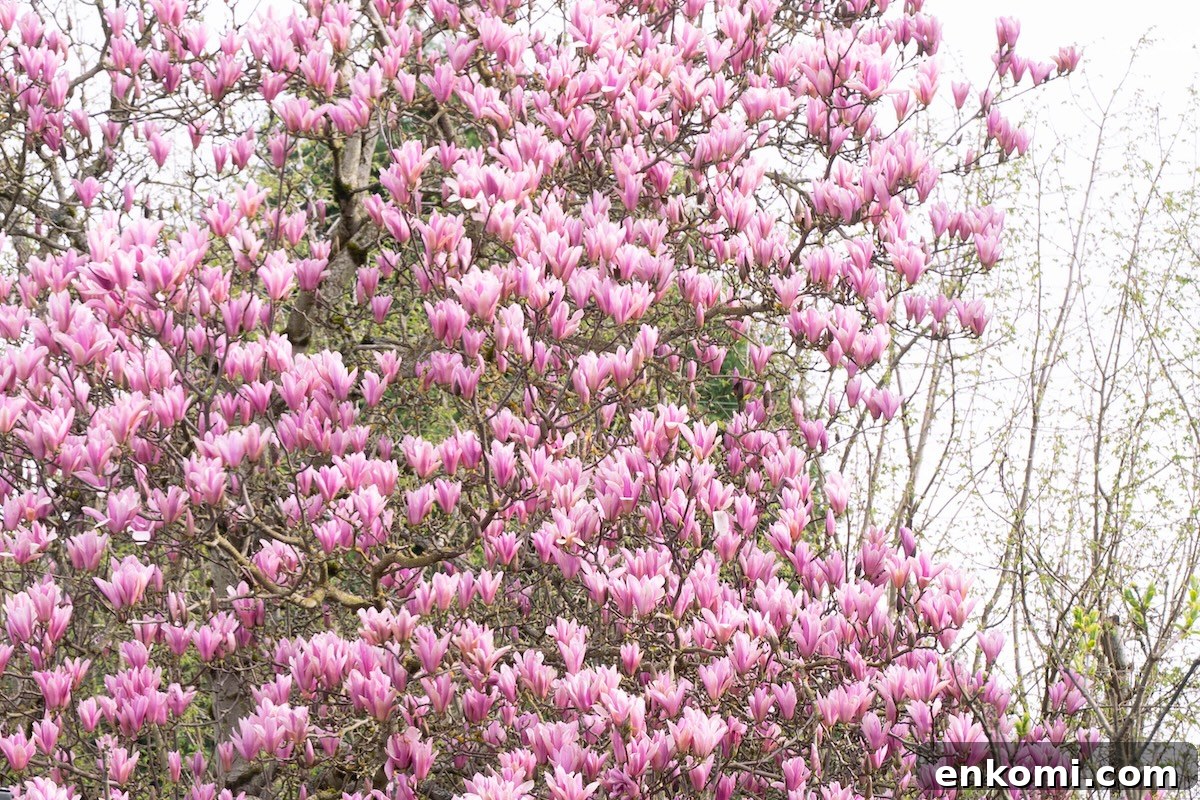
Look for large trees with showy pink, white, yellow, or purple blossoms in gardens, parks, and residential areas. Magnolia blossoms are tulip- or star-shaped and highly fragrant, making the trees easy to spot.
Best time to harvest:
Early to mid-spring, just as flowers fully open. You can also harvest buds depending on the recipe. Avoid fallen, brown, or damaged flowers.
Flavor:
Gingery with citrus and floral notes—some varieties taste like fresh ginger, cardamom, rosewater, or lemon. Flavor varies across species and colors.
Preparation:
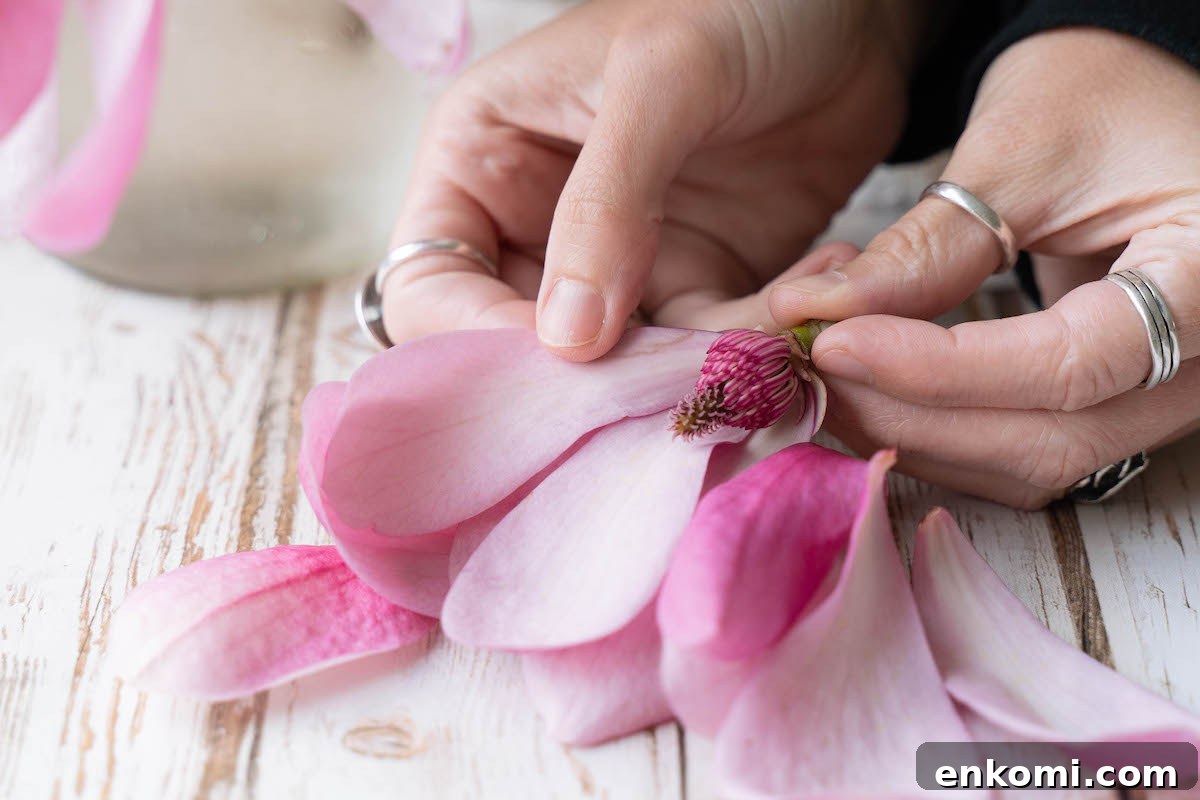
Rinse petals gently and let them dry. Remove the base and reproductive parts unless pickling whole buds. Use cleaned petals in syrups, desserts, or savory dishes.
How to use magnolia flowers:
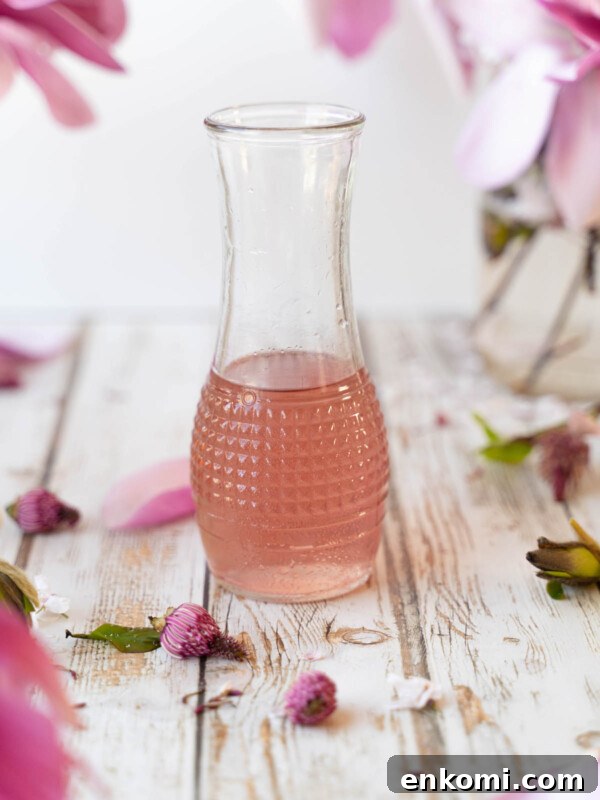
- Infuse into sugar or make magnolia syrup.
- Use the syrup in mocktails and cocktails.
- Dry and grind petals into a spice for baked goods.
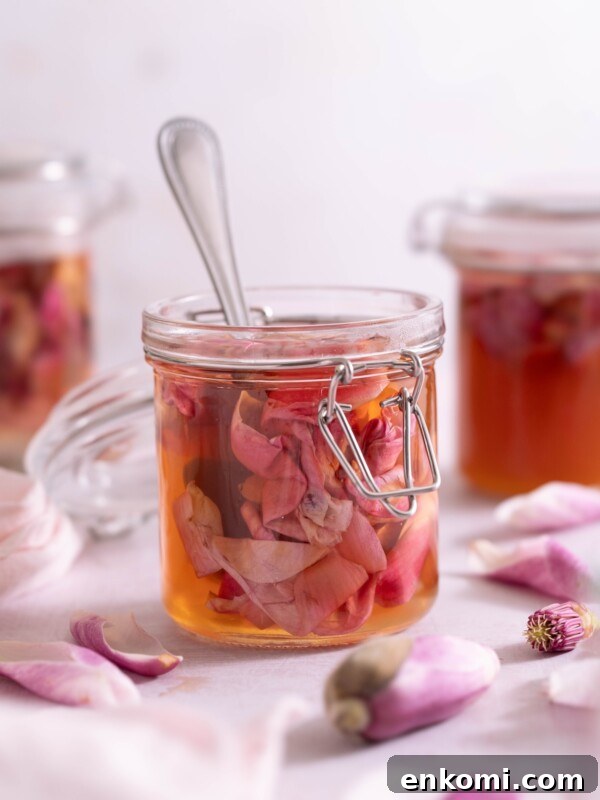
- Pickle petals or use pickle brine in marinades and dressings.
- Use fresh as a garnish, in salads, or stuffed with soft cheese.
- Infuse into cream-based desserts like panna cotta.
Magnolia flower recipes
Pickled Magnolia Petals
Magnolia Flower Syrup
Glazed Magnolia Shortbread Cookies
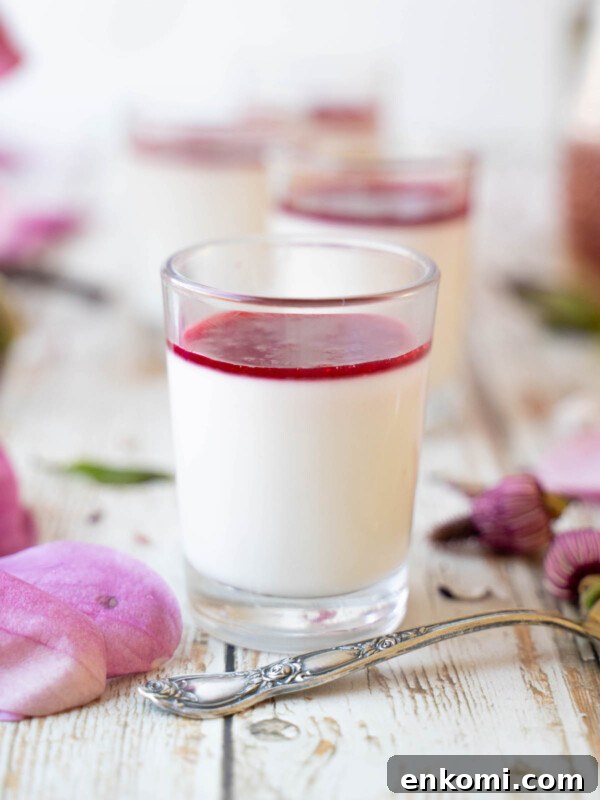
Coconut Milk Magnolia Panna Cotta
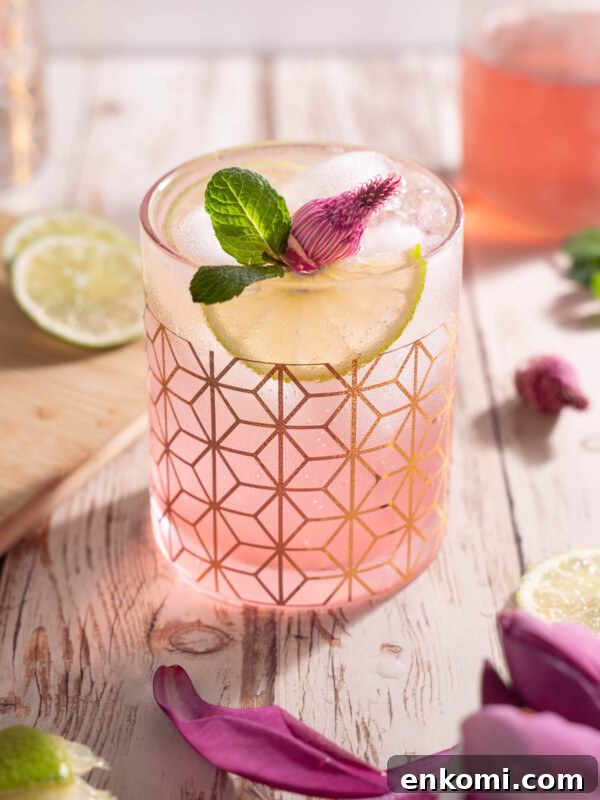
Magnolia Flower Moscow Mule
Dandelion flowers (Taraxacum officinale)
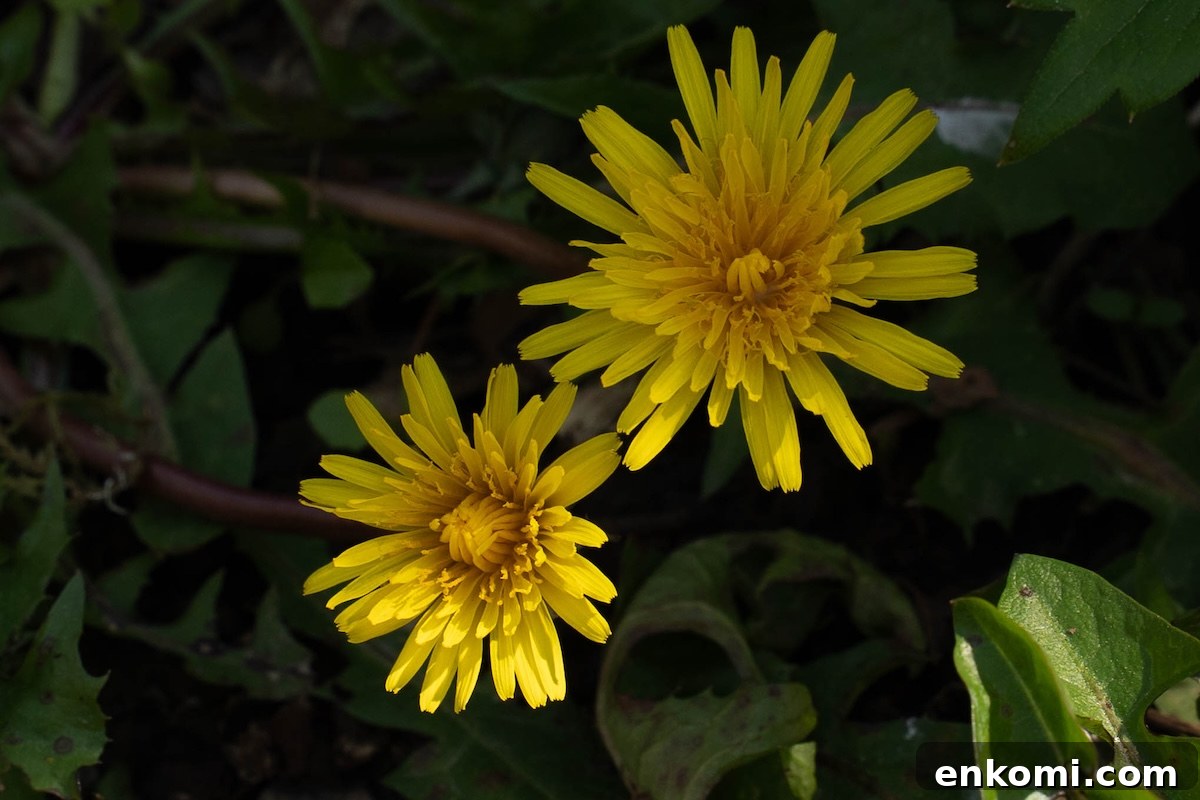
Dandelions are abundant, accessible, and fully edible from flower to root. Their pollen-coated petals have a honeylike sweetness that works beautifully in desserts and baked goods.
Identification & where to find:
Look for bright yellow flowers with jagged leaves and hollow stems, commonly found in lawns, fields, and disturbed ground.
Best time to harvest:
All spring, on sunny days when flowers are open. Dandelions are resilient and reappear often.
Flavor:
Mildly sweet with a honey-like taste.
Preparation:
Separate petals from the bitter green base by trimming above the base or twisting petals free by hand before using.
How to use dandelion flowers:
- Make syrups, jellies, or wine.
- Infuse petals into sugar for use in desserts.
- Add fresh or dried petals to baked goods.
- Garnish salads, cakes, and tarts.
- Create floral buttercream using homemade syrup.
Notes:
Dandelions can resemble Cat’s Ear (Hypochaeris radicata), which is also edible. Study their differences before harvesting. Leave plenty of flowers for pollinators.
Dandelion flower recipes
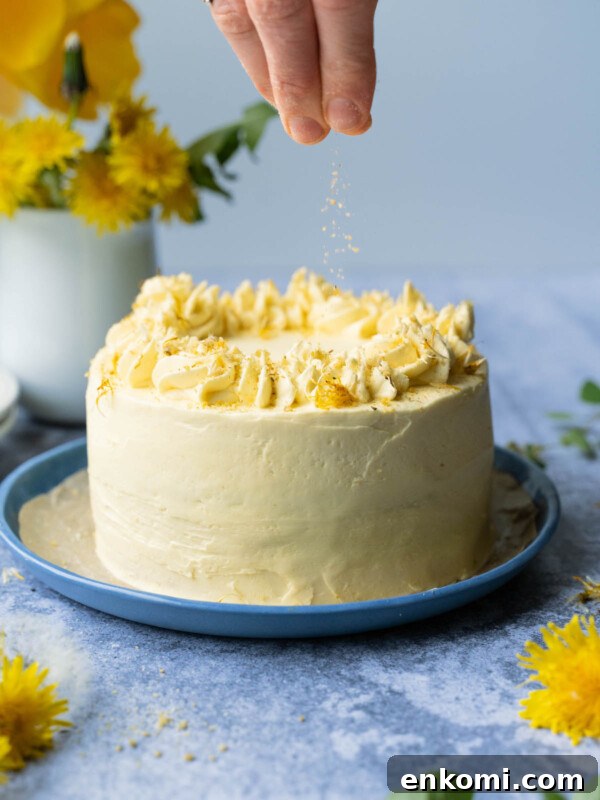
Ultimate Dandelion Cake
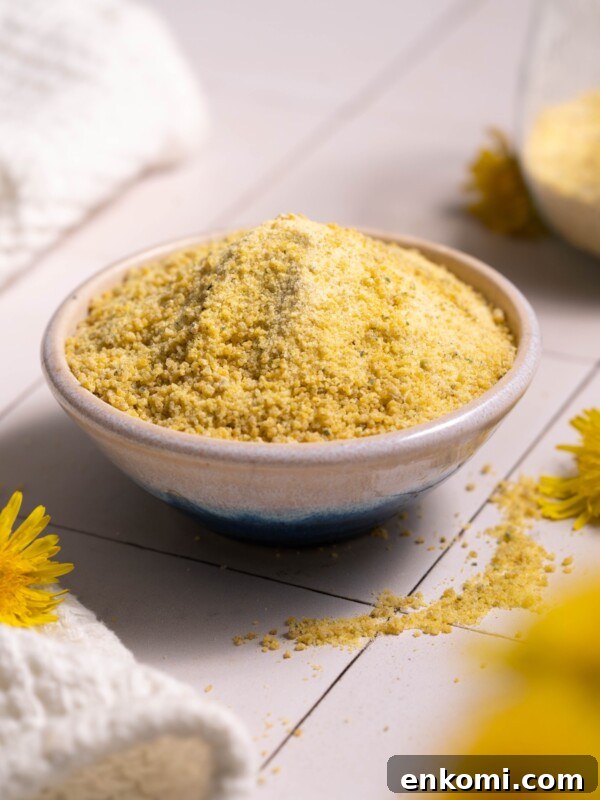
Dandelion Sugar
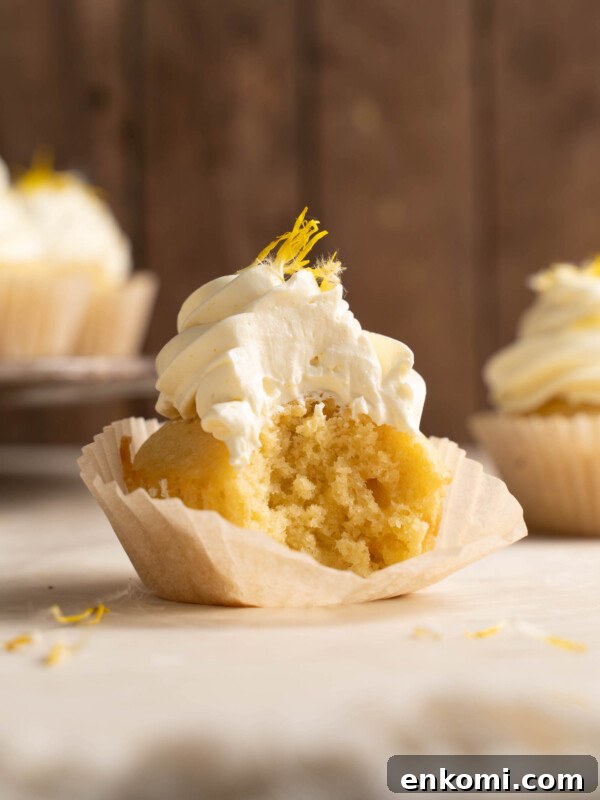
Dandelion Cupcakes
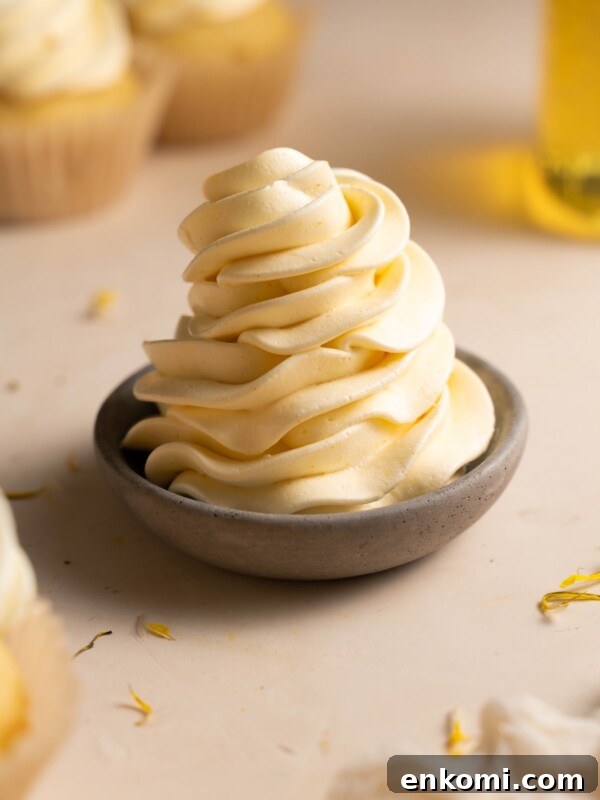
Silky Dandelion Buttercream
Wild rose (Rosa spp.)
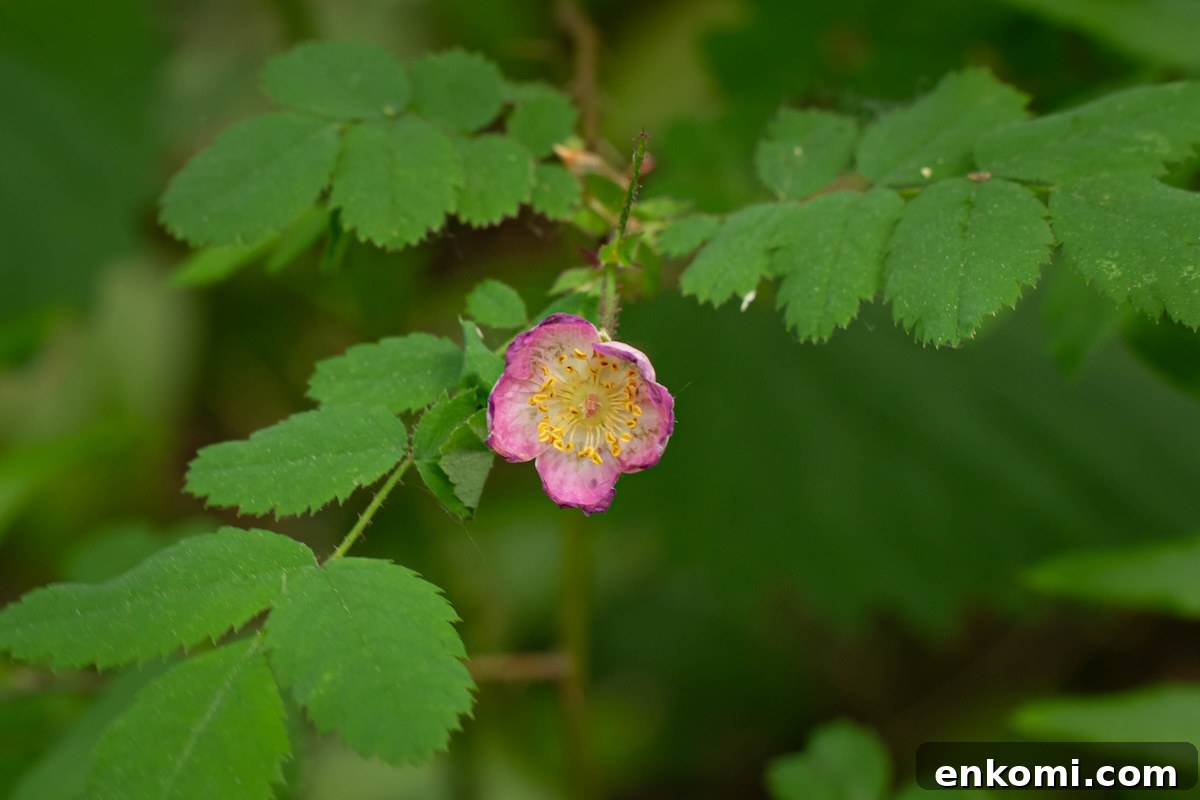
Wild roses—ancestors of cultivated varieties—offer delicate, edible petals. They can be time-consuming to gather but add a lovely floral note to many dishes.
Common local varieties include Nootka rose, Western wild rose, and Virginia rose.
Identification & where to find:
Look for pink or white five-petaled flowers on thorny shrubs along trails, in forests, and coastal areas.
Best time to harvest:
Mid spring to early summer when flowers are fresh and newly open.
Flavor:
Lightly sweet, floral, and slightly spicy.
How to use rose in recipes:
- Infuse into syrups or honey.
- Add fresh or dried petals to desserts and baked goods.
- Use as a garnish for cakes and tarts.
- Dry petals for tea.
Recipes using rose
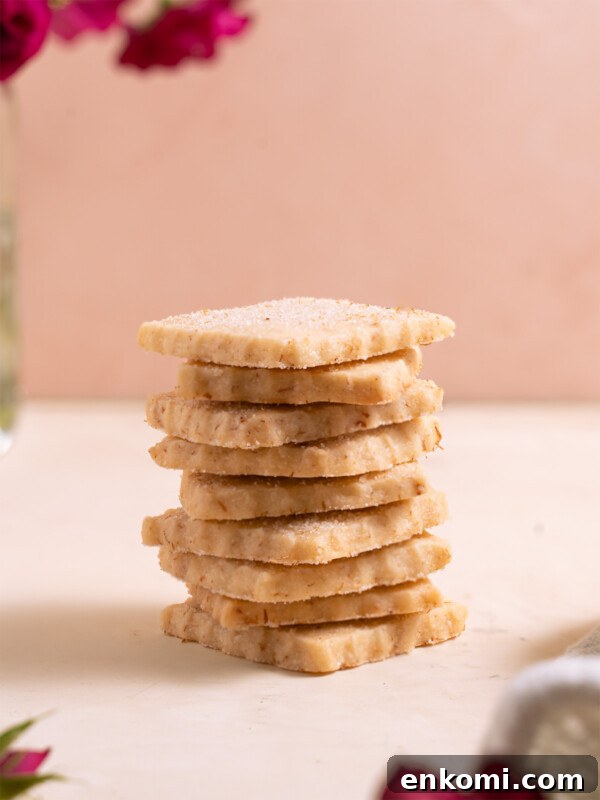
Rose Shortbread Cookies
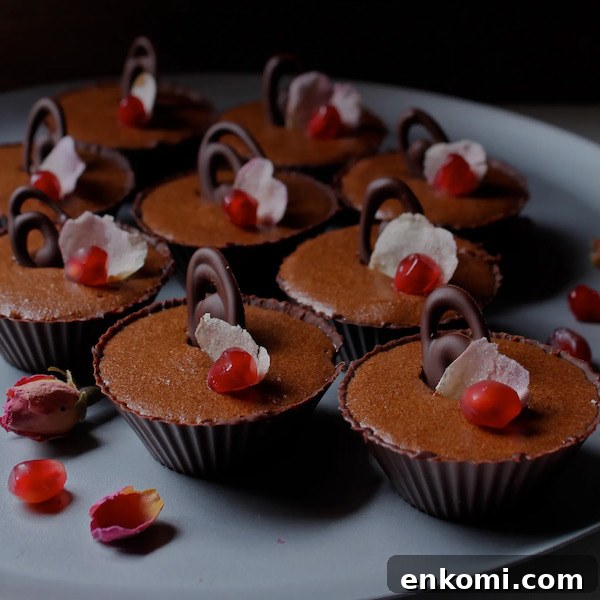
Chocolate Rosewater Mousse Cups
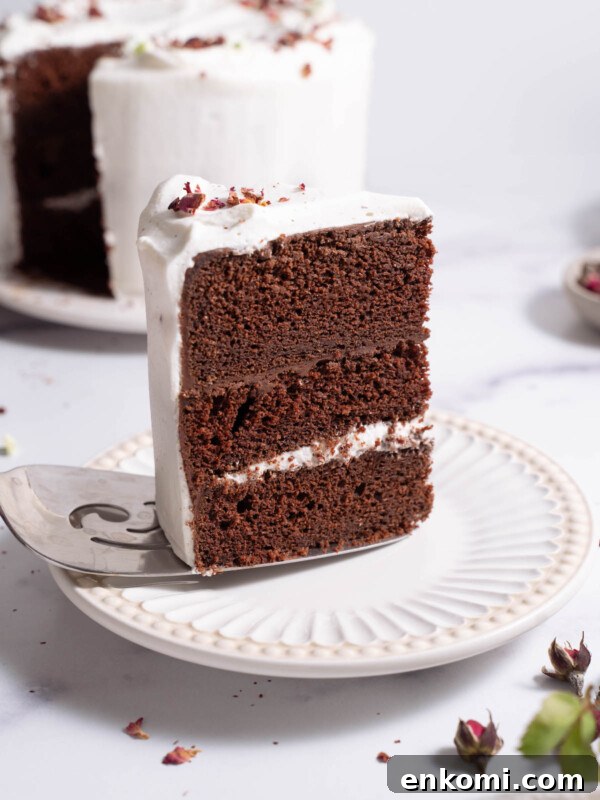
Chocolate Rose Cake with Vanilla Whipped Cream
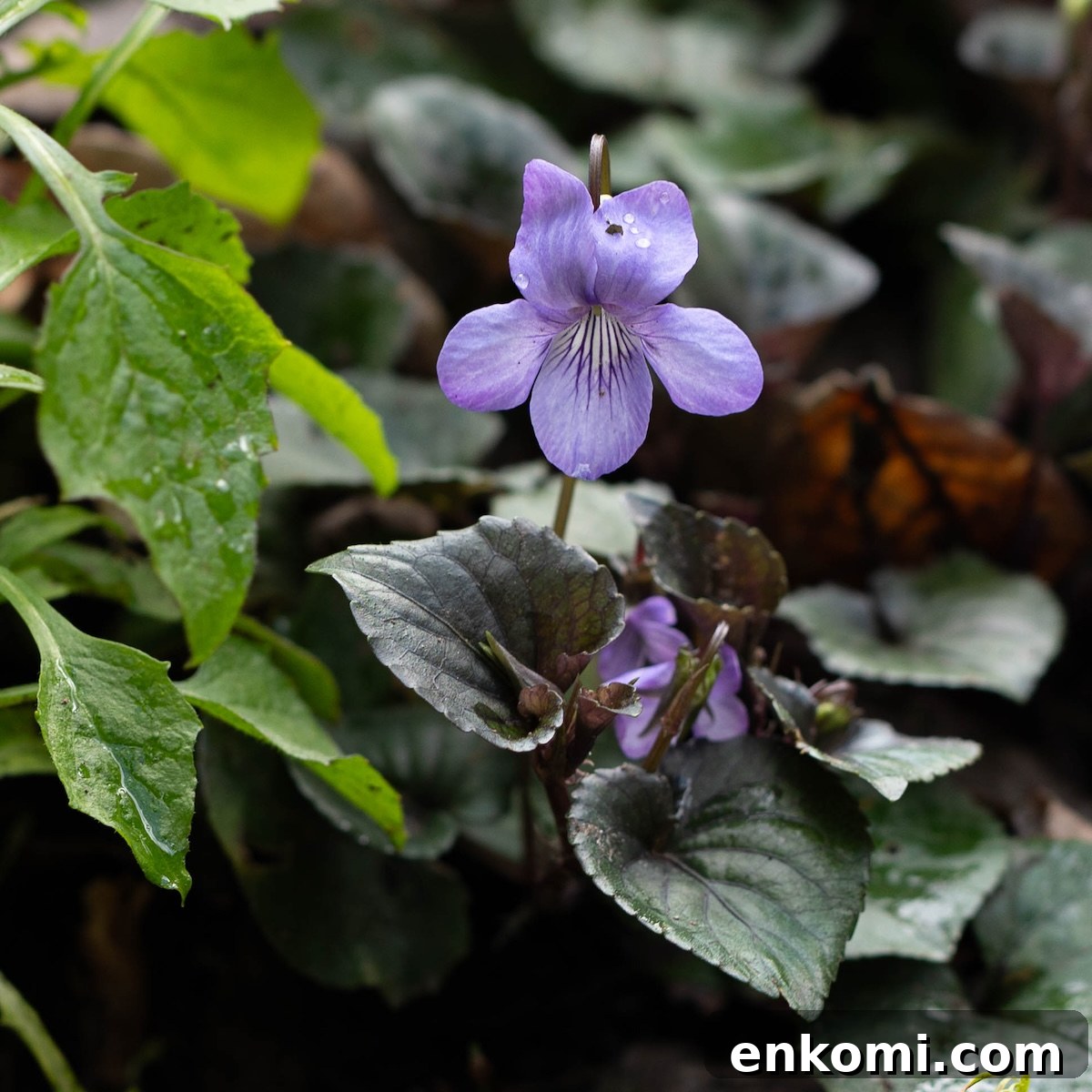
Wild violets (Viola sororia)
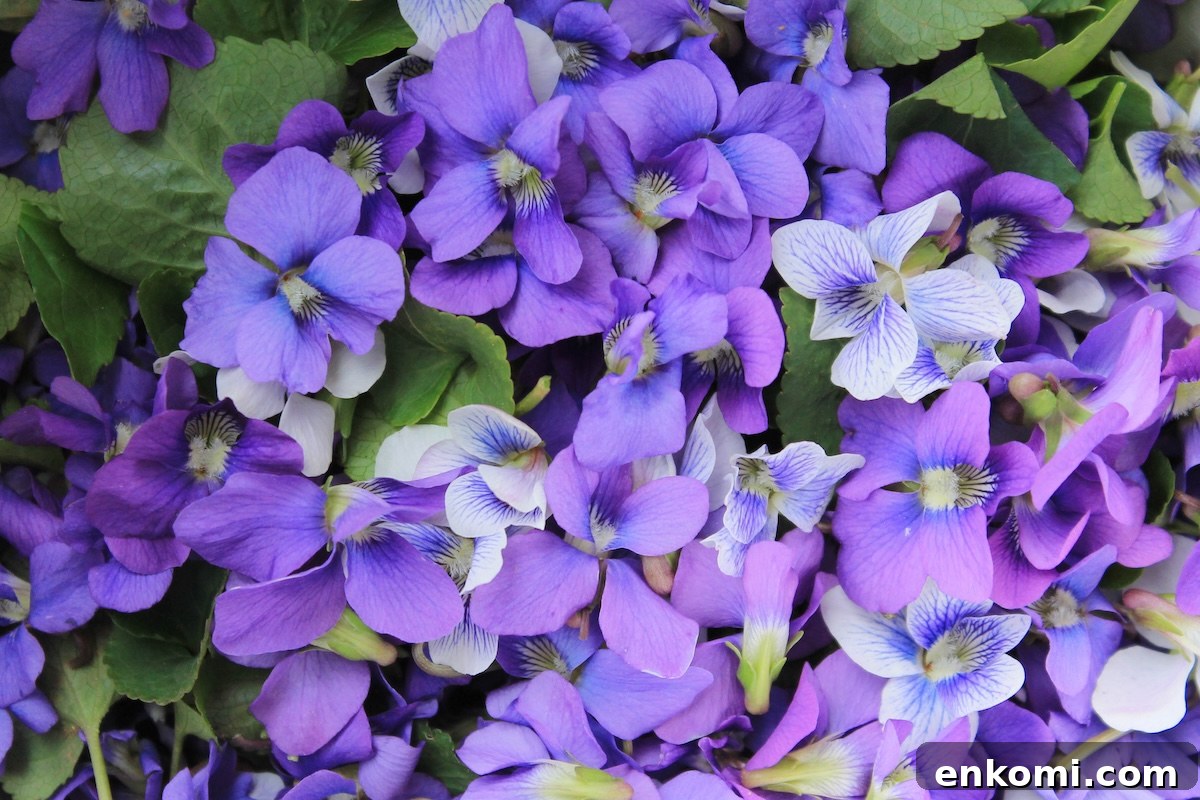
Violets are easy and friendly for beginners. These low-growing perennials produce small blue to purple flowers in early spring and make a charming edible garnish.
Identification & where to find:
Look for heart-shaped leaves and small five-petaled blue to purple flowers, often in moist, shady spots under trees, in woodlands, and lawns.
Best time to harvest:
Early to mid-spring when flowers are fresh and open.
Flavor:
Mild and delicately floral—more prized for appearance than strong taste.
Preparation:
Use violets soon after picking; they wilt quickly.
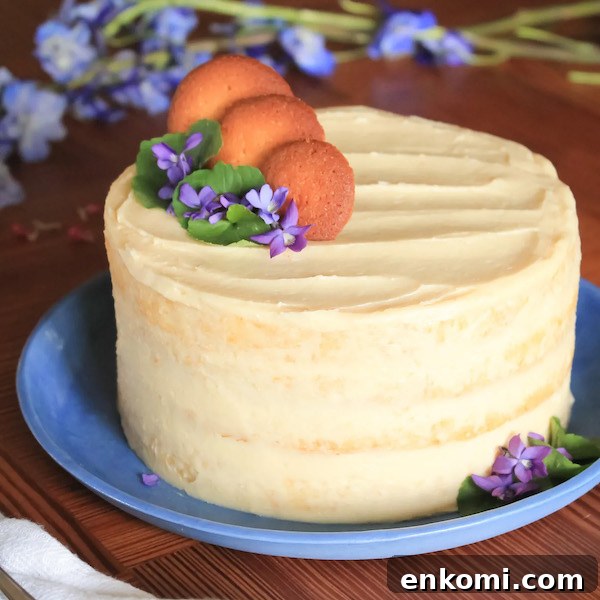
How to use violets:
- Press into shortbread or other cookies.
- Candy them for elegant edible decorations.
- Make violet jelly, syrup, or infused vinegar.
- Garnish salads, drinks, cupcakes, and more.
Elderflower (Sambucus spp.)
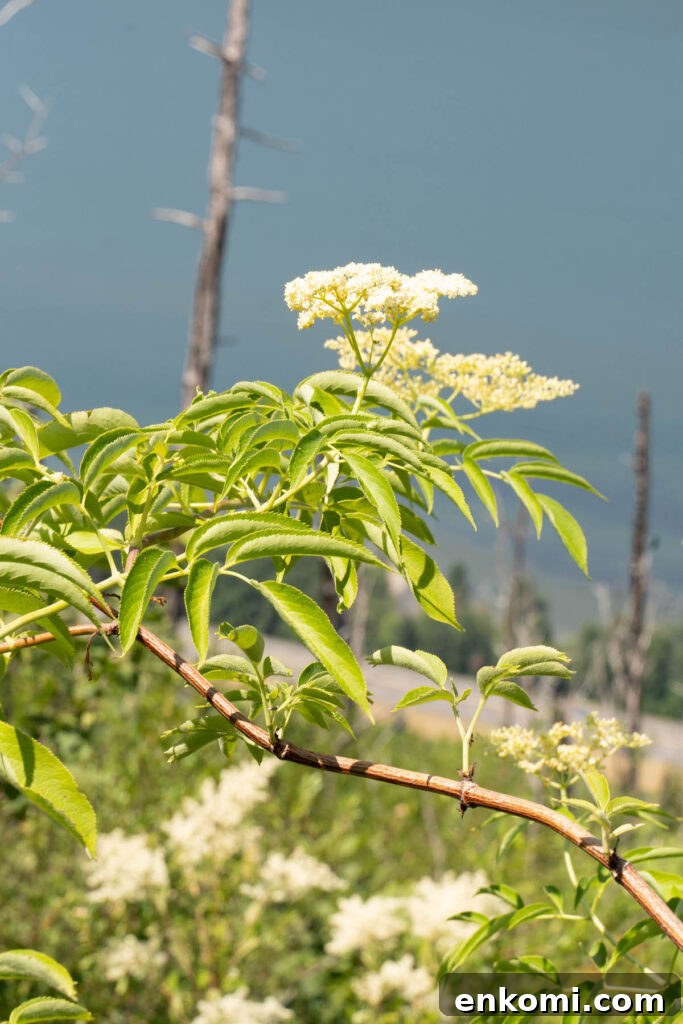
Elderflower is one of the most fragrant and versatile wild blossoms. Look for large shrub-like plants with clusters of tiny, cream-colored, highly aromatic flowers.
Identification & where to find:
Find elder plants along roadsides, river edges, and in forested or mountainous areas. Leaves are serrated and flowers form broad umbel clusters.
Best time to harvest:
Mid to late spring as flowers open. Choose clusters with some unopened buds and avoid browned or wilted blooms.
Flavor:
Highly floral with honey, citrus, and perfume-like notes. A little goes a long way.
Preparation:
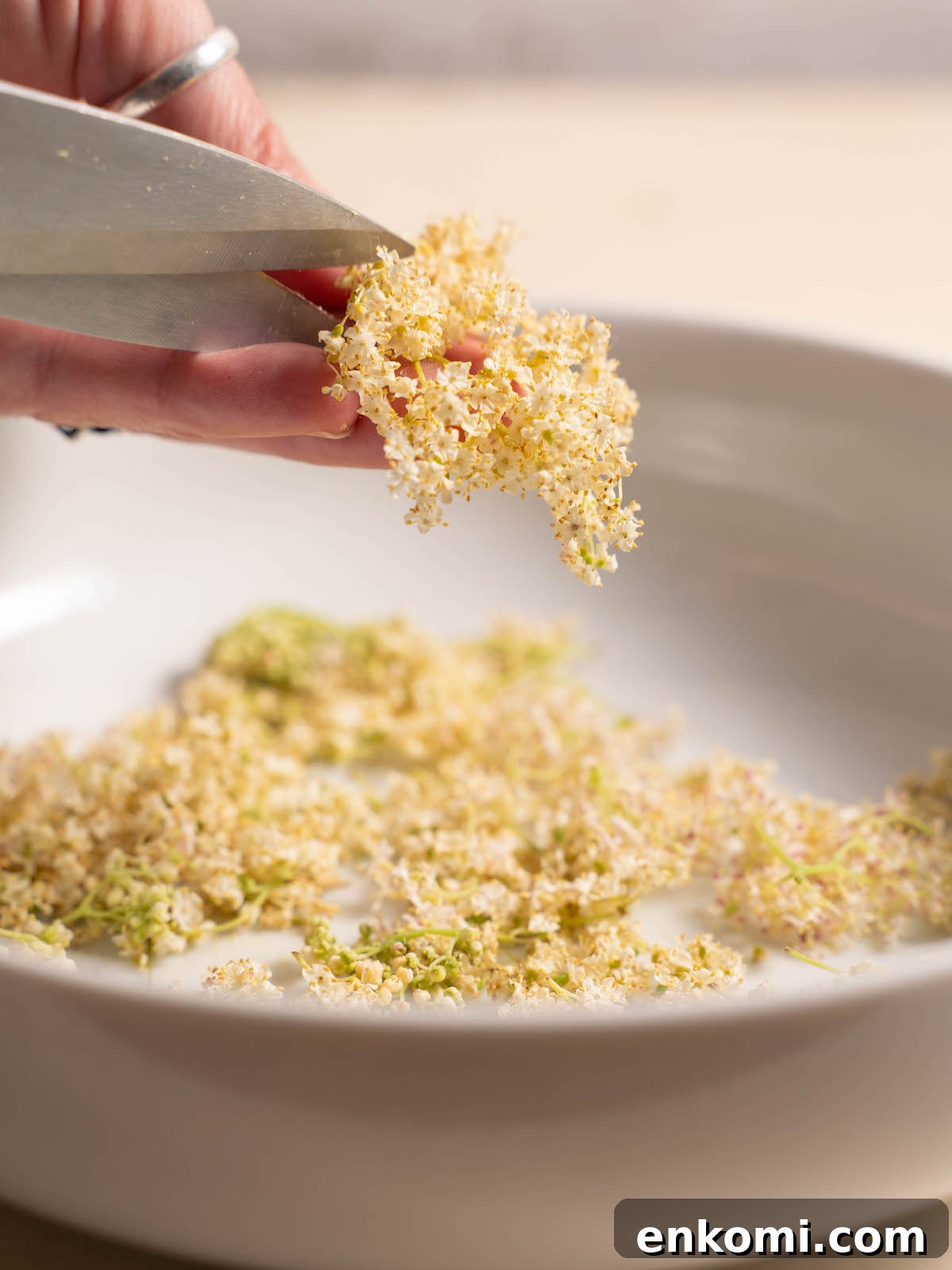
Keep stems in water until use. Remove flowers from stems and avoid green parts and stems, which are mildly toxic.
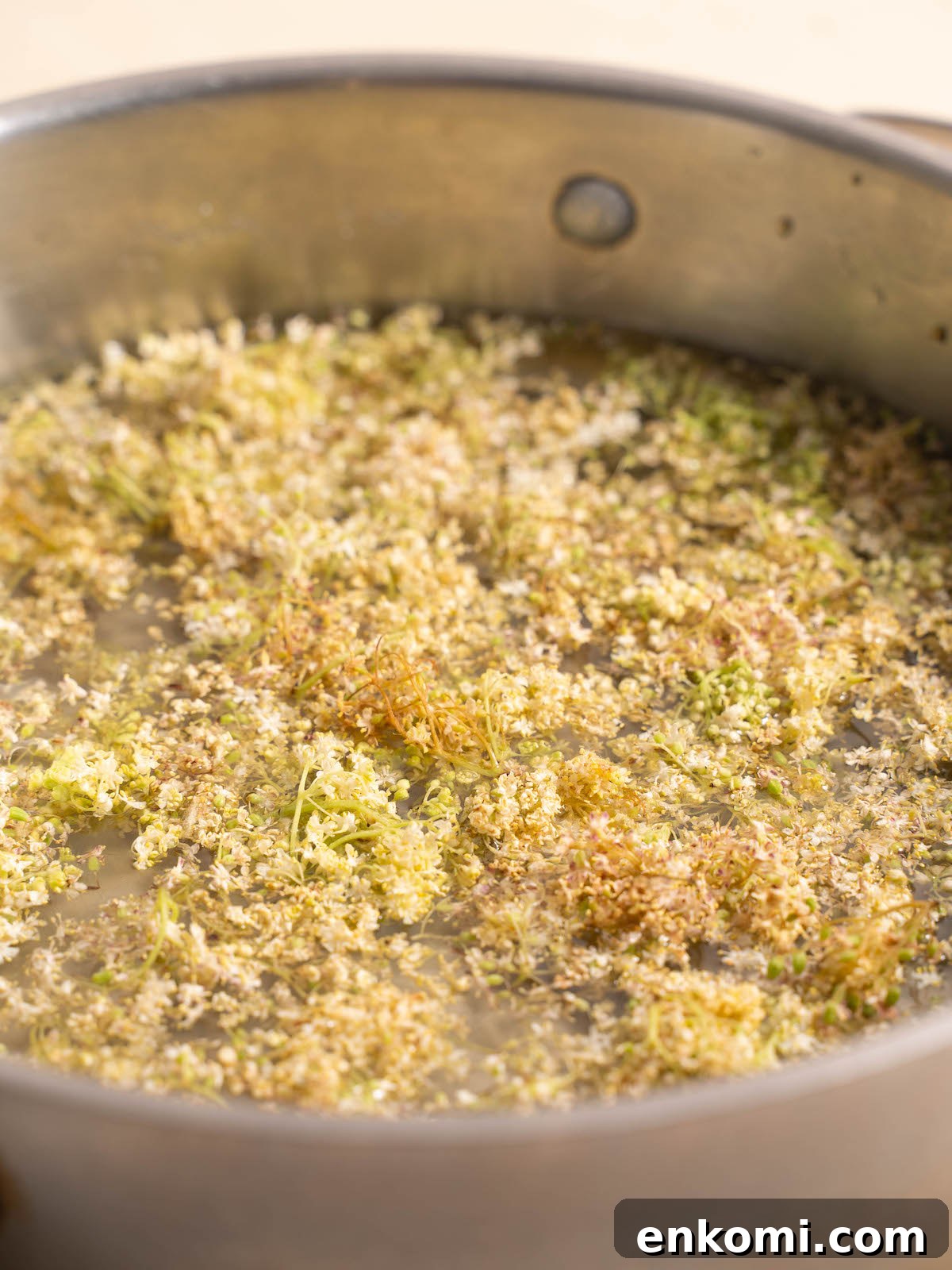
How to use elderflowers:
- Make elderflower syrup or cordial.
- Candy the flowers after infusing in syrup.
- Infuse flowers in alcohol as a flavor extract.
- Use fresh or dried flowers to flavor desserts and drinks.
Notes:
Be sure you can distinguish elderflower from dangerous lookalikes like water hemlock before foraging.
Elderflower recipes
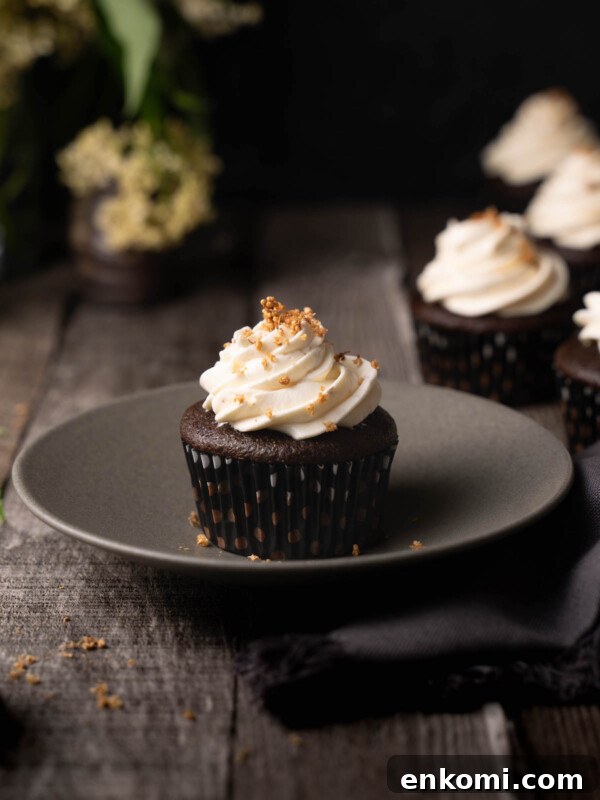
Chocolate Cupcakes with Elderflower Buttercream
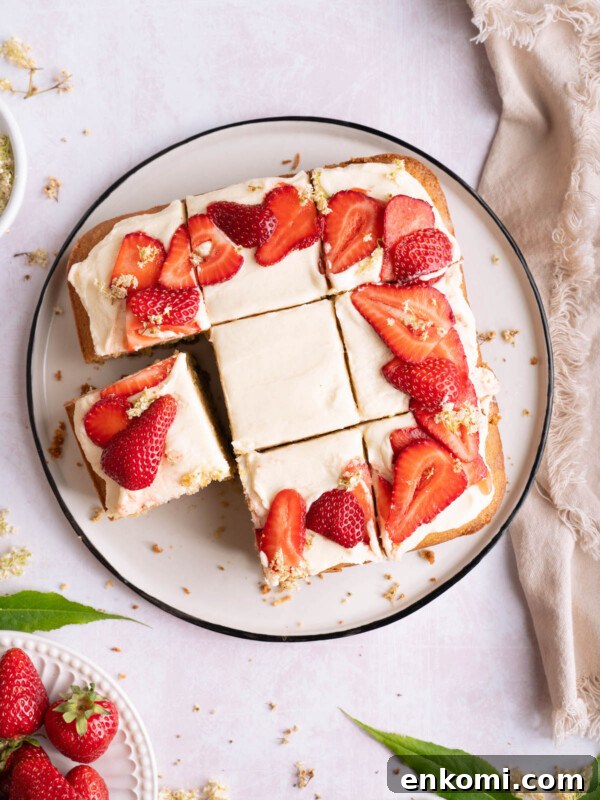
Strawberry Elderflower Cake
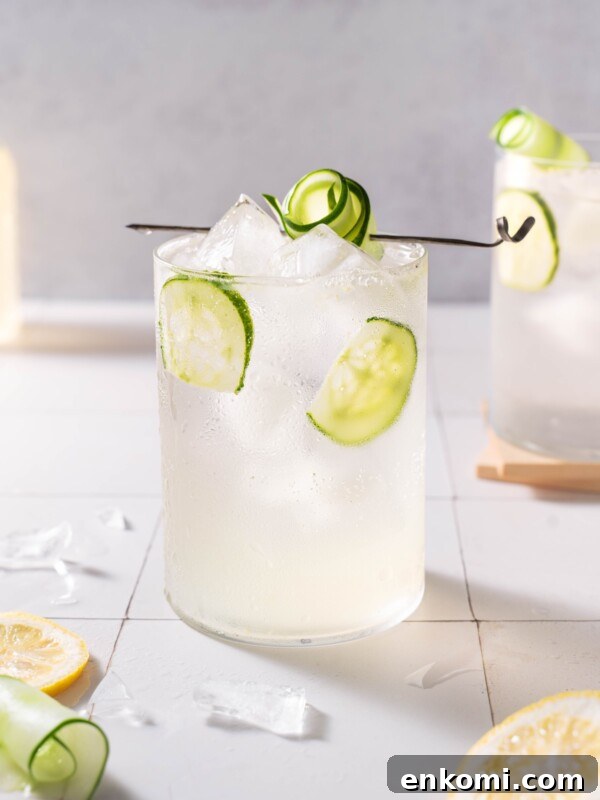
White Linen Cocktail with Elderflower Syrup
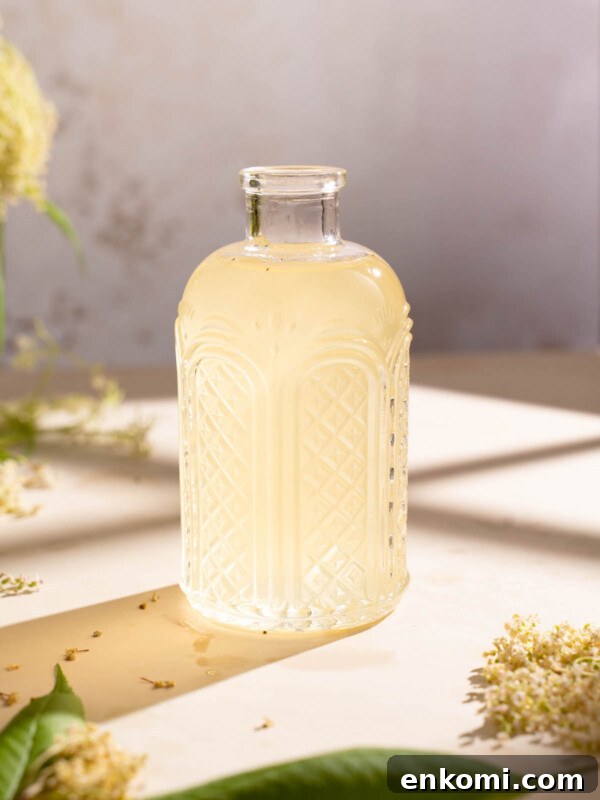
Elderflower Syrup & Candied Elderflowers
Lilacs (Syringa vulgaris)
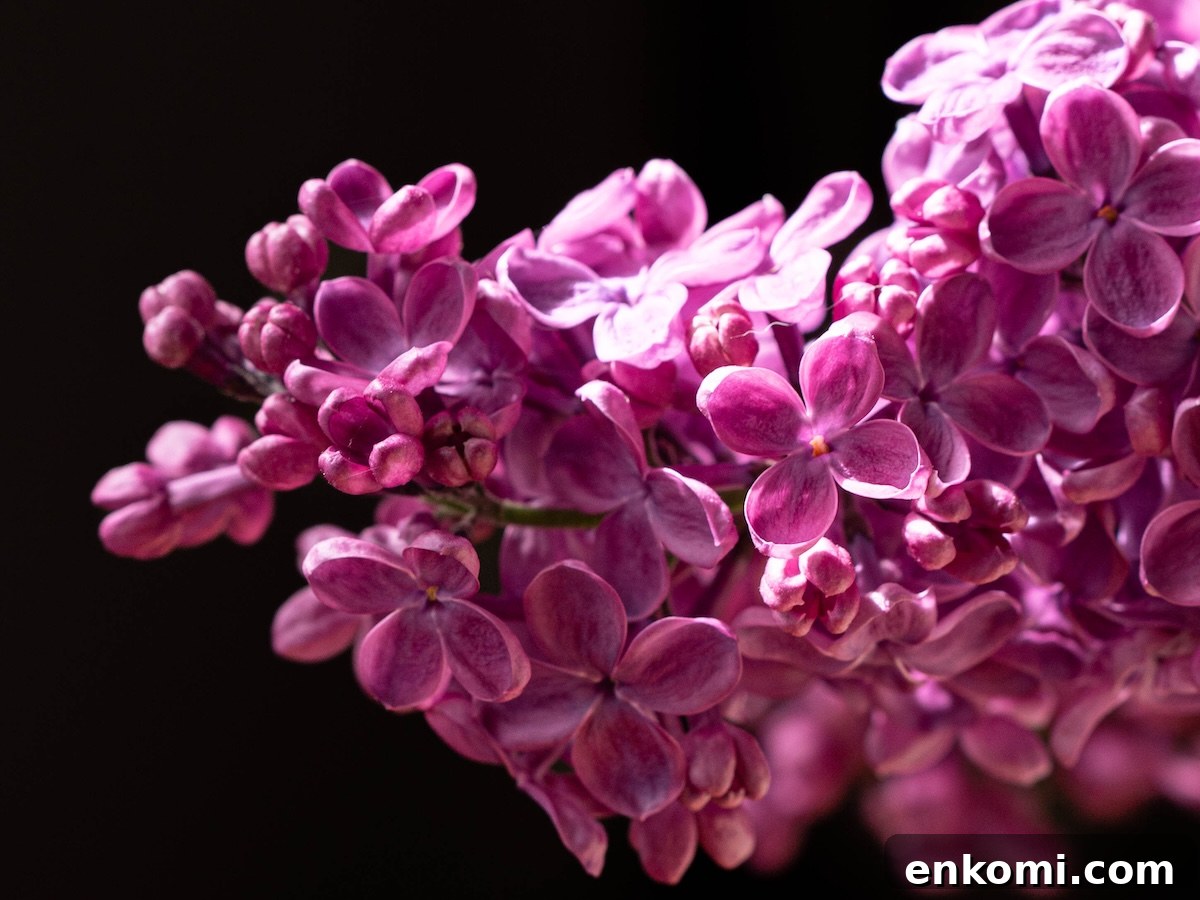
Although often cultivated, lilacs are beloved edible spring flowers. Their perfume-like aroma and delicate blossoms make them excellent for syrups, infused sugars, and desserts.
Identification & where to find:
Lilacs grow in gardens and urban landscapes with clusters of star-shaped flowers ranging from white to deep purple.
Best time to harvest:
Lilacs have a short window in early spring. Harvest flowers in the early morning as they open and use them the same day if possible.
Flavor:
Aromatic and floral with sometimes citrusy undertones. The scent of lilacs closely matches their delicate flavor.
Preparation:
Keep stems in water until use and remove green stems and bits to avoid bitterness.
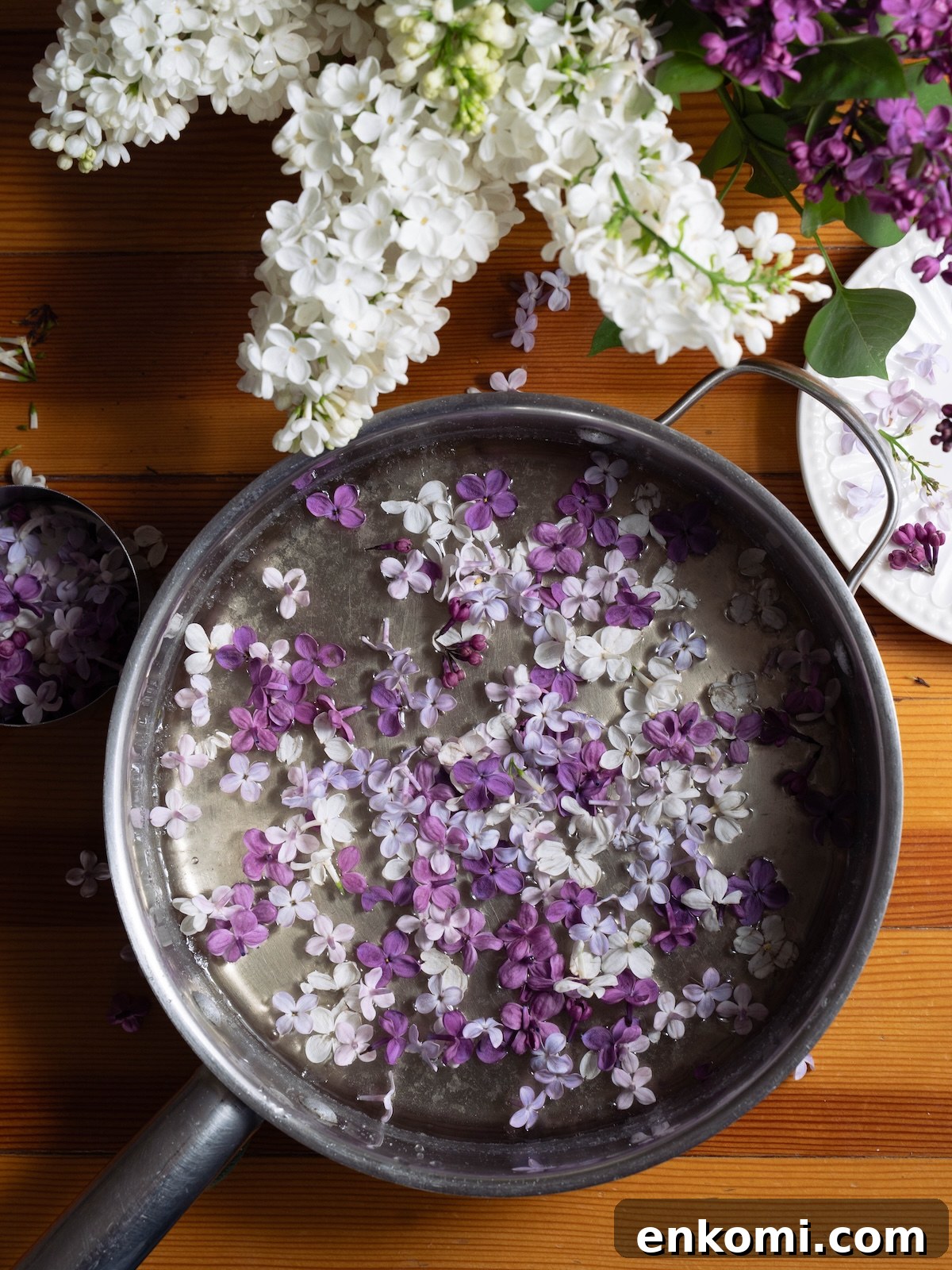
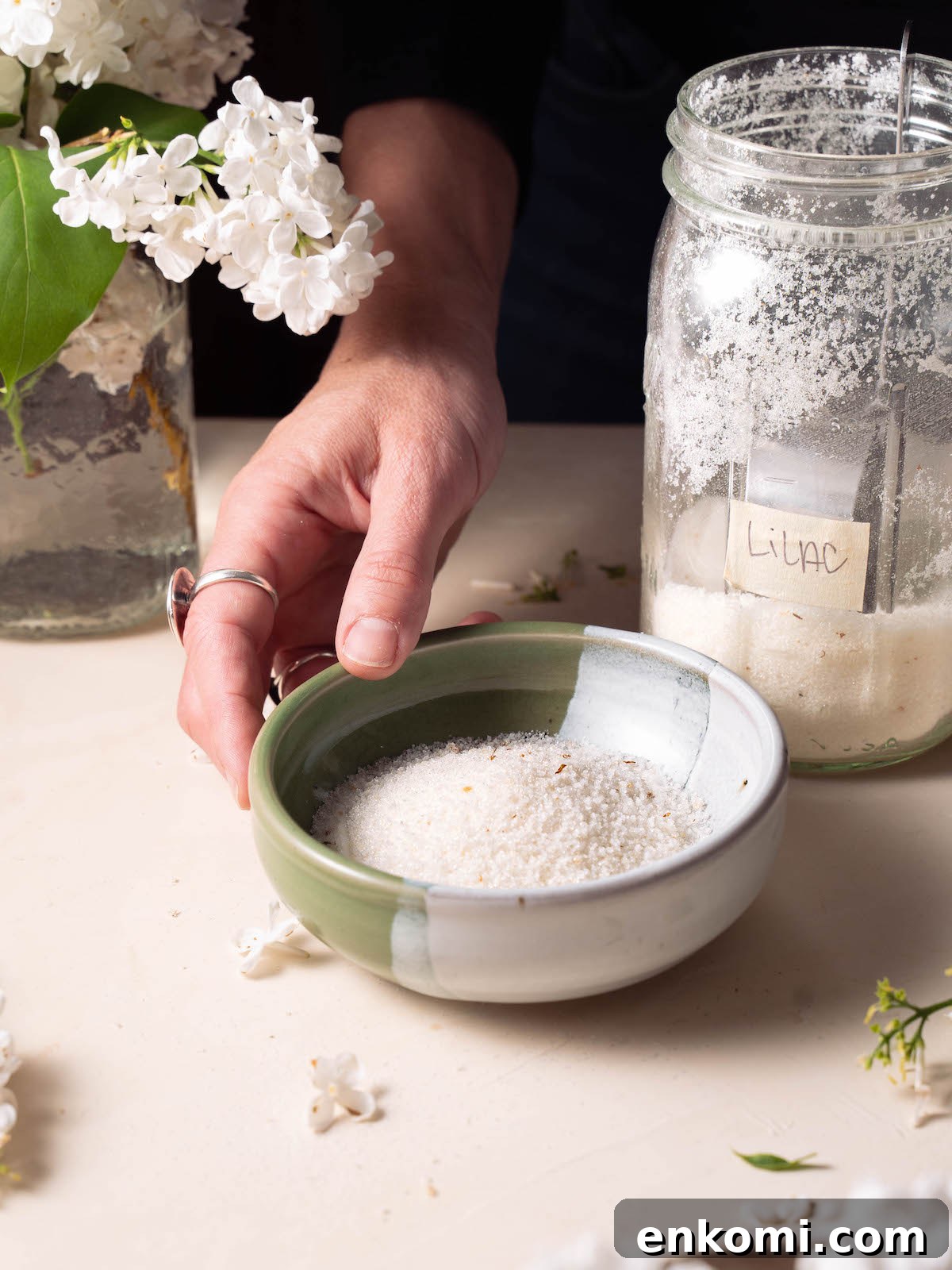
How to use lilacs:
- Make lilac syrup for drinks and desserts.
- Crystallize flowers by coating with egg white and sugar.
- Blend flowers into sugar for baked recipes.
- Infuse lilac flavor into alcohol for cocktails or extracts.
Lilac recipes
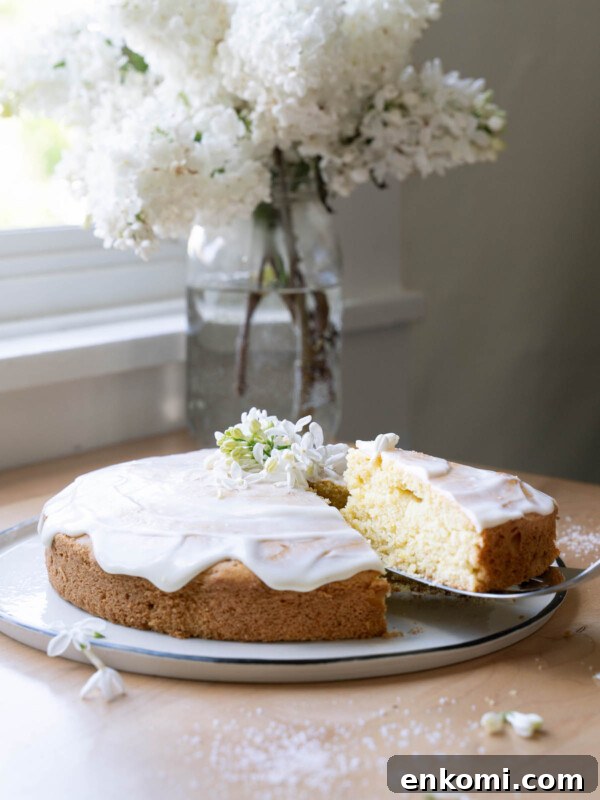
Lemon Lilac Butter Cake
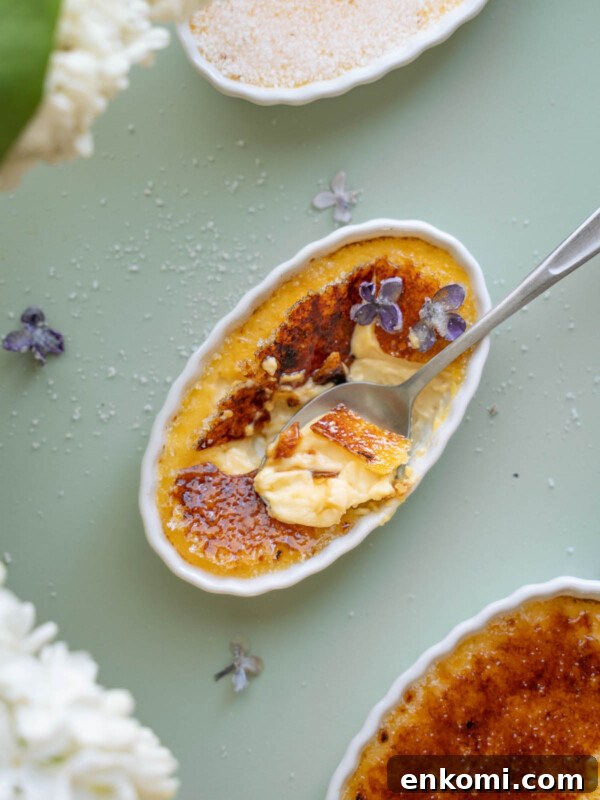
Lilac Crème Brûlée
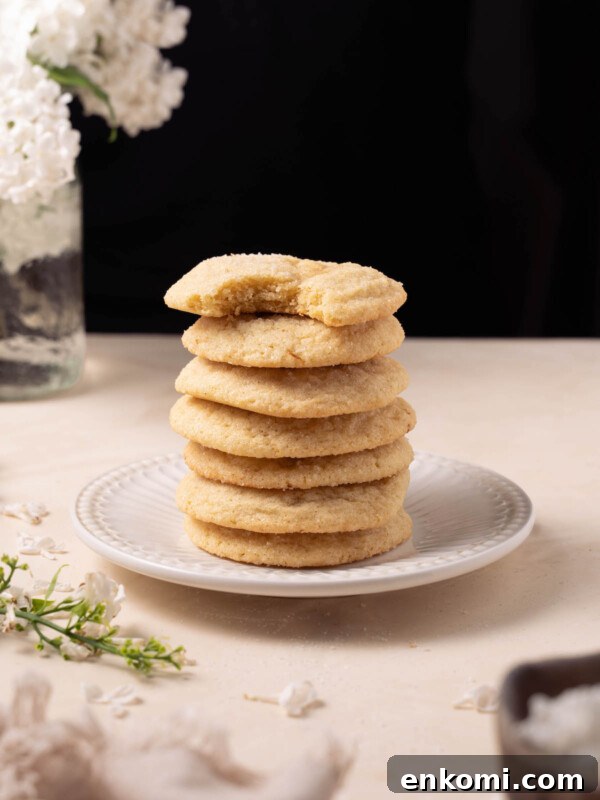
Vanilla Lilac Snickerdoodle Cookies
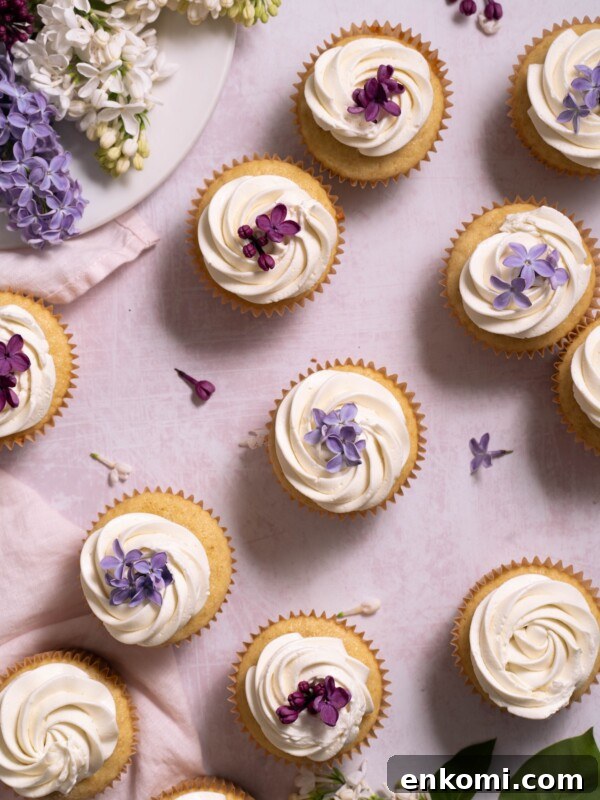
Ultimate Lilac Cupcakes
Red clover (Trifolium pratense)
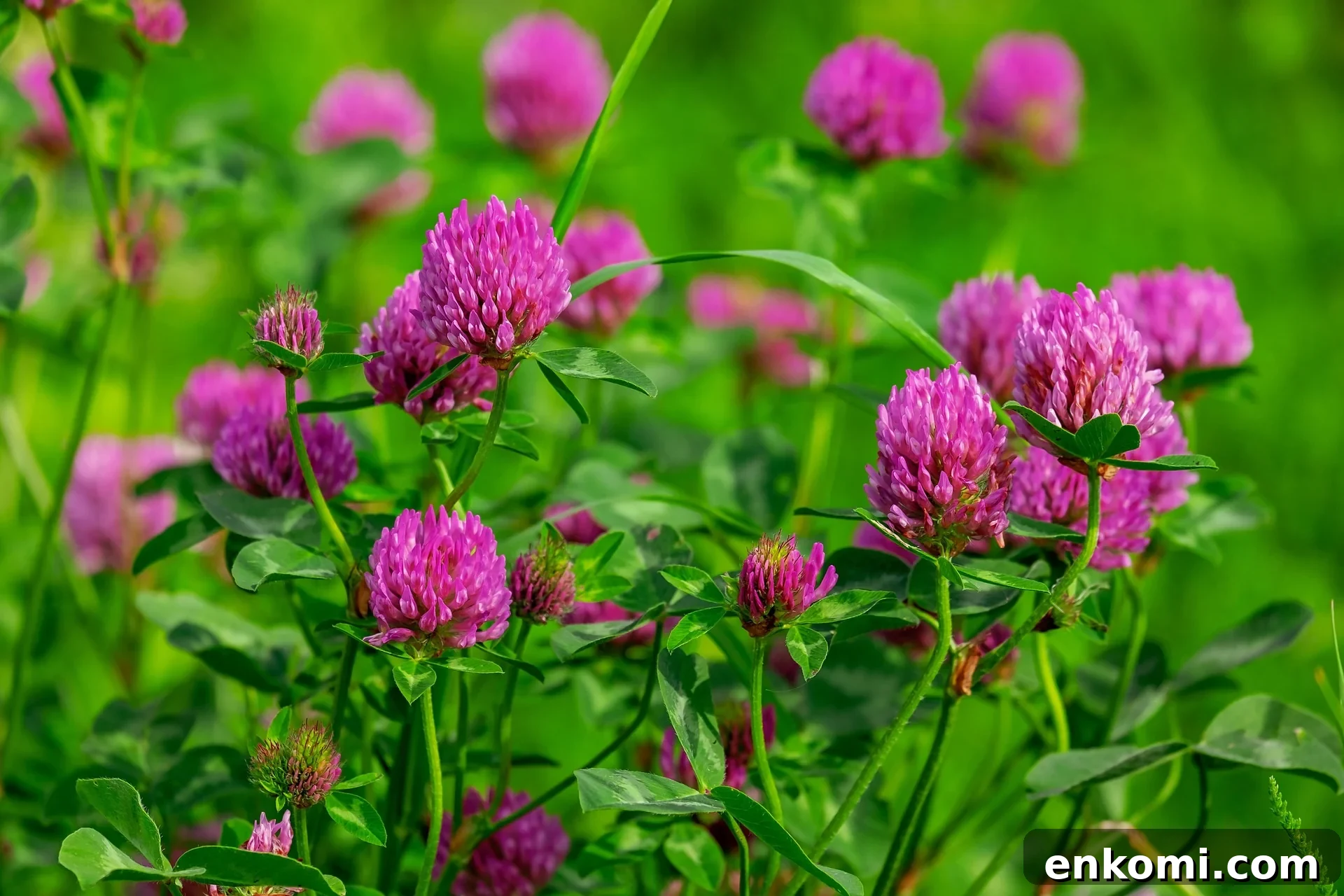
Red clover is charming and easy to identify. These puffy pink flower heads are common in lawns, meadows, and roadsides and are both edible and traditionally used as a medicinal herb.
Identification & where to find:
Find clover in lawns, pastures, and fields. Leaves come in threes and flowers are rounded clusters of small pea-like florets.
Best time to harvest:
Mid spring; pick blossoms in the morning when they’re fresh.
Flavor:
Sweet, mild, and floral with a touch of nectar.
How to use red clovers:
- Make tea with fresh or dried flowers.
- Add fresh flowers to salads.
- Garnish focaccia, cakes, or tarts.
- Make a sweet floral jelly or incorporate chopped clover into baked goods.
This list highlights common edible spring flowers in the Pacific Northwest but is not exhaustive. Other edible blossoms you may encounter include chicory, jasmine, black locust, linden, yarrow, daisies, pineapple weed, chamomile, cherry, plum and apple blossoms, and hawthorn flowers.
Foraging edible flowers is a gentle way to begin working with wild ingredients. Start with a couple of varieties, learn how to identify and prepare them, and soon spring will feel like a season to celebrate with floral syrups, garnishes, and desserts inspired by your local landscape.
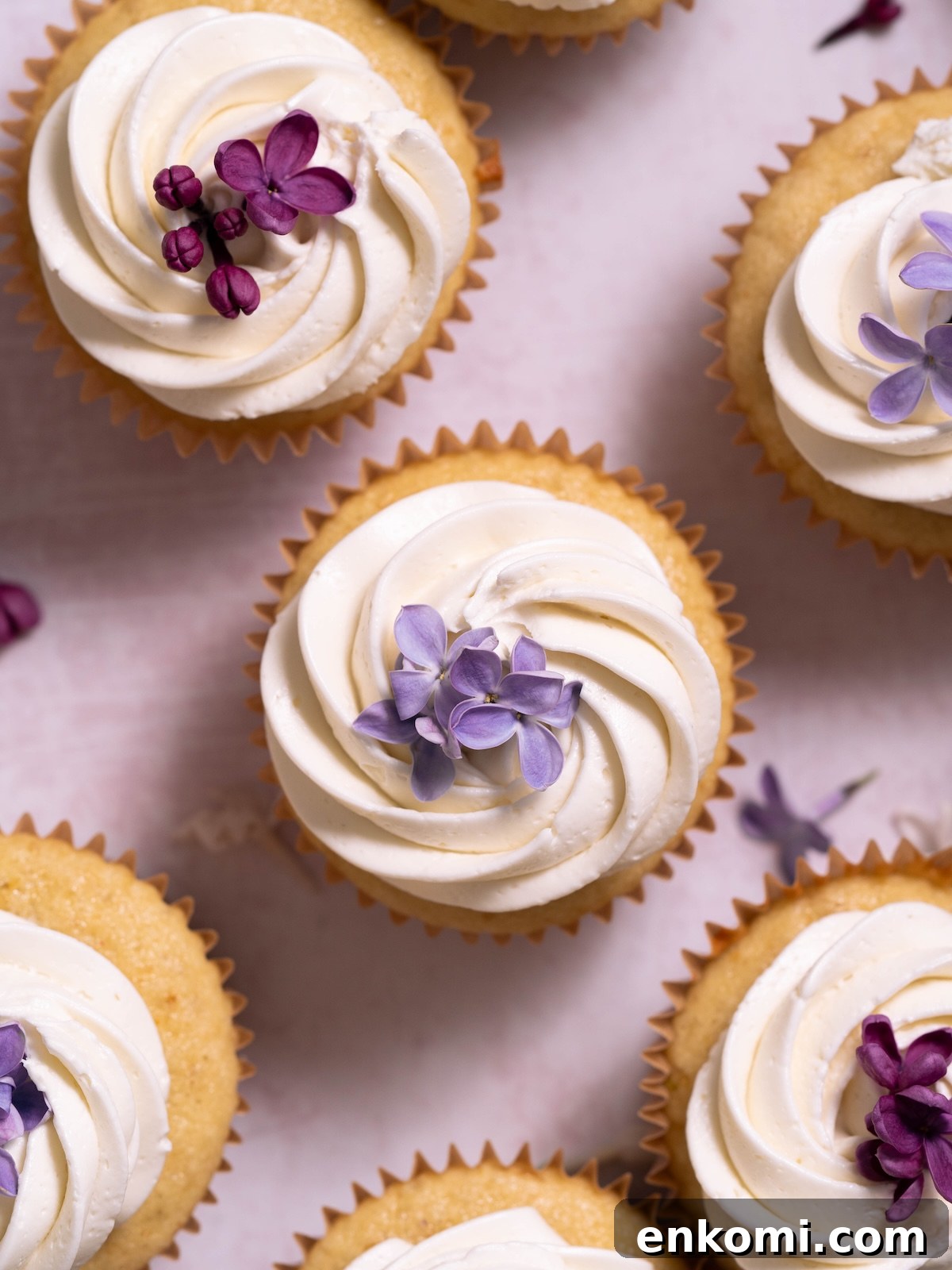
Want more edible flower recipe ideas?
Explore collections of flower-based recipes to find syrups, cakes, cookies, and drinks that highlight these seasonal blooms.