
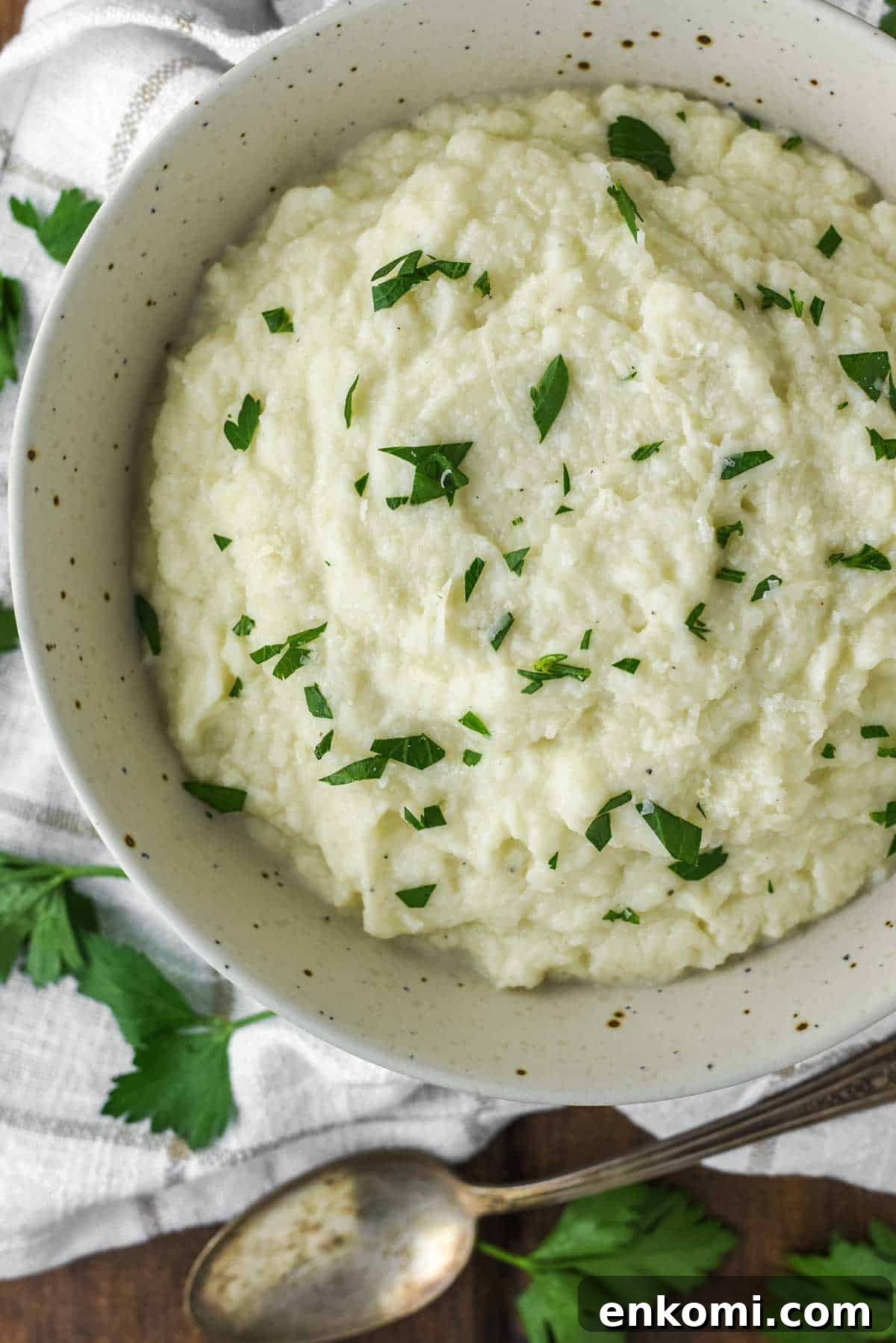
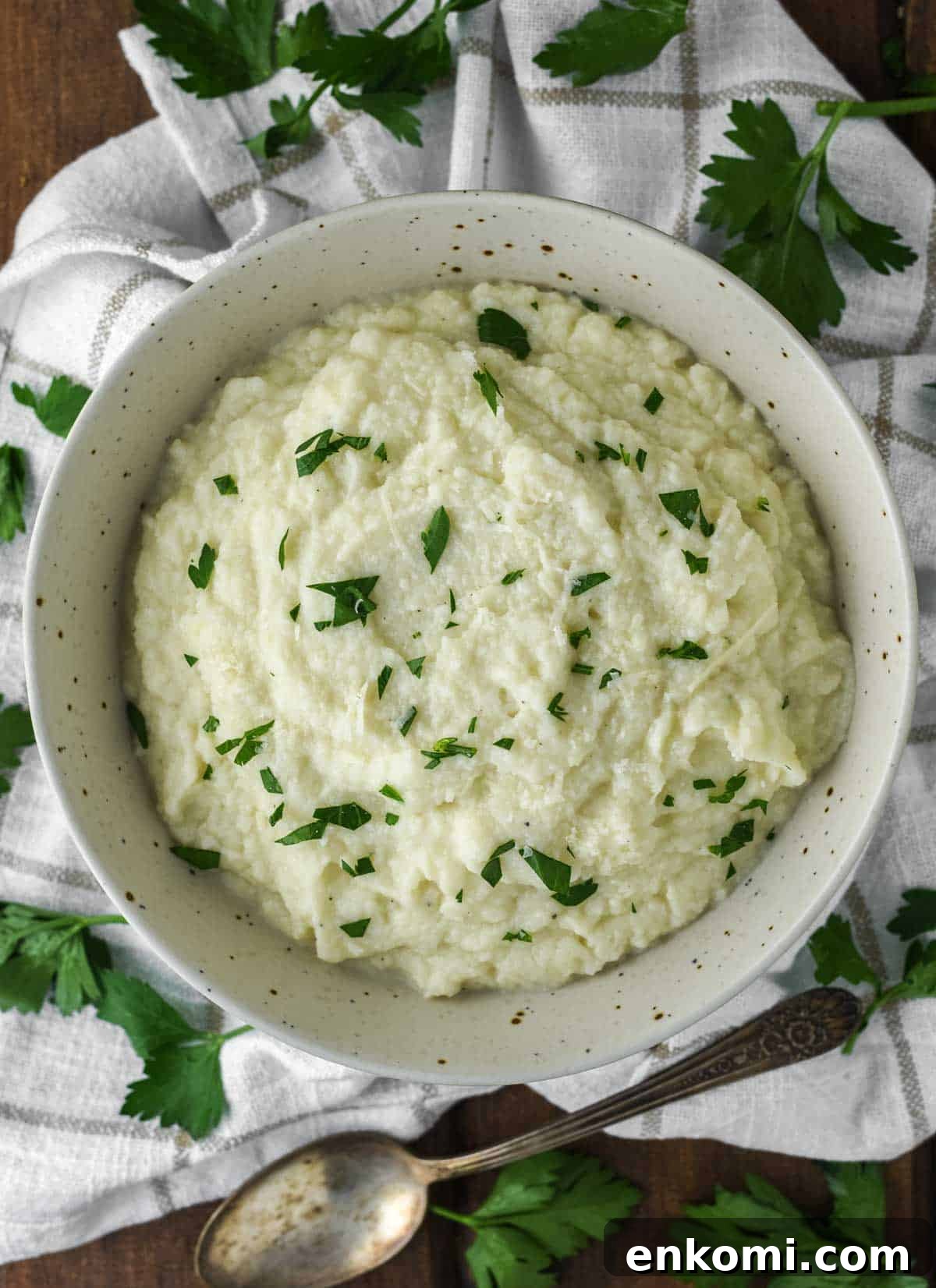
Indulge in the velvety goodness of garlic mashed cauliflower — a lighter, flavorful alternative to traditional mashed potatoes. This simple side adds vegetables to your plate without sacrificing comfort-food appeal.
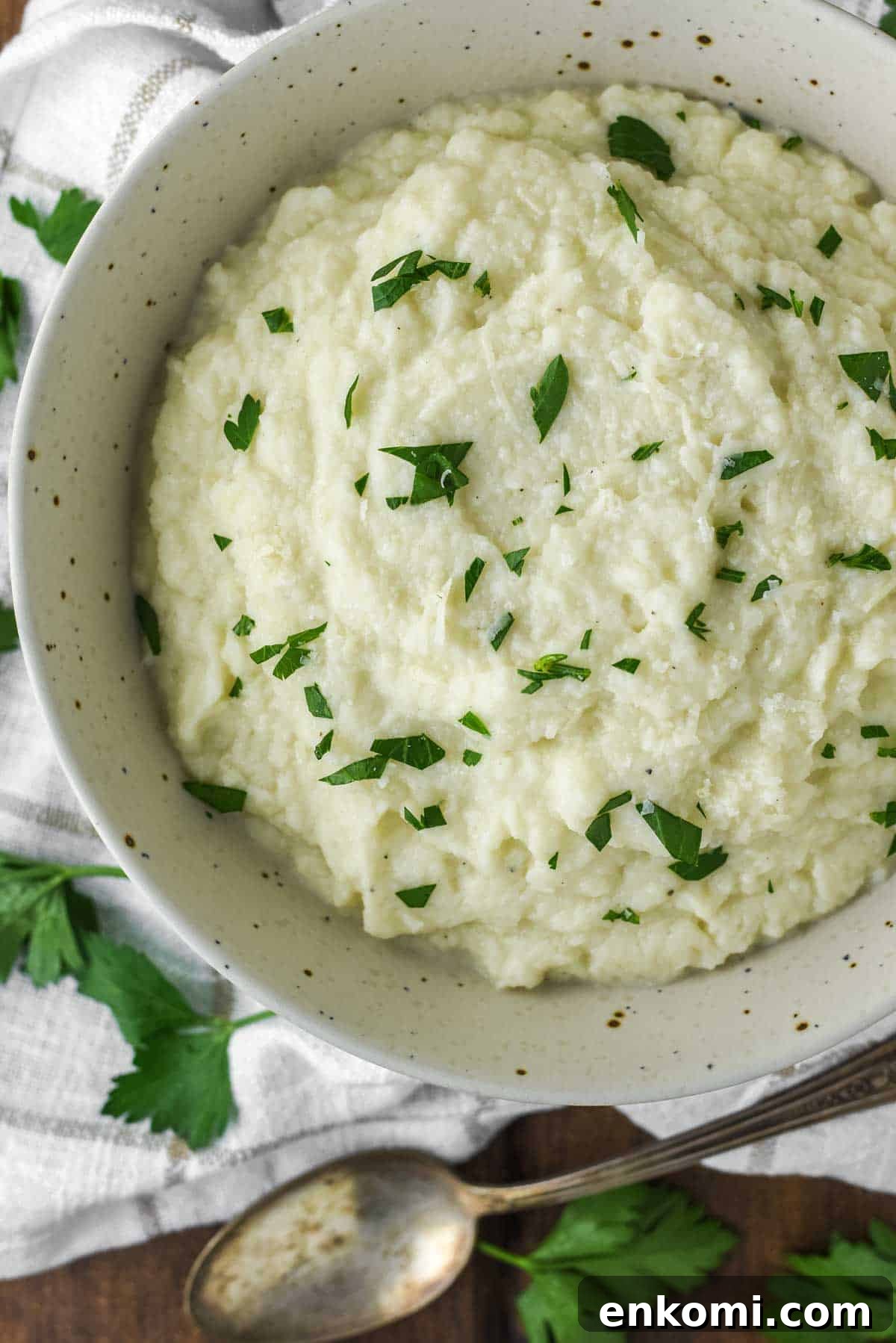
If you love classic mashed potatoes — especially creamy or cream cheese versions — you’ll appreciate how garlic mashed cauliflower delivers similar comfort with fewer carbs and calories. This recipe works year-round: it’s at home on a holiday table and pairs beautifully with roasted or braised meats for weeknight dinners.
Mashed cauliflower has a mild, slightly sweet profile that takes well to seasonings like garlic, butter, and cheese. Once blended smooth, it becomes a rich, creamy side that complements robust mains such as braised beef, stews, or a hearty ragu.
Why This Recipe Works
Garlic mashed cauliflower is a popular swap for mashed potatoes because it keeps the comforting texture while offering nutritional benefits and flexibility:
- Lower in carbs: Cauliflower is naturally lower in carbohydrates than potatoes, making this an excellent option for lower-carb or keto-style meals.
- Versatile flavor: The neutral taste of cauliflower accepts garlic, herbs, cheese, and dairy easily, so you can customize the dish to your preference.
- Dietary-friendly: This recipe can be adapted to be gluten-free, dairy-free, or vegan by swapping butter, milk, and cheese for plant-based alternatives.
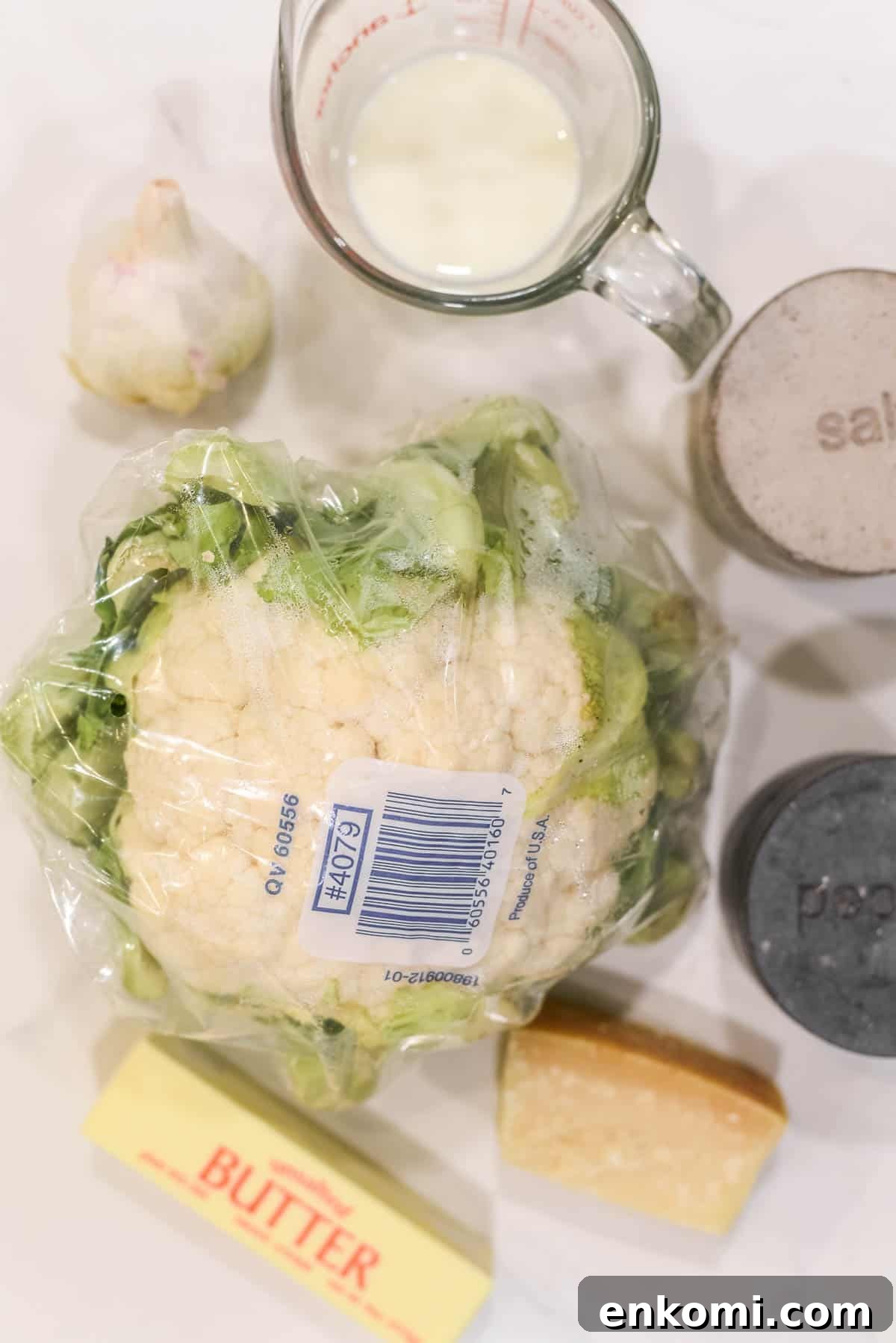
Recipe Notes
- Cauliflower: Use a whole head cut into florets or pre-riced cauliflower if you need to save prep time.
- Garlic: Gently cooking the garlic in butter mellows and deepens the flavor.
- Unsalted butter: Adds richness; adjust the added salt to taste.
- Milk: Use dairy or a non-dairy milk to reach your desired consistency.
- Parmesan cheese: Adds savory nuttiness and a touch of salt; grate it fresh for best flavor.
- Salt and pepper: Essential for balance — taste and adjust before serving.
Ingredient Swaps
Customize this mash to suit your diet or pantry:
- Swap cauliflower with cooked, mashed broccoli, turnips, or rutabaga for a different vegetable base.
- Replace garlic with roasted shallots or caramelized onions for a milder, sweeter profile.
- Use olive oil, coconut oil, or vegan butter in place of butter for a dairy-free version.
- Substitute regular milk with almond, soy, or oat milk to keep it vegan or lactose-free.
- Swap Parmesan for Pecorino Romano, goat cheese, or a dairy-free grated alternative.
Step-by-Step Photos
Full ingredient list and instructions are in the recipe card below.
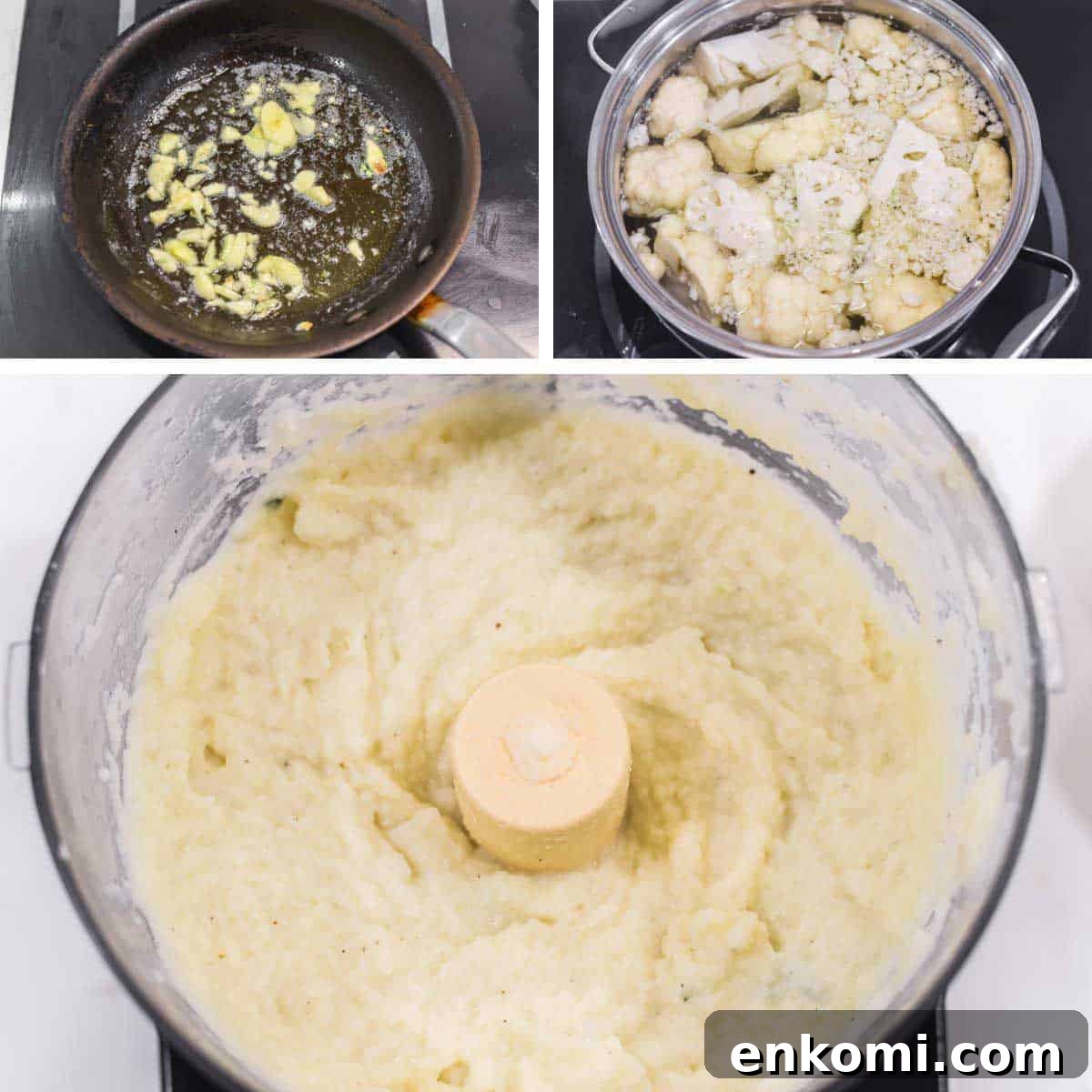
There are several ways to cook the cauliflower: steam or boil florets for about 10–15 minutes until very tender, or roast whole florets at 450°F for 20–25 minutes for a deeper, nutty flavor. Once tender, drain and press out excess moisture with a towel or cheesecloth to avoid a watery mash. Transfer the cooked cauliflower, sautéed garlic with butter, milk, and Parmesan to a food processor or blender and puree until smooth and creamy.
FAQs
Yes. Mashed cauliflower mimics the creamy texture of mashed potatoes with fewer calories and carbs, making it a popular lighter alternative.
Cook the cauliflower until very tender, squeeze out excess water, and puree in a blender or food processor. Blending with butter and milk while processing helps produce a silky result.
Yes. Thaw and drain frozen cauliflower to remove excess water before finishing the recipe; textures can vary slightly from fresh.
Yes. Use vegan butter, a plant-based milk, and dairy-free grated cheese or nutritional yeast for a savory finish.
Yes. Store in the refrigerator for 2–3 days and reheat with a splash of milk or broth. You can freeze cooled mashed cauliflower for 2–3 months; thaw overnight before reheating.
Equipment
Useful equipment for best results:
- Skillet — for lightly sautéing garlic in butter.
- Large pot or steamer — to cook cauliflower until tender.
- Blender or food processor — to puree the cooked cauliflower until smooth.
Pro Tips / Recipe Notes
- If fresh cauliflower isn’t available, frozen works fine — just be diligent about draining and squeezing out liquid.
- Squeeze out excess moisture after cooking; otherwise the mash will be runny.
- Use freshly grated Parmesan for the best flavor and texture.
- Season generously with salt and pepper and taste as you go. Add fresh herbs at the end for brightness.
Other Side Dish Recipes
-
Slow Cooker Mashed Sweet Potatoes
-
Goat Cheese Polenta
-
Purple Mashed Potatoes
-
Brown Butter Mashed Potatoes

If you try this garlic mashed cauliflower, please share how it turned out in the comments. If you enjoy cauliflower, experiment with other cauliflower-based recipes to vary your sides.
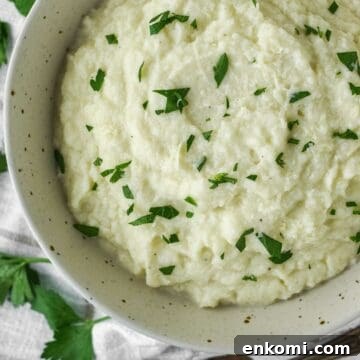
Garlic Mashed Cauliflower
Ryan Beck
Ingredients
- 1 (2 lb) head cauliflower, cut into florets
- 2 tablespoons unsalted butter
- 2 garlic cloves, sliced
- 3 tablespoons milk
- ½ cup freshly grated Parmesan cheese
- ¼ teaspoon salt
- ⅛ teaspoon black pepper
- Rosemary or parsley for garnish
Instructions
- Bring a large pot of salted water to a boil. Add cauliflower and cook 10 minutes until very tender.
- While the cauliflower cooks, melt butter in a small skillet over medium heat. Add sliced garlic and sauté 2 minutes until softened; set aside.
- Drain cauliflower and place it in a clean dish towel or cheesecloth. Squeeze firmly to remove as much moisture as possible.
- In a food processor or blender, combine drained cauliflower, sautéed garlic with butter, milk, Parmesan, salt, and pepper. Puree until smooth. Serve hot, garnished with rosemary or parsley.
Notes
- Frozen cauliflower is fine if fresh isn’t available—thaw and drain thoroughly before using.
- Removing excess water after cooking is crucial to avoid a runny texture.
- Use freshly grated Parmesan for best flavor and texture.
- Taste and adjust salt and pepper before serving; add herbs for brightness.