
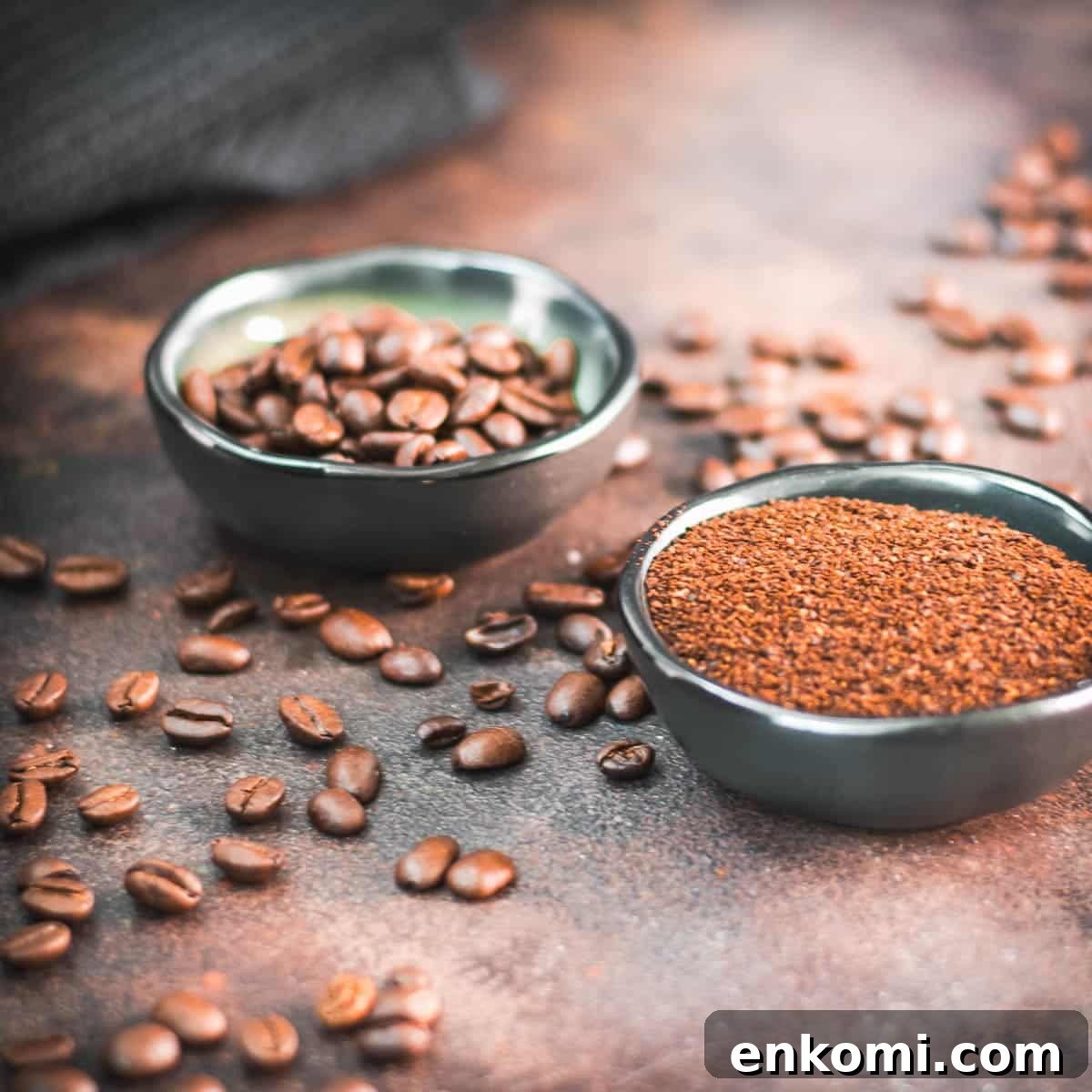
Wandering down the coffee aisle can feel overwhelming with so many blends and flavor choices. Before you pick a flavor, decide on the format: whole-bean or pre-ground? This article examines which option typically saves you money and delivers better value for everyday home brewing.
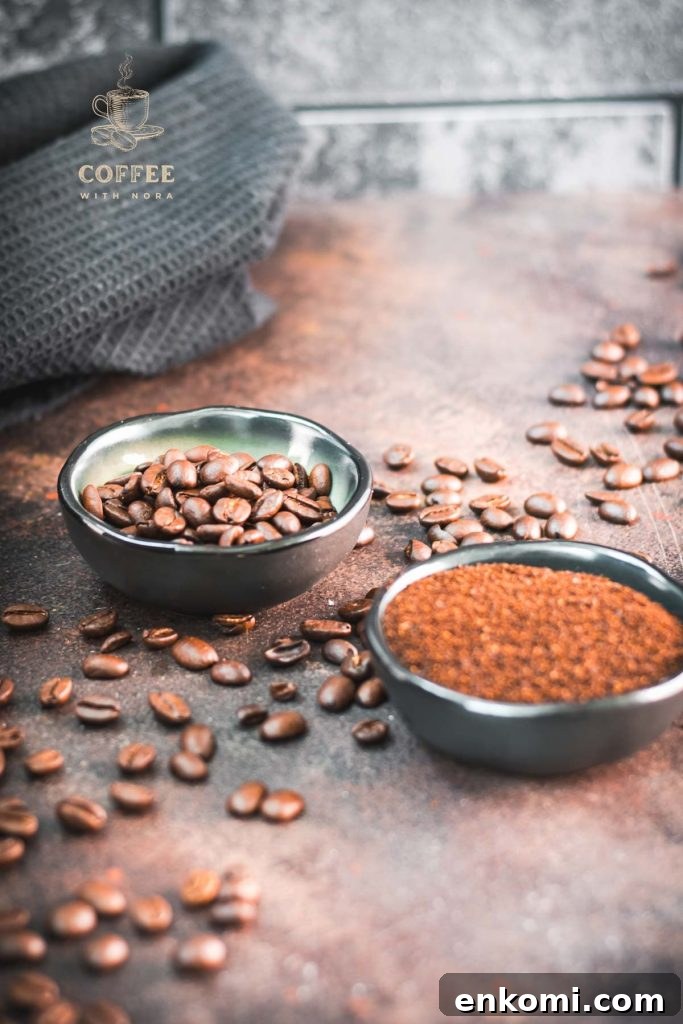
Cutting out daily cafe runs is one of the easiest ways to save money, but once you start brewing at home, the next question is whether to buy whole beans or ground coffee. Each format has trade-offs in cost, freshness, and brewing flexibility. Below we break down the factors that determine price and long-term value so you can choose the best option for your budget and taste.
What Determines the Cost of Coffee?
Coffee is a global industry with many stages from farm to cup, and each step adds cost. Farmers, processors, roasters, packagers, and retailers all factor into the final price. Green (unroasted) coffee beans often sell for a few dollars per pound at the origin, and roasting, packaging, and distribution increase that price.
Roasting adds value because it makes coffee drinkable; the roasting process requires labor and equipment, and different roasters and batch sizes influence cost. Specialty beans, single-origin lots, and small-batch roasts tend to cost more, while mass-produced blends are cheaper.
Grinding can be an extra processing step. At cafes, staff will usually grind purchased beans for free, but some large manufacturers or retailers treat grinding as a value-added service, which can push up retail costs slightly.
Price of Ground Coffee
Pre-ground coffee spans a wide price range depending on brand, blend, and flavoring. Generally, pre-ground options tend to sit a bit lower in price than comparable whole-bean products. A common range is $4 to $20 per pound, reflecting inexpensive supermarket blends at the low end and premium flavored or specialty grounds at the high end.
The lower price often reflects reduced expectations for freshness. Ground coffee loses volatile aromas and begins oxidizing faster than whole beans because it has more surface area exposed. Pre-ground coffee is also typically ground for drip machines, which limits brewing versatility for those who prefer pour-over, espresso, or French press methods.
Price of Whole Bean Coffee
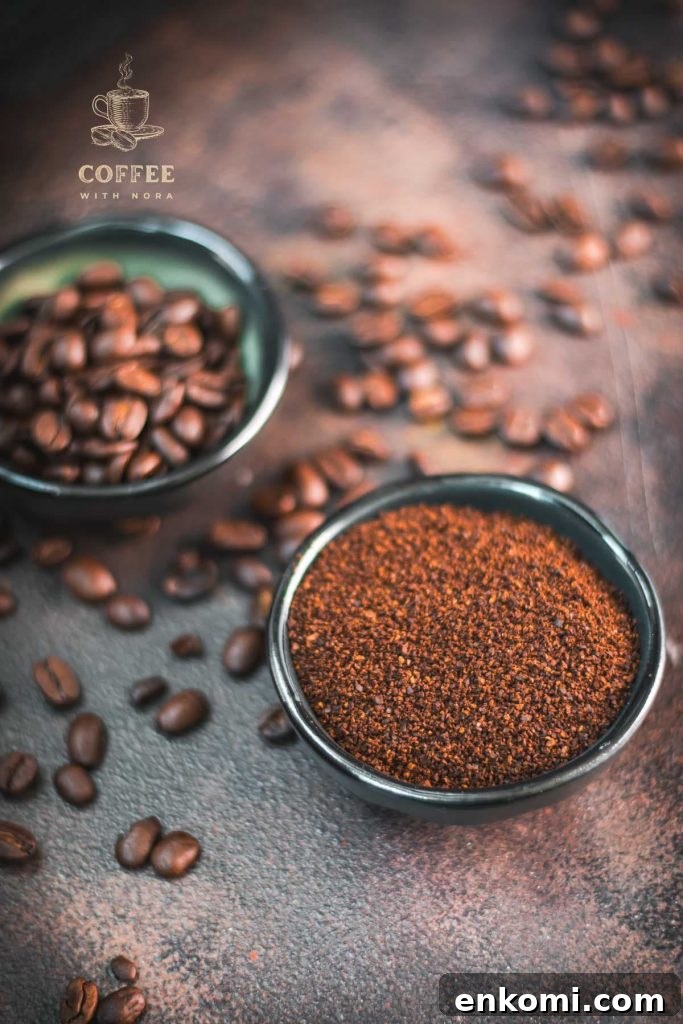
Whole-bean coffee also covers a broad price spectrum, influenced by origin, roast, and rarity. Because whole beans retain freshness longer, they commonly command higher prices than mass-produced pre-ground options. A typical 12- to 16-ounce bag of whole beans ranges from about $8 to $26, with specialty single-origin lots at the top end.
Where you buy beans matters: cafes sometimes sell beans at their storefront price, while grocery retailers may sell house blends or wholesale offerings at lower prices and with occasional sales. Many consumers find a middle ground—paying around $15 per bag for a quality, everyday coffee.
Grinding whole beans yourself does not necessarily increase cost. Many cafes and grocery stores provide grinders for customers at no additional charge, and home grinders are a one-time investment that can improve long-term value.
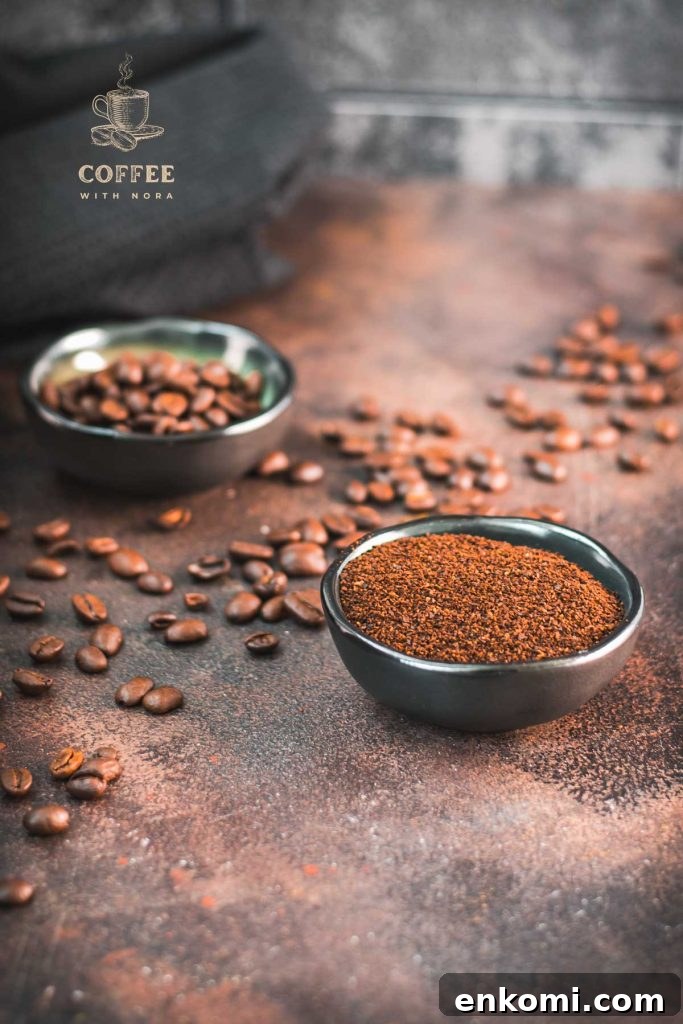
Cost to Keep Coffee
Beyond the purchase price, consider storage and equipment. Proper containers protect beans from light, air, moisture, and odors. Coffee naturally releases CO2 after roasting, so bags and containers with one-way valves or small vents are common. Whole beans held in suitable, sealed storage can stay acceptable for many months; with optimal conditions they may retain usable freshness for up to a year, while pre-ground coffee degrades faster—often noticeably within a few months.
Another factor is the grinder. A home grinder lets you buy whole beans, grind only what you need, and enjoy fresher cups while reducing waste. Although whole beans may cost more at purchase, the combination of longer shelf life and reduced waste can lead to savings over time. If you rely on store grinding, consider buying smaller bags more often to maintain peak flavor.
Value Over All: Beans vs. Ground
Taking price, freshness, storage, and brewing flexibility into account, whole-bean coffee usually offers the better long-term value. It stays fresher longer, supports multiple brewing methods, and helps minimize waste when paired with a grinder. Pre-ground coffee can be a convenient and often cheaper upfront option for those without access to a grinder, but it sacrifices longevity and full flavor potential.
More Recipes and Tips You Might Enjoy:
- What to Put in a Coffee Gift Basket
- Gifts for Cold Brew Coffee Lovers
- How Much Syrup to Put into Coffee?
- Can You Put Hot Coffee in Glass?
- Using Brown Sugar in Coffee
- Oat Milk Coffee Recipe
- Pumpkin Cream Cold Brew
- Eggnog Coffee
- Coffee con Leche
- Iced Honey Latte
- Honey Lavender Oat Milk Latte