Are you wondering how to eat whole grain foods to lose weight? Want to include more whole grains in your meals but aren’t sure where to start or which recipes to try?
Below is a practical guide to the best whole grains for weight loss, tips for shopping and cooking, and more than 50 meal and recipe ideas to help you enjoy whole grains while reaching your goals.
Do Carbs Make You Gain Weight?
Low-carb diets like keto have led many people to believe that all carbohydrates cause weight gain. That’s a misconception. Highly processed, refined flours and sugary carbohydrate sources are problematic, but intact whole grains are nutritious, filling, and compatible with weight loss.
Whole grains provide fiber, protein, and low calorie density, so they help you feel full while supporting a healthy microbiome and steady energy levels.
Why Are Whole Grains Good for Losing Weight?
Whole grains are rich in fiber, which promotes satiety and helps reduce overall calorie intake. Many whole grains also contain meaningful amounts of protein. Because they’re lower in calorie density than many refined foods, you can eat satisfying portions without over-consuming calories.
For centuries people worldwide have depended on whole grains—rice, barley, wheat, oats, and more—as foundational, nourishing foods.
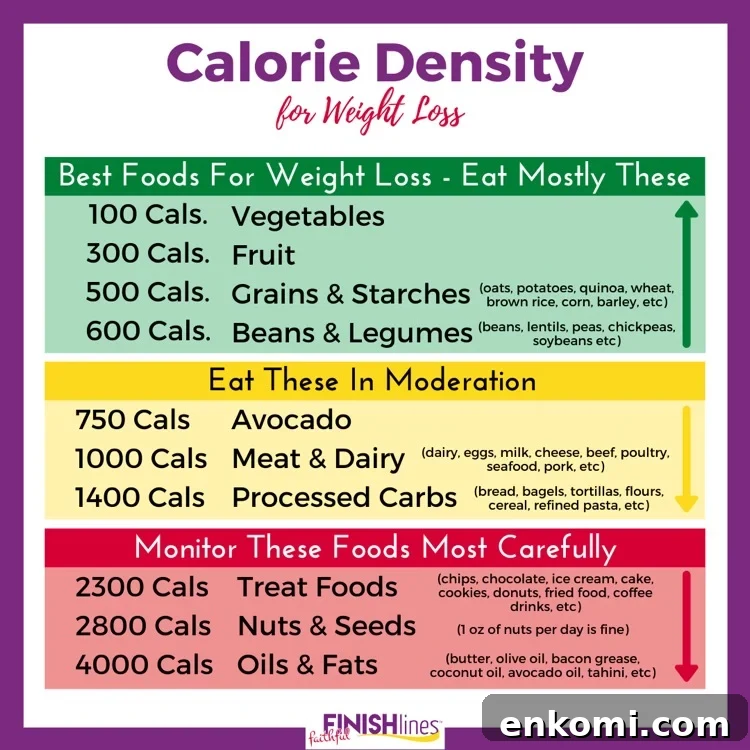
Along with whole grains, other healthy starches include beans, potatoes, corn, and winter squashes like butternut and acorn squash.
Whole Grains Food List
Here are healthy whole grains you can eat regularly while working toward weight loss. These intact grains provide fiber, texture, and versatility in savory and sweet dishes.
- Amaranth – A pseudograin (a seed used like a grain). Tiny kernels make it excellent as a hot breakfast porridge or for adding texture to recipes.
- Barley – Mild and slightly chewy; great in soups, stews, or as a rice substitute.
- Brown and wild rice – Swap white rice for brown or wild rice for more fiber and nutrients; they work in side dishes and main recipes.
- Buckwheat – Gluten-free and protein-rich, used in breakfast cereals, salads, or side dishes.
- Bulgur – A fine-textured wheat grain that cooks quickly and works like rice or couscous.
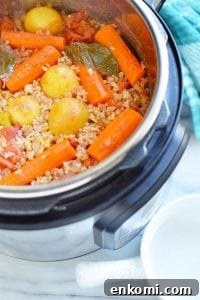
- Farro – Hearty and chewy, similar to barley; good in soups, salads, and casseroles.
- Freekeh – Nutty and fiber-rich; very filling and beneficial for digestion.
- Millet – Mild and versatile, suitable for porridge, side dishes, and grain bowls.
- Oatmeal – Filling and adaptable for breakfasts, baked goods, and snacks.
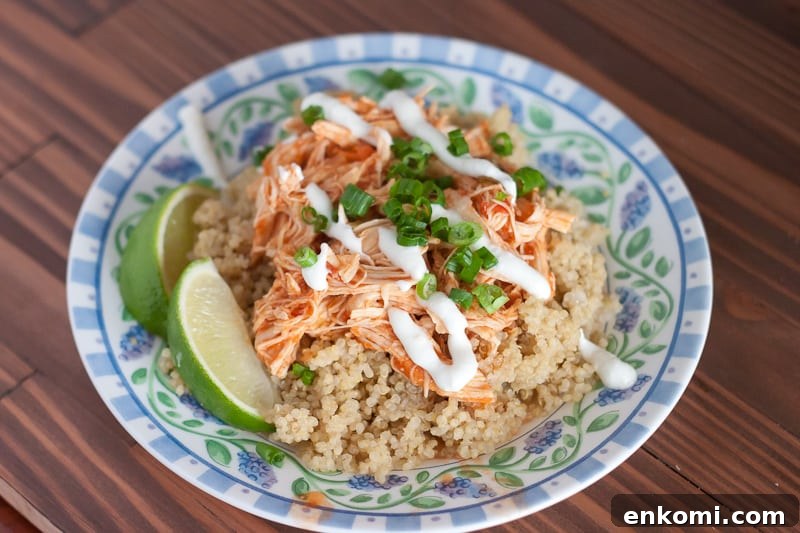
- Quinoa – A protein-rich pseudograin used in salads, bowls, and hot dishes.
- Rye – Often found as rye berries or in bread; rye berries can be cooked for side dishes and salads.
- Teff – Tiny grain with a fine texture, suitable for porridge or as a base for savory dishes.
- Wheat berries – Whole wheat kernels with a hearty chew; add to soups, stews, and salads.
These grains are usually available at grocery stores, bulk bins, and health-food shops.
Are Whole Grain Bread, Flour, and Pasta Healthy?
Yes. Whole grain breads and products made from whole wheat flour have a place in a weight loss plan, but there are a few guidelines to follow:
- Choose whole wheat products over refined, white flour options whenever possible.
- Intact whole grains (like brown rice, barley, or wheat berries) are lower in calorie density than many flour-based foods, so prioritize intact grains most often.
- For bread, look for “100% whole wheat” with whole wheat flour listed as the first ingredient.
- Whole wheat pasta is made from flour, but boiling it reduces calorie density and makes it a reasonable choice for weight loss when eaten in sensible portions.
- Enjoy whole grain breads and flour products occasionally if they fit your plan; many people find they feel more satisfied when eating intact grains more frequently.
How to Cook Whole Grains
Every grain has its own water ratio and cooking time. Use a reliable cooking-time guide for specific grains, but here are common, easy methods:
- Stovetop – Combine grain and water, simmer covered until tender. This method is simple but may require occasional stirring.
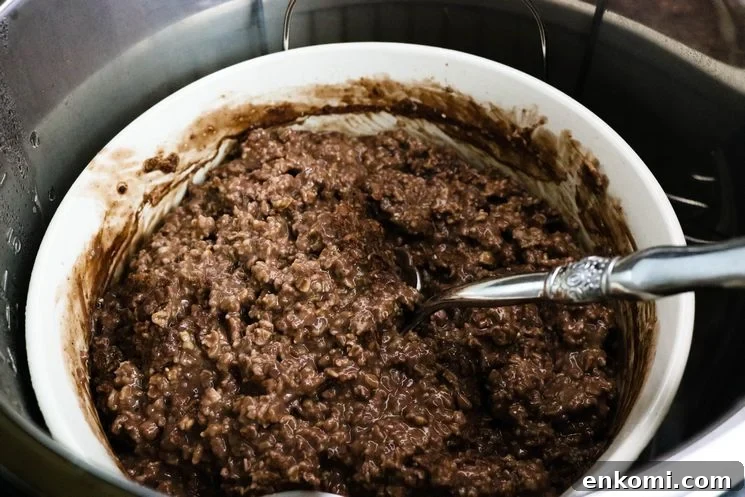
- Instant Pot – Pressure-cooking whole grains is convenient and hands-off. Add grain and water, set the time, and let the cooker do the work.
- Slow cooker – A good option for hands-off long cooking; grains cook gently and develop soft textures.
How to Freeze and Meal Prep Whole Grains
Cooked whole grains freeze and reheat very well. Portion cooked grains into single-serving freezer bags to have ready-to-use grains for quick meals. A few minutes in the microwave and they’re ready.
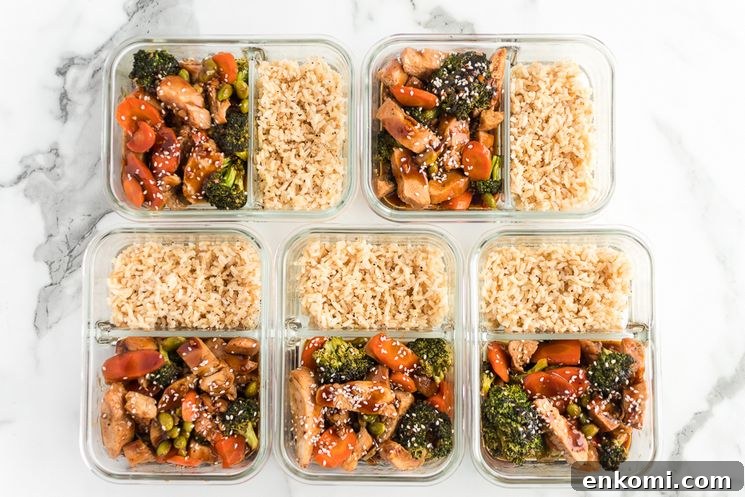
You can also batch-cook grains for the week and store them in the refrigerator for up to five days. Meal-prepping large batches of brown rice, quinoa, or barley saves time and makes healthy meals easier on busy days.

Frequently Asked Questions about Whole Grains
Answers to common questions about whole grains and weight loss:
Yes. Choose breads made with 100% whole wheat flour and avoid blends containing refined white flour.
No intact whole grains need to be avoided unless you have an allergy. Steer clear of highly processed, white-flour products and refined grain snacks.
Yes. Brown or wild rice are better choices than white rice because they offer more fiber and nutrients.
Not necessarily—“multigrain” can include refined flours. Check labels and choose products without white flour.
These grains are often available at health-food stores, bulk bins, or online retailers if your local store doesn’t carry them.
50+ Whole Grain Recipes and Meal Ideas
Below are practical ways to use whole grains in everyday meals. These ideas keep meals satisfying and aligned with weight-loss goals.
- Switch white pasta for whole wheat. If the taste is new, mix whole wheat with white pasta and increase the ratio over time.
- Swap white rice for brown rice. Mix half-and-half initially if you prefer a gradual change.
- Use instant brown rice. Fast-cooking options save time—choose brands without added oils or flavorings.
- Use frozen brown rice. Pre-cooked frozen rice heats quickly for fast weeknight meals.
- Cook rice in broth or with spices. Replace some cooking water with broth or add herbs and spices for more flavor.
- Top grains with flavorful condiments. Salsa, vinaigrettes, low-fat gravies, or oil-free dressings transform plain grains.
- Make Spanish rice at home. A flavorful alternative to plain rice that fits into balanced meals.
- Add vegetables like corn or peas. Stirring veggies into grains creates quick, fiber-rich sides and lunches.
- Beans and rice. A classic combination that’s filling, economical, and nutritionally balanced.
- Meal prep brown rice in an Instant Pot. Batch-cook and portion for the week.
- Try wild rice pilaf. Use as a side or stuffing for vegetables like squash.
- Use barley in soups and stews. Barley adds chew and keeps soups substantial.
- Swap barley for rice in recipes. For a different texture and flavor profile.
- Use cooked barley or farro for breakfast. Substitute for oats on occasion for variety.
- Sweet rice with milk. Warm cooked brown rice with milk and cinnamon makes a simple, comforting snack or breakfast.
- Healthier rice pudding. Make lighter versions using brown rice and less sweetener.
- Healthier fried rice. Make oil-free or low-oil versions packed with vegetables and lean protein.
- Try farro with roasted vegetables. Farro pairs well with apples, squash, and seasonal produce.
- Cook groats for a chewy cereal. Oat groats or wheat groats are hearty choices that resemble brown rice texture.
- Make tabbouleh. A bright, lemony bulgur salad with parsley and mint.
- Quinoa bites and grain-based snacks. Form cooked quinoa into bites or patties for portable snacks.
- Combine grains for textured cereals. Mix several cooked grains for a filling breakfast bowl.
- Overnight oats. Soak oats overnight for a grab-and-go breakfast.
- Blend oats into smoothies. Oats add thickness, fiber, and staying power to smoothies.
- Savory oatmeal. Top oats with veggies, a savory sauce, or a poached egg for a dinner-worthy bowl.
- Make grain-based veggie burgers. Use oats, rice, or other grains to bind vegetable burgers.
- Use tempeh and grain combos. Tempeh with whole grains makes hearty plant-based mains.
- Air-popped popcorn. A whole-grain snack—enjoy plain or with calorie-free seasonings.
- Popped amaranth. Use as a cereal topping or crunchy mix-in.
- Baked oatmeal. Make a week’s worth of breakfasts or portable oatmeal muffins that freeze well.
- Freekeh with roasted vegetables. Freekeh pairs nicely with roasted cauliflower and a tahini drizzle.
- Make brown rice risotto. A creamy, comforting dish using whole grain rice.
- Buddha bowls. Build bowls with a whole grain base, lots of vegetables, and a flavorful dressing.
- Cozy millet bowls. Millet works well with mushrooms, greens, and savory sauces.
- Choose brown rice sushi. Order or make sushi using brown rice.
- Mix barley, rye, oats, and legumes. Hearty multigrain porridges and bowls deliver sustained energy.
- Try rip’s big breakfast bowl style recipes. Combine grains, fruit, and plant-based toppings for a nutrient-dense start to the day.
- Instant Pot oatmeal. Make large batches of cooked oats for breakfasts all week.
- Energy bites. Oat-based energy bites freeze well and make healthy, portable snacks.
- Growing oatmeal bowls. Add extra water to increase volume and lower calorie density while keeping you full.
- Rye berry salads. Rye berries make robust cold salads with citrus vinaigrette.
- Teff stews and porridges. Teff is adaptable for savory stews or sweet porridge bowls.
- Buckwheat with mushrooms. A simple, savory side that highlights buckwheat’s earthy flavor.
- Couscous (whole wheat). Choose whole wheat couscous for a quick, small-grain option.
- Bulgur pilaf. A flavorful, Middle Eastern-style side that cooks quickly.
- Teff breakfast porridge. An alternative to oatmeal with a slightly nutty flavor.
With these ideas, plus the list of whole grains and cooking tips above, you can easily incorporate satisfying whole-grain meals into your weight-loss plan.
Which whole grains are your favorite? Which ones will you try next? Share your thoughts and favorite recipes in the comments below.
More Weight Loss Posts You Will Love
The Holy Mess Grocery List and Meal Planner Printable
75+ Ways to Eat More Vegetables
65+ Fast and Easy Weight Loss Meals
45+ Ways to Eat Beans for Weight Loss
50+ Healthy Potato Recipes for Losing Weight
Weight Watchers Banana Pancakes Recipes
How to Stop Overeating at Night
Pin this Whole Grains Post for Later