
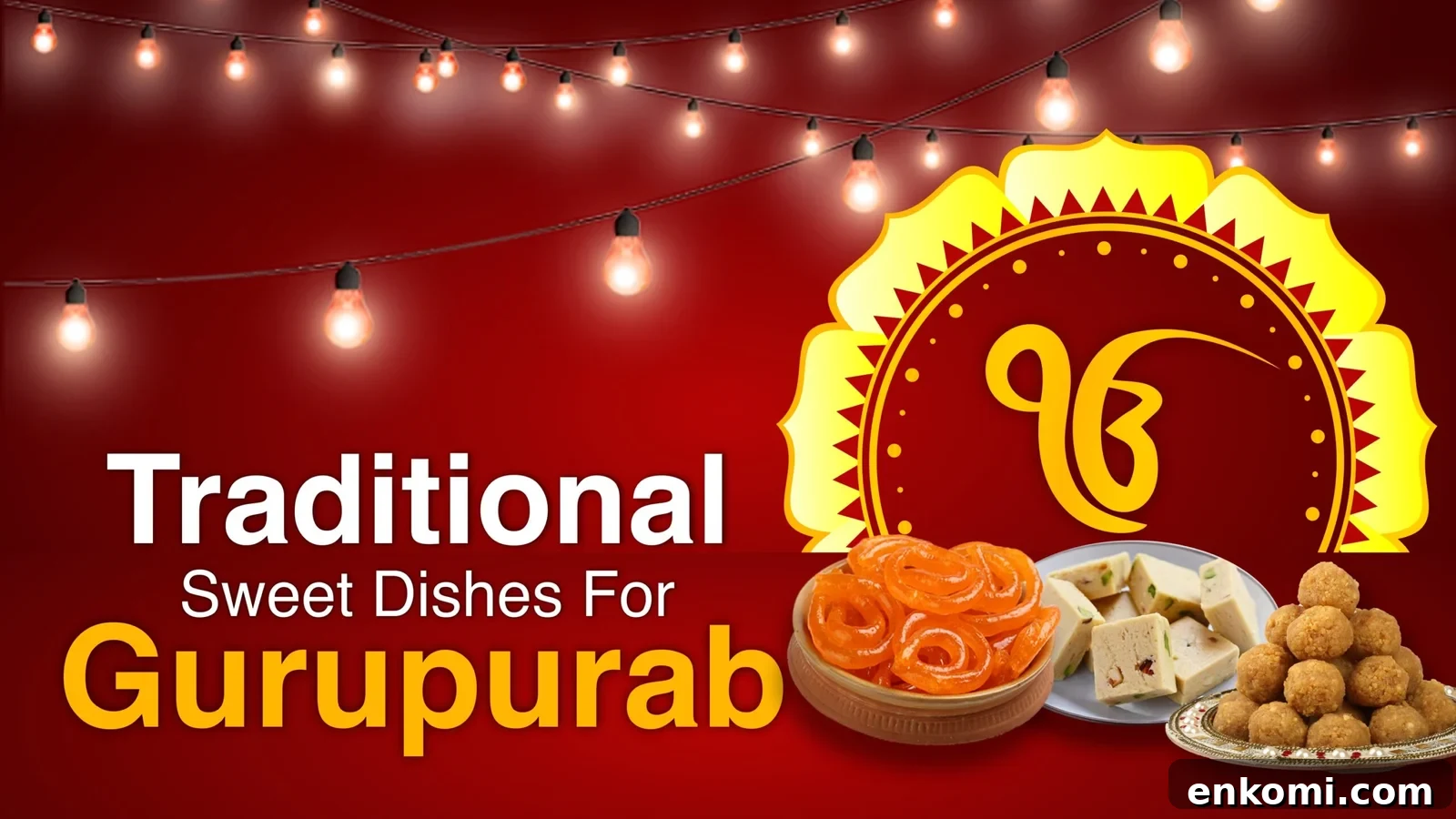
Hello! If you’re searching for traditional sweet dishes to celebrate Gurupurab, you’re in the right place.
Read on — this article lists a variety of classic Indian sweets that are ideal for the festival. Each description is concise and appetizing so you can decide which treats to prepare or serve on this special day.
What are traditional Indian sweet dishes?
Traditional Indian sweet dishes are desserts and festive confections passed down through generations. They are often prepared from ingredients like milk, sugar, ghee, flour, nuts and aromatic spices such as cardamom and saffron. These sweets are commonly served at the end of meals during celebrations, offered as prasad, or made for special occasions and family gatherings.
Traditional Indian Sweet Dishes for Gurupurab
- Jalebi with Rabri: Crisp, spiral-shaped jalebis soaked in sugar syrup pair beautifully with rabri — a rich, reduced milk dessert flavored with cardamom. Serve jalebi hot with a generous spoonful of chilled or room-temperature rabri for a contrast of textures and temperatures.
- Khajoor Barfi: Date-based barfi made by cooking down dates with milk until thick and then setting the mixture into squares. Khajoor barfi is naturally sweet and makes for a wholesome festive sweet.
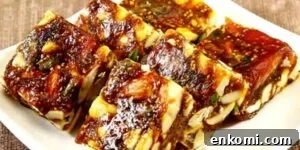
- Chana Gulkand Laddu: Protein-rich laddus made from roasted chickpea flour combined with gulkand (rose petal preserve) and sweeteners. These laddus balance nutty, floral and sweet notes and are often enjoyed at room temperature.
- Mawa Paan Barfi: A rich barfi made from mawa (reduced milk solids) infused with paan (betel leaf) flavors. The combination yields an indulgent sweet with a characteristic paan aroma.
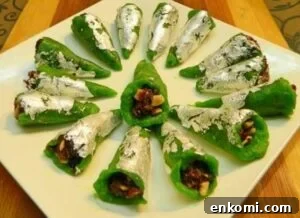
- Mawa Barfi: Dense, milky barfi made by slowly reducing milk to mawa, sweetening and flavoring with cardamom. It’s often cut into squares and garnished with nuts.
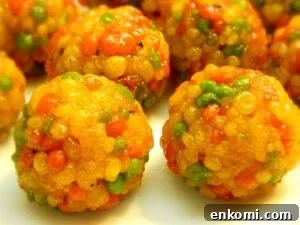
- Boondi ke Ladoo: Golden, syrup-coated boondi shaped into round laddus. Light, sweet and festive, these laddus are a favorite at celebrations and religious events.
- Cake slices: Slices of layered or loaf cakes can complement traditional sweets for guests who prefer Western-style desserts. Small slices or mini servings work well for festive gatherings.
- Jammu Patisa: A flaky, sweet confection from the Jammu region, often made with sugar, milk solids and chopped dry fruits. It’s known for its layered texture.
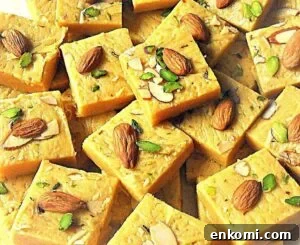
- Chenna Puda: A baked sweet from eastern India made from fresh paneer (chenna), sugar and a touch of flour or semolina. It has a tender, cake-like texture and is often flavored with cardamom and nuts.
- Pitha: Rice-flour based cakes or dumplings found across eastern India, Bangladesh and Nepal. Pithas can be sweet or savory; sweet versions use jaggery or sugar and are sometimes filled or topped with coconut, khoya or condensed milk.
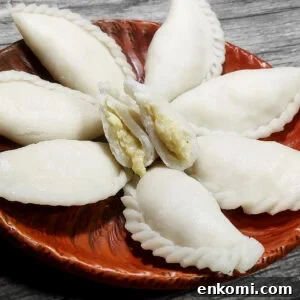
- Panjiri ke Ladoo: Grain-based ladoos traditionally made from roasted wheat or other flours, ghee, sugar and nuts. Nutritious and hearty, panjiri ladoos are popular in winter and during festivals.
- Badam Katli: Smooth almond fudge made from ground almonds and sugar. Sliced into diamond shapes, badam katli is prized for its delicate texture and nutty flavor.
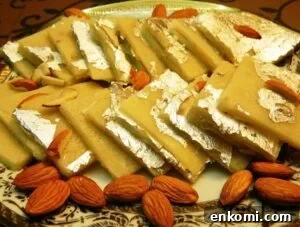
- Besan Ki Barfi: A gram-flour based fudge cooked with ghee and sugar until it reaches a firm, sliceable consistency. Often garnished with chopped nuts.
- Centre-filled Chocolates: Chocolates with soft or nutty fillings offer a modern complement to traditional sweets and are popular with children and guests who prefer chocolate.
- Sheer Khurma: A rich vermicelli and milk pudding studded with nuts and flavored with cardamom and rose water or saffron. Sheer khurma is a classic celebratory dish served on many festive occasions.
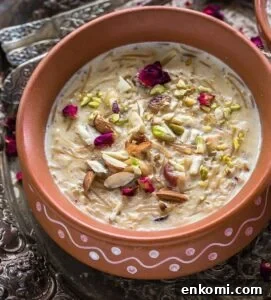
- Badami Halwa: Almond-flavored halwa prepared with semolina or flour base, ghee and sugar, often finished with slivered almonds and cardamom.
- Rawa Unde (Sooji Ladoo): Semolina-based ladoos made by roasting semolina in ghee, then combining with sugar, milk or condensed milk, coconut and nuts for a tender, melt-in-the-mouth texture.
- Khobre Barfi: A coconut or milk-based barfi variant, set and cut into squares. It’s rich, sweet and commonly garnished with nuts or saffron.
- Besan Bajra Ladoo: Laddoos combining gram flour and millet flour, sweetened and shaped into balls. These are hearty and often enjoyed in cooler months.
- Coconut Petha Ladoo: Soft laddoos made with coconut, sugar and ghee, sometimes including poppy seeds for texture and flavor.
- Lounglata: A layered, sugar-syrup coated sweet filled with khoya and dry fruits. Traditionally deep-fried and crisp, it’s a special-occasion delicacy.
- Shahi Tukda: A rich bread pudding made with fried bread slices soaked in saffron-flavored milk or rabri and garnished with nuts and raisins. It’s a regal dessert often reserved for celebrations.
- Phirni: A creamy rice pudding made with ground rice, milk, sugar and saffron, chilled and served in small bowls or earthenware.
- Rabri Malpua: Malpuas are thin, pancake-like fritters fried and soaked in sugar syrup, then served with thick rabri to make a decadent dessert.
- Mini Cupcakes: Small, individual cakes often frosted or garnished. These bite-sized sweets work well alongside traditional confections for guests of all ages.
After reading this list, you may be craving these sweets — the good news is many of them can be made at home with basic ingredients and a little time. Practice and simple recipes make it easy to recreate festival favorites in your own kitchen.
The best place to learn festive sweet-making
If you want professional training, the National Finishing and Culinary Institute (NFCI) offers culinary and hospitality courses that include practical instruction in food production and traditional confectionery. NFCI has multiple institutes across India and provides placement assistance as part of its professional curriculum.
Choose a few sweets from this list, try the recipes at home, or consider formal training if you want to master festival confectionery techniques. Wishing you a joyful and sweet Gurupurab!