
This declutter checklist offers practical ideas to clear clutter quickly, one room at a time—no overwhelm, no whole-house overhaul required. A printable checklist and simple tracker make it easy to monitor progress and chip away even when life is busy. The goal: less clutter, more breathing room, and a home that feels calmer and easier to manage.
Table of Contents
You might have minimized before—maybe even done a full home declutter. But seasons change, children grow, and routines shift. Drawers fill up again, counters become crowded, and the house starts to feel harder to manage. If that sounds familiar, this checklist is for you.
This is a room-by-room decluttering checklist refined over years of simplifying a busy household. It’s packed with easy, high-impact actions you can take in short sessions. No marathon organizing days required—just small wins that help you reclaim space, time, and energy for what matters most.
If you like checking things off, print and use the declutter checklist and tracker. Keep it visible and tackle a few items whenever you have a spare 10–15 minutes. Small consistent steps add up fast, and checking off boxes is motivating.
Printable Decluttering Checklist
Use a printable checklist to track progress, schedule drop-offs for donations, and mark tasks complete. A simple paper tracker helps you stay accountable and makes it easier to return and finish unfinished zones.
How to Use This Decluttering Checklist
You don’t have to do the whole list at once. Treat it as a menu—pick one area, set a 10–15 minute timer, and focus on a few quick wins. Small sessions beat stalled intentions.
Simple tips before you start:
- Start where clutter affects you most. This might be the entryway, kitchen counters, or a work surface.
- Work room by room. Focus on one space per day, week, or month—choose a pace that fits your life.
- Be ready to purge and relocate. Keep three to four boxes or bags handy: donate, trash, recycle, and relocate.
- Use the printable. A checklist and tracker help you see progress and stay motivated.
Entryway
The entryway is often the first place clutter lands. A few quick edits can transform the look and feel of this high-traffic zone:
- Out-of-season coats, gear, and shoes
- Duplicate or broken umbrellas
- Baskets that have become clutter catch-alls
- Keys, keychains, or lanyards you don’t use
- Worn entry rugs or doormats
- Shoes, purses, bags, outerwear, and accessories you don’t use regularly (relocate to the closet)
- Returns or donations waiting by the door—place them in your car and schedule a drop-off
- Extra pet leashes, toys, and accessories you don’t need
- Outgrown kids’ gear like backpacks and sunglasses
Kitchen & Pantry
If time is limited, focus on quick removals that free up counter and cabinet space with minimal effort:
- Expired pantry items, snacks, and baking ingredients
- Spices you never use or that are past peak flavor
- Duplicate tools and utensils—keep your favorites
- Mismatched food storage containers
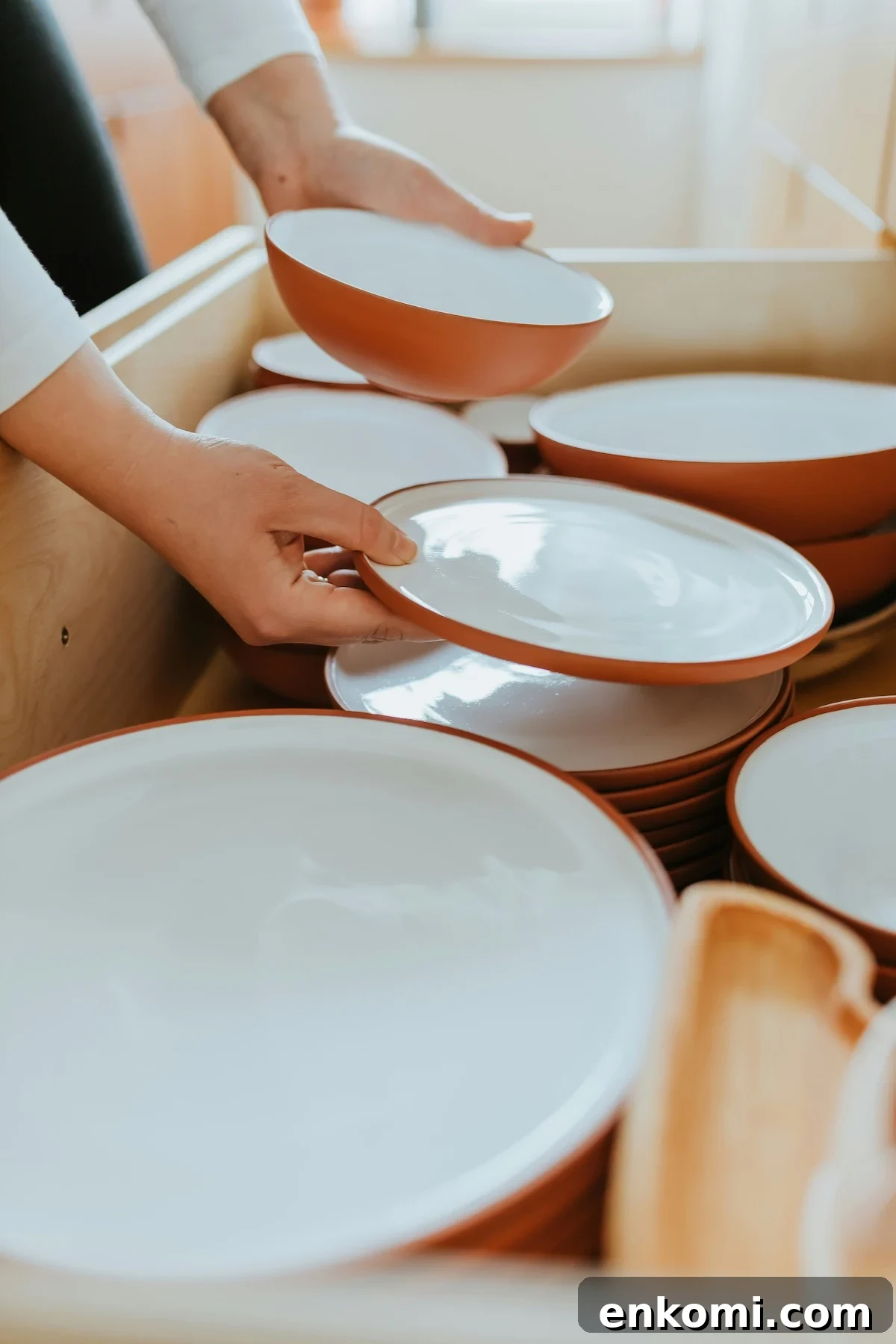
- Chipped mugs, plates, or bowls
- Extra coffee mugs and travel cups—limit to a small number per person
- Stained dish towels and oven mitts
- Takeout menus, condiment packets, and disposable utensils
- Forgotten food in the back of the fridge or freezer
- Overflowing bags or reusable bags taking up space
- Pantry items you bought but didn’t use (add them to a meal plan)
- Expired supplements and vitamins
- Extra cookware or bakeware you rarely use
- Appliances you use less than five times per week—store them away
- Old candles or decor taking up counters
- Plastic bags, twist ties, and rubber bands saved “for later”
- Extra jars and bottles saved but never reused
Small kitchen edits make daily routines smoother and reduce visual clutter on surfaces.
Living Room
A quick sweep of the living room can make the space feel calm and inviting again. Start with these easy edits:
- Extra throw pillows and blankets you don’t use
- Decor that feels dated or no longer fits your style
- Old magazines or catalogs
- Books you’ve already read or won’t read
- Old DVDs and CDs you no longer use
- Duplicate cords, chargers, or old remotes
- Small trinkets and knick-knacks that have lost meaning
- Burned-down candles
- Baskets or bins that collect clutter instead of organizing it
- Decor you pass every day that doesn’t bring you joy
- Board games and puzzles missing pieces or never played
Ready for a calmer, easier-to-manage home?
If you want extra help simplifying, consider working with a declutter coach to create systems that make your home easier to maintain.
Bedrooms
Your bedroom should feel like a retreat. A few thoughtful edits help it stay restful and clutter-free:
- Decorative pillows or throws that aren’t worth daily effort
- Books and magazines you’ve finished or won’t read
- Trash like empty tissue boxes, candle jars, tags, and old receipts
- Knick-knacks collecting dust on dressers or nightstands
- Decor that no longer matches your style
- Nightstand clutter—old lip balm, water glasses, or random items
- Piles of clothing waiting to be donated, washed, or put away
- Items stored under the bed but never used
Closets & Clothing
Regular closet edits make dressing simpler. Remove items that no longer fit your life or style:
- Clothes that don’t fit or flatter you now
- Anything you haven’t worn in the past year
- Clothes from a previous job, lifestyle, or size that no longer fit
- Duplicate basics—keep the best, let go of the rest
- Stained or damaged clothing you won’t repair
- Special occasion wear you never reach for
- Shoes that hurt or no longer match your style
- Socks and underwear that are worn thin or mismatched
- Belts, scarves, and accessories you never wear
- Purses and bags you rarely use
- Mismatched or broken hangers
- Jewelry you never reach for
- Workout clothes you always skip
- Lounge wear that’s faded or stretched out
- Out-of-season clothing taking prime space—store elsewhere
- Clothing you intended to sell but never listed
- Dry-clean-only items you avoid wearing
- Shoeboxes and empty packaging taking up space
- Clothes with tags still attached after long periods
- Items kept out of guilt—donate or let go
Bathrooms
Bathrooms easily fill with half-used products and expired items. Clear these for a simpler daily routine:
- Expired medications, vitamins, and supplements
- Old sunscreen and seasonal products
- Half-used or dried-up makeup
- Skincare samples and travel toiletries you won’t use
- Duplicate toiletries—keep favorites only
- Stretched hair ties and broken clips
- Lotions, perfumes, or bath items you didn’t like
- Old nail polish and unused tools
- Toothbrushes and electric brush heads that need replacing
- Trash like dull razors, empty containers, and wrappers
- Makeup brushes you never use or should replace
- Worn towels and washcloths
- Cleaning supplies you don’t reach for
- Burned candles or diffusers that have lost scent
- Counter decor and non-essential items that crowd surfaces
- Hair tools that don’t work or aren’t used
- Duplicate combs, brushes, and accessories—keep the best
Linen Closet & Laundry Area
Tidy the linen closet and laundry area to free up space and make routines smoother:
- Old towels and washcloths that need replacing
- Blankets and comforters you no longer use
- Duplicate sheet sets—keep two per bed max
- Mismatched pillowcases and bedding
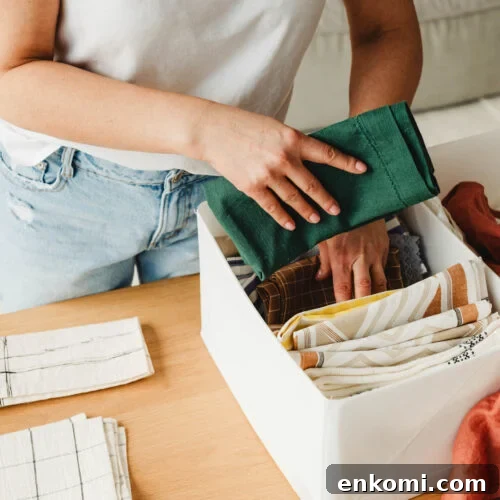
- Table linens and napkins that are stained or unused
- Worn bath mats and dingy shower curtains
- Extra cleaning rags you never use
- Laundry products that don’t work for you
- Empty detergent bottles waiting to be recycled
- Lost socks that haven’t found their match
- Extra vases and decorative jars you never use
Desk & Home Office
A tidy workspace supports focus. Keep only what you use daily and give everything a simple home:
- Old receipts and papers you don’t need
- Used-up pens and dried markers
- Excess office supplies—keep a small active stash
- Outdated planners, notebooks, and sticky notes
- Extra envelopes and stationery you won’t use
- Business cards—add important contacts to your phone
- Junk drawer items that don’t belong
- Old electronics manuals, cords, and packaging
- Decor that clutters usable surfaces
- Photos and cards that belong in a memory box
- Paper piles—sort quickly into to file, to act on, and recycle/shred
Kids’ Items
Children’s belongings multiply fast. A few simple edits keep play areas manageable without a huge purge:
- Toys, games, and puzzles that are broken or missing pieces
- Books kids have outgrown or no longer enjoy
- Art and school supplies that are empty or dried out
- Artwork and school papers you won’t keep—photograph special pieces first
- Outgrown clothes, shoes, and accessories
- Dress-up items that no longer fit or are falling apart
- Party favors and small trinkets that aren’t used
- Stuffed animals that aren’t loved
- Duplicate toys—keep favorites and rotate the rest
- Kids’ cups, plates, and utensils they’ve outgrown
- Old backpacks, lunch boxes, and sports gear that no longer fit
Digital Clutter
A few small digital cleanups make your devices less noisy and easier to navigate:
- Unneeded files in your downloads folder
- Temporary files, screenshots, and desktop clutter
- Unread promotional emails—delete and unsubscribe in short bursts
- Duplicate or unwanted photos—delete a few each day
- Apps you no longer use
- Saved tabs and bookmarks you don’t need
- Old text threads and group chats
- Contacts you don’t recognize or haven’t used in years
- Notifications that constantly interrupt your day—turn off nonessential alerts
Keep Going
You’ve cleared physical and mental space—now keep that momentum. Small, regular edits prevent clutter from building up again.
Ways to continue making lasting progress:
- Work through a complete room-by-room plan if you want a full reset.
- If clutter returns quickly, adopt a simple, repeatable declutter routine you can use weekly.
- Set up basic organizing systems that are easy to maintain so your newly cleared spaces stay functional and calm.
Remember: consistent, short efforts beat infrequent deep cleans. Use the checklist, celebrate small wins, and let your home slowly become a calmer, easier-to-manage place.